
Introduction
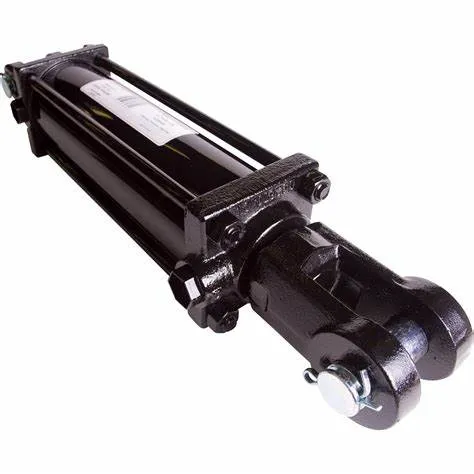
In the world of hydraulic systems, the magnetic welded hydraulic cylinder plays a crucial role in ensuring efficient and precise operation. These innovative cylinders are designed to incorporate magnetic sensors, providing contact-free position detection and enhancing overall performance. In this article, we will delve into the design, construction, working principle, types, advantages, performance characteristics, applications, design considerations, maintenance, safety, and troubleshooting of magnetic welded hydraulic cylinders.
Design and Construction Characteristics
When it comes to the design of magnetic welded hydraulic cylinders, several key aspects set them apart:
- Integrated Magnetic Sensor: The built-in magnetic sensor enables contact-free position detection, improving accuracy and reaction speed.
- Welded Structure: Advanced welding techniques are used to enhance the strength and durability of the cylinder, making it ideal for high-pressure applications.
- Compact Design: By leveraging magnetic sensors, these cylinders can be designed to be more compact, saving valuable space in constrained environments.
- Sealing Performance: Specialized sealing materials and structures ensure that the cylinder maintains excellent sealing properties, enhancing reliability and safety.
Additionally, the construction of magnetic welded hydraulic cylinders involves precision machining, meticulous testing, and customization to meet specific customer requirements.
Working Principle
The working principle of magnetic welded hydraulic cylinders revolves around the transfer of force through a liquid medium, piston movement, workload management, sealing systems, pressure release mechanisms, and more. These cylinders are designed to deliver precise and reliable performance in various hydraulic applications.
Types and Configurations
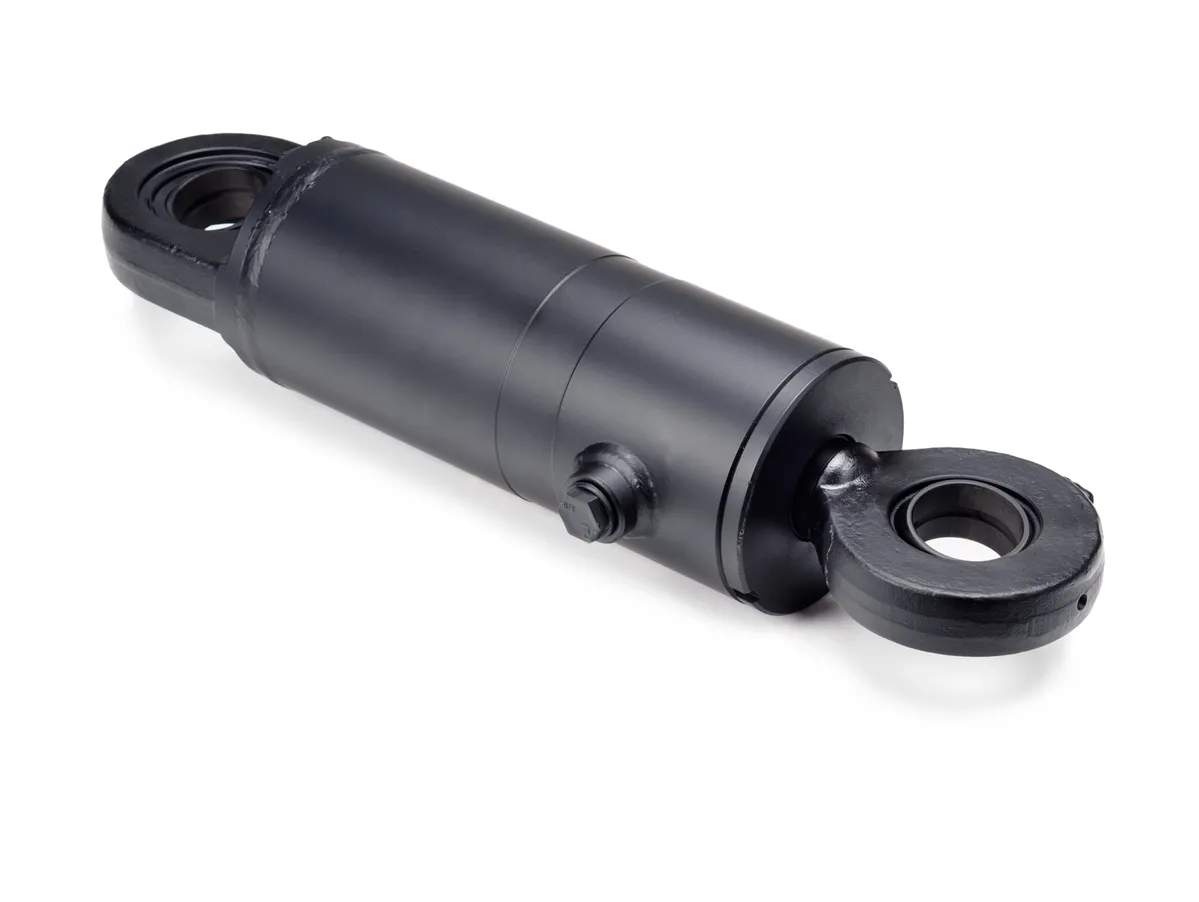
There are three main types of magnetic welded hydraulic cylinders, each with unique configurations tailored to specific use cases. These cylinders offer versatility and efficiency in different industrial settings, providing customized solutions for diverse applications.
Advantages
The top five advantages of magnetic welded hydraulic cylinders include:
- Precise Positioning: Magnetic induction technology enhances accuracy and reduces wear.
- Space Savings: Compact design saves space compared to traditional cylinders.
- Durability: Welded construction ensures strength and longevity under high pressures.
- Sealing Techniques: Special seals prevent leakage and contamination, enhancing reliability.
- Magnetic Position Sensing: Magnetic sensors detect piston position without contact, improving performance.
Industries
Magnetic welded hydraulic cylinders find widespread use in various industries, including:
- Industrial Automation
- Material Handling
- Construction Equipment
Design Considerations and Selection Criteria
Key design considerations for magnetic welded hydraulic cylinders include bearing capacity, sealing, durability, safety, and maintainability. By evaluating these factors, users can select the right cylinder for their specific needs.
Sealing and Lubrication
Proper sealing and lubrication are essential for the optimal performance and longevity of magnetic welded hydraulic cylinders. Utilizing high-quality seals and regular lubrication maintenance can prevent leaks and enhance overall efficiency.
Maintenance and Safety
Regular inspection and preventive maintenance measures are crucial for ensuring the reliability and safety of magnetic welded hydraulic cylinders. By following recommended maintenance practices, users can extend the lifespan of their cylinders and minimize downtime.
Installation Guide
When installing magnetic welded hydraulic cylinders, it is important to follow proper procedures to ensure optimal performance and longevity. By adhering to installation guidelines, users can avoid common pitfalls and maximize the efficiency of their systems.
Common Maintenance Tasks
Three essential maintenance tasks for magnetic welded hydraulic cylinders include regular inspection, proper lubrication, seal replacement, and calibration checks. These practices are vital for preserving the functionality and reliability of the cylinders over time.
Safety Considerations
Safety measures must be prioritized when using magnetic welded hydraulic cylinders to prevent accidents and ensure workplace security. By following safety protocols and guidelines, users can mitigate risks and maintain a safe operating environment.
Fault Diagnosis and Common Problems
When troubleshooting magnetic welded hydraulic cylinders, users may encounter various issues related to performance, leaks, or sensor malfunctions. By identifying common problems and implementing effective solutions, users can address issues promptly and restore optimal functionality.
FAQs
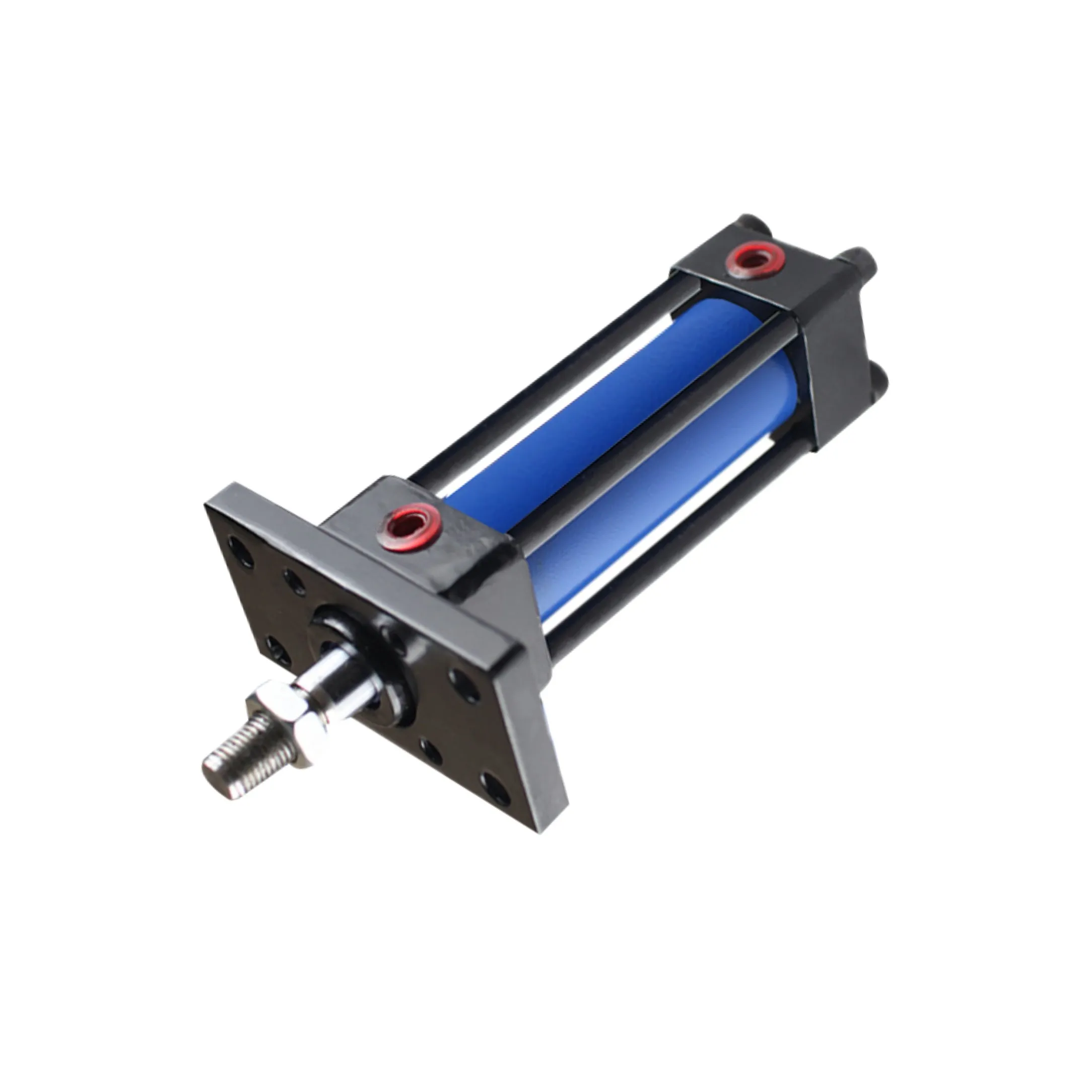
Here are answers to common questions about magnetic welded hydraulic cylinders:
How do magnetic sensors work in these cylinders?
Magnetic sensors detect piston position without physical contact, enabling precise control and feedback in hydraulic systems.
What are the main advantages of using magnetic welded hydraulic cylinders?
The key benefits include improved accuracy, compact design, durability, enhanced sealing, and reliable performance in various applications.
In which industries are these cylinders commonly used?
Industries such as industrial automation, material handling, and construction equipment widely utilize magnetic welded hydraulic cylinders for efficient operation.
Long Tail Keywords
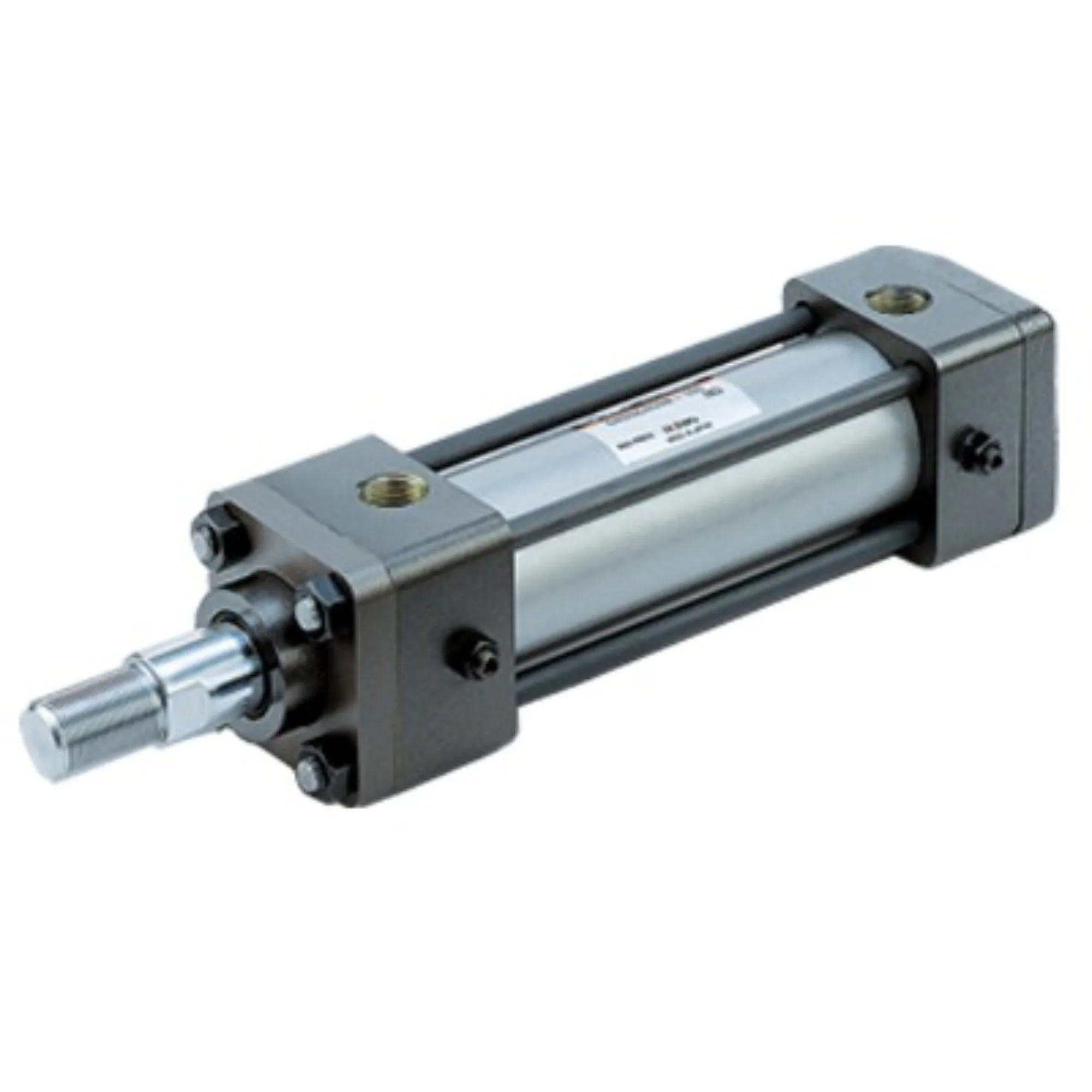
Three long tail keywords related to magnetic welded hydraulic cylinders are:
- Advanced Magnetic Welding Technology
- Precision Sealing Solutions
- Customized Hydraulic Cylinder Designs
Our Company
We are a leading manufacturer of hydraulic cylinder replacements, offering a comprehensive product line to meet diverse industrial needs. With a focus on quality, innovation, and customer satisfaction, we have established ourselves as a trusted provider of hydraulic solutions in the domestic and international markets.