
Exploring the Significance of Hydraulic Cylinder Components for Agriculture
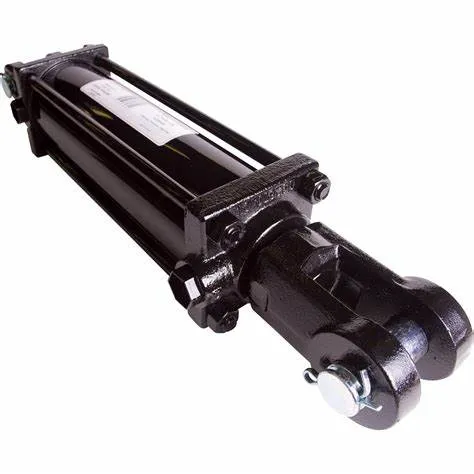
Introduction: Understanding Agricultural Hydraulic Cylinders
In the realm of modern agricultural machinery, hydraulic cylinder components play a pivotal role in enabling the effective movement of tools, lifting operations, and steering mechanisms within agricultural equipment. These components are essential for ensuring the seamless functionality of various agricultural machinery, making tasks such as plowing, harvesting, and planting possible.
Basic Working Principle of Hydraulic Cylinders
Hydraulic cylinders operate based on the principle of using hydraulic fluid pressure to generate linear motion. The relationship between the piston, cylinder, and hydraulic oil is crucial in facilitating the extension or contraction of the piston, allowing for precise control over movement and force exertion.
Types of Agricultural Hydraulic Cylinders
- Single Acting Cylinders: Utilized for applications requiring force in one direction.
- Double Acting Cylinders: Capable of exerting force in both directions for versatile use.
- Telescopic Cylinders: Ideal for applications requiring varying stroke lengths.
- Welded Cylinders: Known for their durability and reliability in heavy-duty operations.
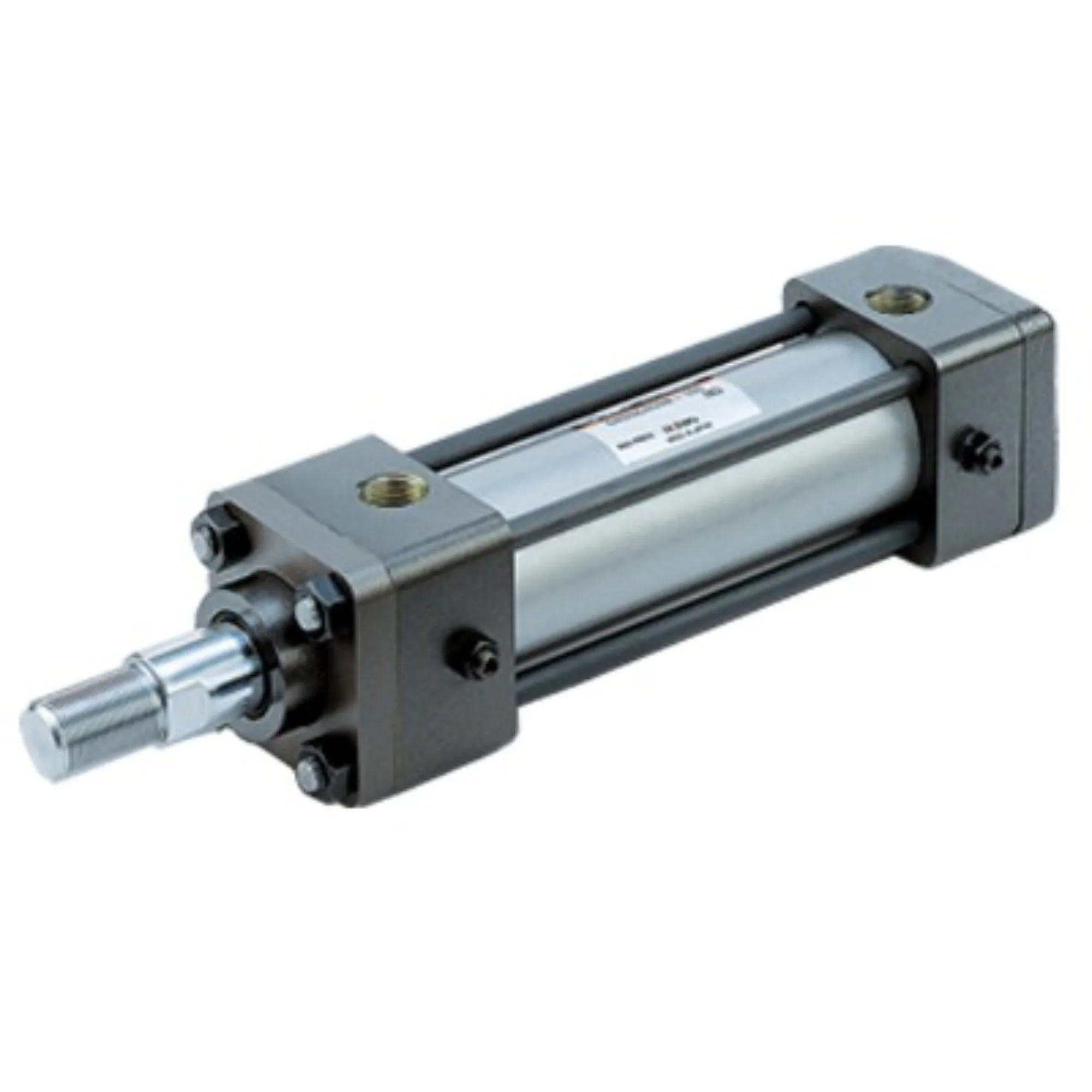
Advantages of Hydraulic Cylinders in Agriculture
1. High Force Output: Hydraulic cylinders offer superior force output for handling heavy loads.
2. Precise Control: Enables accurate handling and manipulation of agricultural tools and equipment.
3. Operational Flexibility: Enhances operational efficiency and adaptability in agricultural tasks.
Applications of Hydraulic Cylinders in Agriculture
1. Telescopic Cylinders in Combine Harvesters: Facilitating precise height adjustment for harvesting crops.
2. Double Acting Cylinders in Tractors: Providing versatile force application for various tasks.
3. Single Acting Cylinders in Seeders: Enabling controlled seed dispensing mechanisms.
Maintenance of Hydraulic Cylinders
Regular maintenance of agricultural hydraulic cylinders is essential to ensure optimal performance and longevity. Proper care and inspection can prevent issues such as leakage, cylinder drift, and seal failure, prolonging the lifespan of the equipment.
Safety Guidelines for Working with Hydraulic Cylinders
When handling hydraulic cylinders, it is crucial to follow proper decompression procedures, secure locking mechanisms, and utilize safety devices to prevent accidents. Personal protective equipment (PPE) and safe work practices should be prioritized to ensure the well-being of operators.
Choosing the Right Agricultural Hydraulic Cylinder
Factors to consider when selecting agricultural hydraulic cylinders include the required force output, stroke length, and compatibility with existing machinery. By evaluating these aspects, farmers can choose the most suitable cylinder for their specific needs.
Company Focus: Our Hydraulic Cylinder Replacement Manufacturer
Our company is a leading manufacturer and wholesale distributor of hydraulic cylinder components, offering a comprehensive product line for agricultural applications. With a focus on professional service, international certifications, customized solutions, advanced production equipment, and reliable after-sales support, we strive to meet the diverse needs of our customers in the domestic and international markets.
Author: lyl