
Hydraulic Cylinders in Agriculture: A Comprehensive Guide
Introduction
In the realm of modern agricultural equipment, hydraulic cylinders play a crucial role in facilitating the effective movement of tools, lifting operations, and steering mechanisms. Understanding the significance of agricultural hydraulic cylinders is essential for maximizing efficiency and productivity in farm operations.
Basic Working Principle of Hydraulic Cylinders
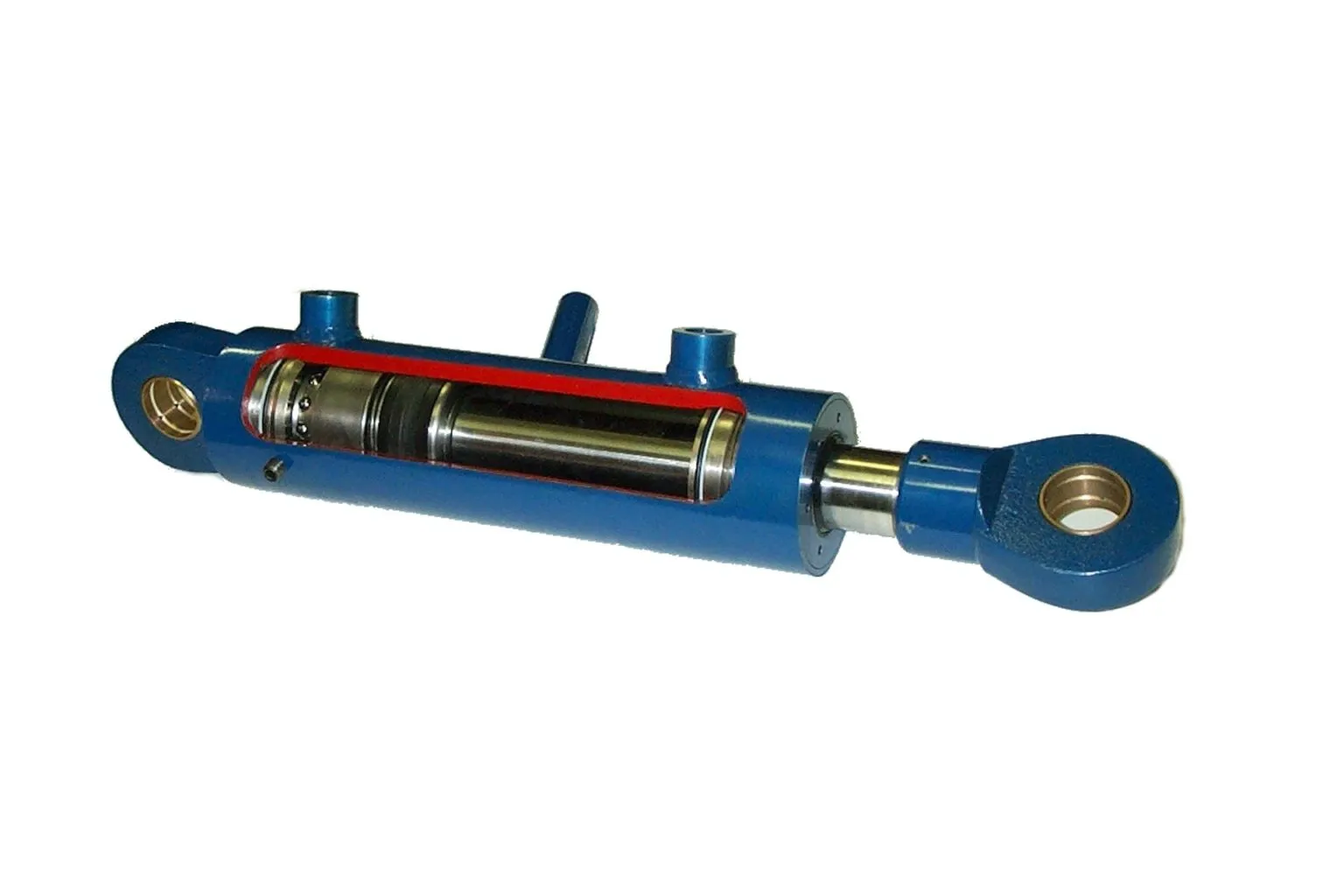
Hydraulic cylinders operate on the principle of using hydraulic fluid pressure to produce linear motion. The piston, cylinder, and hydraulic oil work in tandem to extend or contract the piston based on changes in fluid pressure. This mechanism enables agricultural machinery to perform various tasks with precision.
Types of Agricultural Hydraulic Cylinders
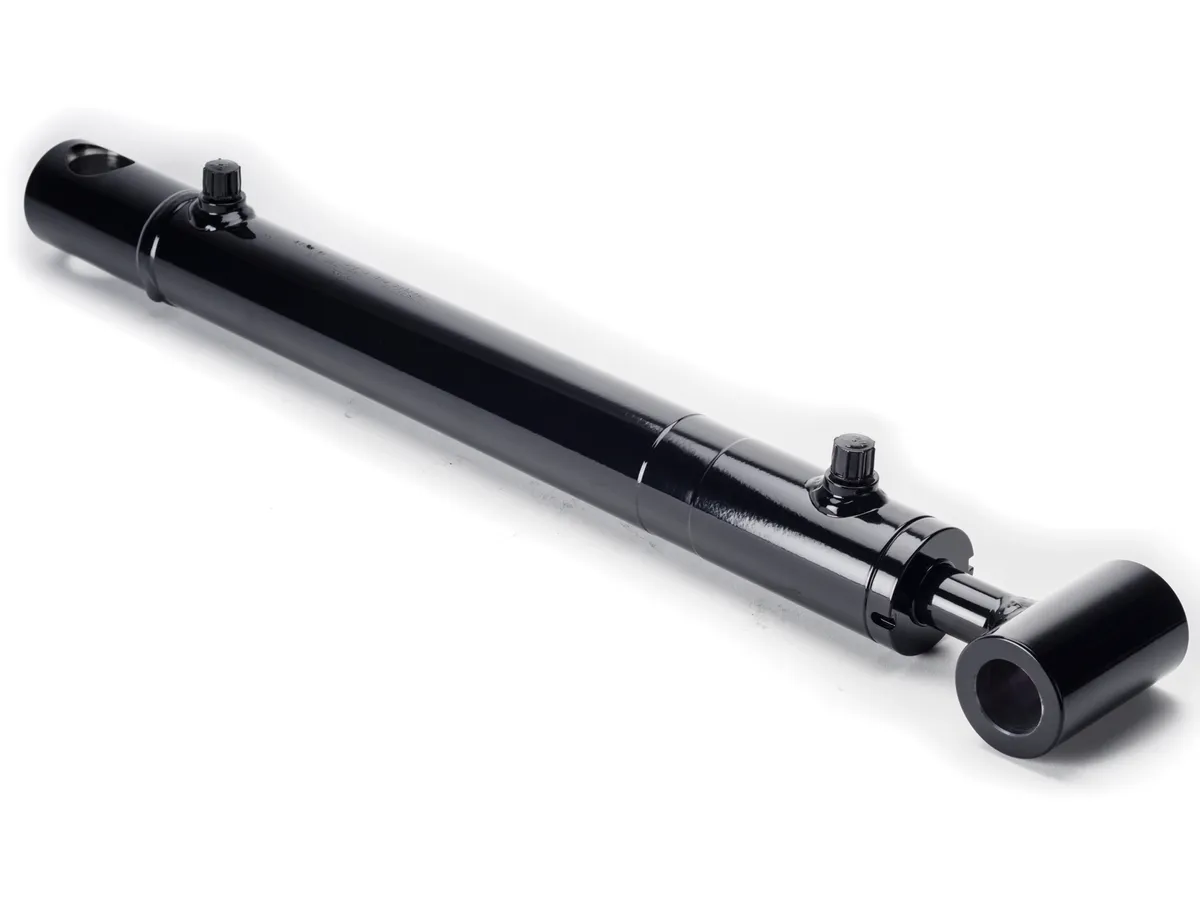
There are several types of hydraulic cylinders used in agriculture, including single acting, double acting, telescopic, and welded cylinders. Each type serves specific purposes in agricultural machinery, such as lifting heavy loads or providing precise control over movement.
Advantages of Hydraulic Cylinders in Agriculture
Hydraulic cylinders offer numerous benefits in agriculture, such as high force output, accurate handling of heavy objects, and improved operational flexibility. These advantages contribute to enhanced efficiency and productivity in farm operations.
Specific Applications of Hydraulic Cylinders
1. Single Acting Cylinders: Used in hydraulic presses for compacting soil or baling hay.
2. Double Acting Cylinders: Employed in tractors for steering mechanisms and lifting implements.
3. Telescopic Cylinders: Found in grain carts for extending reach during loading and unloading processes.
4. Welded Cylinders: Utilized in irrigation systems for adjusting water flow rates and direction.
5. Customized Cylinders: Tailored to specific agricultural equipment for specialized tasks.
Maintenance of Hydraulic Cylinders
Regular maintenance of agricultural hydraulic cylinders is crucial to ensure optimal performance and longevity. Proper care includes cleaning, lubrication, and checking for wear to prevent malfunctions and breakdowns in the field.
Safety Guidelines for Working with Hydraulic Cylinders
When handling hydraulic cylinders, safety should be a top priority. Proper decompression procedures, locking mechanisms, and safety devices must be utilized to prevent accidents. Personal protective equipment (PPE) and safe work practices are essential for minimizing risks.
Common Fault Diagnosis and Solutions
Common problems like leakage, cylinder drift, and seal failure can occur in hydraulic cylinders. By identifying the root cause of these issues and implementing appropriate solutions, farmers can effectively troubleshoot and resolve mechanical faults.
Choosing the Right Agricultural Hydraulic Cylinder
When selecting hydraulic cylinders for agricultural use, factors such as load capacity, operating pressure, and mounting requirements should be considered. Understanding the specific needs of the equipment and application is key to choosing the right cylinder for optimal performance.
Company Profile
Our company is a leading hydraulic cylinder replacement manufacturer, offering a comprehensive product line to meet the diverse needs of the agricultural industry. With a focus on quality, innovation, and customer satisfaction, we have established ourselves as a trusted partner for farmers worldwide.
Author: lyl