
The Ultimate Guide to Heavy-Duty Hydraulic Cylinders
Introduction to Heavy-Duty Hydraulic Cylinders
Heavy-duty hydraulic cylinders are robust and powerful devices used in various industries to generate linear force and motion through the use of hydraulic fluid. These cylinders are designed to withstand high pressures and heavy loads, making them essential components in many applications.

Definition and Composition
Heavy-duty hydraulic cylinders consist of a cylinder barrel, piston, rod, seals, and hydraulic fluid. The cylinder barrel houses the piston, which moves back and forth under pressure from the hydraulic fluid. Seals prevent leakage and maintain pressure, ensuring smooth operation.
Importance and Applications
- Heavy-duty hydraulic cylinders are crucial in industries such as construction, mining, agriculture, and manufacturing.
- They are used in applications like lifting, pushing, pulling, and bending heavy loads with precision.
Working Principle and Basic Operation
The working principle of heavy-duty hydraulic cylinders is based on Pascal’s law, which states that pressure applied to a confined fluid is transmitted undiminished in all directions. When hydraulic fluid is pumped into the cylinder, it pushes the piston, creating linear motion.
Principle
The basic operation of a heavy-duty hydraulic cylinder involves the conversion of hydraulic energy into mechanical force through the movement of the piston within the cylinder. This allows for precise control and movement of heavy loads.
Operation
By controlling the flow of hydraulic fluid into the cylinder, operators can adjust the speed and force of the cylinder’s movement, making it versatile for a wide range of applications.
Types and Configurations
There are several types of heavy-duty hydraulic cylinders available, including single-acting, double-acting, telescopic, and differential cylinders. Each type has specific characteristics that make them suitable for different applications.
Single-Acting Cylinders
Single-acting cylinders use hydraulic pressure to extend the piston, with a spring or other external force used to retract the piston. These cylinders are commonly used in applications where a force is only required in one direction.
Double-Acting Cylinders
Double-acting cylinders use hydraulic pressure to extend and retract the piston, providing force in both directions. These cylinders are versatile and widely used in various industries for precise control of linear motion.
Advantages of Heavy-Duty Hydraulic Cylinders
Heavy-duty hydraulic cylinders offer several advantages that make them indispensable in industrial applications.
Precision
Hydraulic cylinders provide precise control over force and speed, allowing for accurate positioning of heavy loads.
Power
These cylinders can generate high forces and withstand heavy loads, making them ideal for demanding applications.
Efficiency
Hydraulic systems are highly efficient, converting hydraulic energy into mechanical force with minimal loss.
Reliability
Heavy-duty hydraulic cylinders are durable and reliable, requiring minimal maintenance for long-term operation.
Versatility
These cylinders can be customized to suit specific applications, offering flexibility in design and operation.
Industries Using Heavy-Duty Hydraulic Cylinders
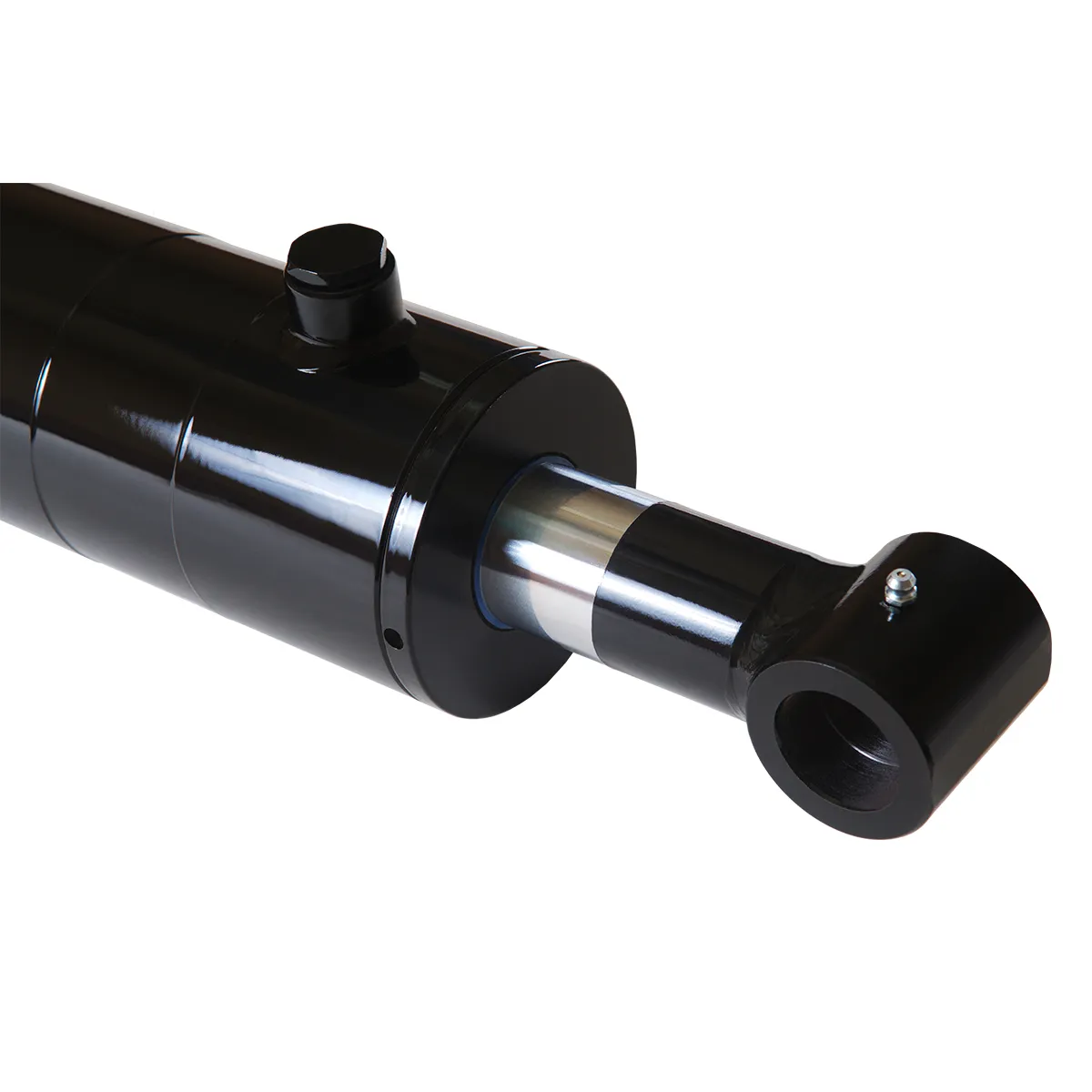
Heavy-duty hydraulic cylinders are widely used in various industries, including:
Construction
In construction, hydraulic cylinders are used in equipment like cranes, excavators, and bulldozers for lifting and moving heavy materials.
Mining
Mining operations rely on hydraulic cylinders in equipment such as rock drills, shovels, and crushers for excavation and material handling.
Agriculture
Agricultural machinery like tractors, harvesters, and sprayers utilize hydraulic cylinders for tasks such as plowing, seeding, and harvesting.
Manufacturing
In manufacturing, hydraulic cylinders are used in presses, injection molding machines, and CNC equipment for forming, shaping, and cutting materials.
Transportation
Transportation industries use hydraulic cylinders in vehicles like dump trucks, trailers, and forklifts for loading, unloading, and transportation of goods.
Factors Affecting Performance
Several factors can impact the performance of heavy-duty hydraulic cylinders, including:
Load Capacity and Maximum Working Pressure
The maximum load capacity and working pressure of a hydraulic cylinder determine its ability to handle heavy loads and operate efficiently.
Piston Diameter and Rod Size
The size of the piston and rod affects the force output and stability of the cylinder, influencing its performance in different applications.
Cylinder Stroke Length and Retract Speed
The stroke length and retract speed of the cylinder determine the range of motion and speed at which the cylinder can extend and retract.
Seal Selection and Sealing Mechanism
The quality and type of seals used in the cylinder impact its ability to maintain pressure, prevent leaks, and ensure smooth operation.
Operating Temperature Range and Fluid Compatibility
The operating temperature range and compatibility with hydraulic fluid affect the performance and longevity of the cylinder in various working conditions.
Regular Maintenance and Care
Regular maintenance and care are essential to ensure the optimal performance and longevity of heavy-duty hydraulic cylinders.
Significance
Proper maintenance practices can prevent breakdowns, extend the lifespan of the cylinders, and maintain operational efficiency.
Inspection and Preventive Maintenance
Regular inspections, lubrication, seal replacement, and cleaning are vital preventive maintenance measures to detect and address issues early.
Correct Installation Guide
Correct installation techniques, alignment, and parallelism are crucial for the optimal performance and safety of heavy-duty hydraulic cylinders.
Maintenance Tasks
Common maintenance tasks for heavy-duty hydraulic cylinders include:
Cleaning
Regular cleaning of the cylinder components helps prevent contamination and ensures smooth operation.
Lubrication
Proper lubrication of moving parts reduces friction, wear, and extends the service life of the cylinder.
Checking Wear
Regular inspection of seals, rods, and other components helps detect wear and prevent potential failures.
Fault Diagnosis and Common Problems
Identifying and resolving faults in heavy-duty hydraulic cylinders is essential to maintain their performance and reliability.
Diagnosis
Common problems like leaks, sluggish operation, and abnormal noises require thorough inspection and troubleshooting to pinpoint the root cause.
Solutions and Preventive Measures
Effective troubleshooting tips, seal replacements, fluid checks, and preventive maintenance can help minimize downtime and prevent recurring issues.
Questions and Answers
Here are three common questions about heavy-duty hydraulic cylinders:
What are heavy-duty hydraulic cylinders?
Heavy-duty hydraulic cylinders are powerful devices that use hydraulic fluid to generate linear force and motion for various industrial applications.
What industries commonly use heavy-duty hydraulic cylinders?
Industries such as construction, mining, agriculture, manufacturing, and transportation rely on heavy-duty hydraulic cylinders for lifting, pushing, and moving heavy loads.
What factors affect the performance of heavy-duty hydraulic cylinders?
Factors like load capacity, working pressure, piston size, seal quality, and fluid compatibility can impact the efficiency and reliability of heavy-duty hydraulic cylinders.