
The Ultimate Guide to Heavy-Duty Hydraulic Cylinders
Introduction to Heavy-Duty Hydraulic Cylinders
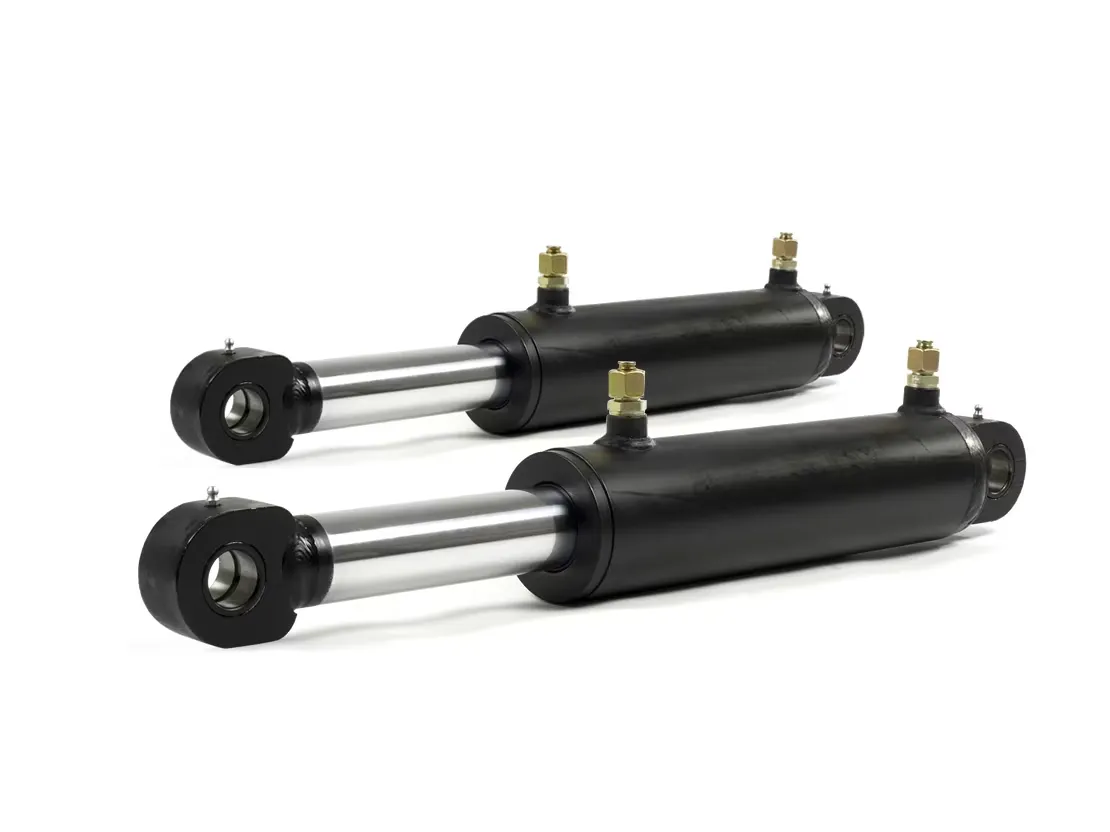
Heavy-duty hydraulic cylinders are robust mechanical devices that generate power through the use of pressurized hydraulic fluid to move heavy loads with precision and efficiency. These cylinders are commonly used in various industries such as construction, mining, agriculture, and manufacturing.
Definition and Composition
A heavy-duty hydraulic cylinder consists of a piston, rod, barrel, and seals. The piston moves back and forth within the barrel, pushing the rod to exert force on the load. Seals prevent fluid leakage and ensure smooth operation.
Importance and Application
- Heavy-duty hydraulic cylinders play a crucial role in lifting, pushing, pulling, and positioning heavy objects in industries like construction, agriculture, and material handling.
- These cylinders are also used in hydraulic presses, cranes, and earth-moving equipment, enhancing productivity and efficiency.
Working Principle and Basic Operation
The working principle of a heavy-duty hydraulic cylinder involves the conversion of hydraulic pressure into mechanical force. When hydraulic fluid enters the cylinder, it pushes the piston, which in turn moves the rod to perform work.
Basic Operation
The basic operation of a heavy-duty hydraulic cylinder involves the extension and retraction of the rod, controlled by the flow of hydraulic fluid. The directional control valve regulates the fluid flow to move the piston in the desired direction.
Types and Configurations
There are various types of heavy-duty hydraulic cylinders available, including single-acting, double-acting, telescopic, and differential cylinders, each designed for specific applications.
Single-Acting Cylinder
A single-acting cylinder exerts force in one direction only, relying on an external force to retract the rod. This type is commonly used in applications where gravity or spring force can assist in the retraction process.
Double-Acting Cylinder
A double-acting cylinder can exert force in both directions, utilizing hydraulic pressure for extension and retraction. This type is ideal for applications requiring precise control over the movement of heavy loads.
Advantages of Heavy-Duty Hydraulic Cylinders
- High Load Capacity: Heavy-duty hydraulic cylinders can handle heavy loads with ease, making them ideal for lifting and pushing tasks.
- Precise Control: These cylinders offer precise control over the movement of heavy objects, ensuring accuracy and efficiency in operations.
- Durability: Heavy-duty hydraulic cylinders are built to withstand harsh environments and repetitive use, providing long-lasting performance.
- Efficiency: The use of hydraulic power results in efficient energy transfer, maximizing productivity and reducing operational costs.
- Versatility: Heavy-duty hydraulic cylinders can be customized to suit specific applications, making them adaptable to various industries and tasks.

Industries Where Heavy-Duty Hydraulic Cylinders Are Widely Used
Heavy-duty hydraulic cylinders are indispensable in industries such as:
- Construction: Used in cranes, excavators, and bulldozers for lifting and moving heavy materials.
- Mining: Essential for drilling rigs, haul trucks, and crushers to handle massive loads underground.
- Agriculture: Employed in tractors, harvesters, and irrigation systems for efficient farming operations.
- Manufacturing: Utilized in presses, injection molding machines, and assembly lines for precise manufacturing processes.
- Material Handling: Found in forklifts, conveyor systems, and warehouse equipment for seamless material movement.
Factors Affecting Performance
Several factors can influence the performance of heavy-duty hydraulic cylinders:
- Load Capacity and Maximum Working Pressure
- Piston Diameter and Rod Size Considerations
- Cylinder Stroke Length and Retract Speed
- Seal Selection and Sealing Mechanism
- Operating Temperature Range and Fluid Compatibility
Regular Maintenance and Care
Regular maintenance is essential to ensure the optimal performance and longevity of heavy-duty hydraulic cylinders. Proper care includes:
- Inspecting for leaks, damage, and wear regularly
- Lubricating moving parts to reduce friction and prevent corrosion
- Checking fluid levels and quality to maintain proper operation
Correct Installation Guide
Proper installation of heavy-duty hydraulic cylinders is crucial for optimal performance and safety. Follow these guidelines:
- Align the cylinder properly with the load to prevent misalignment and premature wear
- Ensure the cylinder is parallel to the mounting surface for smooth operation and even force distribution
Maintenance Tasks
Key maintenance tasks for heavy-duty hydraulic cylinders include:
- Cleaning the cylinder regularly to remove dirt and debris
- Lubricating moving parts to reduce friction and wear
- Checking for signs of wear, leaks, and damage to address issues promptly
Fault Diagnosis and Common Problems
Common issues with heavy-duty hydraulic cylinders may include leaks, insufficient force, or erratic movement. Diagnose and troubleshoot problems by:
- Inspecting seals, connections, and fittings for leaks
- Checking hydraulic fluid levels and quality for proper operation
- Examining the cylinder for misalignment, wear, or damage
Troubleshooting Tips and Solutions
To effectively address hydraulic cylinder problems:
- Replace damaged seals, hoses, or fittings to prevent leaks
- Adjust fluid pressure and flow rate for optimal performance
- Regularly inspect and maintain cylinders to prevent potential issues
Frequently Asked Questions
1. What are heavy-duty hydraulic cylinders?
Heavy-duty hydraulic cylinders are mechanical devices that use pressurized hydraulic fluid to move heavy loads with precision and efficiency in various industries.
2. What industries commonly use heavy-duty hydraulic cylinders?
Industries such as construction, mining, agriculture, manufacturing, and material handling extensively rely on heavy-duty hydraulic cylinders for lifting, pushing, and positioning heavy objects.
3. What factors affect the performance of heavy-duty hydraulic cylinders?
Several factors, including load capacity, maximum working pressure, piston diameter, seal selection, and operating temperature range, can significantly impact the performance of heavy-duty hydraulic cylinders.