
The Ultimate Guide to Heavy-Duty Hydraulic Cylinders
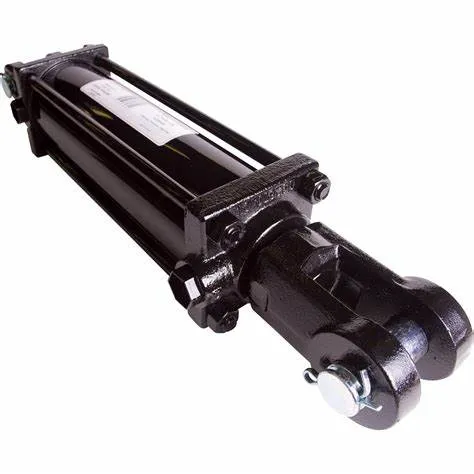
Introduction to Heavy-Duty Hydraulic Cylinders
Heavy-duty hydraulic cylinders are essential components in various industries, providing powerful force transmission and precise control in a wide range of applications. These cylinders are designed to withstand high pressures and heavy loads, making them ideal for demanding tasks that require reliable performance.
Definition and Composition
Heavy-duty hydraulic cylinders are hydraulic actuators that convert hydraulic energy into mechanical force and motion. They consist of a cylinder barrel, piston, piston rod, seals, and hydraulic fluid. The cylinder barrel houses the piston, which divides the cylinder into two chambers – the rod side and the cap side. Seals prevent fluid leakage and ensure smooth operation.
Importance and Application
Heavy-duty hydraulic cylinders are used in industries such as construction, mining, agriculture, and manufacturing. They are employed in hydraulic presses, cranes, excavators, and other heavy machinery to perform tasks such as lifting, pushing, pulling, and bending. These cylinders play a crucial role in enhancing efficiency, productivity, and safety in various operations.
Working Principle and Basic Operation
The working principle of a heavy-duty hydraulic cylinder is based on Pascal’s law, which states that pressure exerted on a confined fluid is transmitted equally in all directions. When hydraulic fluid is pumped into one chamber, it pushes the piston, generating force and motion. The basic operation involves controlling the flow of hydraulic fluid to move the piston and perform mechanical work.
Types and Configurations
Single-Acting Cylinder
A single-acting cylinder uses hydraulic pressure to extend the piston rod, with an external force retracting it. This type is suitable for applications where a load return mechanism is present.
Double-Acting Cylinder
A double-acting cylinder uses hydraulic pressure to extend and retract the piston rod, providing bi-directional force and motion. This type is commonly used in applications requiring precise control and positioning.
Advantages of Heavy-Duty Hydraulic Cylinders
- High Power and Force Output: Heavy-duty hydraulic cylinders deliver superior force and power, making them suitable for heavy-duty applications.
- Precision and Control: These cylinders offer precise control over force and speed, ensuring accurate positioning and movement.
- Durability and Reliability: Built to withstand extreme conditions, heavy-duty hydraulic cylinders are durable and reliable in demanding environments.
- Efficiency and Productivity: By providing efficient force transmission, these cylinders enhance productivity and reduce downtime in operations.
- Safety and Performance: With proper maintenance and care, heavy-duty hydraulic cylinders ensure safe and optimal performance in industrial settings.
Industries Using Heavy-Duty Hydraulic Cylinders
Heavy-duty hydraulic cylinders are widely used in the following industries:
- Construction: Hydraulic cylinders are essential in excavators, bulldozers, and cranes for lifting and moving heavy loads.
- Mining: These cylinders power equipment such as rock drills and haul trucks for extracting minerals and ores efficiently.
- Agriculture: Hydraulic cylinders are used in tractors, combines, and harvesters for performing agricultural tasks with precision and speed.
- Manufacturing: Heavy-duty hydraulic cylinders are employed in presses, injection molding machines, and metal forming equipment for shaping and processing materials.
- Automotive: These cylinders are used in car lifts, hydraulic jacks, and vehicle assembly lines for automotive manufacturing and maintenance.
Factors Affecting Performance
- Load Capacity and Maximum Working Pressure: The capacity of a hydraulic cylinder to handle loads and pressures influences its performance and durability.
- Piston Diameter and Rod Size Considerations: The size and dimensions of the piston and rod affect the force output and speed of the cylinder.
- Cylinder Stroke Length and Retract Speed: The stroke length and speed of retraction determine the range of motion and efficiency of the cylinder.
- Seal Selection and Sealing Mechanism: Choosing the right seals and sealing method is crucial for preventing leaks and ensuring smooth operation.
- Operating Temperature Range and Fluid Compatibility: The temperature range and compatibility of hydraulic fluid impact the performance and longevity of the cylinder.
Maintenance and Care
Regular maintenance and care of heavy-duty hydraulic cylinders are essential for ensuring optimal performance and longevity. Proper maintenance practices include:
- Inspecting seals, rods, and connections for leaks and wear regularly to prevent fluid leakage and component damage.
- Lubricating moving parts and seals to reduce friction and wear, ensuring smooth operation and extended service life.
- Checking fluid levels, cleanliness, and quality to maintain proper lubrication and prevent contamination that can affect performance.
Installation Guide
Proper installation of heavy-duty hydraulic cylinders is critical for optimal performance and safety. Follow these guidelines for correct installation:
- Ensure alignment and parallelism of the cylinder with the mounting surface to prevent misalignment and uneven force distribution.
- Securely fasten the cylinder to the mounting surface using appropriate hardware to prevent movement or vibration during operation.
- Test the cylinder for proper function and leaks before putting it into service to avoid potential issues and ensure reliable performance.
Maintenance Tasks
Cleaning
Regularly clean the exterior of the cylinder and surrounding components to remove dirt, debris, and contaminants that can affect performance and longevity.
Lubrication
Apply grease or lubricant to moving parts, seals, and connections to reduce friction, prevent wear, and maintain smooth operation of the cylinder.
Checking Wear
Inspect seals, rods, and other components for signs of wear, damage, or leaks, and replace or repair any worn parts to prevent failure and ensure reliability.
Fault Diagnosis and Common Problems
Common issues with heavy-duty hydraulic cylinders include leaks, seal failures, piston damage, and fluid contamination. Diagnosis and troubleshooting tips include:
- Inspecting seals, connections, and fluid levels for leaks and wear to identify the source of the problem and take corrective action.
- Checking piston movement, alignment, and operation to ensure proper function and address any issues affecting performance.
- Testing hydraulic fluid quality, temperature, and compatibility to prevent contamination and maintain optimal cylinder operation.

FAQs About Heavy-Duty Hydraulic Cylinders
What are heavy-duty hydraulic cylinders?
Heavy-duty hydraulic cylinders are hydraulic actuators that convert hydraulic energy into mechanical force and motion, used in various industries for powerful and precise operations.
What industries commonly use heavy-duty hydraulic cylinders?
Construction, mining, agriculture, manufacturing, and automotive industries commonly utilize heavy-duty hydraulic cylinders for lifting, moving, pressing, and shaping tasks.
What factors affect the performance of heavy-duty hydraulic cylinders?
Load capacity, piston size, seal quality, operating temperature, and maintenance practices are key factors that influence the performance and longevity of heavy-duty hydraulic cylinders.