
The Ultimate Guide to Heavy-Duty Hydraulic Cylinders
Understanding Heavy-Duty Hydraulic Cylinders
Heavy-duty hydraulic cylinders are robust mechanical devices that generate linear force and motion through the use of hydraulic fluid pressure. These cylinders are crucial components in various industrial applications, providing reliable and powerful lifting, pushing, and pulling capabilities.
Composition of Heavy-Duty Hydraulic Cylinder
A heavy-duty hydraulic cylinder consists of a cylindrical barrel, piston, rod, seal, and hydraulic fluid. The piston divides the barrel into two chambers: the rod side and the cap side. When hydraulic fluid is pumped into one chamber, it forces the piston to move, exerting force through the rod.
Importance and Application of Heavy-Duty Hydraulic Cylinder
Heavy-duty hydraulic cylinders find widespread use in industries such as construction, mining, agriculture, automotive, and aerospace. They are essential for tasks like lifting heavy loads, controlling machinery, and powering hydraulic systems. These cylinders offer unparalleled strength and precision in demanding environments.
Working Principle and Basic Operation
The working principle of a heavy-duty hydraulic cylinder involves the conversion of hydraulic energy into mechanical force. When pressurized hydraulic fluid enters one side of the cylinder, it pushes the piston, causing it to extend or retract. The basic operation of the cylinder relies on the controlled movement of the piston to perform work efficiently.
Types and Configurations of Hydraulic Cylinders
Single-Acting Hydraulic Cylinder
A single-acting hydraulic cylinder exerts force in one direction using hydraulic pressure. It requires an external force, such as a spring or gravity, to return to its original position once the hydraulic pressure is released.
Double-Acting Hydraulic Cylinder
A double-acting hydraulic cylinder can apply force in both directions, as hydraulic fluid is alternately supplied to each side of the piston. This type of cylinder offers more control and versatility in various applications.
Advantages of Heavy-Duty Hydraulic Cylinders
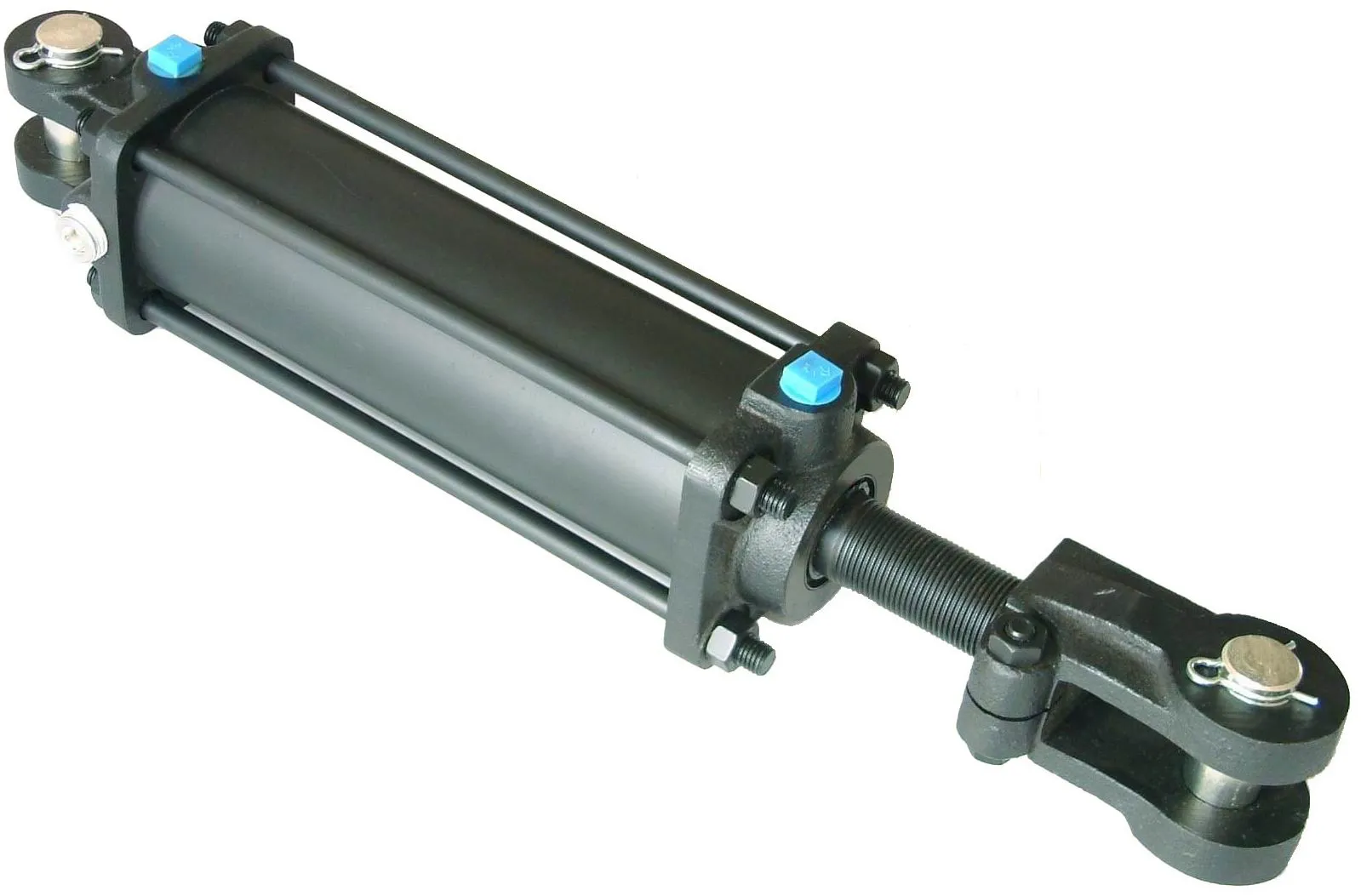
- High Load Capacity: Heavy-duty hydraulic cylinders can withstand extreme loads, making them ideal for heavy lifting operations.
- Precision Control: These cylinders offer precise positioning and movement control, ensuring accurate results in critical tasks.
- Durability: Constructed from high-quality materials, heavy-duty hydraulic cylinders are built to withstand harsh conditions and frequent use.
- Efficiency: Hydraulic cylinders provide efficient power transmission, minimizing energy loss and maximizing productivity.
- Versatility: With a wide range of sizes and configurations available, heavy-duty hydraulic cylinders can be adapted to various applications and industries.
Industries Using Heavy-Duty Hydraulic Cylinders
- Construction: Heavy-duty hydraulic cylinders are used in cranes, excavators, and bulldozers for lifting and moving heavy materials.
- Mining: Hydraulic cylinders power equipment like rock drills and dump trucks in mining operations for efficient material handling.
- Agriculture: Tractors, harvesters, and irrigation systems rely on hydraulic cylinders for precise control and movement in farming activities.
- Automotive: Car lifts, hydraulic presses, and braking systems in vehicles utilize heavy-duty hydraulic cylinders for reliable performance.
- Aerospace: Aircraft landing gear, cargo doors, and hydraulic systems in airplanes depend on hydraulic cylinders for safe and efficient operation.
Factors Affecting Hydraulic Cylinder Performance
- Load Capacity and Maximum Working Pressure: The cylinder must be rated to handle the maximum load and pressure it will encounter during operation.
- Piston Diameter and Rod Size Considerations: Proper sizing of the piston and rod ensures optimal performance and longevity of the cylinder.
- Cylinder Stroke Length and Retract Speed: The stroke length and retract speed should be matched to the application requirements for efficient operation.
- Seal Selection and Sealing Mechanism: High-quality seals and proper sealing mechanisms are essential to prevent leaks and maintain operational efficiency.
- Operating Temperature Range and Fluid Compatibility: Selecting the right hydraulic fluid and operating within the specified temperature range is critical for cylinder performance and longevity.
Regular Maintenance and Care
Regular maintenance of heavy-duty hydraulic cylinders is vital to ensure optimal performance and longevity. Proper care includes inspecting for leaks, checking fluid levels, and replacing worn seals or components as needed.
Preventive Maintenance Measures
- Inspecting for Wear and Damage: Regularly check for signs of wear on seals, rods, and other components to prevent unexpected failures.
- Lubrication: Proper lubrication of moving parts reduces friction and wear, extending the life of the cylinder and ensuring smooth operation.
- Cleaning: Keeping the cylinder and surrounding area clean prevents contaminants from entering and damaging the system, leading to costly repairs.
Installation Guide for Heavy-Duty Hydraulic Cylinders
Proper installation of heavy-duty hydraulic cylinders is crucial for optimal performance and safety. Aligning the cylinder correctly and ensuring parallelism with the load is essential to prevent premature wear and failure.
Maintenance Tasks for Common Keywords
Cleaning
Regularly clean the hydraulic cylinder and surrounding area to remove dirt, debris, and contaminants that could compromise performance and cause damage.
Lubrication
Apply the recommended lubricant to moving parts of the cylinder to reduce friction, prevent corrosion, and extend the life of the components.
Checking Wear
Inspect seals, rods, and other components for signs of wear or damage, and replace them as needed to prevent leaks and ensure proper functioning of the cylinder.
Fault Diagnosis and Common Problems
Common issues with heavy-duty hydraulic cylinders include leaks, seal failure, insufficient pressure, and erratic movement. Proper diagnosis and troubleshooting techniques are essential to identify and resolve these problems efficiently.
Troubleshooting Tips and Solutions
When facing hydraulic cylinder issues, it is essential to follow a systematic approach to diagnose and address the root cause. By understanding common problems and implementing preventive measures, users can minimize downtime and maximize the performance of their hydraulic systems.
Key Questions About Heavy-Duty Hydraulic Cylinders
What are heavy-duty hydraulic cylinders?
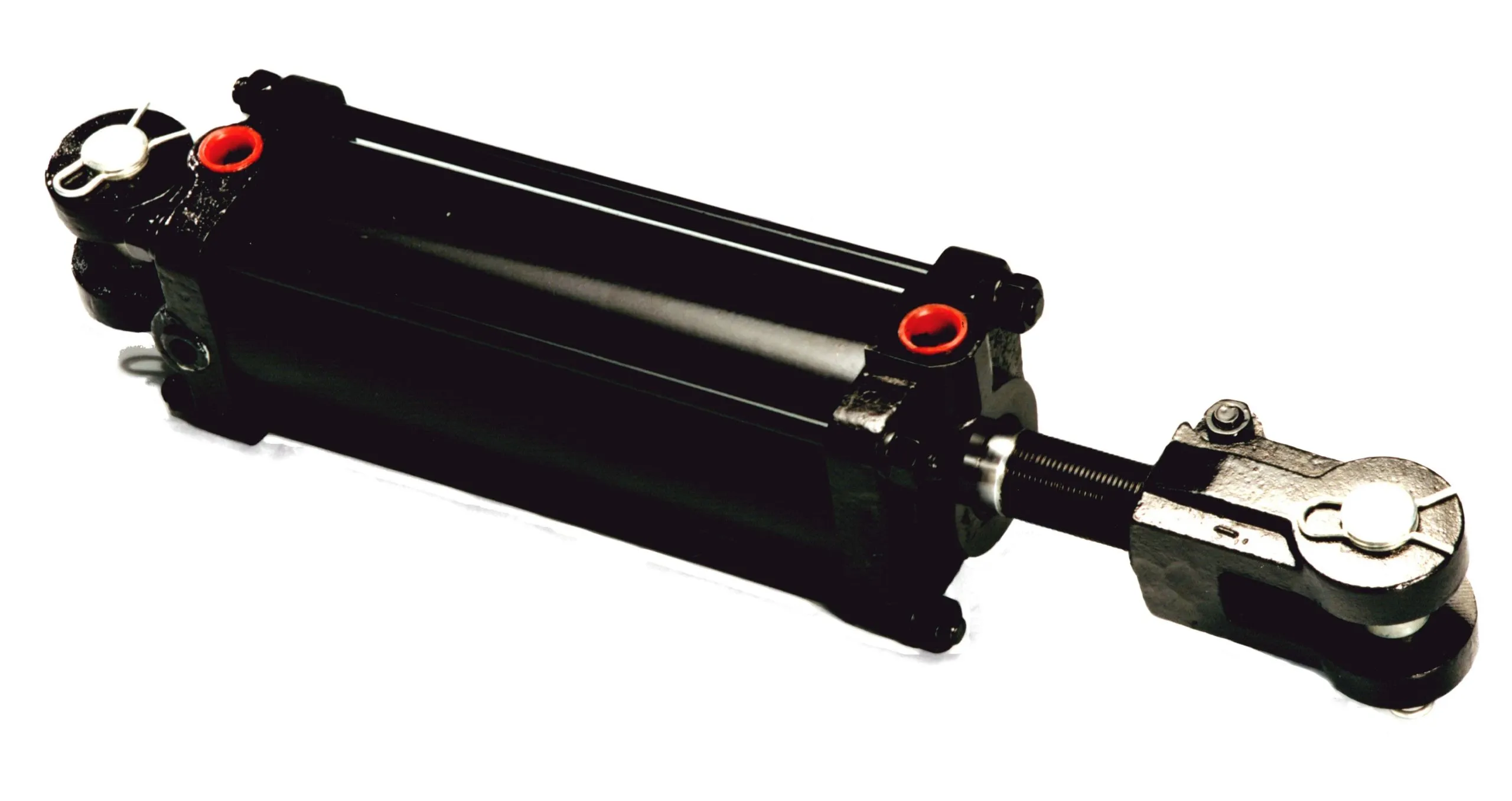
Heavy-duty hydraulic cylinders are robust mechanical devices that generate linear force and motion through the use of hydraulic fluid pressure, essential for various industrial applications.
What industries commonly use heavy-duty hydraulic cylinders?
Industries such as construction, mining, agriculture, automotive, and aerospace rely on heavy-duty hydraulic cylinders for lifting, pushing, and controlling machinery in demanding environments.
What factors affect the performance of heavy-duty hydraulic cylinders?
Factors like load capacity, maximum working pressure, piston diameter, seal selection, operating temperature range, and fluid compatibility significantly impact the performance and longevity of heavy-duty hydraulic cylinders.