
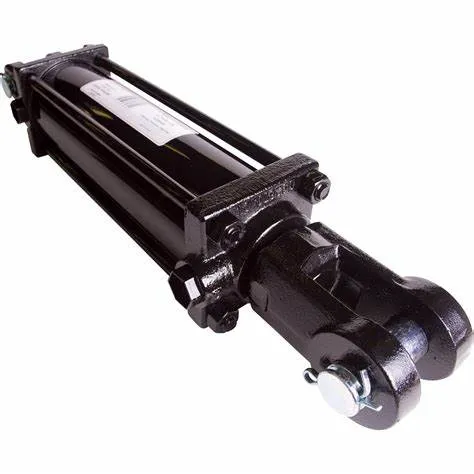
Understanding Agricultural Hydraulic Cylinders
Introduction
In the realm of modern agricultural equipment, hydraulic cylinders play a vital role in ensuring the effective movement of tools, lifting operations, and steering mechanisms. Understanding the significance of hydraulic cylinders in agriculture is crucial for farmers and equipment operators to maximize efficiency and productivity.
Basic Working Principle of Hydraulic Cylinders
Hydraulic cylinders utilize hydraulic fluid pressure to produce linear motion, enabling the extension or contraction of the piston within the cylinder. This fundamental principle relies on the relationship between the piston, cylinder, and hydraulic oil to facilitate the desired mechanical movements in agricultural machinery.

Types of Agricultural Hydraulic Cylinders
1. Single Acting Cylinders
Single acting cylinders operate in one direction, typically used for applications that require a pushing or pulling motion, such as in plows or rippers.
2. Double Acting Cylinders
Double acting cylinders can move in two directions, providing more versatility for tasks that require precise control over both extension and retraction, commonly found in loaders and backhoes.
Advantages of Hydraulic Cylinders in Agriculture
1. High Force Output
Hydraulic cylinders offer superior force output compared to other mechanical systems, enabling efficient handling of heavy loads in agricultural settings.
2. Precise Control
The ability to accurately control the movement of hydraulic cylinders allows for precise positioning of equipment, enhancing operational efficiency.
Applications of Hydraulic Cylinders in Agriculture
1. Telescopic Cylinders
Telescopic cylinders are commonly used in dump trucks and grain trailers to provide adjustable lifting heights for efficient material handling.
2. Welded Cylinders
Welded cylinders are ideal for heavy-duty applications such as tillage equipment and balers, offering robust construction for extended durability.
Maintenance of Agricultural Hydraulic Cylinders
Regular maintenance of hydraulic cylinders is essential to ensure optimal performance and longevity. Proper care and inspection of seals, hydraulic fluid levels, and overall condition can prevent costly breakdowns and downtime.
Safety Considerations
When working with hydraulic cylinders, following proper decompression procedures, implementing locking mechanisms, and using safety devices are critical to prevent accidents and injuries. Personal protective equipment (PPE) should be worn at all times to minimize risks.
Maintenance Tasks for Hydraulic Cylinders
1. Cleaning
Regularly cleaning hydraulic cylinders helps prevent dirt and debris buildup, maintaining smooth operation and preventing premature wear.
2. Lubrication
Applying appropriate lubricants to moving parts reduces friction and ensures seamless functionality of hydraulic cylinders.
Common Problems and Solutions
Common issues such as leakage, cylinder drift, and seal failure can impact the performance of hydraulic cylinders. Proper diagnosis and timely repairs are essential to address these problems effectively and restore optimal functionality.
Choosing the Right Hydraulic Cylinder
When selecting agricultural hydraulic cylinders, factors such as load capacity, stroke length, and mounting options should be considered to ensure compatibility with specific equipment and operational requirements. Consulting with experts can help in making informed decisions.
Company Profile
Our company specializes in hydraulic cylinder replacement manufacturing, offering a comprehensive product line tailored to meet diverse agricultural needs. With a commitment to quality and customer satisfaction, we have established ourselves as a leading manufacturer and distributor in the domestic and international markets.
Author: lyl