
Hydraulic Cylinders: A Comprehensive Guide
Introduction
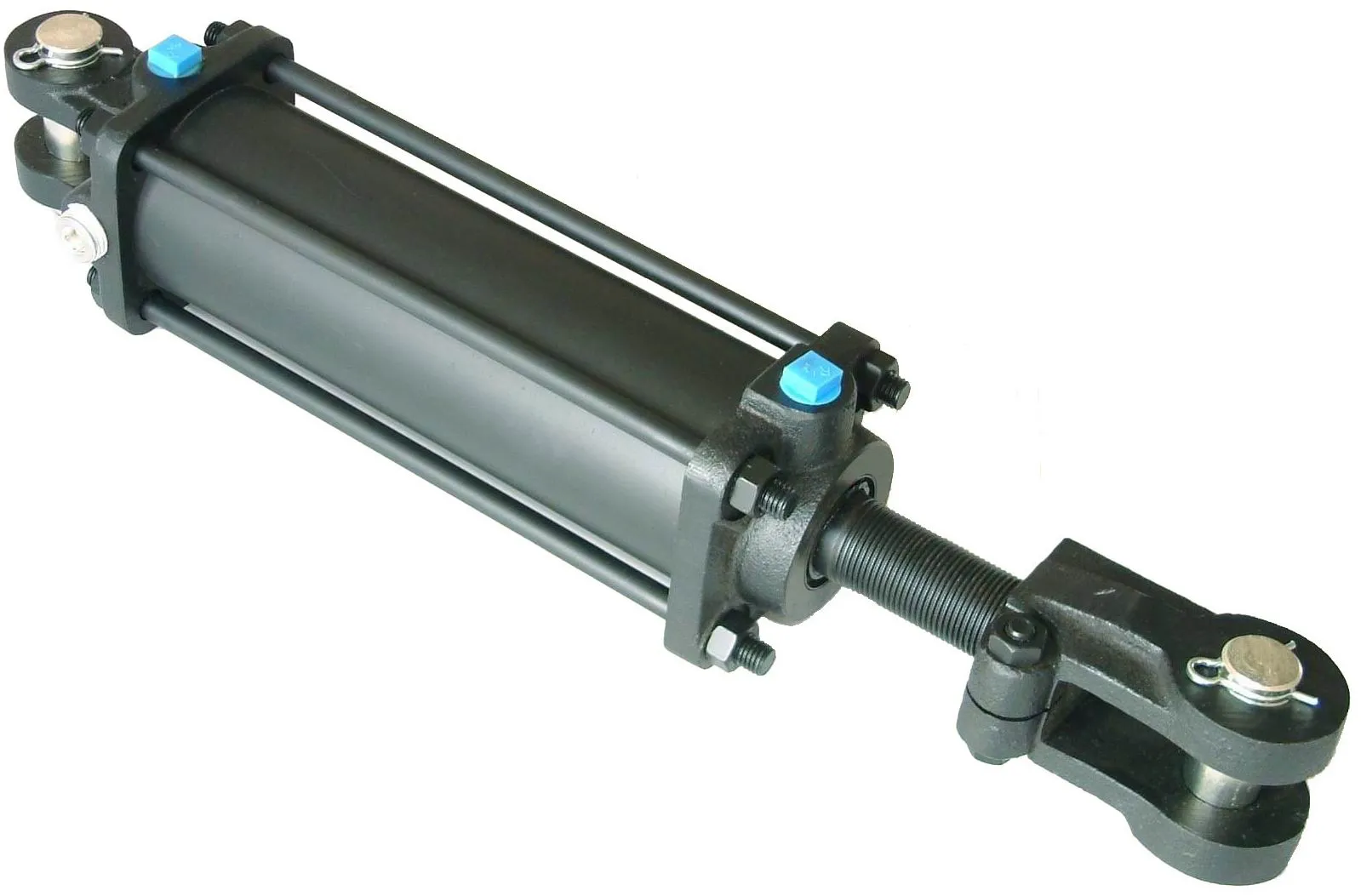
In the world of construction machinery and equipment, hydraulic cylinders play a crucial role in providing the necessary power for various operations. These cylinders are essential components that convert hydraulic energy into mechanical force, enabling linear motion to perform tasks effectively.
Working Principle
Hydraulic cylinders utilize hydraulic oil and pressure to generate linear motion. The basic components involved in the operation include pistons, cylinders, rods, seals, and hydraulic fluids. When pressure is applied, the piston moves within the cylinder, creating the necessary force to perform work efficiently.
Types of Hydraulic Cylinders
There are several types of hydraulic cylinders used in the construction industry, each with unique characteristics and applications:
1. Telescopic Cylinders
Telescopic cylinders are commonly used in construction equipment that requires varying stroke lengths. They are ideal for applications where space is limited and precise positioning is crucial.
2. Double Acting Cylinders
Double acting cylinders provide force in both directions, making them versatile for a wide range of construction tasks. They are known for their reliability and consistent performance.
3. Single Acting Cylinders
Single acting cylinders operate in one direction only, making them suitable for applications where force needs to be applied in a specific direction. They are cost-effective and easy to maintain.
Advantages of Hydraulic Cylinders in Construction Machinery
Using hydraulic cylinders in construction equipment offers several benefits that enhance productivity, efficiency, and safety:
1. High Power Density
Hydraulic cylinders provide high power output in a compact design, allowing construction machinery to perform heavy-duty tasks efficiently.
2. Precise Control
Hydraulic systems offer precise control over the movement of equipment, leading to accurate positioning and improved performance.
3. Compact Design
The compact size of hydraulic cylinders allows for easy integration into construction machinery, optimizing space and enhancing overall functionality.
4. Handling Heavy Loads
Hydraulic cylinders can handle heavy loads with ease, making them ideal for construction applications that require lifting and moving large objects.
5. Improved Safety
By providing reliable and stable operation, hydraulic cylinders contribute to a safer working environment for construction workers, minimizing the risk of accidents.
Applications of Hydraulic Cylinders in Construction Equipment
Hydraulic cylinders are used in various construction machines such as excavators, loaders, cranes, and bulldozers, improving their performance and functionality:
1. Excavators
In excavators, hydraulic cylinders enable precise digging and lifting of heavy materials, enhancing the efficiency of construction projects.
2. Loaders
Loaders equipped with hydraulic cylinders can efficiently move materials and handle challenging terrain, increasing productivity on construction sites.
3. Cranes
Hydraulic cylinders in cranes ensure smooth and controlled lifting operations, contributing to the safety and reliability of construction tasks.
4. Bulldozers
Hydraulic cylinders play a vital role in the blade movement of bulldozers, allowing for precise leveling and shaping of land surfaces during construction activities.
Design Considerations for Construction Hydraulic Cylinders
When designing hydraulic cylinders for construction applications, several factors need to be taken into consideration to ensure optimal performance:
1. Load Capacity
The hydraulic cylinder must be able to withstand the maximum load it will be subjected to during operation without failure.
2. Stroke Length
The stroke length of the cylinder should be appropriate for the specific task it needs to perform, ensuring efficient and effective operation.
3. Pressure Rating
The cylinder’s pressure rating should match the hydraulic system’s requirements to maintain safe and reliable performance under varying conditions.
4. Rod Diameter
The diameter of the rod affects the cylinder’s strength and stability, so it should be selected based on the expected loads and operating conditions.
5. Installation
Proper installation of the hydraulic cylinder is crucial for its functionality and longevity, ensuring that it operates smoothly and efficiently in construction machinery.
Maintenance of Construction Hydraulic Cylinders
Regular maintenance is essential to ensure the optimal performance and longevity of hydraulic cylinders in construction equipment:
1. Cleaning
Keeping the hydraulic cylinder clean from dirt and debris prevents contamination and ensures smooth operation during use.
2. Lubrication
Regular lubrication of moving parts reduces friction and wear, prolonging the life of the hydraulic cylinder and maintaining its efficiency.
3. Checking Wear
Regularly inspecting the cylinder for signs of wear and tear allows for timely replacement of components, preventing costly repairs and downtime.
Fault Diagnosis and Troubleshooting
When hydraulic cylinders experience issues, proper diagnosis and troubleshooting are essential to identify and resolve common problems:
1. Leakage
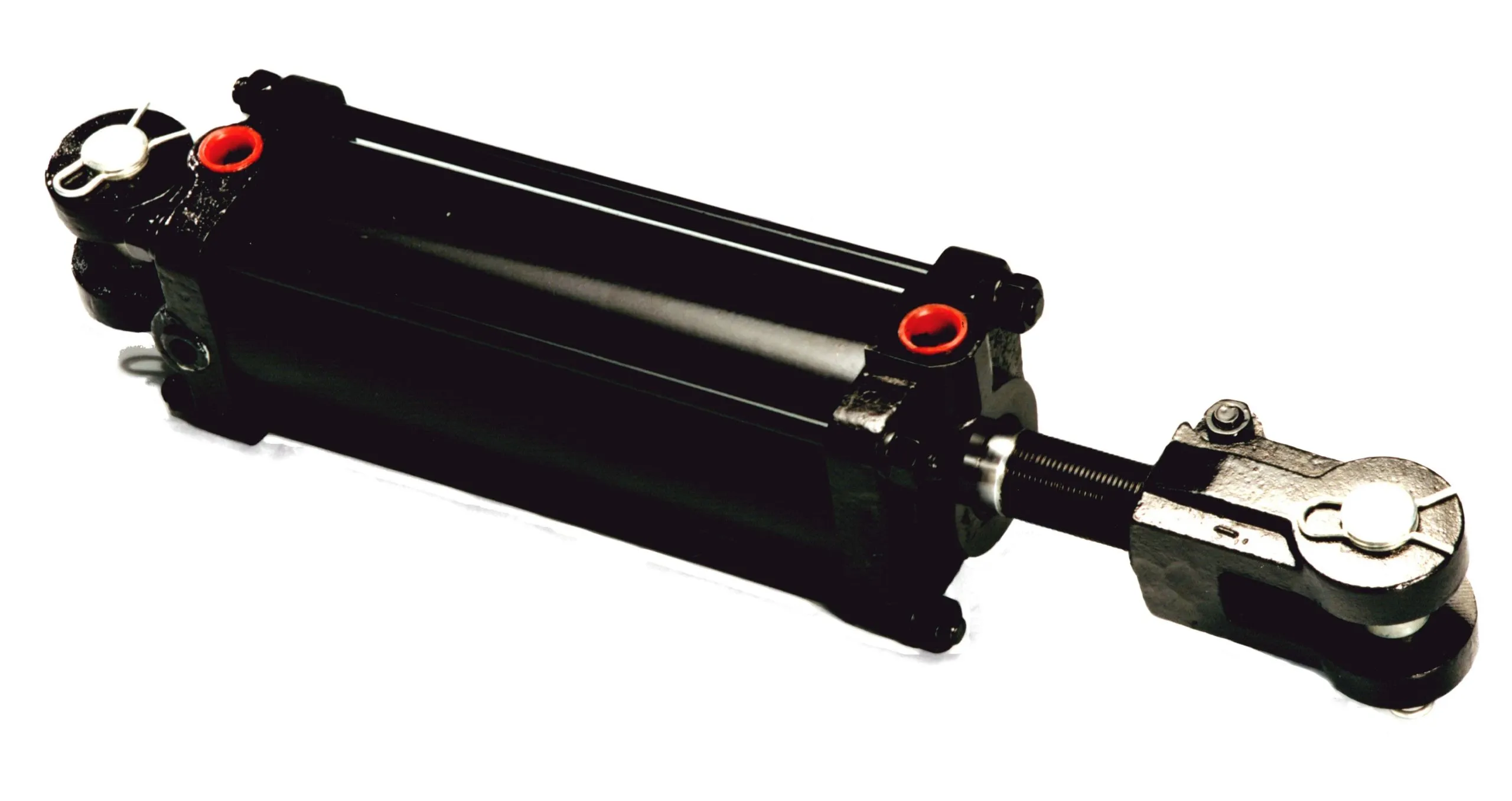
If the hydraulic cylinder is leaking fluid, check for damaged seals or connections and replace them as needed to prevent further loss of hydraulic oil.
2. Slow Operation
If the cylinder operates slowly, inspect the hydraulic system for clogs or blockages that may be impeding fluid flow, and clear them to restore normal operation.
3. Uneven Movement
If the cylinder moves unevenly, check for misalignment or binding of components and adjust or replace them to ensure smooth and consistent operation.
FAQs about Construction Hydraulic Cylinders
Here are some common questions related to construction hydraulic cylinders:
1. How to Choose the Right Construction Hydraulic Cylinder?
When selecting a hydraulic cylinder for construction applications, consider factors such as load capacity, stroke length, and pressure rating to ensure compatibility and optimal performance.
2. Explore the Factors for Selection of Construction Hydraulic Cylinder
Factors such as operating conditions, environmental factors, and maintenance requirements should be considered when choosing a hydraulic cylinder for construction machinery to ensure reliability and efficiency.
3. What are the Benefits of Using Hydraulic Cylinders in Construction?
Hydraulic cylinders offer high power density, precise control, and compact design, allowing for improved productivity, efficiency, and safety in construction operations.
Long Tail Keywords for Construction Hydraulic Cylinder
Here are three long tail keywords related to construction hydraulic cylinders:
1. “Hydraulic Cylinder Replacement Parts”
2. “Custom Hydraulic Cylinder Design”
3. “Hydraulic Cylinder Maintenance Services”
Our Company
We are a leading hydraulic cylinder replacement manufacturer, offering a complete product line for construction machinery and equipment. With international certifications and customized services, we ensure high-quality products and reliable after-sales support to meet the needs of our customers worldwide.
Author: lyl