
Understanding Hydraulic Cylinders for Construction Hydraulic Systems
Introduction
Hydraulic cylinders play a crucial role in construction machinery and equipment, providing the necessary force to move heavy loads and perform various tasks. These cylinders are essential components in hydraulic systems, utilizing hydraulic oil and pressure to produce linear motion.
Components and Mechanisms
Hydraulic cylinders consist of pistons, cylinders, rods, seals, and hydraulic fluids. When hydraulic oil is pressurized, it pushes the piston, which in turn moves the rod, creating linear motion. Seals ensure that the hydraulic fluid remains contained within the cylinder, allowing for smooth operation.
Types of Hydraulic Cylinders
There are various types of hydraulic cylinders used in the construction industry, each with its own unique characteristics. Telescopic cylinders, double acting cylinders, and single acting cylinders are commonly used examples, each serving specific purposes and applications.
Advantages of Hydraulic Cylinders in Construction Machinery
- High power density
- Precise control
- Compact design
- Ability to handle heavy loads
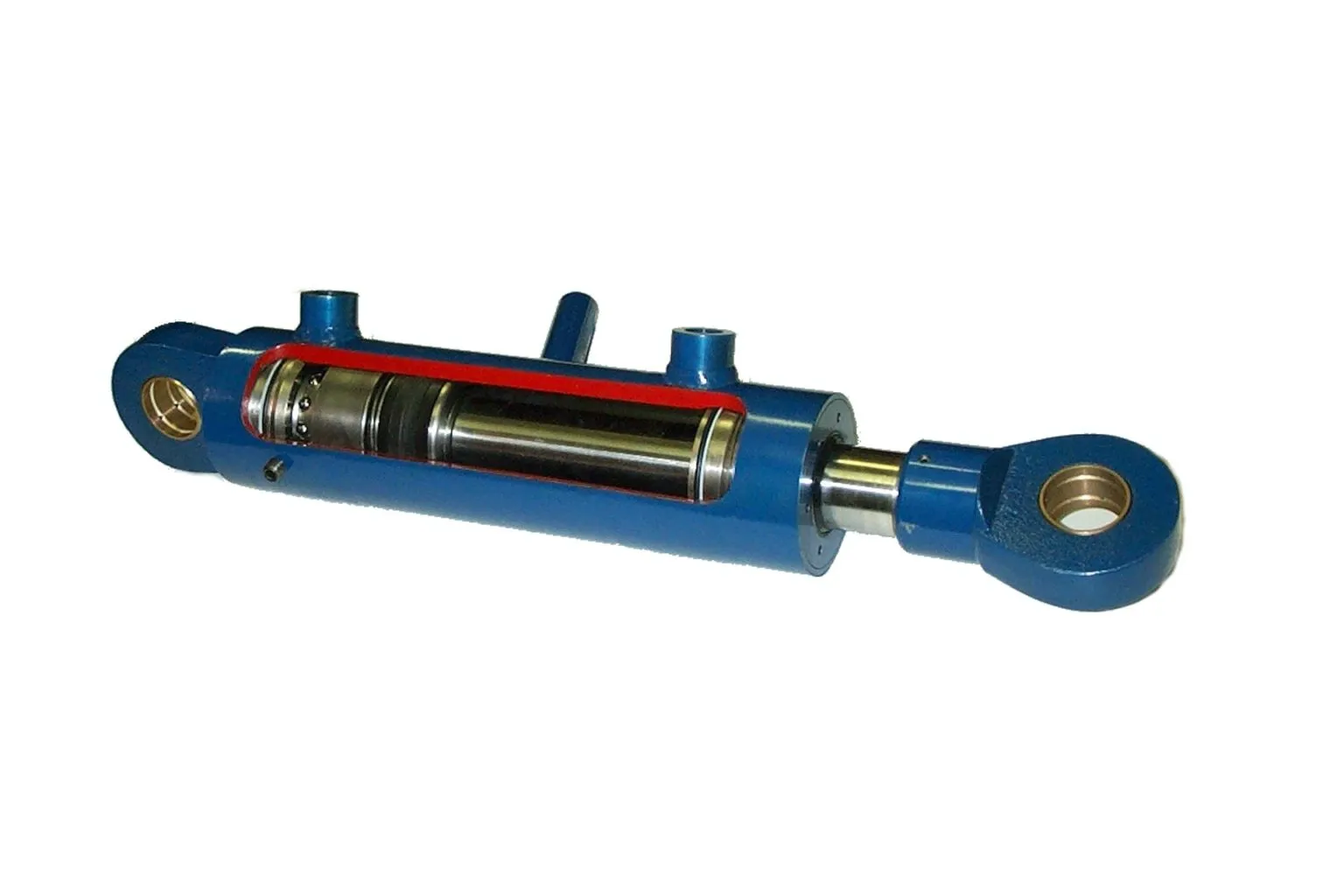
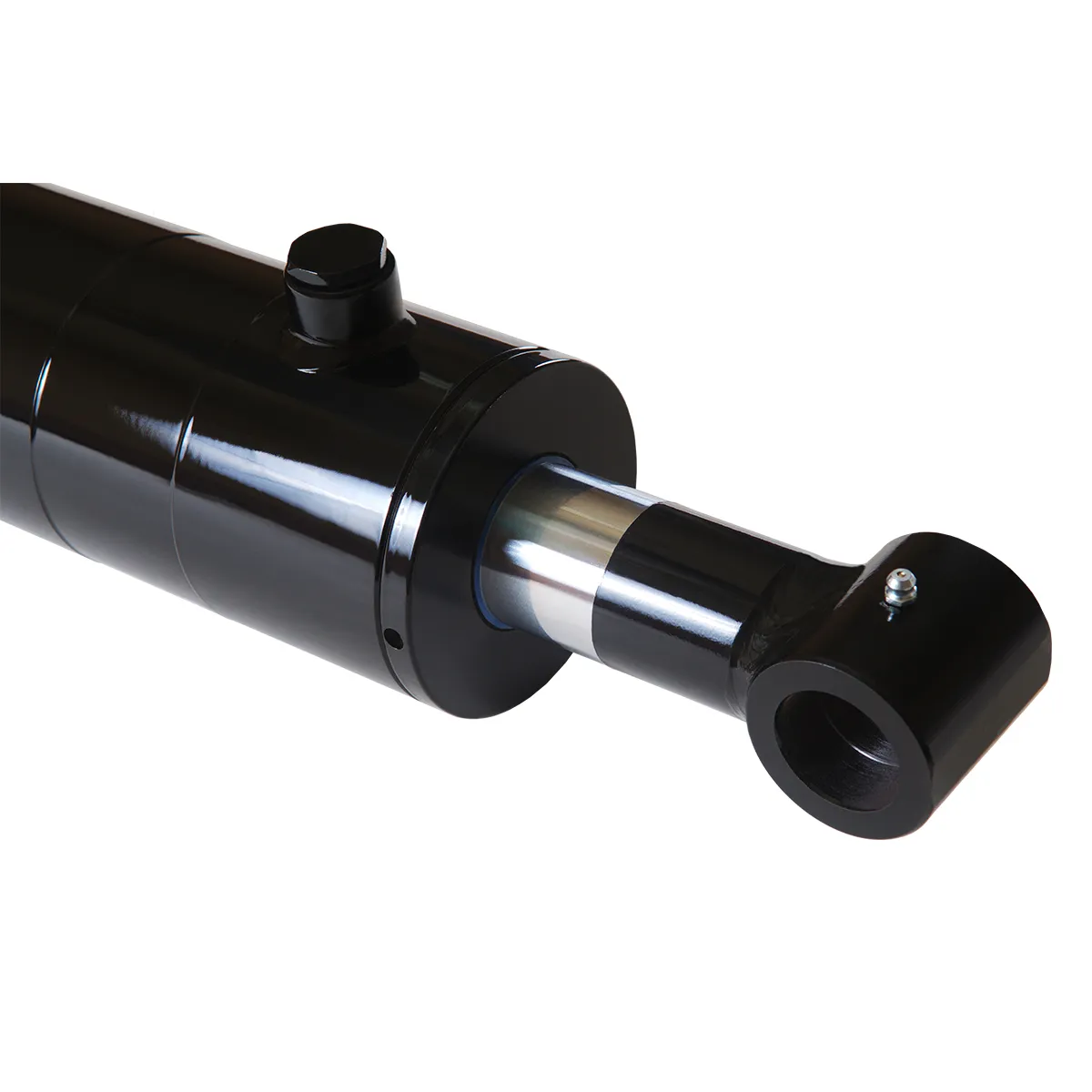
Hydraulic cylinders offer several benefits in construction machinery, improving productivity, efficiency, and safety in construction operations.
Applications of Hydraulic Cylinders in Construction Equipment
Hydraulic cylinders are utilized in various construction equipment such as excavators, loaders, cranes, and bulldozers, enhancing the performance and functionality of these machines.
Design Considerations
When designing hydraulic cylinders for construction applications, factors such as load capacity, stroke length, pressure rating, rod diameter, and installation must be carefully considered. Additionally, materials, coatings, and corrosion protection play a vital role in ensuring durability and longevity.
Maintenance of Hydraulic Cylinders
Regular maintenance is essential to ensure optimal performance and service life of hydraulic cylinders in construction equipment. Cleaning, lubrication, and checking for wear are key maintenance tasks that should be performed regularly.
Fault Diagnosis and Troubleshooting
Common problems in hydraulic cylinders may include leaks, insufficient pressure, or cylinder drift. Proper diagnosis and troubleshooting techniques can help effectively identify and resolve these issues.
Choosing the Right Hydraulic Cylinder
Exploring factors that should be considered when selecting hydraulic cylinders for construction applications is crucial to ensuring optimal performance and compatibility with specific equipment requirements.
Our Company
We are a leading hydraulic cylinder replacement manufacturer, offering a complete product line for domestic and international markets. With professional services, international certifications, customized solutions, advanced production equipment, and reliable after-sales support, we are dedicated to meeting the needs of our customers.
Author: lyl