
The Importance of Hydraulic Cylinders for Construction Pile Drivers
Introduction
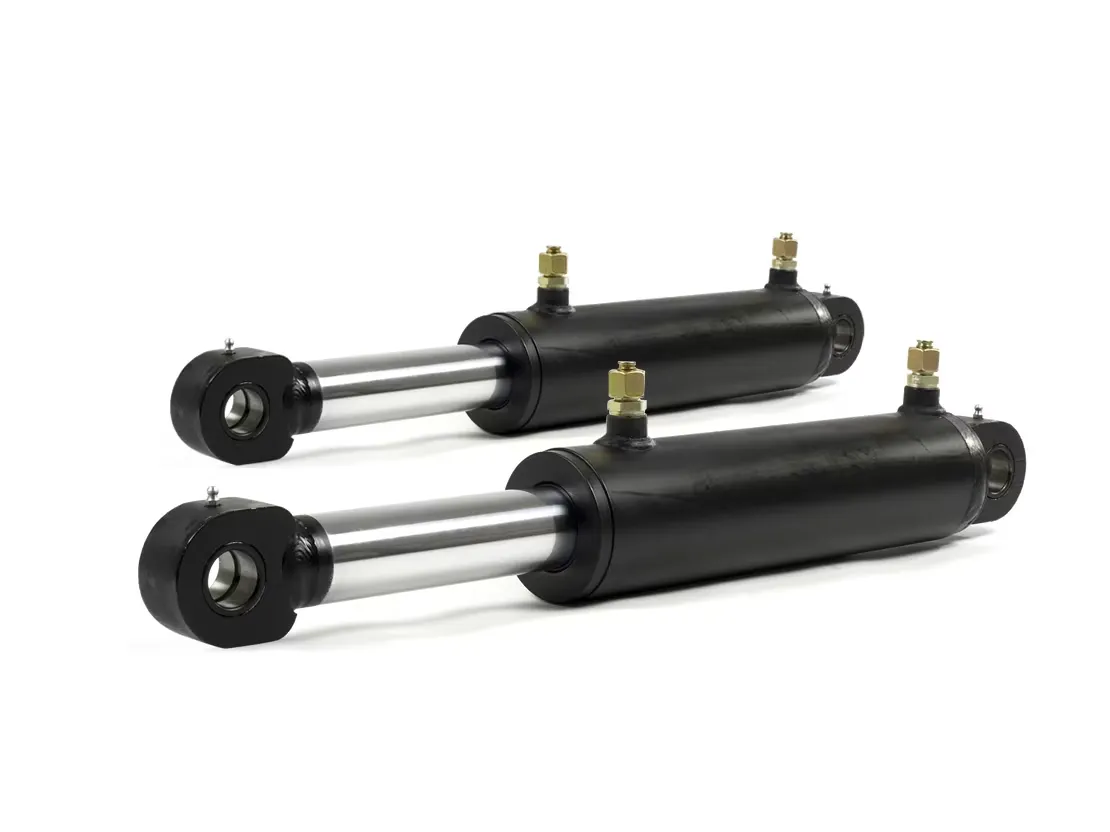
Hydraulic cylinders play a crucial role in the operation of construction machinery, especially in pile drivers. These cylinders are essential components that convert hydraulic energy into linear motion, allowing pile drivers to exert the necessary force to drive piles into the ground effectively.
Working Principle of Hydraulic Cylinders
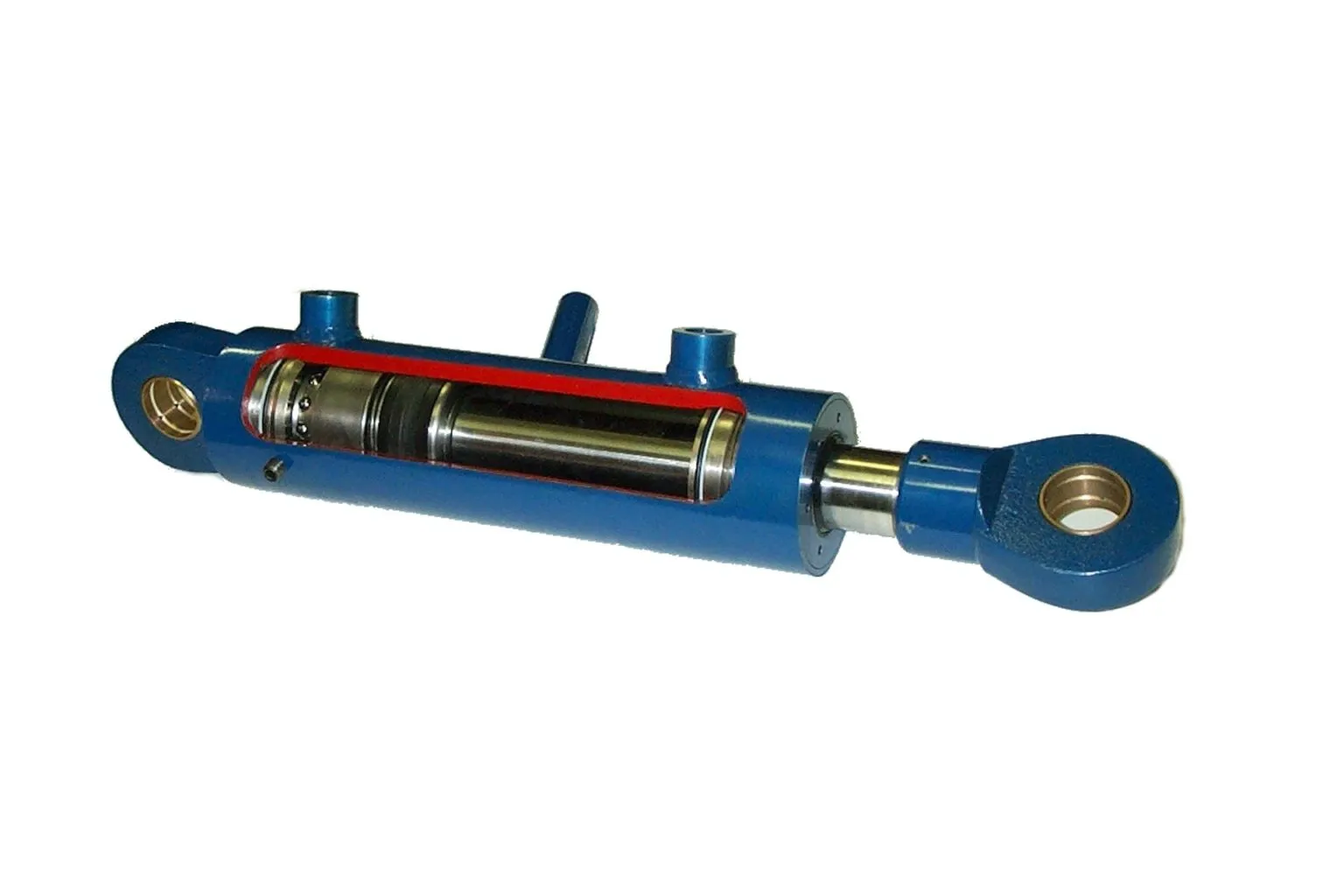
Hydraulic cylinders utilize hydraulic oil and pressure to generate linear motion. The key components involved in this process include pistons, cylinders, rods, seals, and hydraulic fluids. When hydraulic fluid is pumped into the cylinder, it pushes the piston, which in turn moves the rod, creating the desired linear motion.
Types of Hydraulic Cylinders
Telescopic Cylinders
Telescopic cylinders are commonly used in pile drivers due to their ability to provide long strokes while maintaining a compact design. These cylinders are ideal for applications that require varying stroke lengths.
Double Acting Cylinders
Double acting cylinders allow for force to be applied in both directions, making them suitable for pile driving applications where bidirectional force is needed.
Single Acting Cylinders
Single acting cylinders exert force in one direction only, making them a cost-effective option for straightforward pile driving operations.
Advantages of Using Hydraulic Cylinders
- High power density
- Precise control
- Compact design
- Ability to handle heavy loads
- Improved productivity, efficiency, and safety
Applications of Hydraulic Cylinders in Construction Equipment
Hydraulic cylinders are extensively used in various construction equipment, such as excavators, loaders, cranes, bulldozers, etc. These cylinders enhance the performance of these machines by providing the necessary force and control for efficient operation.
Design Considerations for Construction Hydraulic Cylinders
When designing hydraulic cylinders for construction applications, factors such as load capacity, stroke length, pressure rating, rod diameter, and installation must be carefully considered. Additionally, selecting durable materials and coatings is essential to ensure longevity in challenging construction environments.
Maintenance of Construction Hydraulic Cylinders
Regular maintenance is crucial to ensure optimal performance and longevity of hydraulic cylinders. Cleaning, lubrication, and checking for wear are essential tasks that should be performed routinely to prevent breakdowns and ensure smooth operation.
Installation Guide for Construction Hydraulic Cylinders
Proper installation of hydraulic cylinders is vital for their efficient operation. Follow manufacturer guidelines and ensure all components are securely connected and aligned to prevent leaks or malfunctions.
Fault Diagnosis and Common Problems
Common issues with hydraulic cylinders include leaks, insufficient pressure, and faulty seals. Proper troubleshooting techniques and regular inspections can help identify and resolve these problems effectively.
Questions Related to Hydraulic Cylinders for Construction Pile Drivers
1. How to choose the right construction hydraulic cylinder for pile drivers?
2. What factors should be considered when selecting hydraulic cylinders for pile driving applications?
3. How can construction companies ensure the optimal performance of hydraulic cylinders in pile drivers?
Long Tail Keywords for Construction Hydraulic Cylinders
1. High-strength hydraulic cylinders for construction pile drivers
2. Customized hydraulic cylinders for efficient pile driving operations
3. Reliable hydraulic cylinder replacement options for construction equipment
Our Company
We are a leading hydraulic cylinder replacement manufacturer with a comprehensive product line. Our company has established itself as a trusted supplier in both domestic and international markets, offering high-quality hydraulic cylinders for various construction applications. We provide professional, customized services, and prioritize customer satisfaction through our after-sales support and reliable production equipment.
Author: lyl