
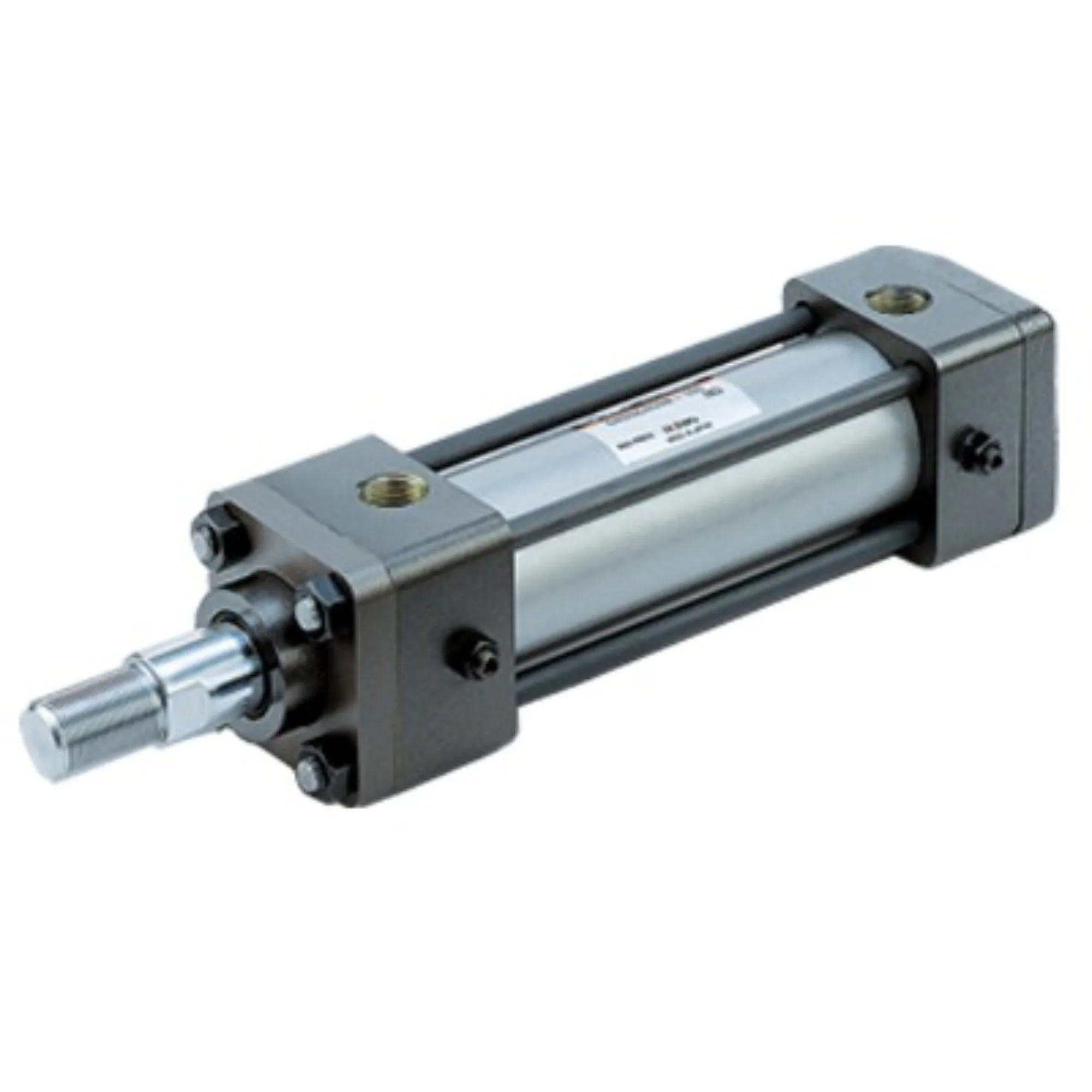
Exploring the Role of Hydraulic Cylinders in Construction Machinery
Understanding Hydraulic Cylinders
Hydraulic cylinders are essential components in construction machinery and equipment, providing the necessary force to move heavy loads with precision and control. These devices use hydraulic oil and pressure to generate linear motion, making them ideal for applications where high power density and accurate movement are required.
Components and Mechanisms
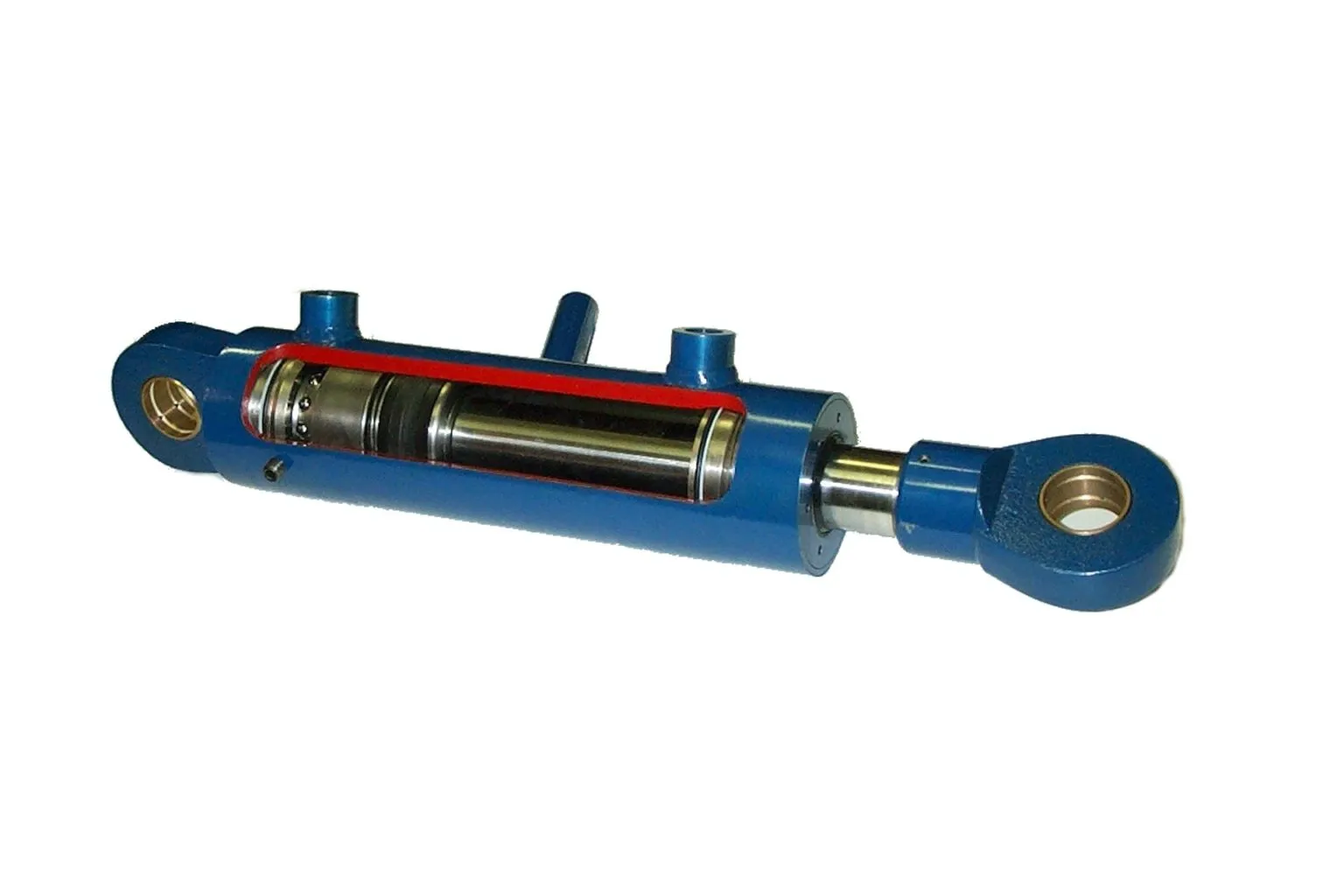
Hydraulic cylinders consist of key components such as pistons, cylinders, rods, seals, and hydraulic fluids. When hydraulic oil is pressurized, it acts on the piston inside the cylinder, creating a force that moves the rod in a linear direction. Seals prevent leakage of the hydraulic fluid, ensuring efficient operation.
Types of Hydraulic Cylinders
- Telescopic Cylinders: Provide extended reach for applications requiring variable stroke lengths.
- Double Acting Cylinders: Can exert force in both directions for versatile use in construction equipment.
- Single Acting Cylinders: Operate in one direction, ideal for applications where force is required in one direction only.
Each type of hydraulic cylinder offers unique advantages and characteristics that cater to specific construction tasks and machinery.
Benefits of Hydraulic Cylinders in Construction
- High Power Density: Enables the handling of heavy loads with minimal space requirements.
- Precise Control: Allows operators to accurately position equipment for efficient operation.
- Compact Design: Fits seamlessly into construction machinery for streamlined performance.
Applications in Construction Equipment
Hydraulic cylinders are integral to various construction machines, including excavators, loaders, cranes, bulldozers, and more. They enhance performance by providing the necessary force and control for efficient operation.
Design Considerations and Maintenance
When designing hydraulic cylinders for construction applications, factors such as load capacity, stroke length, pressure rating, rod diameter, and installation must be carefully considered. Regular maintenance is crucial to ensure optimal performance and longevity.
Installation Guide and Maintenance Tasks
Proper installation of hydraulic cylinders is essential for efficient operation. Maintenance tasks such as cleaning, lubrication, and wear checks should be performed regularly to prevent issues and prolong the service life of the equipment.
Fault Diagnosis and Troubleshooting
Common problems with hydraulic cylinders may include leaks, seal damage, or piston malfunctions. By diagnosing these issues early on, operators can implement appropriate solutions to maintain the equipment’s functionality.
Key Questions About Hydraulic Cylinders
- How to Choose the Right Construction Hydraulic Cylinder?
- Exploring Factors for Selecting Construction Hydraulic Cylinders
Long Tail Keywords for Construction Hydraulic Cylinder
- High-Quality Hydraulic Cylinders for Construction Machinery
- Customized Hydraulic Cylinder Solutions for Scaffolding Systems
- Efficient Hydraulic Cylinder Designs for Construction Equipment
Our Company
We are a leading hydraulic cylinder replacement manufacturer, offering a comprehensive product line tailored to the needs of construction scaffolding systems. With international certifications, customized services, state-of-the-art production equipment, and dedicated after-sales support, we strive to deliver top-quality hydraulic solutions to our domestic and global clientele.
Author: lyl