
Understanding Hydraulic Cylinders in Industrial Environments
Hydraulic cylinders play a crucial role in various industrial applications, providing efficient power transmission and control in machinery and equipment. These devices convert fluid power into linear mechanical force, making them essential components in hydraulic systems.
Key Components and Structure
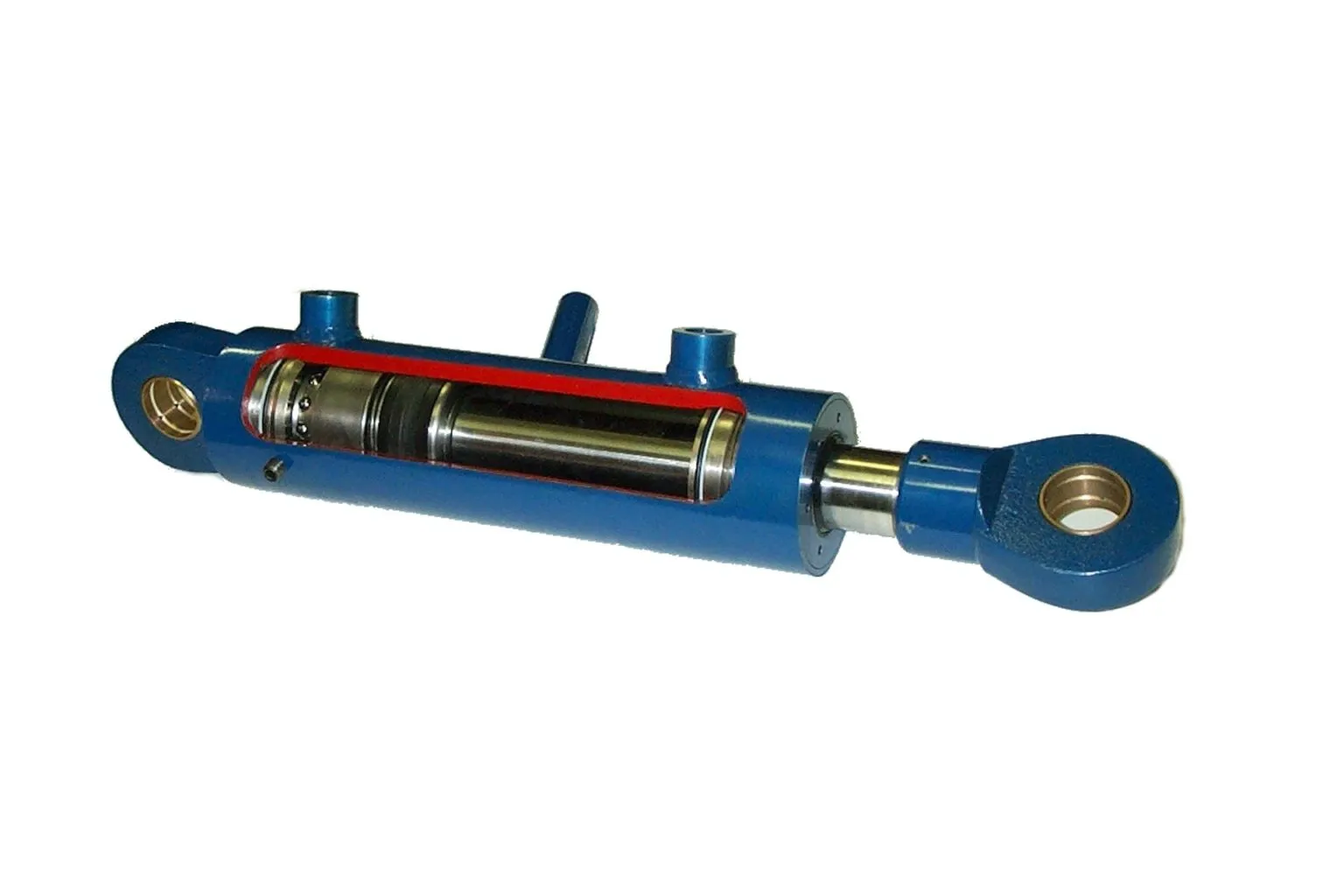
- Cylinder Barrel
- Piston
- Rod
- Seals
Each component plays a vital role in the overall functionality of the hydraulic cylinder, ensuring smooth operation and reliable performance.
Principle of Operation
The operation of a hydraulic cylinder is based on Pascal’s law, which states that when pressure is applied to a confined fluid, it exerts equal pressure in all directions. This principle allows hydraulic cylinders to generate linear motion with minimal effort, making them highly efficient in industrial settings.
Types of Hydraulic Cylinders
There are several types of hydraulic cylinders commonly used in industrial applications, each with unique characteristics and advantages:
Single Acting Cylinder
Single acting cylinders utilize hydraulic pressure to extend the piston, with an external force (such as a spring) retracting it. These cylinders are ideal for applications where one-way movement is required, such as in dump trucks.
Double Acting Cylinder
Double acting cylinders can apply force in both directions, allowing for precise control over the motion of the piston. These cylinders are commonly used in manufacturing equipment and construction machinery.
Telescopic Cylinder
Telescopic cylinders consist of multiple nested stages that extend and retract, providing a long stroke length in a compact design. These cylinders are often used in boom lifts and dump trailers.
Differential Cylinder
Differential cylinders feature varying piston diameters, allowing for different speeds and forces in each direction. These cylinders are suitable for applications requiring precise control over speed and force, such as in robotics.
Advantages of Industrial Hydraulic Cylinders
Industrial hydraulic cylinders offer several advantages, including:
- High Power Density
- Precision Control
- Reliable Performance
- Compact Design
- High Efficiency
Application in Various Industries
Hydraulic cylinders are widely used in the following industries:
Manufacturing
In manufacturing plants, hydraulic cylinders are utilized in assembly lines, robotic arms, and material handling equipment to enhance efficiency and productivity.
Construction
Construction machinery such as excavators, cranes, and bulldozers rely on hydraulic cylinders for lifting, pushing, and digging operations, ensuring smooth and precise movement on job sites.
Mining
In the mining industry, hydraulic cylinders are essential in heavy equipment like drilling rigs and shovels, providing the necessary force for excavation and material handling.
Agriculture
Agricultural machinery such as tractors, harvesters, and irrigation systems utilize hydraulic cylinders for various tasks, including plowing, planting, and irrigation control.
Other Industrial Sectors
Hydraulic cylinders find applications in a wide range of industrial sectors, including automotive, aerospace, and marine, demonstrating their versatility and reliability in diverse environments.
Selecting the Right Hydraulic Cylinder
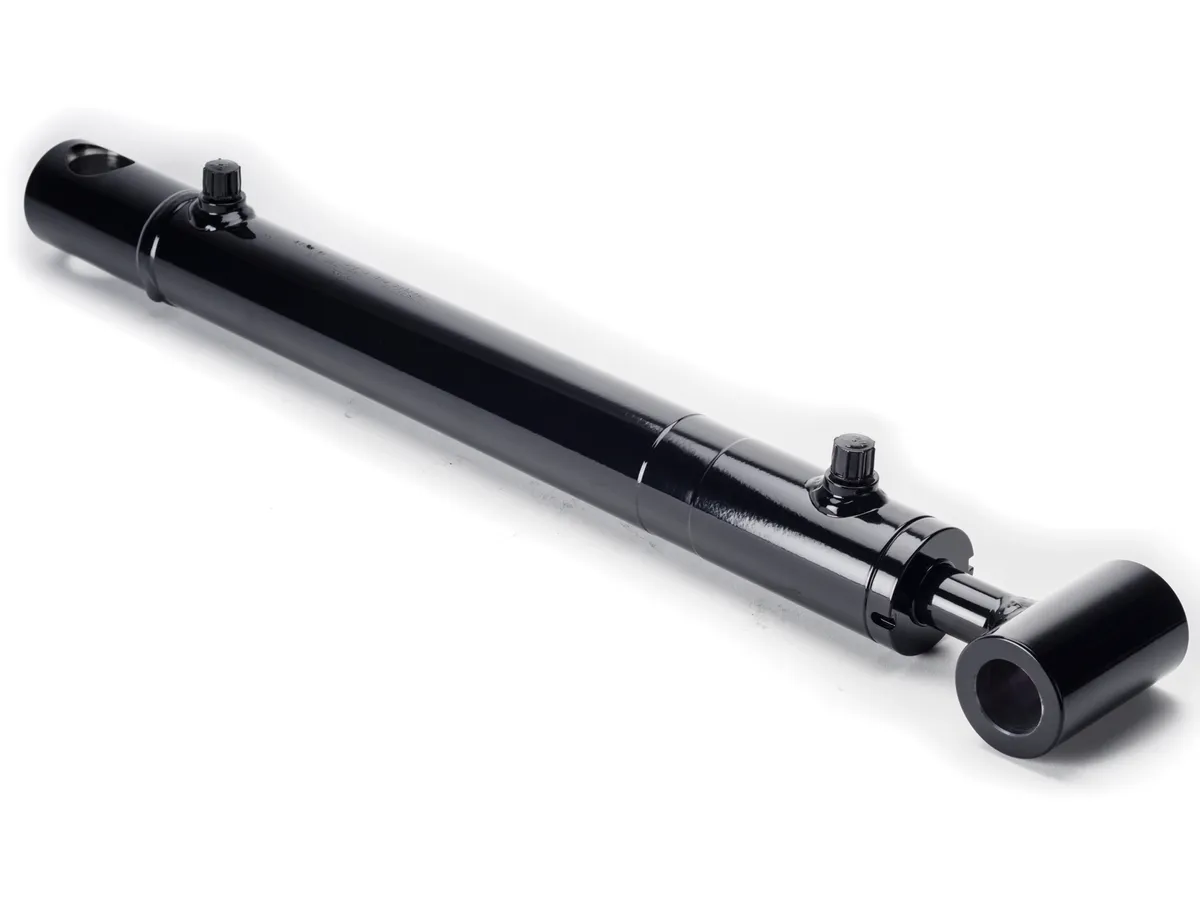
When choosing an industrial hydraulic cylinder for a specific application, factors such as load capacity, stroke length, bore size, and operating environment must be considered to ensure optimal performance and longevity.
Maintenance and Care
Regular maintenance of hydraulic cylinders is essential to prevent breakdowns and ensure smooth operation. Inspection, lubrication, and cleaning are key practices to extend the service life of hydraulic cylinders and maintain their efficiency.
Installation Guide
Proper installation of hydraulic cylinders is crucial for their performance and safety. Following manufacturer guidelines and using correct mounting hardware are essential steps to ensure the longevity and reliability of hydraulic systems.
Maintenance Tasks
Common maintenance tasks for hydraulic cylinders include:
Cleaning
Regular cleaning of hydraulic components prevents contamination and ensures smooth operation.
Lubrication
Applying the right lubricant to moving parts reduces friction and wear, extending the life of hydraulic cylinders.
Checking Wear
Periodic inspection of seals and components helps identify wear and potential issues before they lead to system failure.
Fault Diagnosis and Solutions
When hydraulic cylinders experience problems such as leakage or erratic movement, diagnosing the root cause and implementing timely solutions are critical to prevent further damage and maintain operational efficiency.
Preventive Measures
To minimize potential issues and optimize the performance of hydraulic cylinders, implementing preventive measures such as regular inspections, proper lubrication, and system monitoring can enhance reliability and longevity.
Choosing the Right Hydraulic Cylinder
Exploring factors like load requirements, operating conditions, and compatibility with existing systems is essential when selecting an industrial hydraulic cylinder to ensure seamless integration and optimal performance.
Long-Tail SEO Articles
1. “Enhancing Industrial Efficiency with Hydraulic Cylinder Maintenance Strategies”
2. “Maximizing Productivity: The Role of Hydraulic Cylinders in Industrial Applications”
3. “Efficiency Unleashed: The Impact of Hydraulic Cylinders on Manufacturing Processes”
Company Spotlight
Our company is a leading hydraulic cylinder manufacturer and distributor, offering a comprehensive product line and tailored solutions for industrial applications. With a focus on quality, reliability, and customer satisfaction, we strive to exceed expectations and deliver superior hydraulic solutions worldwide.
Author: lyl