
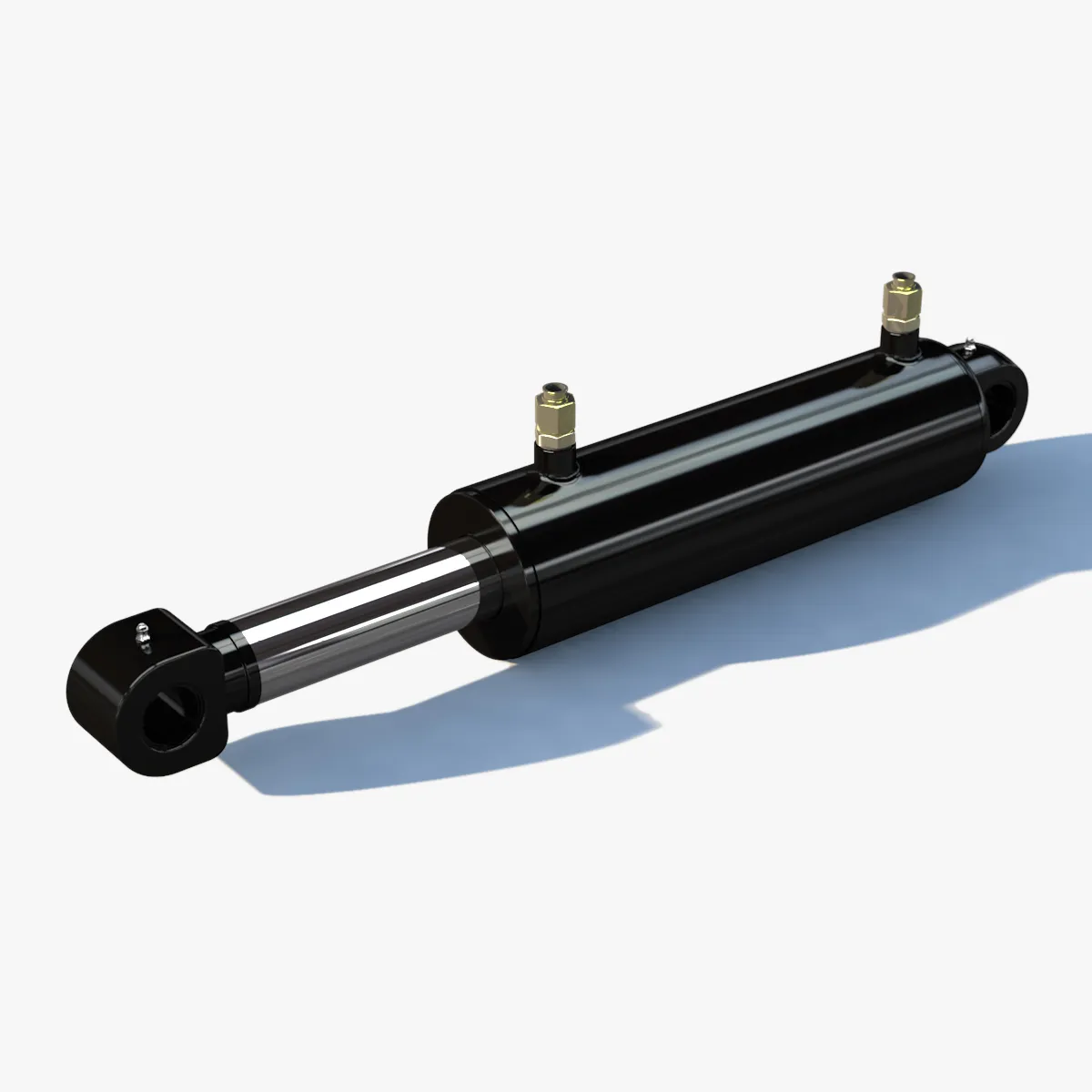
Hydraulic Cylinders in Industrial Environments
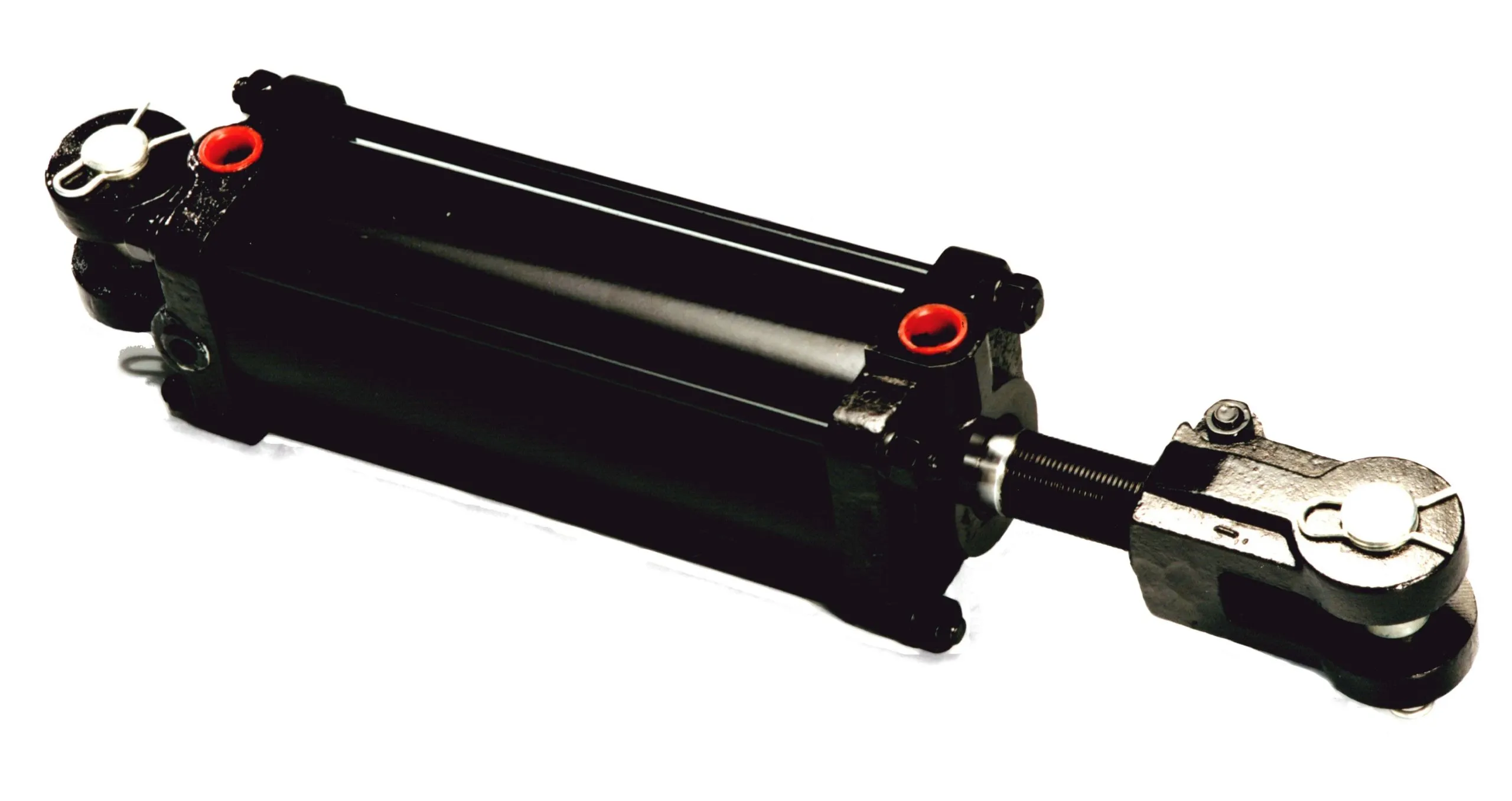
Hydraulic cylinders are essential components in various industrial applications, providing linear force through the use of pressurized hydraulic fluid. In industrial settings, these cylinders play a crucial role in powering machinery, equipment, and robotics.
Key Components and Structure
Hydraulic cylinders consist of key components such as a cylinder barrel, piston, piston rod, seals, and end caps. The cylinder barrel houses the piston and hydraulic fluid, while the piston rod connects the piston to the machinery being operated.
Control Cylinder Operation Overview
The operation of hydraulic cylinders is based on the principle of Pascal’s law, which states that a change in pressure applied to a confined fluid is transmitted undiminished throughout the fluid. When hydraulic fluid is pressurized, it exerts force on the piston, causing linear motion.
Types of Hydraulic Cylinders
1. Single Acting Cylinders
Single acting cylinders use hydraulic pressure to extend the piston, with an external force (such as gravity or a spring) retracting it. These cylinders are commonly used in applications where only one direction of force is required.
2. Double Acting Cylinders
Double acting cylinders use hydraulic pressure to extend and retract the piston, providing force in both directions. These cylinders are versatile and widely used in industrial machinery and equipment.
3. Telescopic Cylinders
Telescopic cylinders consist of multiple nested stages that allow for a longer stroke length in a compact design. These cylinders are used in applications where space is limited.
4. Differential Cylinders
Differential cylinders have different effective areas on each side of the piston, allowing for varying speeds of extension and retraction. These cylinders are used in applications requiring precise control of movement.
Top Five Advantages of Industrial Hydraulic Cylinders
- High force output
- Precision control
- Compact design
- Reliable performance
- Long service life
Industries Using Hydraulic Cylinders
Industrial hydraulic cylinders are widely used in manufacturing, construction, mining, agriculture, and robotics industries. In manufacturing, hydraulic cylinders power presses and assembly lines, while in construction, they operate heavy machinery such as cranes and excavators.
Selecting the Right Hydraulic Cylinder
When choosing an industrial hydraulic cylinder, factors such as load capacity, stroke length, bore size, and mounting options should be considered. Matching the performance of the cylinder to the specific requirements of the application is essential for optimal operation.
Maintenance and Care
Regular maintenance of industrial hydraulic cylinders is crucial for ensuring optimal performance and longevity. Inspection, lubrication, and cleaning should be performed according to manufacturer recommendations to prevent issues and extend the service life of the cylinders.
Installation Guide
Proper installation of hydraulic cylinders is essential for safe and efficient operation. Follow manufacturer guidelines for mounting, alignment, and connection of hydraulic lines to ensure the cylinders function correctly.
Maintenance Tasks
- Cleaning: Remove dirt and debris from the cylinder to prevent contamination of the hydraulic fluid.
- Lubrication: Apply recommended lubricants to moving parts to reduce friction and wear.
- Checking Wear: Inspect seals, rods, and other components for signs of wear or damage that may affect performance.
Fault Diagnosis and Common Problems
Common issues with hydraulic cylinders include leaks, seal failure, and piston rod damage. Proper diagnosis of faults and timely repairs are essential to avoid downtime and costly repairs.
Preventive Measures
To minimize potential problems with industrial hydraulic cylinders, regular inspections, proper maintenance, and adherence to operational guidelines are key. Implementing preventive measures can help optimize performance and extend the life of the equipment.
Choosing the Right Hydraulic Cylinder
Factors to consider when selecting an industrial hydraulic cylinder include load requirements, operating conditions, space constraints, and compatibility with existing equipment. Choosing the right cylinder for the application is essential for achieving optimal performance.
Long-Tail Keywords and SEO Articles
Long-tail keywords related to industrial hydraulic cylinders include “high force hydraulic cylinders,” “precision control hydraulic cylinders,” and “compact design hydraulic cylinders.” SEO articles based on these keywords can focus on specific features and applications of each type of cylinder.
Company Introduction
Our company is a leading manufacturer and wholesale distributor of hydraulic cylinders, offering a complete product line for industrial applications. With a focus on quality, professional service, and customized solutions, we have established a strong presence in both domestic and international markets.
Author: lyl