
The Ultimate Guide to Industrial Hydraulic Cylinder Precision
Understanding Industrial Hydraulic Cylinder Precision
Industrial hydraulic cylinders are crucial components in various industrial applications, providing precise control and power in machinery and equipment. The term “precision” in the context of industrial hydraulic cylinders refers to the accuracy and reliability of their operation, ensuring smooth and efficient performance in industrial environments.
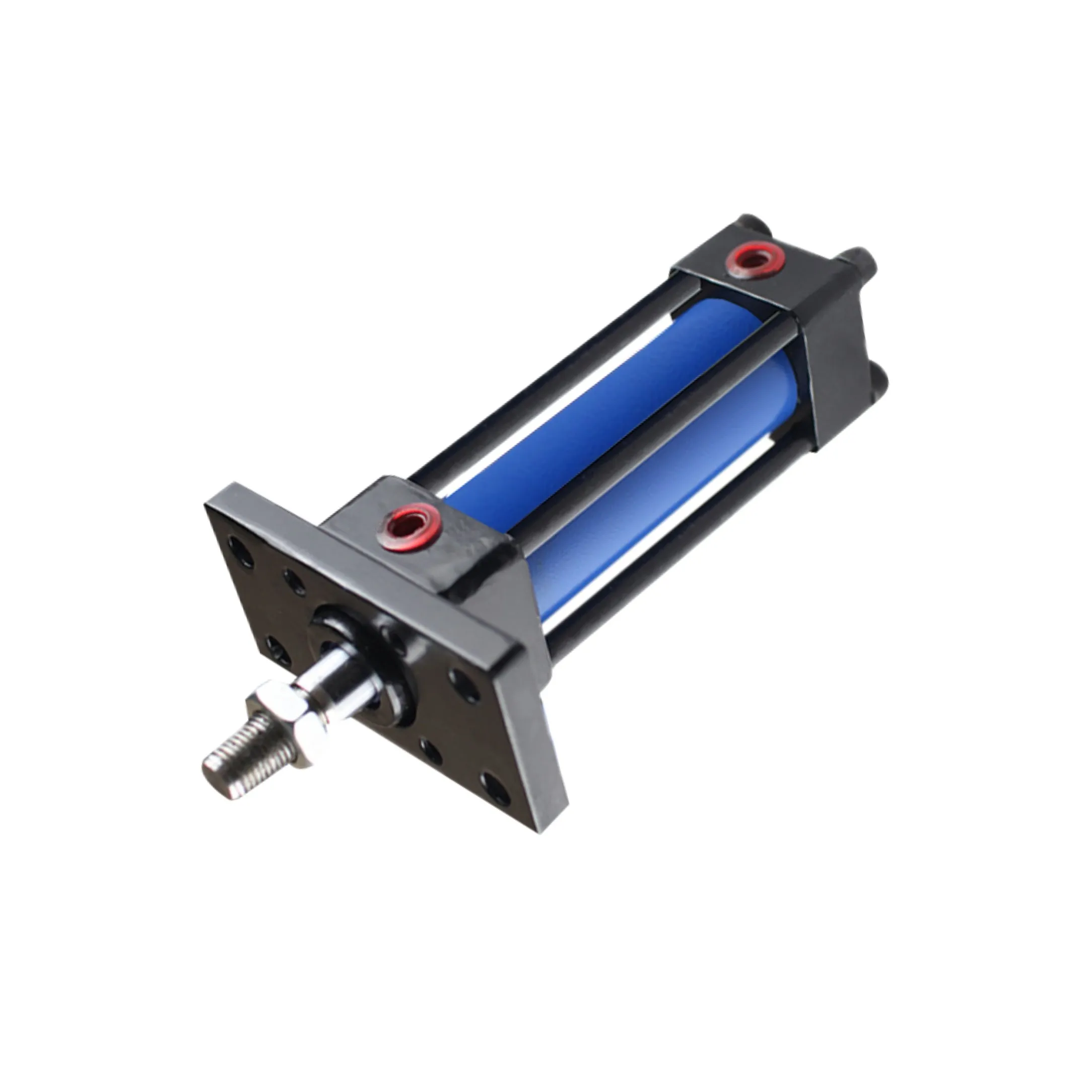
Hydraulic cylinders are mechanical actuators that are used to generate linear motion and force by utilizing hydraulic fluid pressure. These cylinders consist of a cylinder barrel, piston, piston rod, seals, and other key components that work together to convert fluid power into mechanical power.
The Basic Principle of Control Cylinder Operation
Control cylinder operation is based on the principle of Pascal’s law, which states that when pressure is applied to a confined fluid, the pressure is transmitted equally in all directions. In a hydraulic system, this principle allows for the transfer of force from one point to another with great precision and efficiency, making hydraulic cylinders ideal for a wide range of industrial applications.
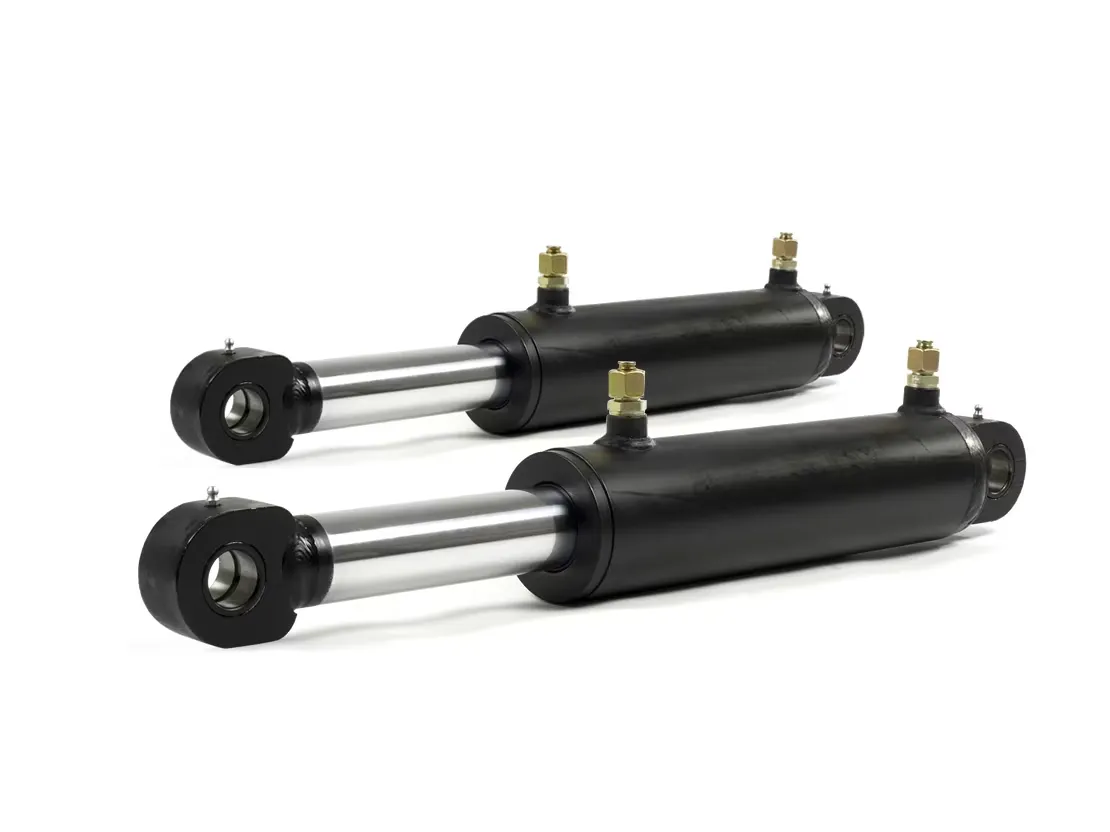
Types of Hydraulic Cylinders in Industrial Applications
1. Single Acting Hydraulic Cylinders
Single acting hydraulic cylinders operate in one direction, using hydraulic fluid to extend or retract the piston. These cylinders are commonly used in applications where a load needs to be lifted or pushed in a single direction, such as in dump trucks and agricultural equipment.
2. Double Acting Hydraulic Cylinders
Double acting hydraulic cylinders can apply force in both directions, allowing for precise control of movement and positioning. These cylinders are widely used in industrial machinery and construction equipment for tasks that require both pushing and pulling actions.
3. Telescopic Hydraulic Cylinders
Telescopic hydraulic cylinders consist of multiple nested stages that extend and retract to achieve varying stroke lengths. These cylinders are commonly used in applications where space is limited, such as in dump trailers and hydraulic lifts.
4. Differential Hydraulic Cylinders
Differential hydraulic cylinders use hydraulic pressure differentials to control movement and force. These cylinders are often used in applications that require precise speed and force control, such as in machine tools and presses.
The Top Five Advantages of Industrial Hydraulic Cylinder Precision
1. Enhanced Control: Industrial hydraulic cylinders provide precise control over motion and force, allowing for accurate positioning and movement in various applications.
2. High Efficiency: Hydraulic cylinders are highly efficient in converting hydraulic energy into mechanical power, resulting in reduced energy consumption and increased productivity.
3. Versatility: Hydraulic cylinders can be customized to suit specific industrial requirements, making them versatile solutions for a wide range of applications.
4. Durability: Industrial hydraulic cylinders are built to withstand harsh operating conditions, ensuring long-term reliability and performance in industrial environments.
5. Cost-Effective: Despite their advanced technology, hydraulic cylinders offer cost-effective solutions for industrial applications, providing a high return on investment over time.
Industries Where Industrial Hydraulic Cylinders Are Widely Used
1. Manufacturing Industry
In the manufacturing industry, hydraulic cylinders are used in various processes such as metal stamping, injection molding, and assembly lines to provide precise control and force for manufacturing operations.
2. Construction Industry
Construction equipment such as excavators, cranes, and bulldozers rely on hydraulic cylinders for lifting, pushing, and moving heavy loads on construction sites with precision and efficiency.
3. Mining Industry
In the mining industry, hydraulic cylinders are used in equipment such as hydraulic shovels, drills, and haul trucks to perform critical tasks like digging, drilling, and transporting materials in challenging mining environments.
4. Agriculture Industry
Agricultural machinery such as tractors, harvesters, and sprayers utilize hydraulic cylinders for tasks like plowing, harvesting, and spraying crops with accuracy and reliability to increase productivity in agricultural operations.
5. Other Industrial Sectors
Hydraulic cylinders are also widely used in industries such as aerospace, automotive, and marine for various applications that require precise control and power in challenging operating conditions.
Selecting the Right Industrial Hydraulic Cylinder
When selecting an industrial hydraulic cylinder for a specific application, factors such as load capacity, stroke length, bore size, operating pressure, and mounting options should be carefully considered to ensure optimal performance and efficiency in industrial operations.
By matching the performance characteristics of the hydraulic cylinder to the specific requirements of the application, users can maximize productivity, reduce downtime, and extend the service life of the equipment.
Maintenance and Care of Industrial Hydraulic Cylinders
Regular maintenance and care of industrial hydraulic cylinders are essential to ensure optimal performance and longevity. Inspecting, lubricating, and cleaning hydraulic cylinders on a scheduled basis can prevent premature wear and damage, leading to costly repairs and downtime.
Best practices for inspection, lubrication, and cleaning should be followed to maintain the efficiency and reliability of hydraulic cylinders in industrial applications.
Installation Guide for Industrial Hydraulic Cylinders
Proper installation of industrial hydraulic cylinders is critical to their performance and safety. Following manufacturer guidelines, using the correct mounting hardware, and aligning the cylinder properly are essential steps to ensure smooth operation and longevity of the equipment.
Maintenance Tasks for Industrial Hydraulic Cylinders
1. Cleaning
Regularly clean the exterior of the hydraulic cylinder to remove dirt, debris, and contaminants that can cause damage to the seals and components. Use a mild detergent and soft brush to clean the surface thoroughly.
2. Lubrication
Apply the recommended lubricant to the seals, piston rod, and other moving parts of the hydraulic cylinder to reduce friction and wear. Use a high-quality lubricant that is compatible with the hydraulic fluid used in the system.
3. Checking Wear
Inspect the seals, piston rod, and other critical components of the hydraulic cylinder for signs of wear, damage, or leaks. Replace worn seals and components promptly to prevent fluid leaks and system failure.
Fault Diagnosis and Common Problems
Common problems with industrial hydraulic cylinders include seal leaks, piston rod damage, fluid contamination, and cylinder misalignment. Proper diagnosis of these issues requires thorough inspection, testing, and troubleshooting to identify the root cause and implement effective solutions.
By addressing common problems promptly and implementing preventive measures, users can minimize downtime, reduce maintenance costs, and optimize the performance of industrial hydraulic cylinders in various applications.
Choosing the Right Industrial Hydraulic Cylinder
When selecting an industrial hydraulic cylinder, factors such as operating pressure, cylinder size, mounting options, and compatibility with the hydraulic system should be carefully considered to ensure optimal performance and reliability in industrial operations.
Exploring these factors in detail can help users make informed decisions and select the right hydraulic cylinder for their specific application requirements, leading to improved efficiency and productivity in industrial environments.
Long-Tail Keywords and SEO Articles
1. “Industrial Hydraulic Cylinder Precision Guide”: This SEO article delves into the importance of precision in industrial hydraulic cylinders and provides practical tips for selecting, maintaining, and troubleshooting these critical components for optimal performance.
2. “Maximizing Efficiency with Industrial Hydraulic Cylinders”: This SEO article explores how industrial hydraulic cylinders can enhance efficiency and productivity in various industrial applications, highlighting key features, benefits, and best practices for maximizing performance.
3. “Innovations in Industrial Hydraulic Cylinder Technology”: This SEO article showcases the latest advancements in industrial hydraulic cylinder technology, including smart controls, predictive maintenance, and sustainable design solutions that are shaping the future of industrial automation and machinery.
Our Company
We are a leading hydraulic cylinder replacement manufacturer with a comprehensive product line and a strong presence in domestic and international markets. Our company is dedicated to providing high-quality hydraulic cylinders, customized solutions, and exceptional after-sales service to meet the diverse needs of our customers.
With professional expertise, international certifications, state-of-the-art production equipment, and a customer-centric approach, we strive to deliver innovative hydraulic solutions that drive performance, efficiency, and reliability in industrial applications.
Author: lyl