
Enhancing Industrial Operations with Reliable Hydraulic Cylinders
Understanding Industrial Hydraulic Cylinder Reliability
Industrial hydraulic cylinders play a crucial role in various industrial applications, providing the necessary force and precision for tasks such as lifting, pushing, pulling, and bending. The reliability of these hydraulic cylinders is paramount to ensure smooth and efficient operation in industrial environments.
Key Components and Structure
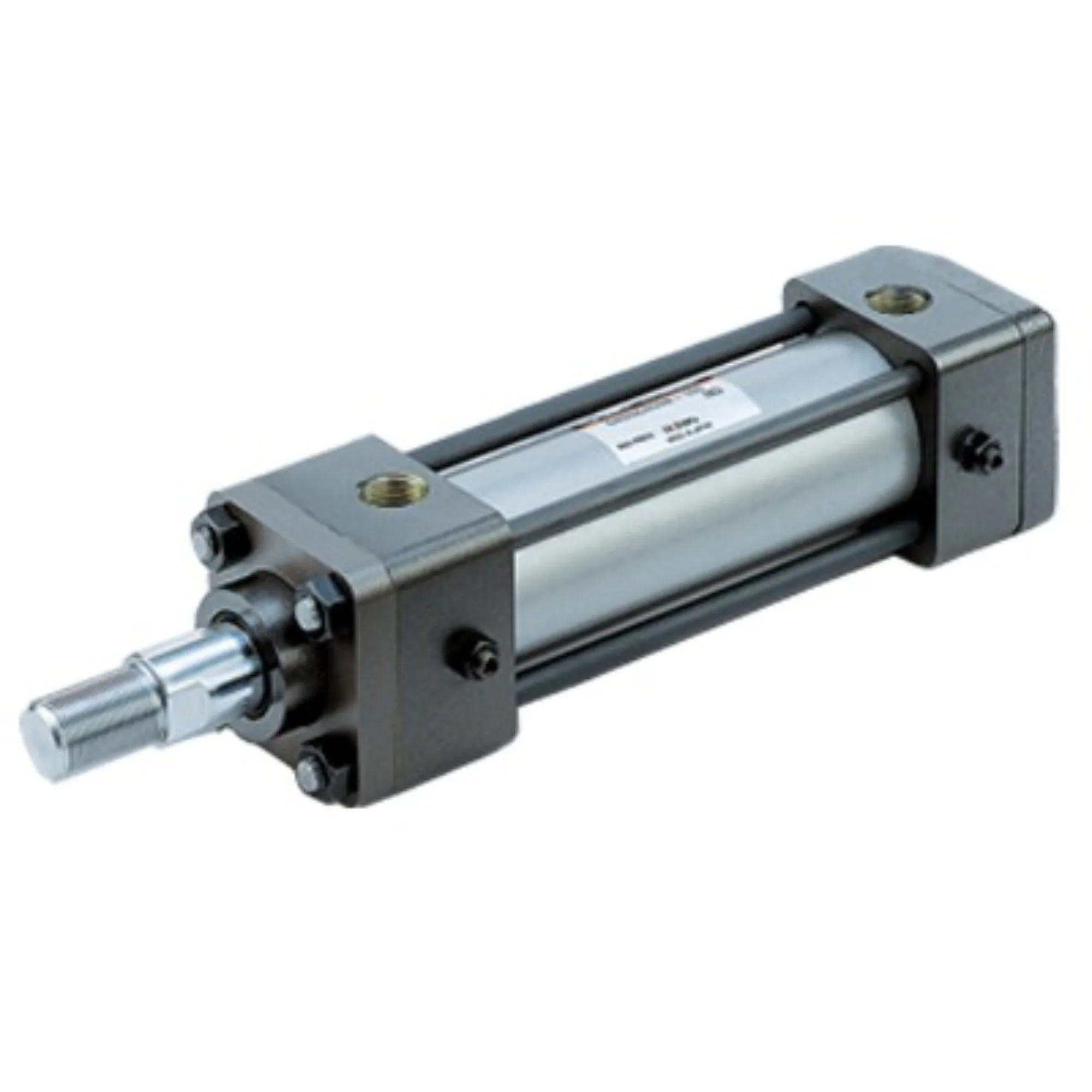
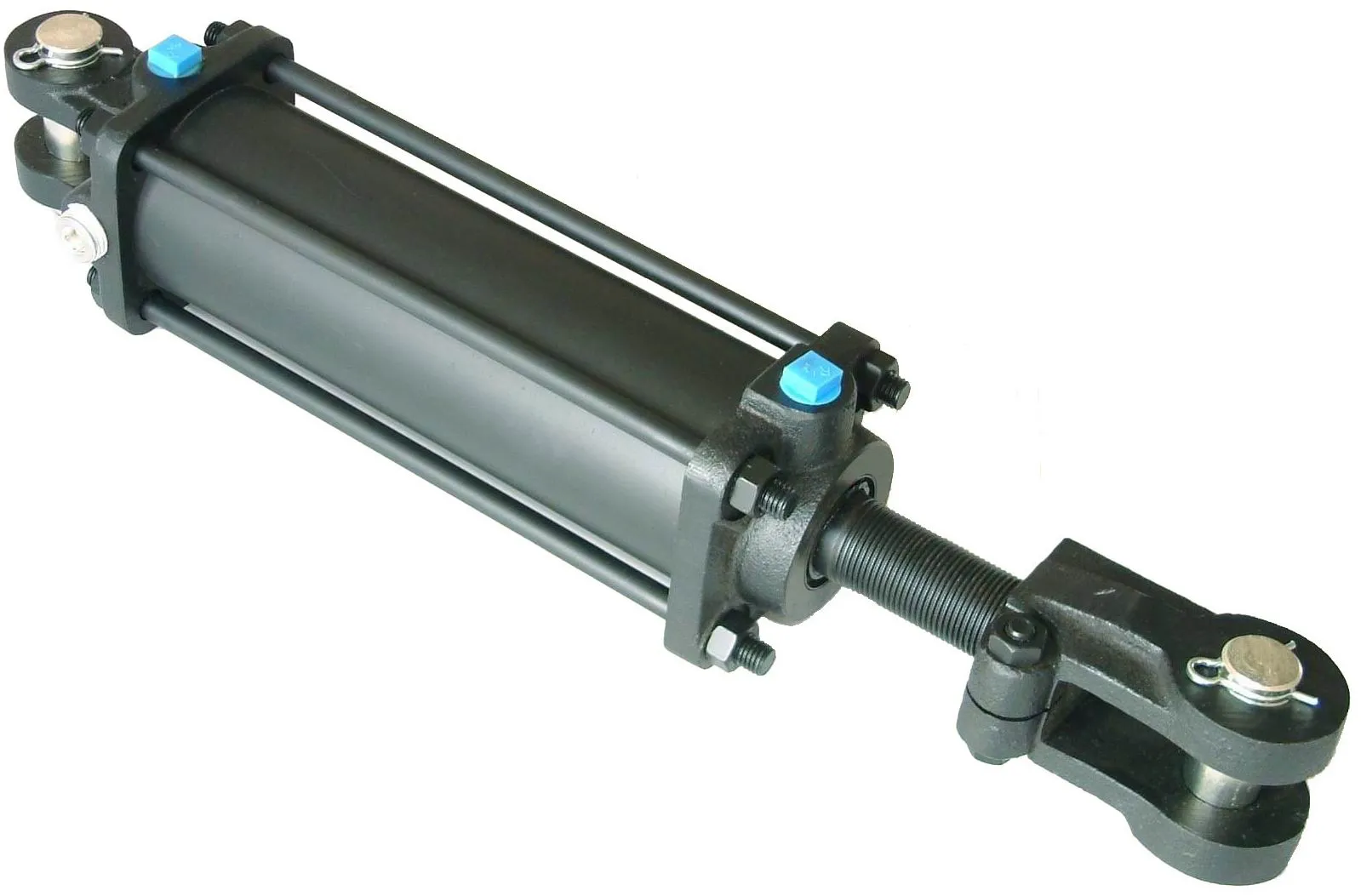
Hydraulic cylinders consist of key components such as a cylinder barrel, piston, piston rod, seals, and hydraulic fluid. These components work together to convert hydraulic energy into linear motion, allowing the cylinder to perform its intended function.
Control Cylinder Operation Overview
The operation of hydraulic cylinders is based on the principle of Pascal’s Law, which states that pressure exerted at any point in a confined fluid is transmitted equally in all directions. When hydraulic fluid is pumped into the cylinder, it creates pressure that acts on the piston, causing it to move and generate force.
Types of Hydraulic Cylinders
Single Acting Cylinders
Single acting cylinders exert force in one direction and rely on an external force, such as a spring, to return to their original position. They are commonly used in applications where force is required in one direction only, such as in dump trucks.
Double Acting Cylinders
Double acting cylinders can exert force in both directions and do not require an external force for retraction. They are versatile and widely used in various industrial applications, including manufacturing equipment and construction machinery.
Telescopic and Differential Cylinders
Telescopic cylinders consist of multiple nested stages that allow for a longer stroke length in a compact design. Differential cylinders have different piston diameters on each side, providing varying force capabilities. These cylinders are used in applications that require precise control and compact size.
Advantages of Industrial Hydraulic Cylinders
- High force output for heavy-duty applications
- Precision control for accurate positioning
- Compact design for space-constrained environments
- Smooth operation for reduced wear and maintenance
- Durable construction for long service life
Applications of Hydraulic Cylinders
Industrial hydraulic cylinders are widely used in various industries, including:
- Manufacturing: for assembly lines and robotic applications
- Construction: for heavy equipment and material handling
- Mining: for drilling rigs and earthmoving machinery
- Agriculture: for tractors and harvesting equipment
Selecting the Right Hydraulic Cylinder
When choosing an industrial hydraulic cylinder, factors such as load capacity, stroke length, bore size, operating pressure, and mounting options should be considered to ensure optimal performance for the specific application.
Maintenance and Care
Regular maintenance of hydraulic cylinders is essential to prolong their service life and prevent costly breakdowns. Inspection, lubrication, and cleaning should be performed according to manufacturer guidelines to ensure reliable operation.
Installation Guide
Proper installation of hydraulic cylinders is critical to their performance and safety. Ensure correct alignment, mounting, and connection of hydraulic lines to prevent leaks and malfunctions during operation.
Maintenance Tasks
- Cleaning: Remove dirt and debris to prevent contamination of hydraulic fluid
- Lubrication: Apply recommended lubricants to reduce friction and wear
- Checking Wear: Inspect seals, rods, and other components for signs of wear and replace as needed
Fault Diagnosis and Common Problems
Common issues with hydraulic cylinders include leakage, seal failure, misalignment, and insufficient force output. Proper diagnosis and troubleshooting techniques can help identify and resolve these problems effectively.
Preventive Measures
To minimize potential problems and optimize performance, preventive measures such as regular maintenance, proper installation, and monitoring of cylinder operation should be implemented. These measures can help extend the service life of hydraulic cylinders and reduce downtime.
Choosing the Right Hydraulic Cylinder
Factors to consider when selecting an industrial hydraulic cylinder include load requirements, operating conditions, space limitations, and compatibility with existing equipment. By evaluating these factors, you can choose a cylinder that meets the specific needs of your application.
Long-Tail Keywords and SEO Articles
Industrial hydraulic cylinder reliability is a crucial aspect of ensuring efficient and safe operation in industrial settings. By understanding the key components, operation principles, and maintenance practices of hydraulic cylinders, you can enhance the reliability and performance of your equipment.
Our Company Overview
As a leading hydraulic cylinder replacement manufacturer, we offer a comprehensive product line and customized services to meet the diverse needs of our customers. With international certifications, state-of-the-art production equipment, and dedicated after-sales support, we strive to provide high-quality hydraulic cylinders for various industrial applications.
Author: lyl