Industrial Hydraulic Cylinders: A Comprehensive Guide for Hydraulic Cylinder Consultants
Introduction
In the realm of industrial machinery, hydraulic cylinders play a crucial role in facilitating the movement of heavy loads with precision and efficiency. Understanding the key components, operation principles, and selection criteria of hydraulic cylinders is essential for hydraulic cylinder consultants to provide optimal solutions for their clients.
Key Components and Structure of Hydraulic Cylinders
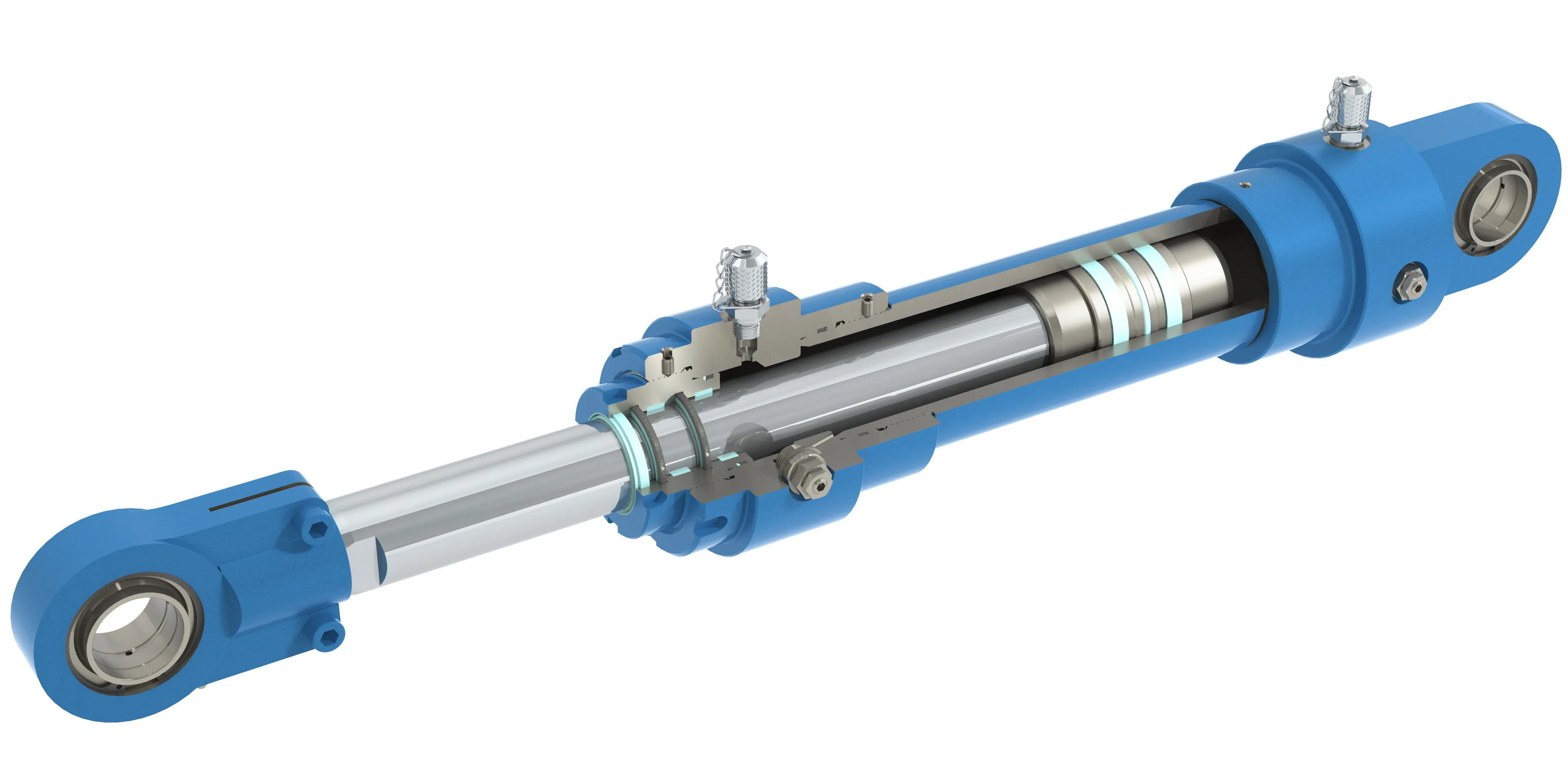
Hydraulic cylinders consist of various components such as a piston, rod, cylinder barrel, and hydraulic fluid. The piston is responsible for generating linear motion within the cylinder, while the rod transmits this motion to the external load. The cylinder barrel serves as the housing for these components, and hydraulic fluid acts as the medium for power transmission.
Basic Principle of Control Cylinder Operation
The operation of a hydraulic cylinder is based on the principle of converting hydraulic energy into mechanical energy. When pressurized hydraulic fluid enters the cylinder, it pushes the piston, causing linear motion. By controlling the flow and pressure of the hydraulic fluid, the speed and force of the cylinder can be regulated.
Types of Hydraulic Cylinders
There are several types of hydraulic cylinders commonly used in industrial applications, including single-acting, double-acting, telescopic, and differential cylinders. Each type has unique characteristics and is suitable for specific use cases.
Single Acting Hydraulic Cylinders
Single-acting cylinders exert force in one direction only and rely on an external force, such as a spring, to return to their original position. They are commonly used in applications where a load needs to be lifted or pushed with controlled force.
Double Acting Hydraulic Cylinders
Double-acting cylinders can exert force in both directions and do not require an external force for retraction. They are versatile and used in various industrial applications that require precise control over the movement of loads.
Telescopic Hydraulic Cylinders
Telescopic cylinders consist of multiple nested stages that extend and retract, allowing for a longer stroke length in a compact design. They are often used in applications where space is limited, such as dump trucks and cranes.
Differential Hydraulic Cylinders
Differential cylinders have varying piston areas on each side, allowing for different forces to be generated in each direction of movement. They are used in applications where precise control over force and speed is required.
Advantages of Industrial Hydraulic Cylinders
1. Precision: Hydraulic cylinders offer precise control over movement and force, making them ideal for applications that require accuracy.
2. Power: Hydraulic systems can generate high forces, allowing for the handling of heavy loads with ease.
3. Efficiency: Hydraulic cylinders operate smoothly and efficiently, resulting in reduced energy consumption and maintenance costs.
4. Durability: With proper maintenance, hydraulic cylinders have a long service life, providing reliable performance in industrial settings.
5. Versatility: Hydraulic cylinders can be customized to meet specific requirements, making them suitable for a wide range of applications.
Applications of Industrial Hydraulic Cylinders
Industrial hydraulic cylinders are widely used in various industries, including manufacturing, construction, mining, agriculture, and more. These cylinders play a vital role in enhancing productivity and efficiency in each sector.
Manufacturing Industry
In manufacturing, hydraulic cylinders are used in machinery such as presses, injection molding machines, and assembly lines to facilitate precise movement and control over manufacturing processes.
Construction Industry
In construction, hydraulic cylinders are employed in equipment like excavators, cranes, and bulldozers to lift, push, and manipulate heavy materials with ease and precision.
Mining Industry
The mining sector utilizes hydraulic cylinders in machinery such as rock drills, hydraulic shovels, and dump trucks to handle the extraction and transportation of minerals effectively.
Agricultural Industry
Agricultural machinery such as tractors, harvesters, and irrigation systems rely on hydraulic cylinders for tasks like plowing, harvesting, and controlling water flow, enhancing agricultural productivity.
Other Industrial Sectors
Hydraulic cylinders are also used in industries like aerospace, automotive, and marine for various applications that require precise movement, force, and control.
Selecting the Right Industrial Hydraulic Cylinder
When choosing an industrial hydraulic cylinder for a specific application, factors such as load capacity, stroke length, bore size, and operating environment must be considered. Matching the performance of the cylinder to the requirements of the application is crucial for optimal functionality.
Maintenance and Care of Industrial Hydraulic Cylinders
Regular maintenance and care of hydraulic cylinders are essential to ensure optimal performance and longevity. Inspection, lubrication, and cleaning are key practices that can help prevent issues and extend the service life of hydraulic cylinders.
Installation of Industrial Hydraulic Cylinders
Proper installation of hydraulic cylinders is vital for their efficient operation. Following manufacturer guidelines, ensuring correct alignment, and using appropriate mounting hardware are essential steps in the installation process.
Maintenance Tasks for Industrial Hydraulic Cylinders
Cleaning
Regular cleaning of hydraulic cylinders helps prevent contamination and maintain smooth operation. Use appropriate cleaning agents and methods to remove dirt and debris from the cylinder surfaces.
Lubrication
Applying the right lubricants to hydraulic cylinders ensures smooth movement and reduces wear on components. Use recommended lubricants and follow a regular lubrication schedule for optimal performance.
Checking Wear
Monitoring wear on hydraulic cylinder components is crucial for identifying potential issues early. Regularly inspect seals, rods, and pistons for signs of wear and replace worn parts promptly to prevent further damage.
Fault Diagnosis and Common Problems
Common issues with hydraulic cylinders include leaks, seal damage, and piston wear. By conducting thorough inspections and diagnosing faults promptly, consultants can address problems effectively and prevent downtime in industrial operations.
Preventive Measures for Industrial Hydraulic Cylinders
To minimize potential problems and optimize the performance of hydraulic cylinders, implementing preventive measures such as regular maintenance, proper lubrication, and timely repairs is essential. By taking proactive steps, consultants can ensure the reliability and efficiency of hydraulic systems.
Choosing the Right Industrial Hydraulic Cylinder
When selecting an industrial hydraulic cylinder, considering factors like load requirements, operating conditions, and space constraints is crucial. By exploring these key considerations, consultants can recommend the most suitable cylinder for their clients’ specific applications.
Long-Tail SEO Articles for Industrial Hydraulic Cylinders
1. “Enhancing Industrial Efficiency with Custom Hydraulic Cylinder Solutions”
2. “Maximizing Productivity: Choosing the Right Hydraulic Cylinder for Your Application”
3. “Optimizing Performance: The Impact of Hydraulic Cylinders on Industrial Operations”
Our Company
We are a leading hydraulic cylinder manufacturer and wholesale distributor, offering a comprehensive product line and customized services to meet the diverse needs of our clients. With international certifications, state-of-the-art production equipment, and dedicated after-sales support, we are committed to delivering high-quality hydraulic solutions for industrial applications.
Author: lyl