
Understanding Industrial Hydraulic Cylinders
In the industrial environment, hydraulic cylinders are essential components that convert fluid power into mechanical force. These devices play a crucial role in various applications, from manufacturing to construction. A hydraulic cylinder consists of several key components, including a cylinder barrel, piston, piston rod, seals, and end caps.
Key Components and Structure
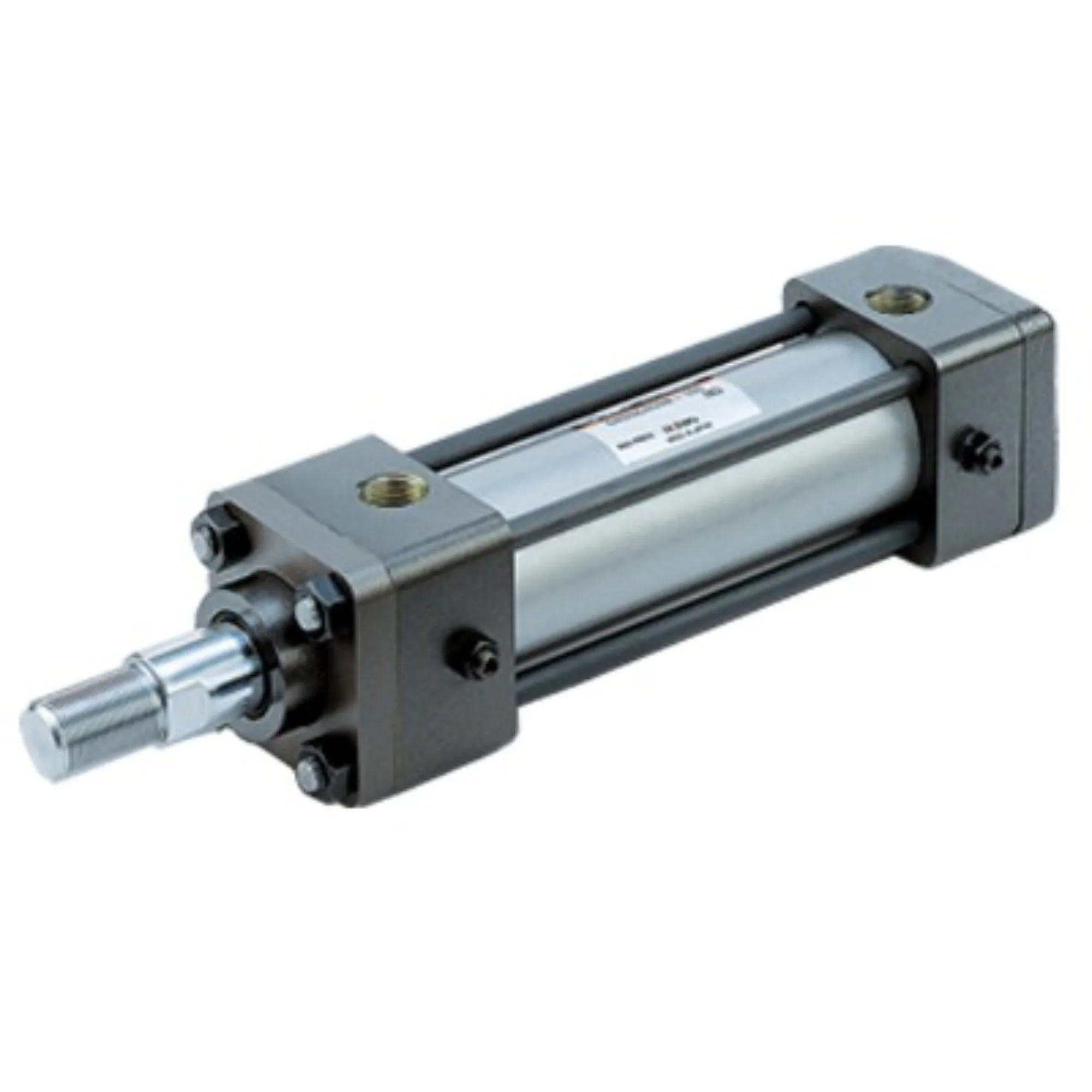
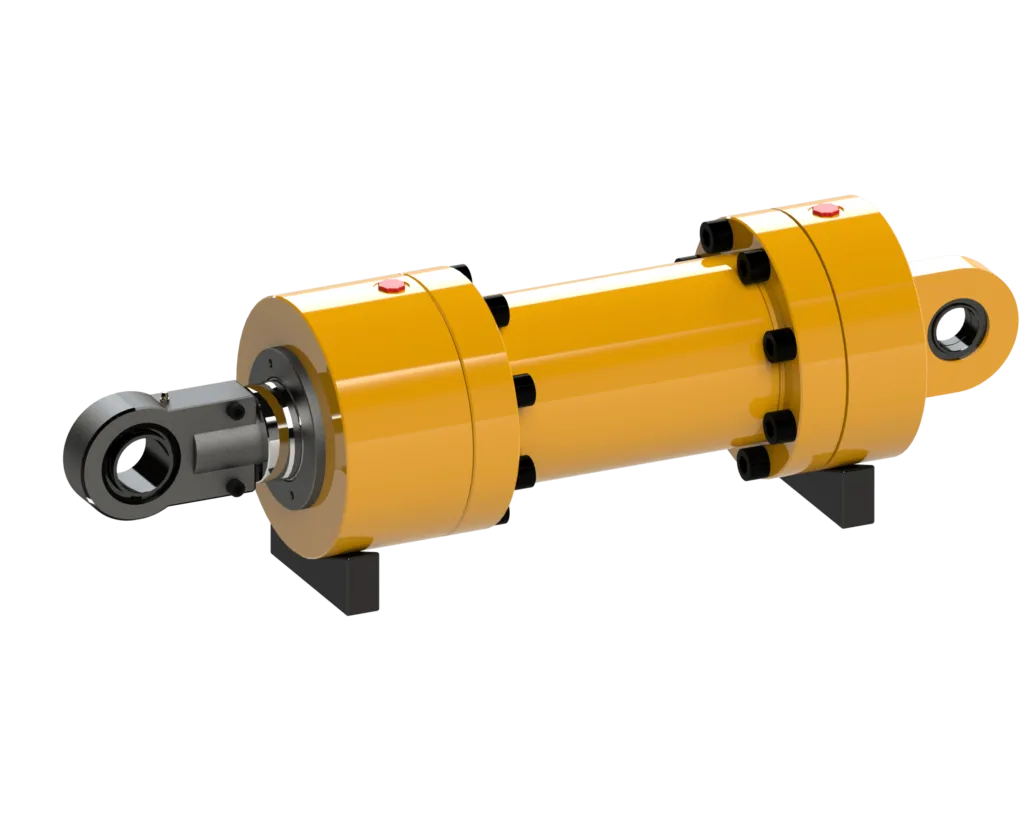
The cylinder barrel houses the piston and serves as the main body of the hydraulic cylinder. The piston moves back and forth inside the cylinder barrel, generating the linear motion required for the application. Seals prevent fluid leakage and maintain pressure within the cylinder. End caps secure the components in place and provide mounting points for installation.
Principle of Operation
Hydraulic cylinders operate based on Pascal’s Law, which states that pressure applied to a confined fluid is transmitted undiminished in every direction. When hydraulic fluid is pumped into the cylinder, it exerts pressure on the piston, causing it to move in the desired direction. By controlling the flow of fluid, the speed and force of the cylinder can be precisely regulated.
Control Cylinder Operation
Control systems regulate the movement of hydraulic cylinders by adjusting the flow of hydraulic fluid. This allows operators to control the speed and position of the cylinder with precision. By monitoring pressure and flow rates, the operation of hydraulic cylinders can be optimized for efficiency and safety.
Types of Hydraulic Cylinders
There are various types of hydraulic cylinders commonly used in industrial applications, each designed for specific functions. Single-acting cylinders exert force in one direction, while double-acting cylinders can push and pull. Telescopic cylinders have multiple stages for extended reach, while differential cylinders provide precise control over varying loads.
Description and Characteristics
Single-acting cylinders are often used in applications where a return stroke is not required, such as clamping and lifting. Double-acting cylinders are versatile and suitable for a wide range of tasks that require bi-directional force. Telescopic cylinders are ideal for applications with limited space, while differential cylinders offer unmatched precision in load control.
Advantages of Industrial Hydraulic Cylinders
Industrial hydraulic cylinders offer several advantages, including high force output, precise control, compact design, durability, and versatility. These features make them indispensable in industries such as manufacturing, construction, mining, agriculture, and more.
Top Five Advantages
1. High Force Output: Hydraulic cylinders can generate significant force to handle heavy loads.
2. Precise Control: Operators can regulate the speed and position of the cylinder with precision.
3. Compact Design: Hydraulic cylinders are space-efficient and can be integrated into various systems.
4. Durability: Built to withstand harsh industrial environments, hydraulic cylinders are long-lasting.
5. Versatility: Hydraulic cylinders can be adapted for different applications, making them versatile tools.
Applications of Hydraulic Cylinders in Industries
Industrial hydraulic cylinders are widely used in various industries, including manufacturing, construction, mining, agriculture, and more. These devices play a vital role in enhancing productivity, efficiency, and safety across different sectors.
Manufacturing Industry
In manufacturing, hydraulic cylinders are utilized in automated machinery, assembly lines, and material handling equipment. They enable precise movement control for processes such as pressing, stamping, and forming. By using hydraulic cylinders, manufacturers can achieve higher production rates and quality standards.
Construction Industry
Construction equipment such as cranes, excavators, and bulldozers rely on hydraulic cylinders for lifting, pushing, and digging operations. Hydraulic cylinders provide the necessary force and control to move heavy materials and perform construction tasks efficiently. Their robust construction ensures reliability in demanding construction environments.
Mining Industry
In the mining sector, hydraulic cylinders are essential components in equipment like dump trucks, loaders, and drills. These cylinders withstand extreme conditions and heavy loads to facilitate mining operations. By using hydraulic cylinders, mining companies can improve the productivity and safety of their extraction processes.
Agriculture Industry
Agricultural machinery such as tractors, harvesters, and sprayers utilize hydraulic cylinders for tasks like lifting, tilting, and steering. Hydraulic cylinders enable precise control over agricultural equipment, enhancing productivity and efficiency in farming operations. Their robust design ensures reliable performance in challenging agricultural environments.
Selecting the Right Hydraulic Cylinder
When choosing an industrial hydraulic cylinder for a specific application, several factors must be considered to ensure optimal performance. Factors such as load capacity, stroke length, bore size, operating pressure, and mounting requirements play a crucial role in selecting the right cylinder for the job.
Factors to Consider
1. Load Capacity: Determine the maximum force the cylinder needs to exert based on the application requirements.
2. Stroke Length: Select a cylinder with an appropriate stroke length to achieve the desired movement.
3. Bore Size: Choose a cylinder with the right bore size to accommodate the necessary fluid volume and pressure.
4. Operating Pressure: Ensure the cylinder can operate within the specified pressure range for safe and efficient performance.
5. Mounting Requirements: Consider the mounting options available for the cylinder to integrate it seamlessly into the application.
Maintenance of Hydraulic Cylinders
Regular maintenance and care are essential to ensure the longevity and performance of industrial hydraulic cylinders. Proper inspection, lubrication, and cleaning practices can help prevent premature wear and damage, extending the service life of hydraulic cylinders.
Best Practices
1. Inspection: Regularly inspect the hydraulic cylinder for leaks, wear, and misalignment to identify potential issues early.
2. Lubrication: Use the recommended lubricants to keep the seals and moving parts of the cylinder well-lubricated for smooth operation.
3. Cleaning: Remove dirt, debris, and contaminants from the cylinder surface to prevent damage and maintain optimal performance.
Installation Guide
Proper installation of industrial hydraulic cylinders is crucial to ensure safe and efficient operation. Follow the manufacturer’s guidelines and best practices to install the cylinder correctly and prevent issues such as leaks, misalignment, and premature wear.
Maintenance Tasks
1. Cleaning: Regularly clean the exterior of the cylinder to remove dirt and debris that can cause damage or contamination.
2. Lubrication: Apply the recommended lubricants to the moving parts of the cylinder to reduce friction and wear.
3. Checking Wear: Monitor the condition of seals, rods, and other components for signs of wear or damage that may affect performance.
Fault Diagnosis and Troubleshooting
In the event of hydraulic cylinder malfunctions, proper diagnosis and troubleshooting are essential to identify the root cause and implement effective solutions. Common problems such as leaks, sticking, and erratic operation require prompt attention to prevent further damage and downtime.
Troubleshooting Tips
To diagnose and resolve hydraulic cylinder issues effectively, consider the following tips:
– Check for leaks and tighten connections.
– Inspect seals and replace damaged ones.
– Verify proper fluid levels and quality.
– Check for air bubbles in the hydraulic system.
– Monitor pressure and flow rates for abnormalities.
Preventive Measures
To minimize potential problems and optimize the performance of industrial hydraulic cylinders, implement preventive measures such as regular maintenance, proper installation, and monitoring of operating conditions. By addressing issues proactively, you can ensure the reliability and longevity of hydraulic cylinders.
Choosing the Right Industrial Hydraulic Cylinder
When selecting an industrial hydraulic cylinder, consider factors such as load requirements, stroke length, operating pressure, and mounting options to match the cylinder’s performance to the specific application. By exploring these key considerations, you can make an informed decision and maximize the efficiency of hydraulic systems.
Key Considerations
1. Load Requirements: Determine the maximum force the cylinder needs to exert for the application.
2. Stroke Length: Select a cylinder with the appropriate stroke length to achieve the desired movement range.
3. Operating Pressure: Ensure the cylinder can operate within the specified pressure range without exceeding limits.
4. Mounting Options: Consider the available mounting configurations to integrate the cylinder seamlessly into the application.
Long-Tail SEO Articles
Industrial hydraulic cylinders play a vital role in various industrial applications, providing precise control, high force output, and durability for demanding tasks. By exploring the types, advantages, and maintenance of hydraulic cylinders, you can optimize their performance and reliability in industrial settings.
Company Introduction
Our company is a leading manufacturer and distributor of industrial hydraulic cylinders, offering a comprehensive product line and customized services for domestic and international markets. With a focus on quality, professionalism, and customer satisfaction, we strive to deliver innovative solutions and reliable products to meet the diverse needs of our clients.
Author: lyl