
Industrial Hydraulic Cylinders: A Comprehensive Guide
Introduction to Industrial Hydraulic Cylinders
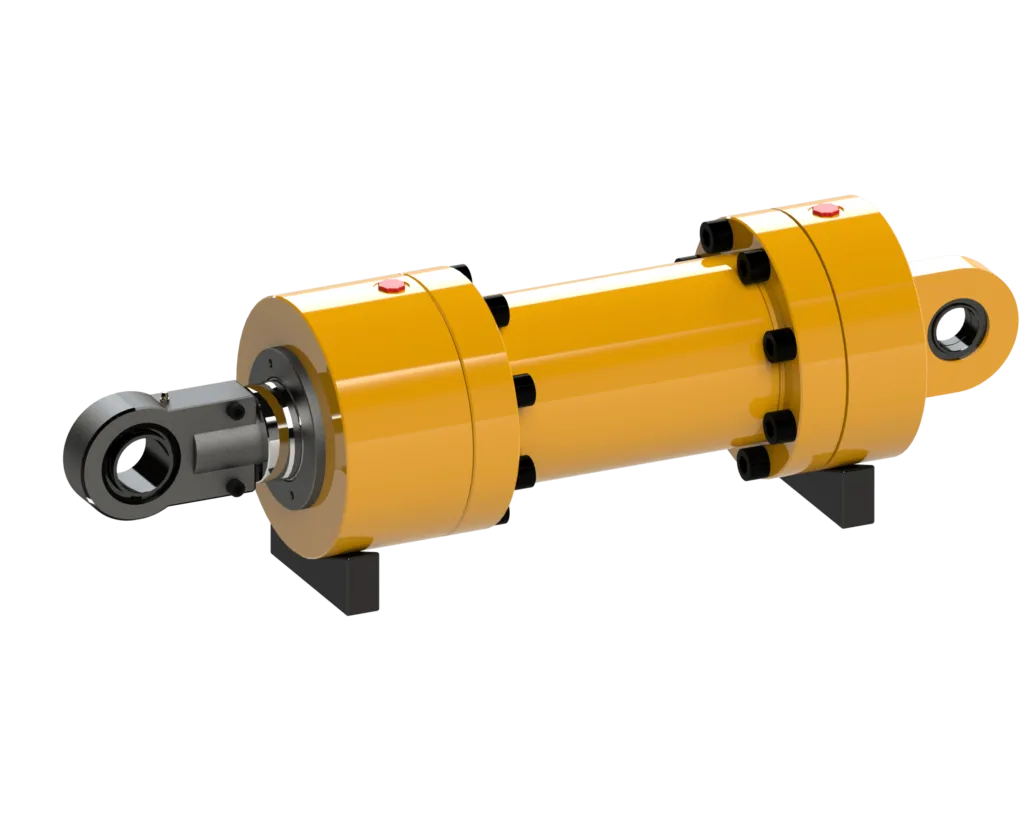
In the industrial environment, hydraulic cylinders play a crucial role in various applications. A hydraulic cylinder is a mechanical actuator that is used to provide unidirectional force through a unidirectional stroke. It consists of a cylinder barrel, piston, piston rod, end caps, and seals. These components work together to convert fluid power into linear mechanical force.
Key Components and Structure of Hydraulic Cylinders
The cylinder barrel houses the piston and piston rod, while the end caps provide support and sealing. Seals ensure that the fluid remains contained within the cylinder, allowing for efficient operation. The piston rod connects the piston to the machine component being moved, transmitting the force generated by the hydraulic fluid.
Principle Overview of Control Cylinder Operation
The basic principle of hydraulic cylinder operation involves the use of pressurized hydraulic fluid to create linear motion. When fluid is pumped into one side of the cylinder, it pushes the piston, causing the cylinder to extend. By controlling the flow of fluid, the speed and direction of the cylinder can be regulated, allowing for precise control of machinery.
Types of Hydraulic Cylinders in Industrial Applications
Single Acting
A single-acting hydraulic cylinder uses hydraulic pressure in one direction to extend the piston. It relies on an external force, such as a spring, to retract the piston. These cylinders are commonly used in applications where a load must be lifted or pushed in a single direction.
Double Acting
Double-acting cylinders use hydraulic pressure to extend and retract the piston. This type of cylinder offers more flexibility and control over the movement of the machinery. They are widely used in industrial machinery, such as presses and lifts.
Telescopic and Differential Cylinders
Telescopic cylinders consist of multiple nested stages that allow for a long stroke in a compact design. Differential cylinders have two pistons of different diameters that provide a combination of high force and speed. These cylinders are used in applications where space is limited or where precise control is required.
Advantages of Industrial Hydraulic Cylinders
1. High force output: Hydraulic cylinders can generate a large amount of force, making them ideal for heavy-duty applications.
2. Precise control: The flow of hydraulic fluid can be finely adjusted, allowing for precise control over the movement of machinery.
3. Compact design: Hydraulic cylinders can deliver high force in a compact package, making them suitable for use in tight spaces.
4. Durable construction: Hydraulic cylinders are built to withstand high pressures and heavy loads, ensuring reliable performance in industrial settings.
5. Versatile applications: Hydraulic cylinders can be used in a wide range of industries, from manufacturing to construction, due to their adaptability and efficiency.
Industries Where Hydraulic Cylinders are Widely Used
1. Manufacturing: Hydraulic cylinders are used in manufacturing equipment such as presses, injection molding machines, and CNC machinery to provide precise control over the production process.
2. Construction: Hydraulic cylinders are found in construction machinery such as excavators, cranes, and bulldozers, where they provide the power needed to lift and move heavy materials.
3. Mining: Hydraulic cylinders are essential components in mining equipment such as rock drills, crushers, and loaders, where they provide the force needed to break and move rock and ore.
4. Agriculture: Hydraulic cylinders are used in agricultural machinery such as tractors, harvesters, and irrigation systems to perform tasks such as lifting, tilting, and steering.
5. Aerospace: Hydraulic cylinders play a vital role in aerospace applications, where they are used in landing gear, flight control systems, and cargo handling equipment to ensure safe and efficient operation.
Selecting the Right Industrial Hydraulic Cylinder
When selecting an industrial hydraulic cylinder for a specific application, several factors must be considered, including load capacity, stroke length, bore size, and mounting options. It is essential to match the performance of the cylinder to the requirements of the machinery to ensure optimal performance and longevity.
Maintenance and Care of Industrial Hydraulic Cylinders
Regular maintenance and care are crucial to ensuring the optimal performance and longevity of hydraulic cylinders. Inspection, lubrication, and cleaning are key aspects of maintenance that should not be overlooked. By following best practices, the service life of hydraulic cylinders can be extended, reducing downtime and maintenance costs.
Installation Guide for Industrial Hydraulic Cylinders
Proper installation of hydraulic cylinders is essential to ensure safe and efficient operation. Following the manufacturer’s guidelines and using the correct tools and techniques will help prevent damage and ensure that the cylinder performs as intended. It is also important to check for leaks and test the cylinder’s operation before putting it into service.
Maintenance Tasks for Industrial Hydraulic Cylinders
Cleaning
Regular cleaning of hydraulic cylinders helps prevent the buildup of dirt and debris, which can cause damage to the seals and other components. Use a mild detergent and water to clean the exterior of the cylinder, taking care not to damage the finish.
Lubrication
Proper lubrication of hydraulic cylinders is essential to reduce friction and wear on moving parts. Use a high-quality lubricant recommended by the manufacturer and apply it to the seals, piston rod, and other moving components regularly.
Checking for Wear
Regularly inspecting hydraulic cylinders for signs of wear, such as leaks, corrosion, or damage, can help prevent unexpected failures. Replace worn or damaged components as needed to maintain the performance and reliability of the cylinder.
Fault Diagnosis and Common Problems
Hydraulic cylinders can experience a range of issues, including leaks, seal failures, and piston damage. By diagnosing and addressing these problems promptly, downtime and costly repairs can be minimized. Common troubleshooting tips include checking for leaks, inspecting seals, and testing the cylinder’s operation under load.
Preventive Measures for Optimal Performance
To minimize potential problems and optimize the performance of industrial hydraulic cylinders, it is essential to follow preventive measures such as regular maintenance, proper installation, and monitoring of the cylinder’s operation. By taking proactive steps, the service life of hydraulic cylinders can be extended, reducing downtime and maintenance costs.
How to Choose the Right Industrial Hydraulic Cylinder
When selecting an industrial hydraulic cylinder, several factors should be considered, including load capacity, stroke length, bore size, and operating pressure. By exploring these factors in detail, the optimal cylinder can be chosen to meet the specific requirements of the application, ensuring efficient and reliable performance.
Long-Tail Keywords for SEO Articles
1. “Industrial Hydraulic Cylinder Troubleshooting Tips”
2. “Choosing the Right Industrial Hydraulic Cylinder for Your Application”
3. “Common Problems and Solutions for Industrial Hydraulic Cylinders”
Company Introduction
We are a leading hydraulic cylinder replacement manufacturer with a complete product line. Our company has earned a reputation as one of the top hydraulic cylinder manufacturers and wholesale distributors in both domestic and foreign markets. We pride ourselves on providing high-quality products, international certification, customized services, state-of-the-art production equipment, and exceptional after-sales service to meet the needs of our customers.

Author: lyl