
Introduction to Aluminum Welded Hydraulic Cylinder
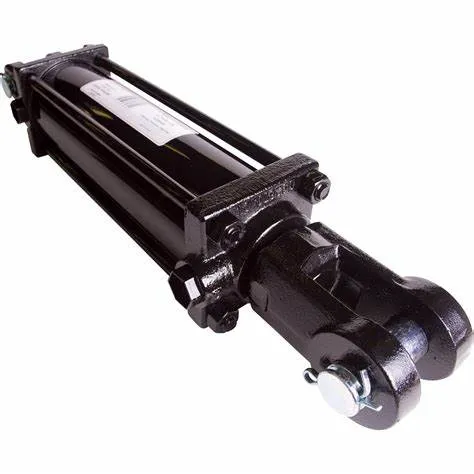
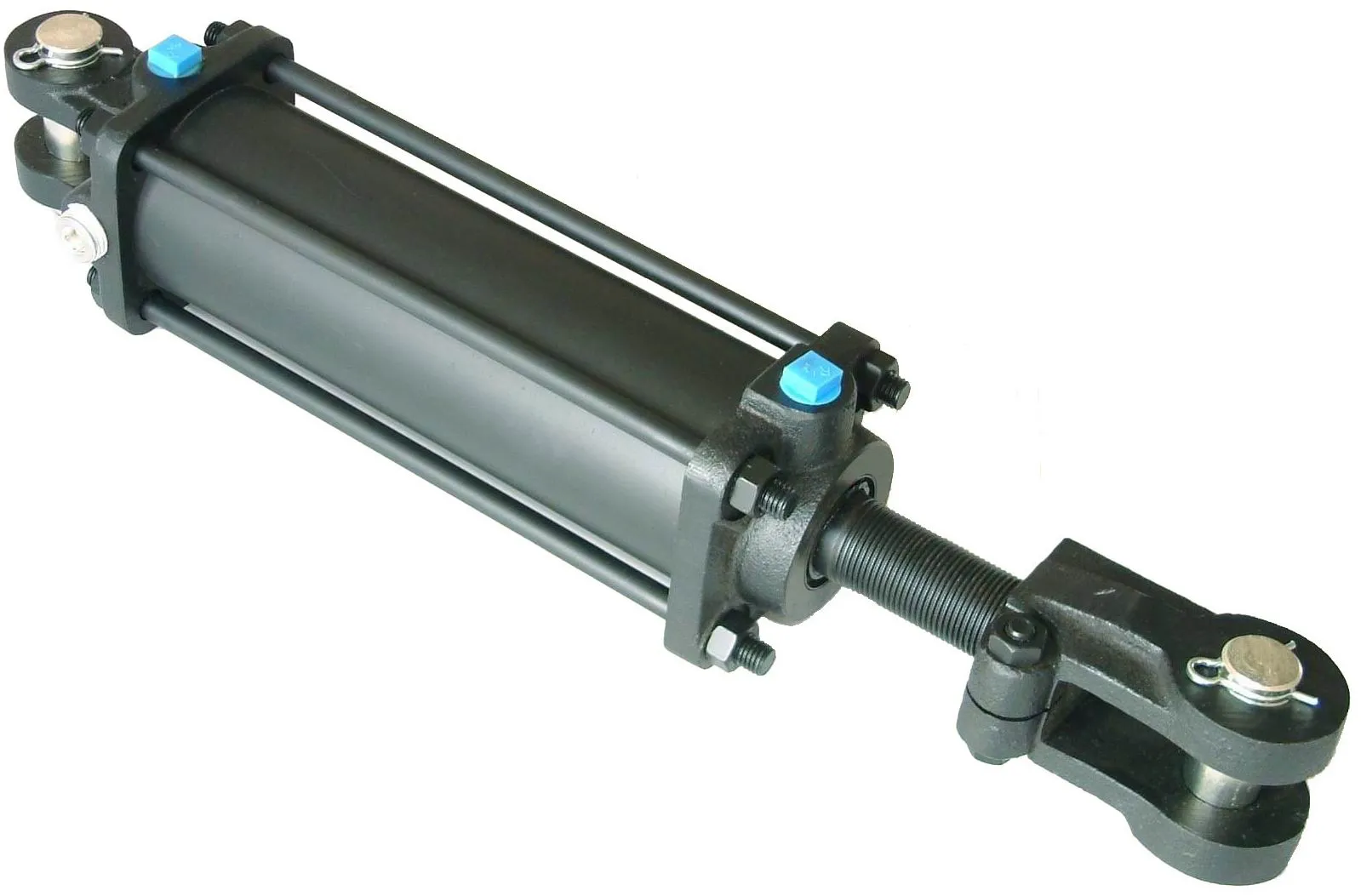
Aluminum welded hydraulic cylinders are a crucial component in hydraulic systems, providing efficient force transmission for various industrial applications. These cylinders are constructed using advanced welding techniques that ensure durability and reliability in demanding environments.
Definition and Summary
The aluminum welded hydraulic cylinder is a specialized hydraulic actuator that utilizes aluminum alloy materials for construction. These cylinders play a vital role in converting fluid power into mechanical force, enabling precise control and movement in hydraulic systems.
Design and Construction Characteristics
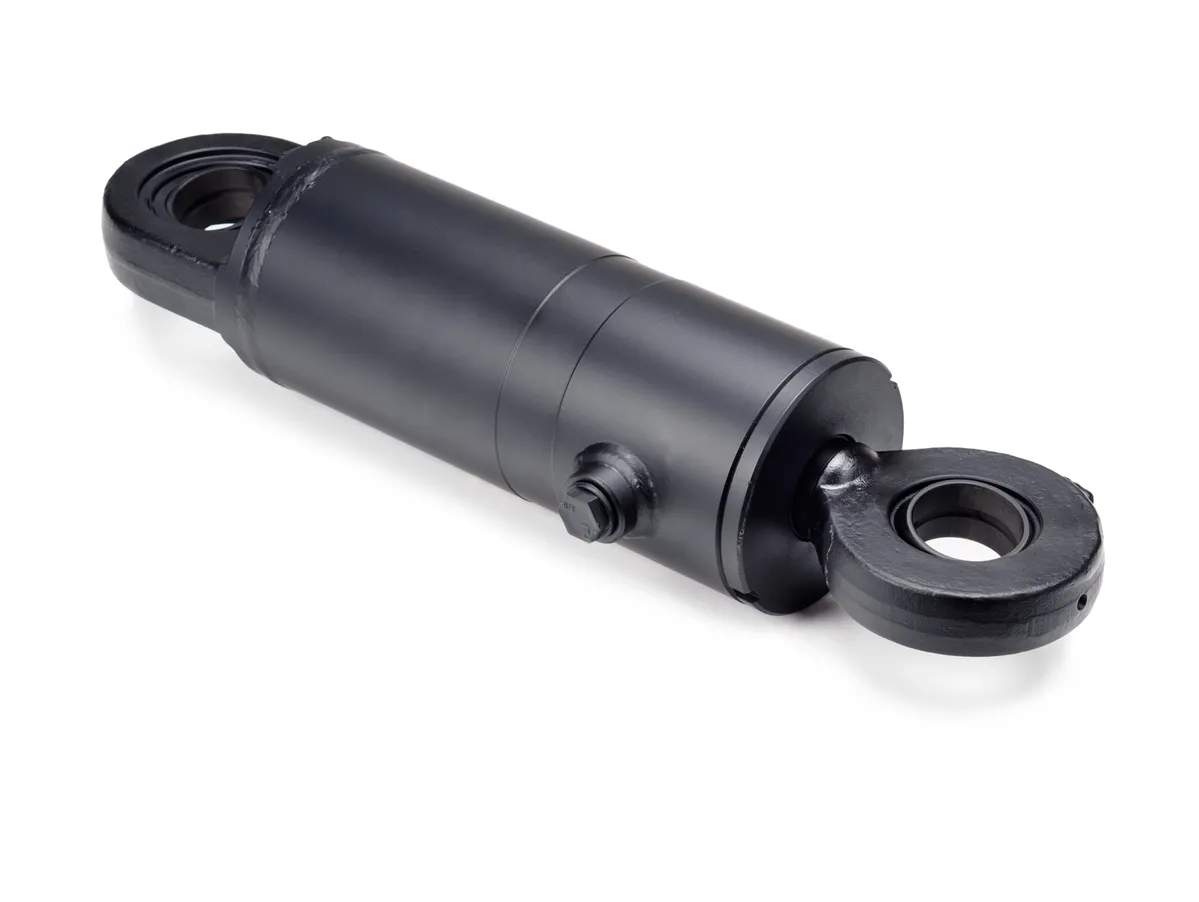
- The welded process used to manufacture aluminum hydraulic cylinders involves precision welding techniques to ensure structural integrity and leak-free operation.
- Components and materials such as high-grade aluminum alloys, seals, and fittings are carefully selected to meet specific performance requirements.
- Customization options include size, stroke length, and port configuration to suit diverse application needs.
Working Principle
The working principle of aluminum welded hydraulic cylinders involves the transfer of hydraulic fluid to generate force, causing the piston to move within the cylinder. The sealing system maintains pressure, while fluid release ensures controlled movement and operation.
Types and Configurations
There are three main types of aluminum welded hydraulic cylinders, each designed for specific applications and load capacities. These configurations offer versatility and efficiency in various industrial settings.
Advantages of Aluminum Welded Hydraulic Cylinder
- Lightweight design for easy handling and installation
- Good corrosion resistance for extended durability
- Excellent thermal conductivity for efficient heat dissipation
- High strength and environmental sustainability
- Efficient operation and easy maintenance
Performance Characteristics
Aluminum welded hydraulic cylinders exhibit exceptional performance characteristics, including lightweight design, corrosion resistance, thermal conductivity, and high strength. These features contribute to their widespread use in various industries.
Applications
- Machinery manufacturing
- Automotive industry
- Aerospace sector
- Construction engineering
- Agricultural machinery
Design Considerations and Selection Criteria
- Bearing capacity
- Sealing and durability
- Safety and maintainability
Sealing and Lubrication
Proper sealing and lubrication are essential for the optimal performance of aluminum welded hydraulic cylinders. Various seals and wear-resistant materials are used to enhance durability and minimize friction.
Maintenance and Troubleshooting
- Regular inspection
- Proper lubrication
- Seal replacement
Safety Considerations
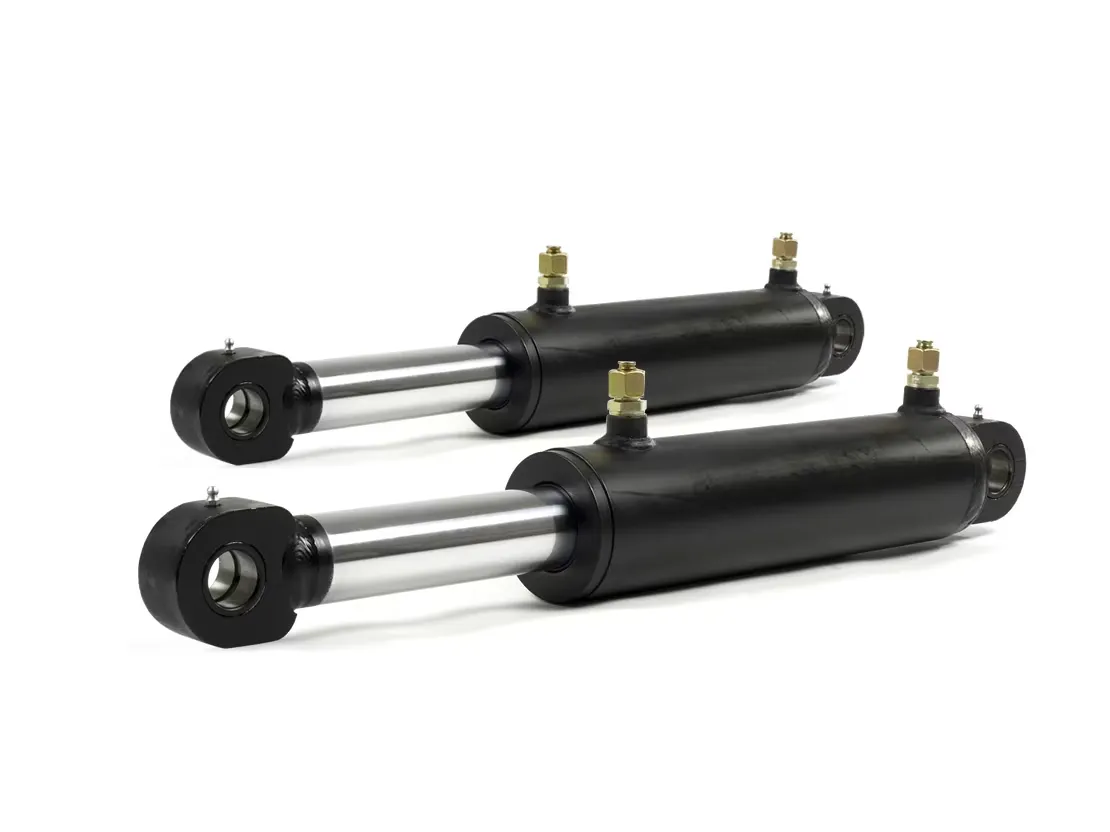
Ensuring safety measures when using aluminum welded hydraulic cylinders is crucial to prevent accidents and maintain operational efficiency. Proper installation, maintenance, and inspection are key to safe operation.
Fault Diagnosis and Common Problems
Common issues with aluminum welded hydraulic cylinders include leaks, seal wear, and piston misalignment. Timely diagnosis and troubleshooting can help address these problems effectively.
Questions and Answers
1. Describe the welded process typically used to manufacture aluminum hydraulic cylinders.
2. In what industries are aluminum welded hydraulic cylinders most commonly used, and why?
3. What are the typical pressure and force ratings for aluminum welded hydraulic cylinders?
Long Tail Keywords
1. Lightweight Aluminum Hydraulic Cylinder
2. Corrosion-Resistant Hydraulic Actuator
3. Customized Aluminum Cylinder Solutions
Company Overview
Our company specializes in hydraulic cylinder replacement and offers a comprehensive product line for various industrial applications. With international certifications and customized services, we strive to deliver high-quality solutions to our customers worldwide.
Author: lyl