
The Power of Innovative Aluminum Welded Hydraulic Cylinders
Introduction
Aluminum welded hydraulic cylinders are a crucial component in hydraulic systems, providing power and precision in a wide range of applications. These cylinders are designed to withstand high pressures and heavy loads, making them essential in industries such as machinery manufacturing, automotive, aerospace, construction, agriculture, marine, food processing, medical equipment, and more.
Design and Construction Characteristics
- Welded Process: These cylinders are manufactured using advanced welding techniques to ensure durability and reliability.
- Components and Materials: Made from high-quality aluminum alloy, with seals and fittings that are wear-resistant and long-lasting.
- Customization Options: Available in various sizes, stroke lengths, and port configurations to meet specific requirements.
Working Principle
The aluminum welded hydraulic cylinder operates by transferring force from a pressurized liquid to move a piston, generating mechanical work. The sealing system ensures that the pressure is maintained, while the release mechanism allows for controlled movement.
Types and Configurations
There are three main types of aluminum welded hydraulic cylinders, each with its unique configuration to suit different applications. These include single-acting, double-acting, and telescopic cylinders, providing versatility and efficiency.
Advantages
- Lightweight Design: Aluminum cylinders are lighter than steel, reducing overall weight in equipment.
- Corrosion Resistance: Aluminum has excellent corrosion resistance, making it suitable for harsh environments.
- Thermal Conductivity: Aluminum cylinders dissipate heat efficiently, preventing overheating.
- Processing Performance: Aluminum is easy to machine, allowing for precise customization.
- Environmental Protection: Aluminum is recyclable and environmentally friendly.

Performance Characteristics
Aluminum welded hydraulic cylinders offer a combination of lightweight design, thermal conductivity, corrosion resistance, processability, strength, sustainability, efficiency, and ease of maintenance, making them a preferred choice in various industries.
Applications
These cylinders are widely used in machinery, automotive, aerospace, construction, agriculture, marine, food processing, medical equipment, and other industries to power different equipment and machinery with precision and reliability.
Design Considerations and Selection Criteria
- Bearing Capacity: Ensuring the cylinder can handle the desired load without failure.
- Sealing: Using high-quality seals to prevent leaks and maintain pressure.
- Durability: Choosing materials and construction techniques that ensure long-term performance.
- Safety: Prioritizing safety features to prevent accidents and ensure user protection.
- Maintainability: Designing cylinders that are easy to maintain and repair when needed.
Sealing and Lubrication
Proper sealing and lubrication are essential for the performance and longevity of aluminum welded hydraulic cylinders. Using high-quality seals and regular lubrication maintenance helps prevent wear and ensure optimal operation.
Maintenance and Troubleshooting
Regular inspection, proper lubrication, seal replacement, and calibration are essential maintenance tasks to ensure the long-term performance of hydraulic cylinders. Troubleshooting tips and preventive measures help diagnose and solve common problems effectively.
Safety and Environmental Factors
Ensuring safety measures are in place when using aluminum welded hydraulic cylinders is crucial to prevent accidents and ensure user protection. Additionally, considering environmental factors and choosing sustainable materials contribute to a greener operation.
Fault Diagnosis and Solutions
Common problems such as leaks, pressure loss, and malfunctioning components can be diagnosed and solved with proper troubleshooting techniques. Identifying the root cause and implementing effective solutions help maintain the performance of hydraulic cylinders.

Questions and Answers
1. Describe the welded process typically used to manufacture aluminum hydraulic cylinders.
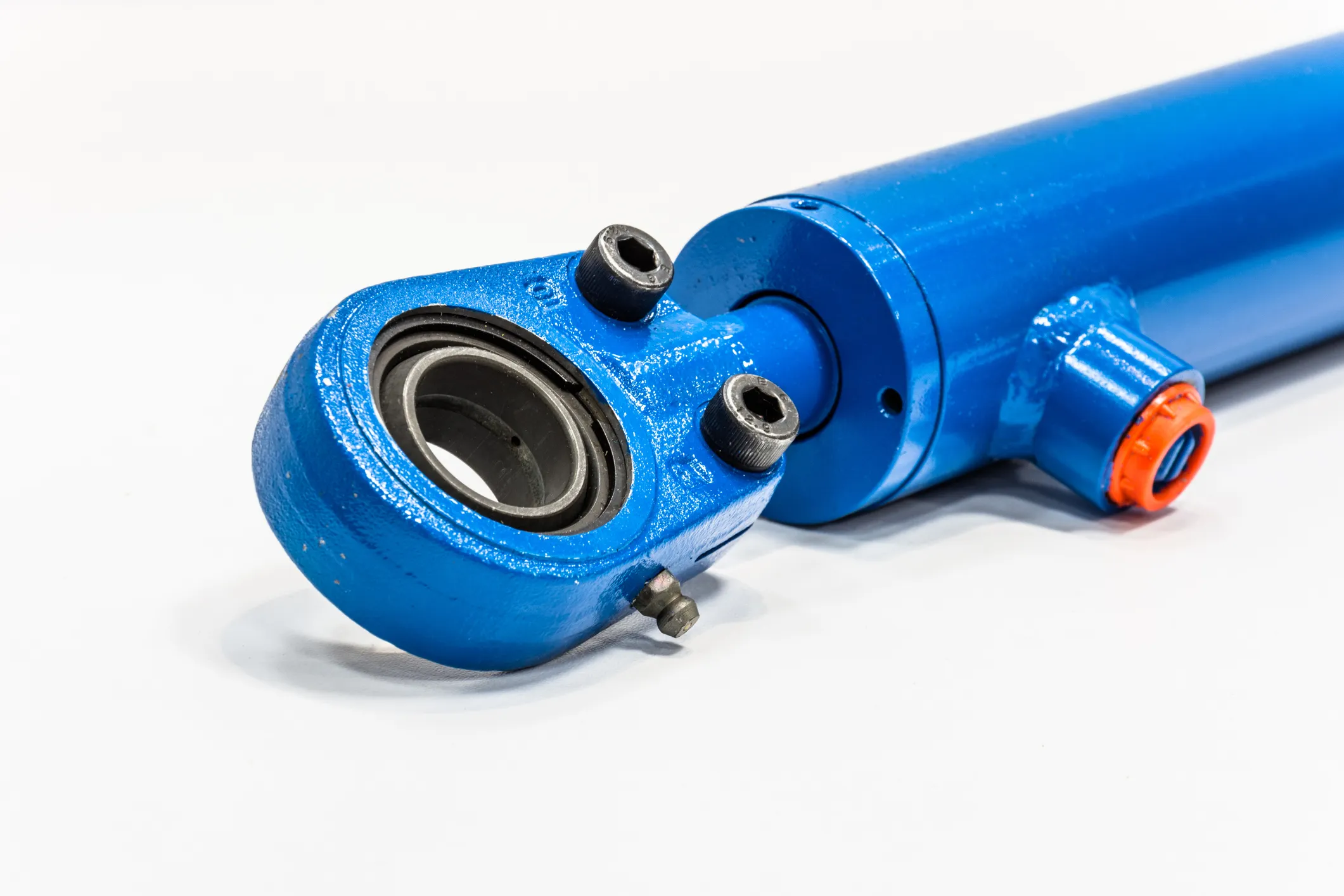
The welded process involves joining aluminum components using advanced welding techniques to ensure durability and reliability in hydraulic cylinders.
2. In what industries are aluminum welded hydraulic cylinders most commonly used, and why?
Aluminum welded hydraulic cylinders are widely used in industries such as machinery manufacturing, automotive, aerospace, construction, agriculture, marine, and more due to their lightweight design, corrosion resistance, and efficiency.
3. What are the typical pressure and force ratings for aluminum welded hydraulic cylinders?
Aluminum welded hydraulic cylinders can handle high pressure and heavy loads, with ratings that vary depending on the specific application and design of the cylinder.
Long Tail Keywords
1. Lightweight Aluminum Hydraulic Cylinders: These cylinders offer a lightweight design for enhanced efficiency and performance in various applications.
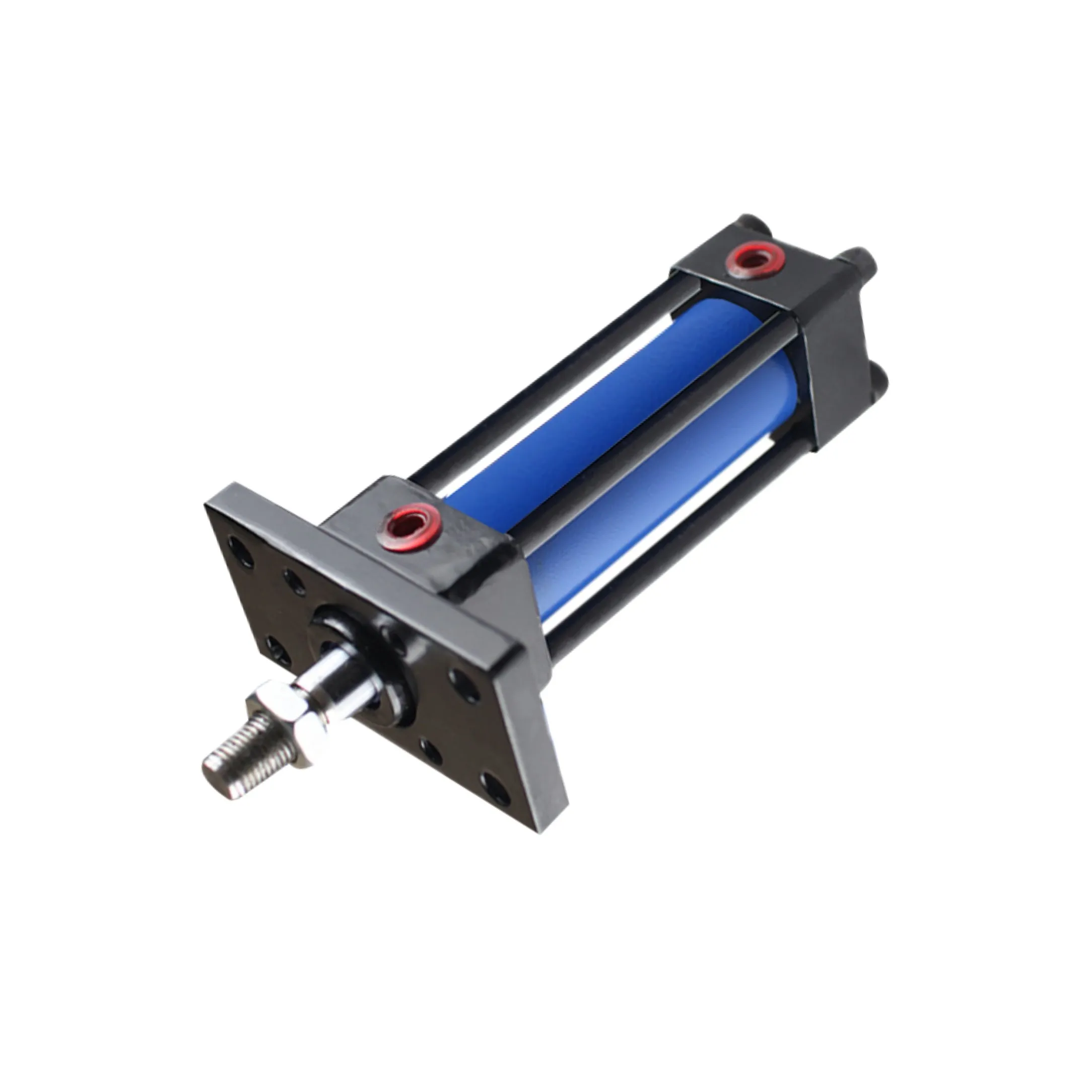
2. Corrosion-Resistant Hydraulic Cylinders: Aluminum cylinders are resistant to corrosion, making them suitable for harsh environments and long-term use.
3. Customizable Aluminum Cylinders: These cylinders can be customized in size, stroke length, and port configuration to meet specific requirements and applications.
Our Company
We are a leading hydraulic cylinder manufacturer and wholesale distributor, offering a complete product line tailored to meet the needs of various industries. With a focus on quality, performance, and customer satisfaction, we provide professional, customizable, and reliable hydraulic solutions for domestic and international markets.