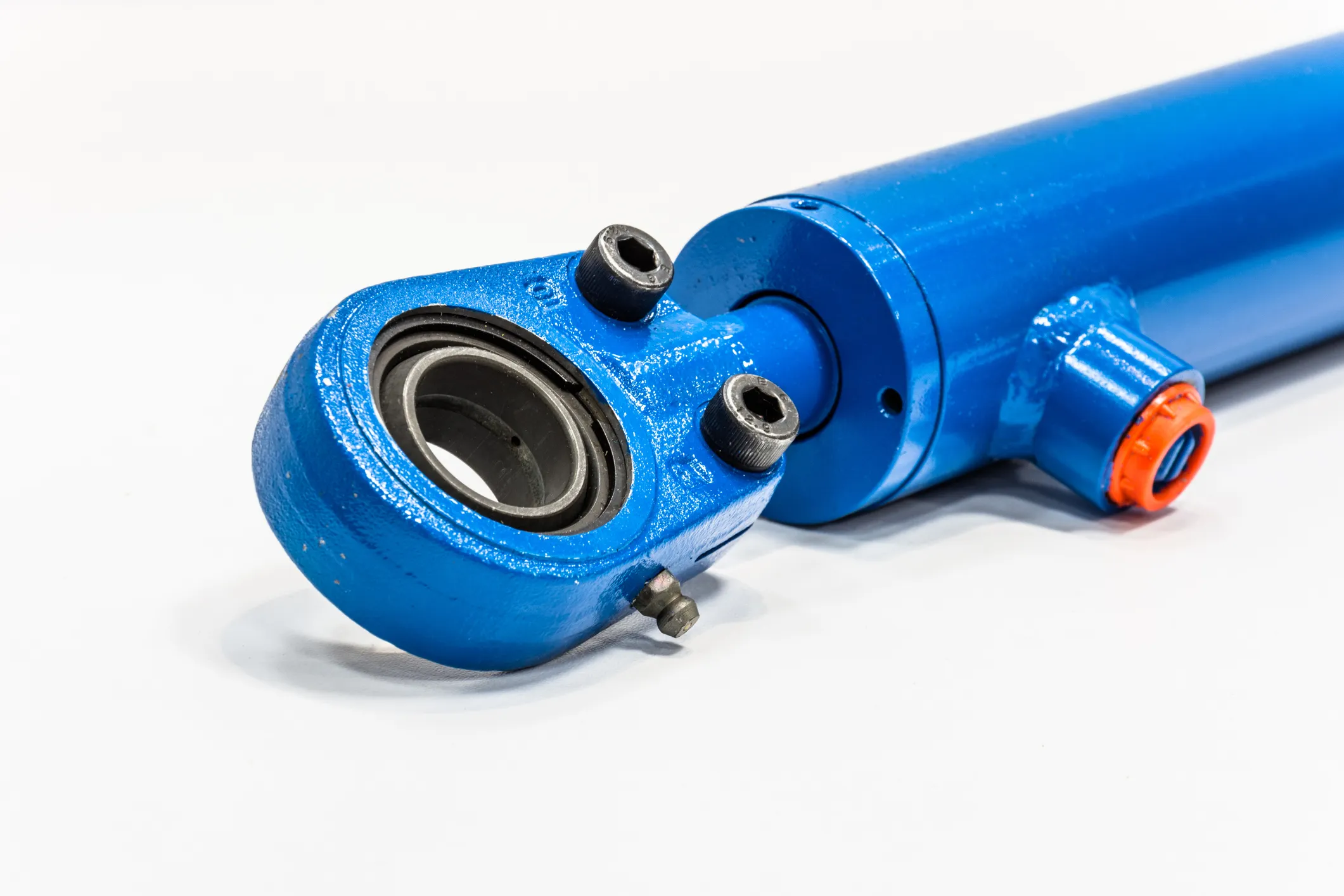
Unlocking the Secrets of Locking Single-Acting Hydraulic Cylinders in the Transportation Industry
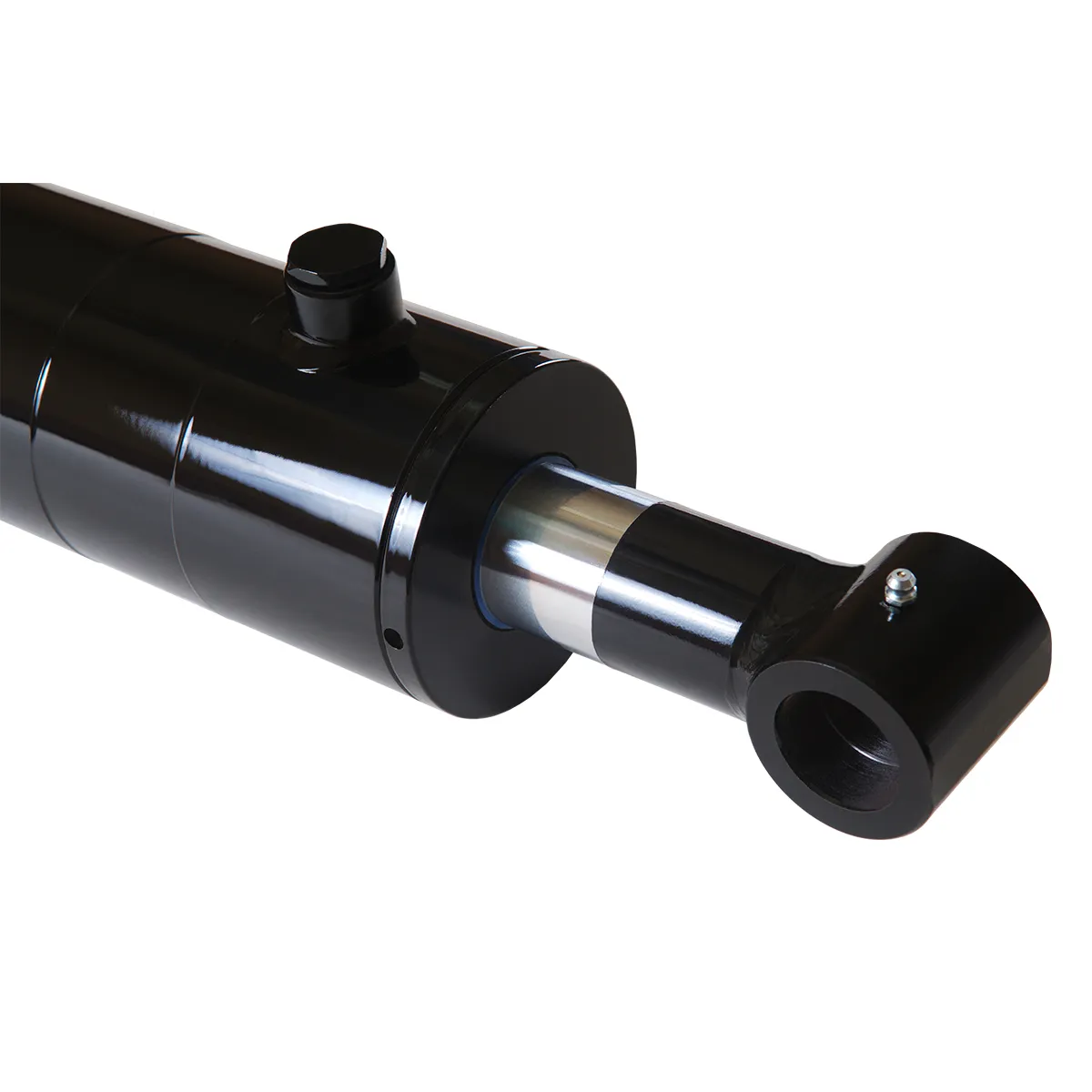
Understanding Locking Single-Acting Hydraulic Cylinder
The term “locking single-acting hydraulic cylinder” refers to a hydraulic cylinder that operates in one direction under hydraulic pressure and has a locking function to prevent movement in the absence of pressure. The locking mechanism plays a crucial role in ensuring safety by keeping the piston in a secure position when hydraulic pressure is lost.
Design and Construction Characteristics
The design of locking single-acting hydraulic cylinders features a locking mechanism that can be either mechanical or hydraulic. This mechanism can be customized to suit specific applications, such as using spring-loaded locking devices or pin locks. These cylinders are compactly designed for space optimization and precision manufacturing, requiring high-precision machining and strict quality control during production.
Working Principle
When hydraulic oil is pumped into the chamber, the cylinder extends and pushes the piston outward. The retracting action is controlled by a locking mechanism, either mechanical or hydraulic, that prevents accidental retractions under load.
Types and Configurations
There are three different types of locking single-acting hydraulic cylinders, each with unique configurations to suit various applications. These cylinders offer enhanced security, reliability, and simplicity in operation and maintenance.
Benefits of Locking Single-Acting Hydraulic Cylinders
- Enhanced Security: Prevents accidental retractions
- Reliability: Operates effectively under high loads
- Simplicity: Easy to operate and maintain
Application Scenarios
- Construction Equipment: Used in cranes, hoists, and lifts
- Manufacturing: Used in presses for material forming
- Transportation: Stabilizers and jacks for vehicles
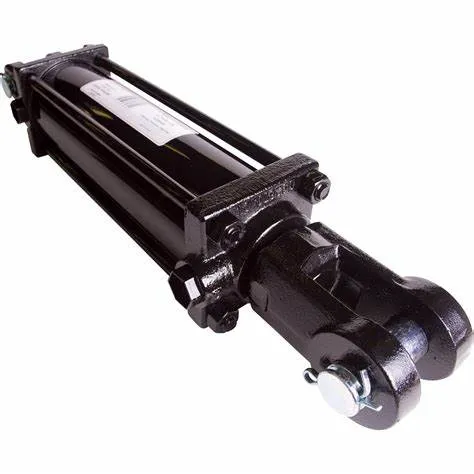
Design Considerations and Selection Criteria
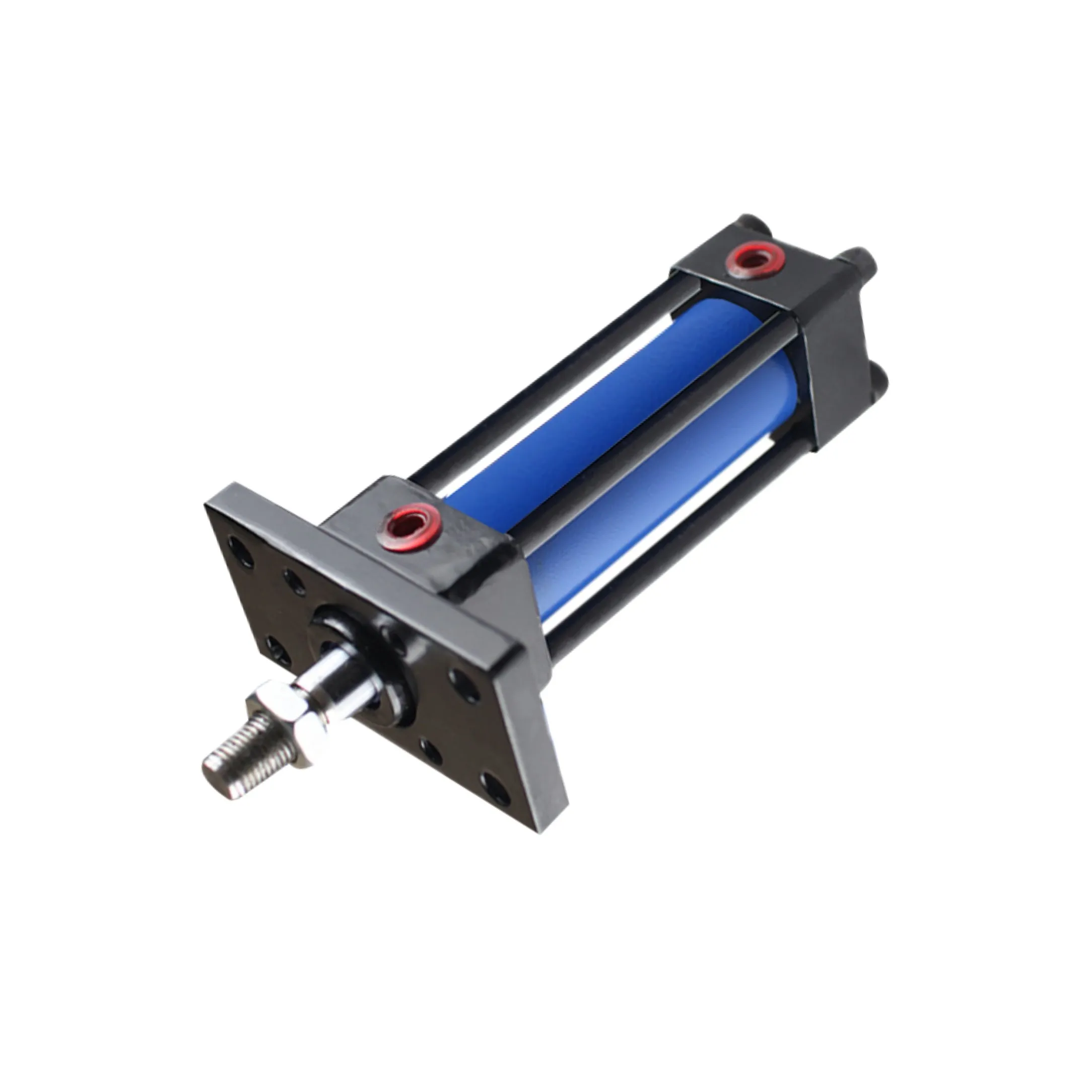
Design considerations for locking single-acting hydraulic cylinders include bearing capacity, sealing, durability, safety, and maintainability. Each of these factors plays a critical role in the performance and longevity of the cylinders.
Sealing and Lubrication
Proper sealing and lubrication are essential for the optimal performance of locking single-acting hydraulic cylinders. Various seals and wear-resistant materials are used to ensure effective sealing, and regular lubrication is necessary to maintain smooth operation.
Preventive Maintenance
Regular inspection and preventive maintenance measures are vital to ensure the continued functionality of locking single-acting hydraulic cylinders. Proper maintenance practices can help identify potential issues early and prevent costly repairs.
Installation Guide
Correct installation of locking single-acting hydraulic cylinders is crucial for their performance and safety. Following the recommended installation guidelines can help maximize the effectiveness of the cylinders and prevent malfunctions.
Maintenance Tasks
- Regular Inspection
- Proper Lubrication
- Seal Replacement and Calibration Inspection
Safety Considerations
Safety measures should be a top priority when using locking single-acting hydraulic cylinders to prevent accidents and ensure the well-being of operators and equipment.
Fault Diagnosis and Common Problems
Identifying and addressing common problems with locking single-acting hydraulic cylinders is essential for maintaining their functionality. Proper troubleshooting tips and solutions can help resolve issues promptly.
Unit Power Considerations
The unit power of locking single-acting hydraulic cylinders is influenced by factors such as cylinder diameter, stroke, operating pressure, piston speed, and load conditions. Optimizing the power unit can improve efficiency, energy savings, and reliability.
Company Focus
Our company is a reputable hydraulic cylinder replacement manufacturer with a comprehensive product line. We are committed to providing high-quality products and customized services to meet the needs of our domestic and international customers.