
The Ultimate Guide to Locking Welded Hydraulic Cylinder For Hydraulic Cranes
Introduction
In the world of hydraulic systems, the locking welded hydraulic cylinder plays a crucial role in ensuring safety, efficiency, and durability. In this comprehensive guide, we will delve into the design, construction, working principle, types, advantages, performance characteristics, applications, maintenance, and safety considerations of locking welded hydraulic cylinders for hydraulic cranes.
Design and Construction Characteristics
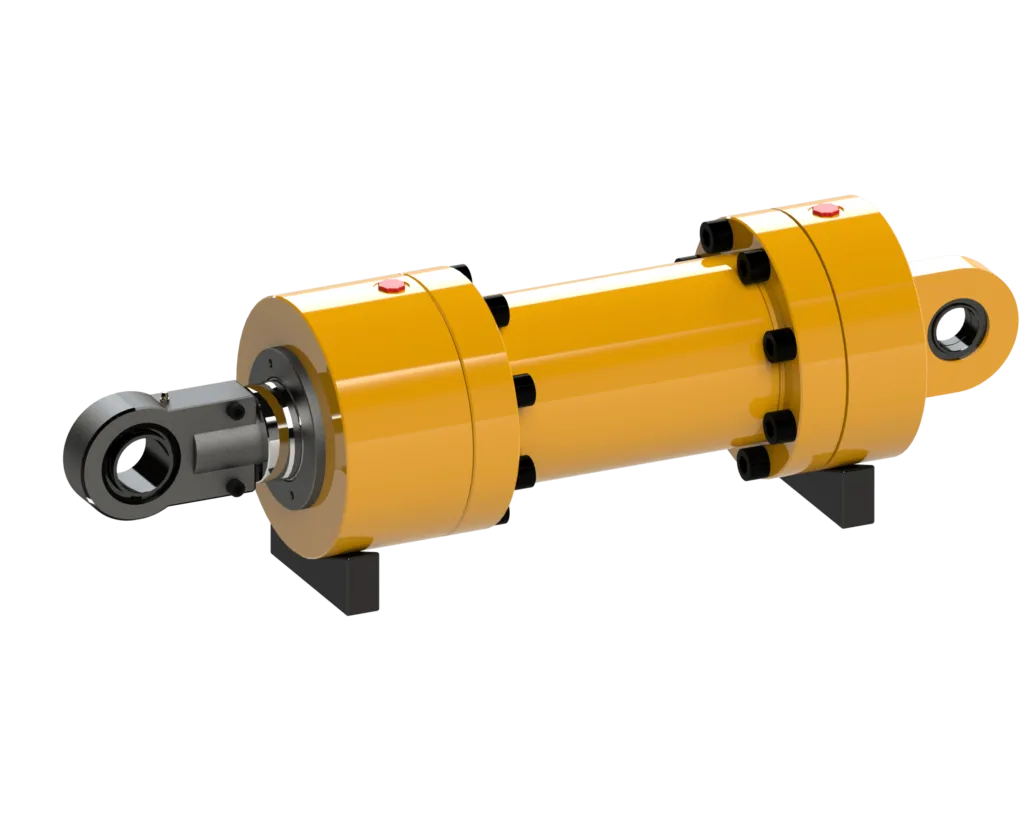
Design Characteristics
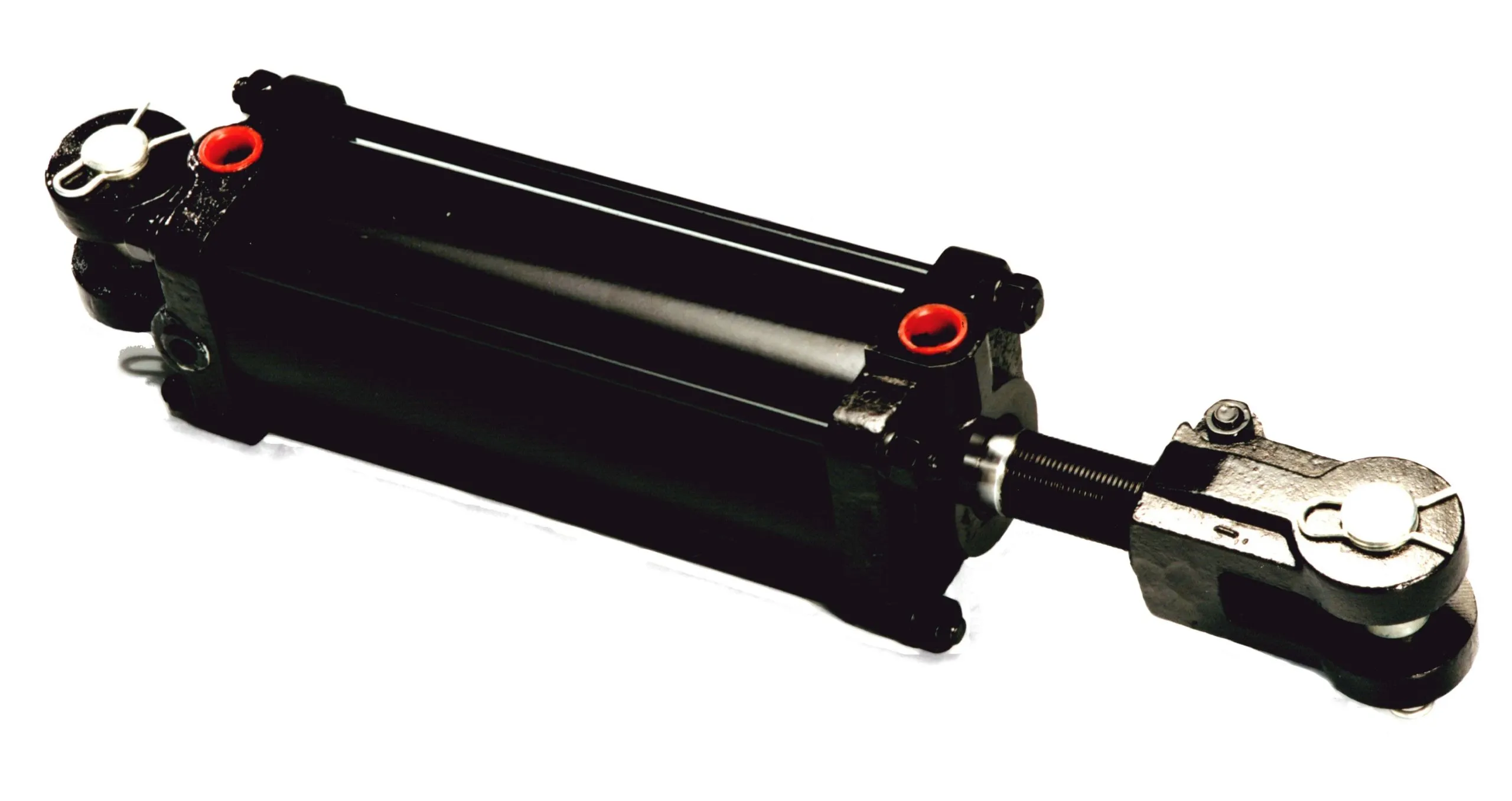
- Locking Mechanism – Safety
- Durable Materials – High-Strength Steel
- Compact Design – Space Saving
The use of a specific locking device allows the cylinder to maintain the load without pressure, ensuring safety and simplifying operation for operators to control locking and unlocking easily, thereby improving work efficiency.
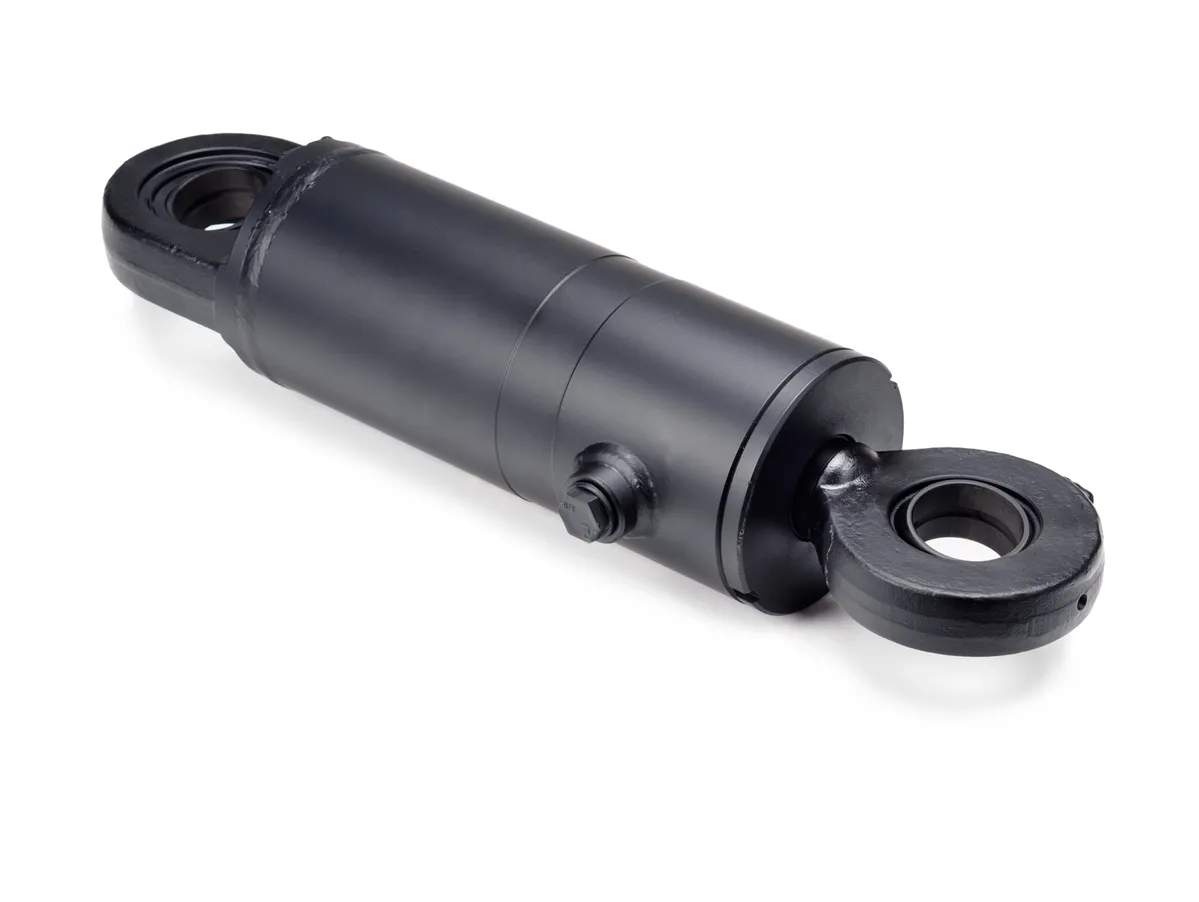
Locking welded hydraulic cylinders are usually made of high-strength steel, enhancing durability, compression resistance, and anti-corrosion coating to adapt to harsh environments.
The compact design of locking cylinders makes them suitable for applications with limited space and versatile for use in various equipment, making them adaptable.
Construction Characteristics
- Welded Process – Precision Welded
- Easy Installation – Modular Design
- Strong Applicability – Variety of Applications
High-precision welded technology ensures the strength and tightness of the cylinder block, with seamless connection for leak-proof operation.
Many locking cylinders feature a modular design for easy installation and maintenance, with a standard interface for compatibility with other devices.
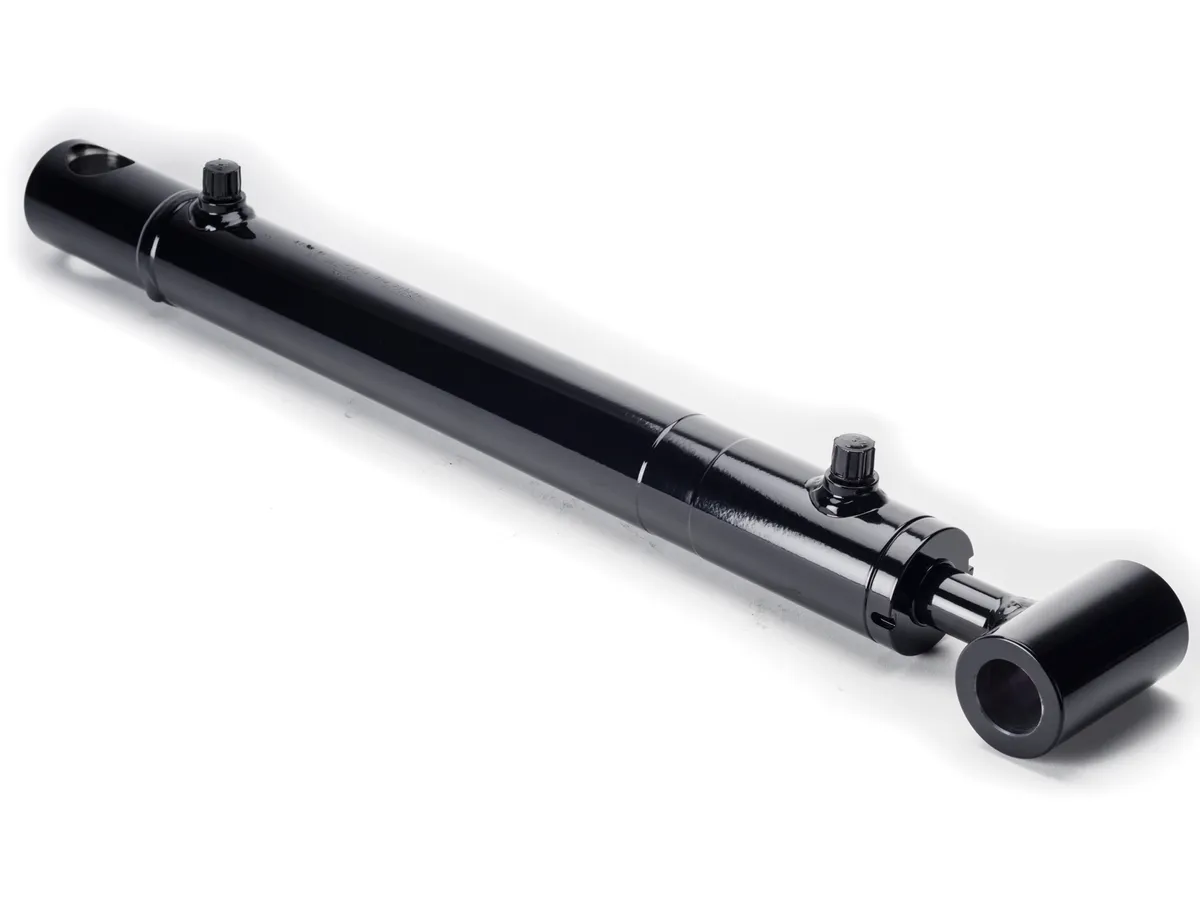
Locking welded hydraulic cylinders are suitable for construction, agriculture, manufacturing, and other industries, meeting diverse operational needs with high load capacity for heavy work.
Working Principle
The working principle of locking welded hydraulic cylinder involves the transfer of force through liquid, piston movement, workload management, sealing system operation, and pressure release mechanism to ensure efficient and safe hydraulic crane operations.
Types and Configurations
There are three main types of locking welded hydraulic cylinders available, each with unique configurations tailored to specific hydraulic crane requirements, offering enhanced performance and reliability in various applications.
Top Five Advantages
Safety
Locking features enhance safety during operation by securely holding the load.
Efficiency
Locking welded hydraulic cylinders improve operational efficiency by streamlining processes and reducing downtime.
Versatility
These cylinders offer adaptability to different applications and environments, making them a versatile solution for hydraulic cranes.
Performance Characteristics
Key performance characteristics of locking welded hydraulic cylinders include the locking mechanism, durability, compact design, and high load capacity, ensuring reliable and efficient crane operation.
Industries and Applications
Locking welded hydraulic cylinders are widely used in construction, agriculture, manufacturing, ships, and offshore applications, providing crucial support for cranes, loaders, tractors, presses, and automation equipment in various industries.
Design Considerations and Selection Criteria
When selecting locking welded hydraulic cylinders, consider factors such as bearing capacity, sealing, durability, safety, and maintainability to ensure optimal performance and longevity in hydraulic crane operations.
Sealing and Lubrication
Proper sealing and lubrication are essential for locking welded hydraulic cylinders, utilizing seals such as piston seals, rod seals, and wear-resistant materials to enhance wear resistance and longevity, with regular hydraulic oil lubrication for optimal performance.
Preventive Maintenance
Regular inspection and preventive maintenance measures are essential for ensuring the longevity and optimal performance of locking welded hydraulic cylinders, including seal replacement, lubrication, and calibration inspections to prevent potential issues.
Installation Guide
Correct installation of locking welded hydraulic cylinders is crucial for their efficient operation, involving proper alignment, mounting, and connection to ensure safe and reliable crane performance.
Maintenance Tasks
Common maintenance tasks for locking welded hydraulic cylinders include regular inspection, proper lubrication, seal replacement, and calibration checks to maintain optimal performance and extend the service life of hydraulic cranes.
Safety Considerations
Ensuring safety measures and environmental factors are crucial when using locking welded hydraulic cylinders to prevent accidents and maintain a safe working environment for crane operators and personnel.
Fault Diagnosis and Solutions
Identifying common problems and faults in locking welded hydraulic cylinders is essential for efficient troubleshooting and timely resolution to minimize downtime and ensure smooth crane operation.
FAQs
1. How does the locking mechanism enhance safety during operation?
2. What materials are commonly used in the construction of locking welded hydraulic cylinders?
3. In which industries are locking welded hydraulic cylinders most frequently used?
Long Tail Keywords
1. High-Strength Locking Welded Hydraulic Cylinder
2. Durable Locking Mechanism for Hydraulic Cranes
3. Versatile Locking Welded Cylinder Applications
Our Company
We are a leading hydraulic cylinder replacement manufacturer, offering a complete product line and customized services to meet the diverse needs of hydraulic crane operators. With professional expertise, international certifications, advanced production equipment, and excellent after-sales service, we strive to deliver high-quality locking welded hydraulic cylinders for hydraulic cranes worldwide.
Author: lyl