
The Ultimate Guide to Locking Welded Hydraulic Cylinders
Introduction
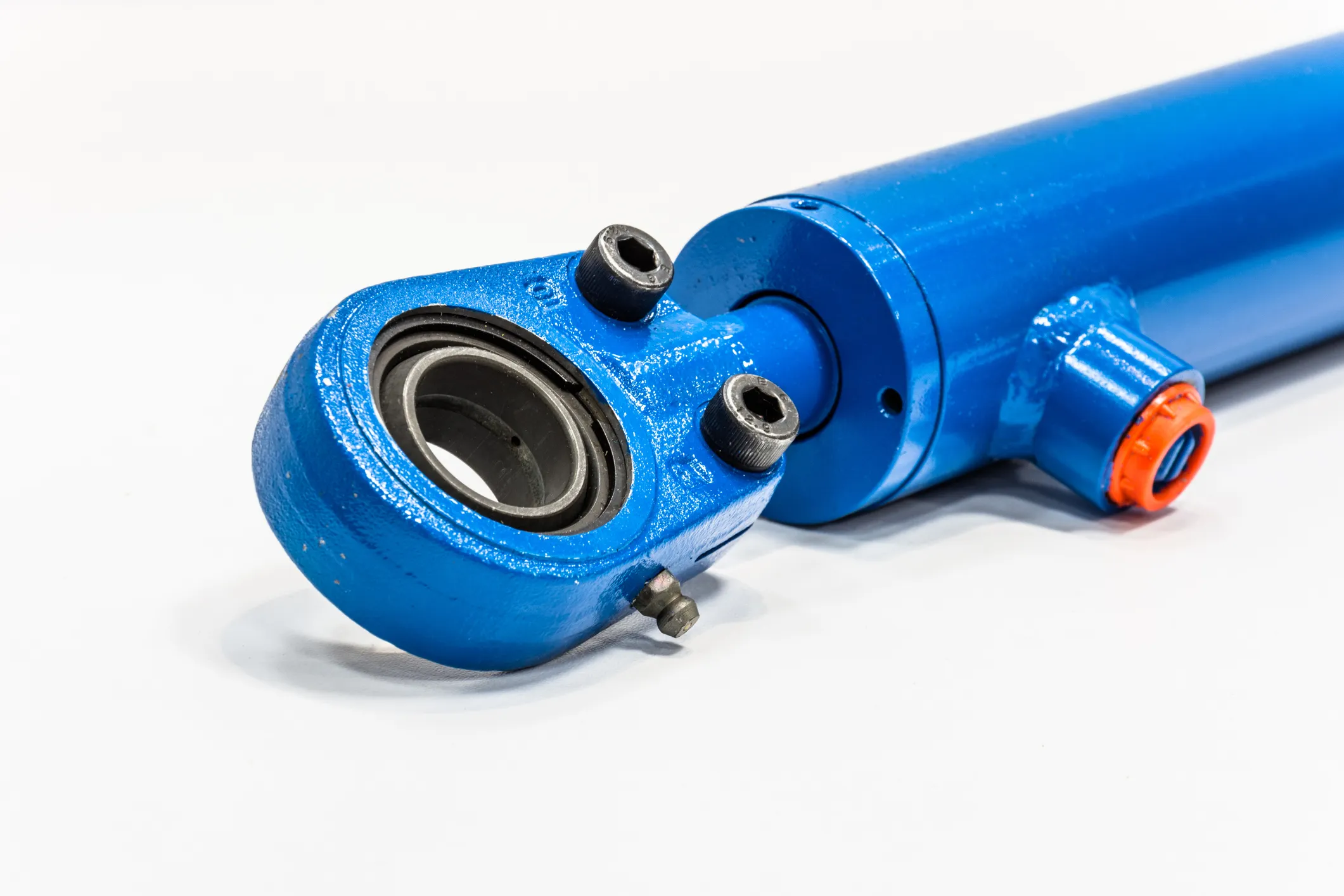
In the world of hydraulic systems, the term “locking welded hydraulic cylinder” may sound complex, but it plays a crucial role in ensuring safety and efficiency. This article will delve into the key aspects of locking welded hydraulic cylinders, including their design, working principle, types, advantages, performance characteristics, applications, maintenance, and more.
Design and Construction Characteristics
Design Characteristics
- Locking Mechanism – Safety: Utilizes a specific locking device to maintain loads without pressure, ensuring safety and simplifying operations.
- Durable Materials – High-Strength Steel: Typically made from high-strength steel for enhanced durability and corrosion resistance.
- Compact Design – Space Saving: Ideal for applications with limited space and offers versatility across various equipment.

Construction Characteristics
- Welded Process – Precision Welded: Utilizes high-precision welding technology to ensure strength and tightness of the cylinder block.
- Easy Installation – Modular Design: Features a modular design for easy installation and maintenance, with a standard interface for compatibility with other devices.
- Strong Applicability – Variety of Applications: Suitable for construction, agriculture, manufacturing, and other industries with high load capacity.
Working Principle
The locking welded hydraulic cylinder operates by transferring force through liquid, resulting in piston movement to perform the workload. It features a sealing system to maintain pressure and a pressure release mechanism for safe operation.
Types and Configurations
There are three main types of locking welded hydraulic cylinders, each with unique configurations tailored to specific applications. These cylinders offer diverse functionalities and performance characteristics to meet varying operational needs.
Advantages
Locking welded hydraulic cylinders offer numerous advantages, including enhanced safety features, improved operational efficiency, and versatile applications across different industries. These cylinders are known for their durability, compact design, and high load capacity.
Performance Characteristics
Key performance characteristics of locking welded hydraulic cylinders include secure load holding mechanisms, durable materials for wear resistance, space-saving compact designs, and high load capacities for heavy-duty operations.
Industries and Applications
Locking welded hydraulic cylinders are widely used in construction, agriculture, manufacturing, ships, and offshore applications. These cylinders are essential components in machinery such as cranes, loaders, presses, and automation equipment.
Design Considerations and Selection Criteria
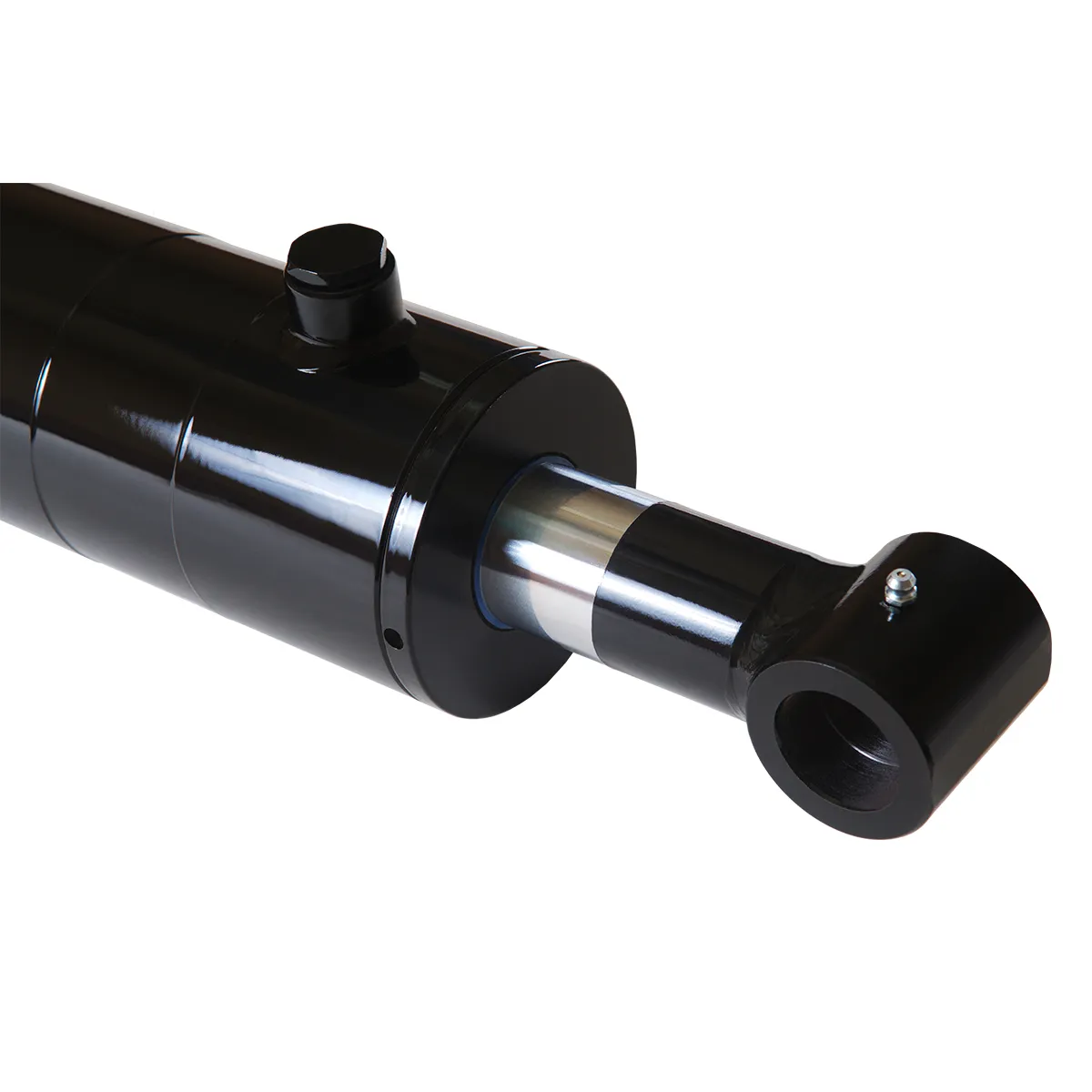
When selecting locking welded hydraulic cylinders, consider factors such as bearing capacity, sealing efficiency, durability, safety features, and maintainability. These design considerations are crucial for optimal performance and longevity of the cylinders.
Sealing and Lubrication
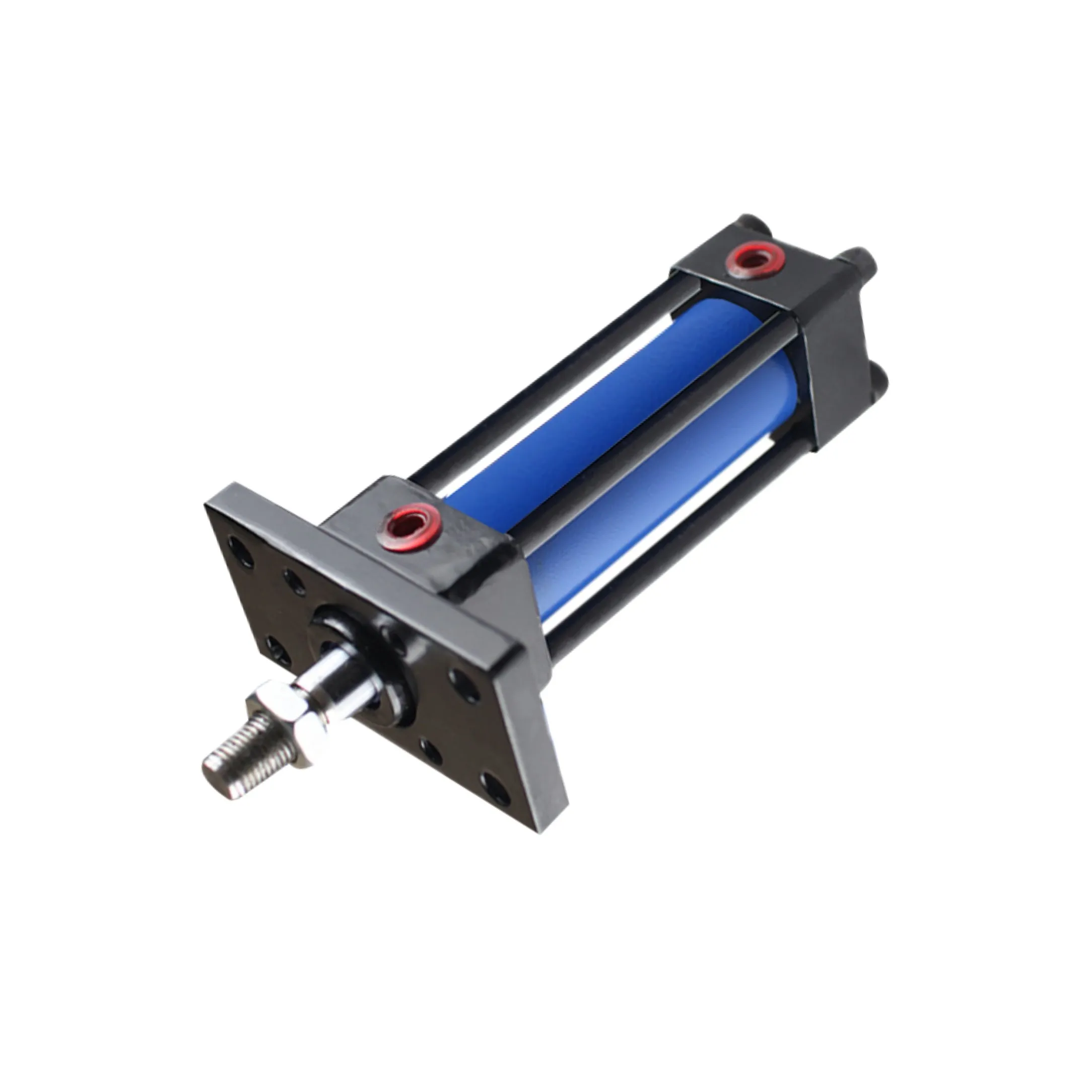
Proper sealing and lubrication are essential for the optimal functioning of locking welded hydraulic cylinders. The use of high-quality seals, wear-resistant materials, and regular lubrication maintenance are key factors in ensuring longevity and efficiency.
Maintenance and Safety
Regular inspection and preventive maintenance measures are vital for ensuring the safe and efficient operation of locking welded hydraulic cylinders. Following proper installation guidelines, lubrication procedures, and safety precautions can help prevent potential issues and extend the lifespan of the cylinders.
Company Focus
Our company specializes in hydraulic cylinder replacements and is recognized as a leading manufacturer and distributor in the domestic and international markets. We offer a complete product line, professional services, international certifications, customized solutions, state-of-the-art production equipment, and reliable after-sales support.
Author: lyl