
Understanding Mill-Type Welded Hydraulic Cylinder Dimensional Tolerances
Introduction
In the realm of hydraulic systems, mill-type welded hydraulic cylinders play a crucial role in providing efficient and reliable power transmission. These specialized cylinders are meticulously designed and engineered to withstand high pressures and heavy loads, making them indispensable components in various industrial applications. Let’s delve deeper into the intricacies of mill-type welded hydraulic cylinders and explore their design, working principles, advantages, and applications.
Design Characteristics
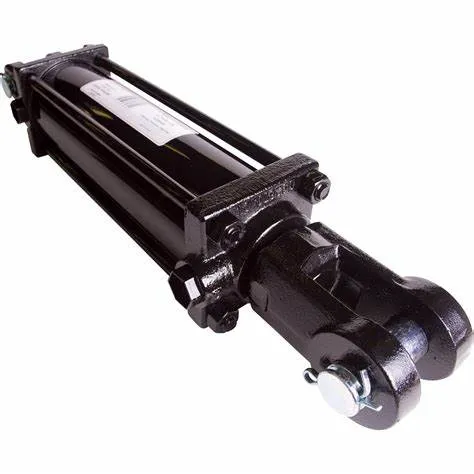
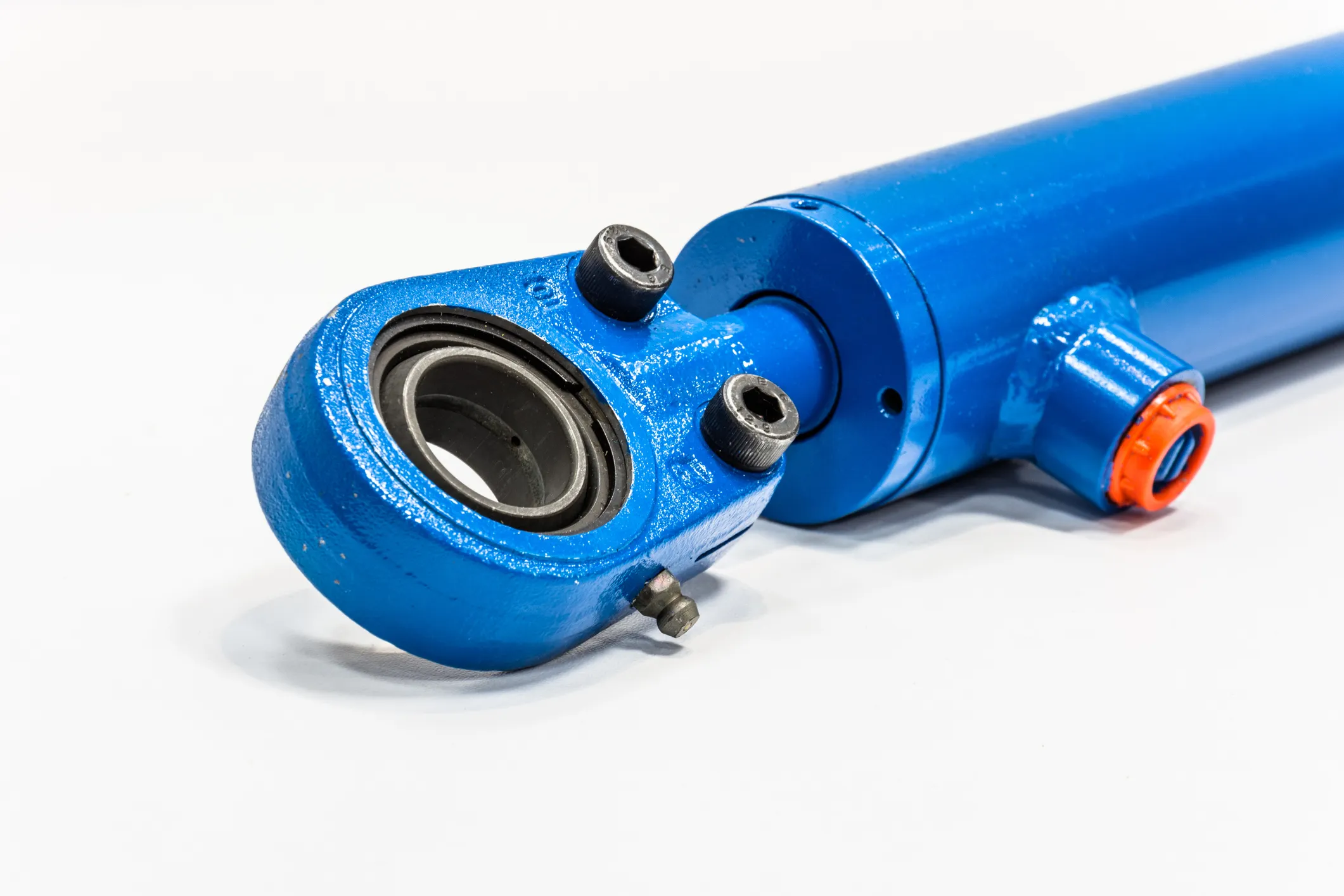
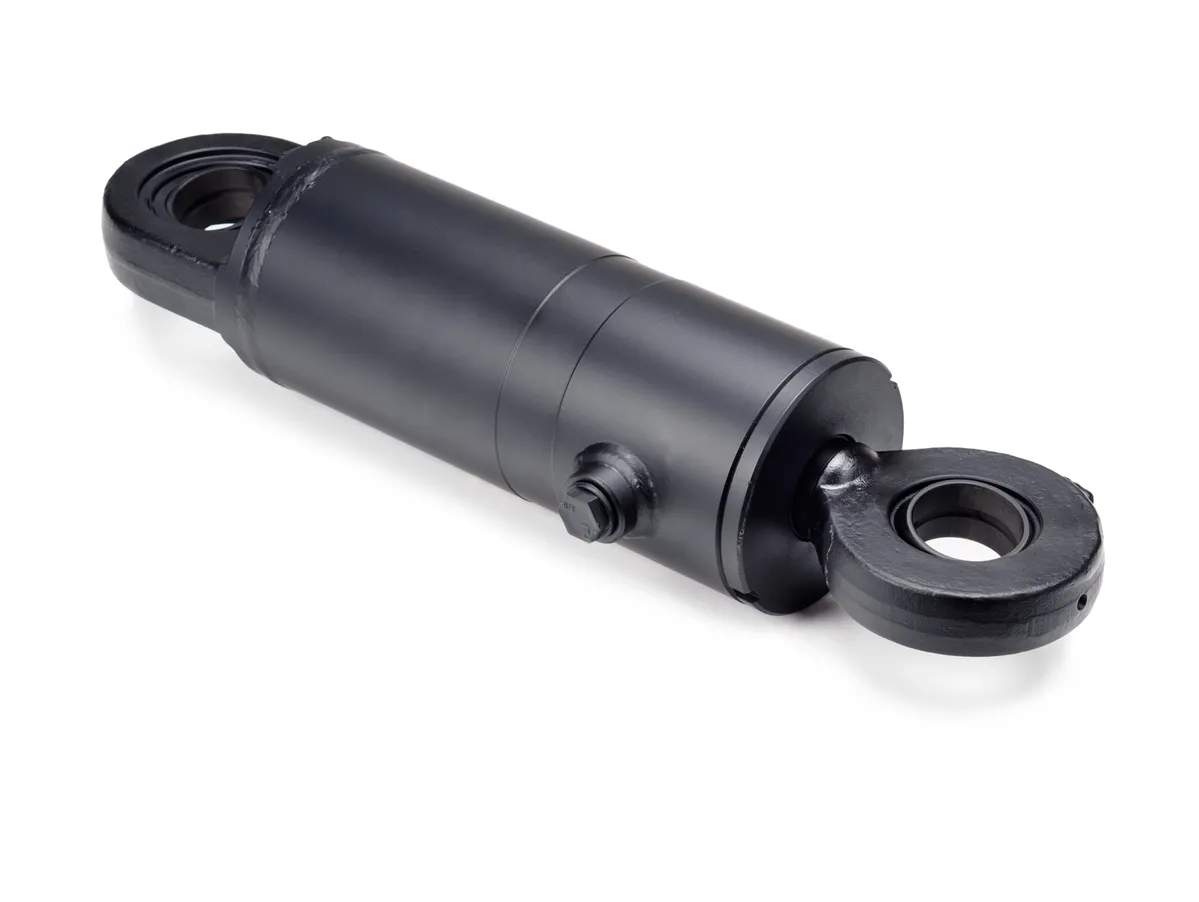
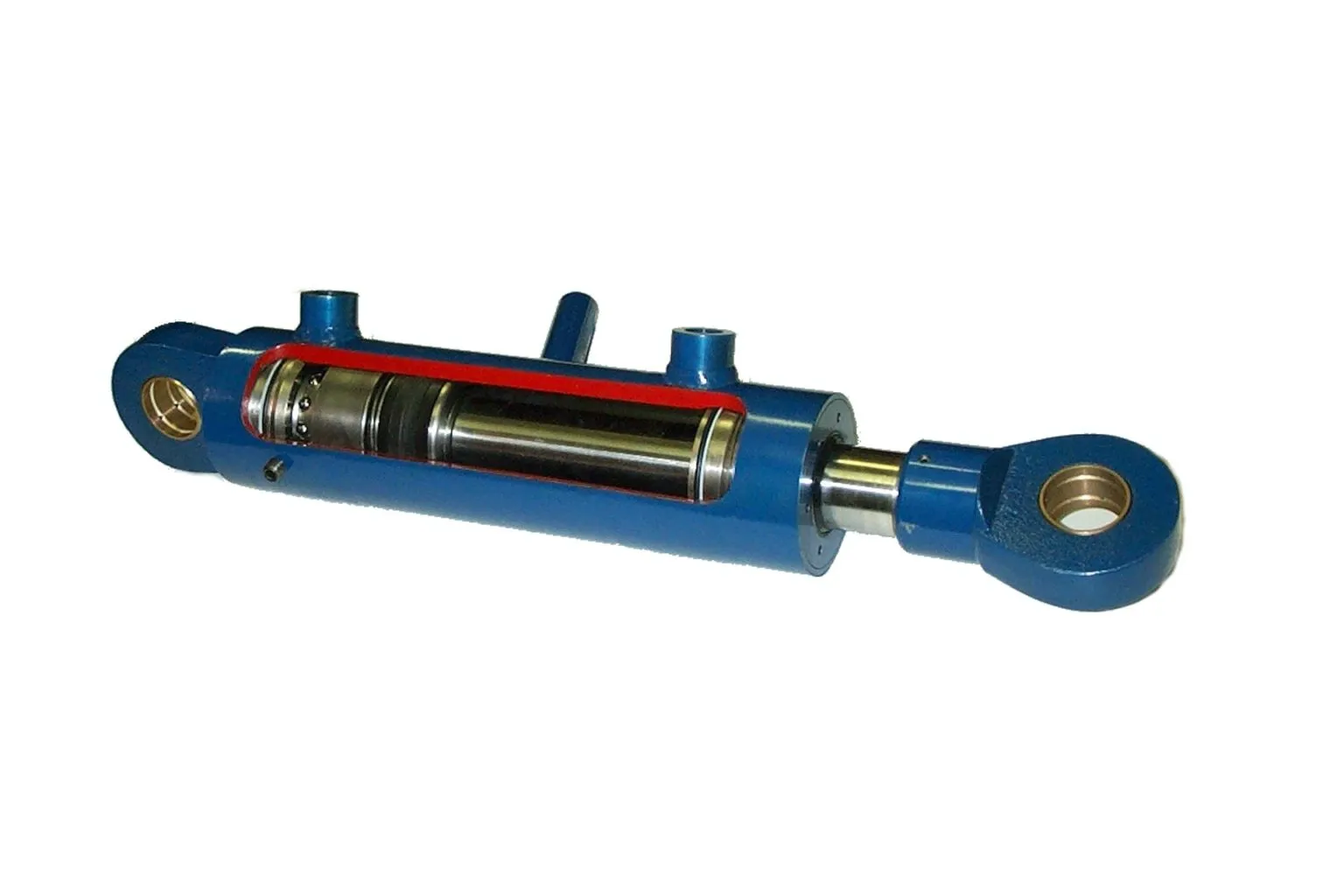
When it comes to the design of mill-type welded hydraulic cylinders, attention to detail is paramount. These cylinders typically consist of key components such as the shell, inner cylinder, piston, and various seals. The manufacturing process involves intricate welding techniques to ensure optimal strength, durability, and performance. Welding technology plays a crucial role in achieving precise dimensional tolerances and maintaining structural integrity.
Working Principle
The working principle of mill-type welded hydraulic cylinders is based on the conversion of hydraulic energy into mechanical force. As hydraulic fluid is pressurized, it acts on the piston, causing linear motion. This linear motion is then utilized to perform various tasks such as lifting heavy loads, pushing or pulling objects, and controlling machinery in a controlled manner.
Types and Configurations
There are three main types of mill-type welded hydraulic cylinders, each with its unique configuration to suit different applications. These include single-acting cylinders, double-acting cylinders, and telescopic cylinders. Each type offers specific advantages in terms of stroke length, load capacity, and operational flexibility.
Advantages
- High load capacity: Mill-type welded hydraulic cylinders can handle heavy loads with ease.
- Long stroke: These cylinders offer extended stroke lengths for versatile applications.
- Ruggedly durable: Designed to withstand harsh operating conditions for long-lasting performance.
Performance Characteristics
Mill-type welded hydraulic cylinders typically operate within a specific pressure range, depending on the application requirements. Factors such as load capacity, speed, and responsiveness influence the cylinder’s performance. Selecting the right cylinder size and configuration is crucial for optimal performance and efficiency.
Applications
Mill-type welded hydraulic cylinders find widespread use in industries such as heavy equipment, industrial machinery, mining operations, and more. These cylinders are integral components in various machinery and equipment, providing reliable power transmission and precise control.
Design Considerations
When designing and selecting mill-type welded hydraulic cylinders, factors such as bearing capacity, sealing, durability, safety, and maintainability must be carefully considered. These considerations ensure that the cylinders meet specific performance requirements and operational demands.
Sealing and Lubrication
Proper sealing and lubrication are essential for the optimal performance of mill-type welded hydraulic cylinders. Various seals, including piston seals, rod seals, and wear-resistant materials, are used to prevent leakage and ensure smooth operation. Regular lubrication maintenance is necessary to enhance wear resistance and prolong the cylinder’s lifespan.
Maintenance and Safety
Regular inspection and preventive maintenance measures are essential to ensure the safe and reliable operation of mill-type welded hydraulic cylinders. Proper installation, lubrication, and maintenance practices can help prevent premature wear and malfunctions, minimizing downtime and costly repairs.
Fault Diagnosis and Troubleshooting
When troubleshooting common problems with mill-type welded hydraulic cylinders, it’s crucial to identify the root cause and implement effective solutions. By diagnosing faults early and addressing them promptly, you can prevent potential issues and ensure continuous operation.
Key Questions
1. What are the advantages of mill-type welded hydraulic cylinders?
2. What are the main components of a mill-type welded hydraulic cylinder?
3. How do mill-type welded hydraulic cylinders differ from other types?
Long Tail Keywords
- Mill-Type Welded Hydraulic Cylinder Design
- High-Performance Mill-Type Hydraulic Cylinders
- Customized Mill-Type Cylinder Solutions
Our Company
We are a leading hydraulic cylinder replacement manufacturer, offering a comprehensive product line for various industrial applications. With a strong focus on quality, innovation, and customer satisfaction, we have established ourselves as a trusted partner in the hydraulic industry. Our international certifications, customized services, state-of-the-art production equipment, and dedicated after-sales support set us apart as a reliable and reputable supplier.
Author: lyl