

Telescopic Single-Acting Hydraulic Cylinder Design Features
Introduction to Telescopic Single-Acting Hydraulic Cylinder
In the realm of hydraulic applications, the telescopic single-acting hydraulic cylinder stands out as a versatile and efficient component. This article delves into the design, working principle, advantages, applications, maintenance, and safety considerations of these cylinders.
Design and Construction Characteristics
The telescopic single-acting hydraulic cylinder comprises various components that work in harmony to achieve hydraulic power transmission. The main components include:
- Outer cylinder
- Internal stages
- Piston
- Seals
- Materials


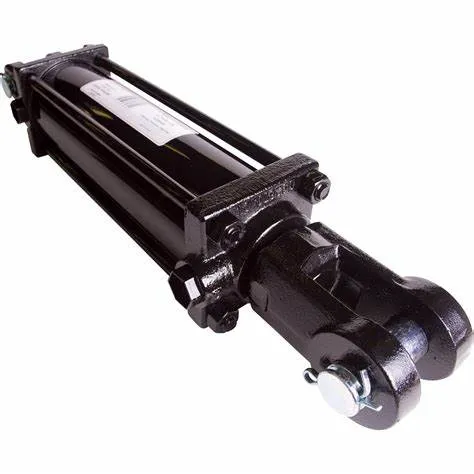

Seals
The seals, such as O-rings and wiper seals, play a crucial role in preventing leaks and maintaining pressure within the cylinder.
Materials
These cylinders are crafted from high-strength steel for durability, with aluminum for lightweight applications, and coated for corrosion resistance.
Working Principle
The telescopic single-acting hydraulic cylinder operates by applying hydraulic pressure in one direction to extend its length while using a spring or gravity to contract back.
Types and Configurations
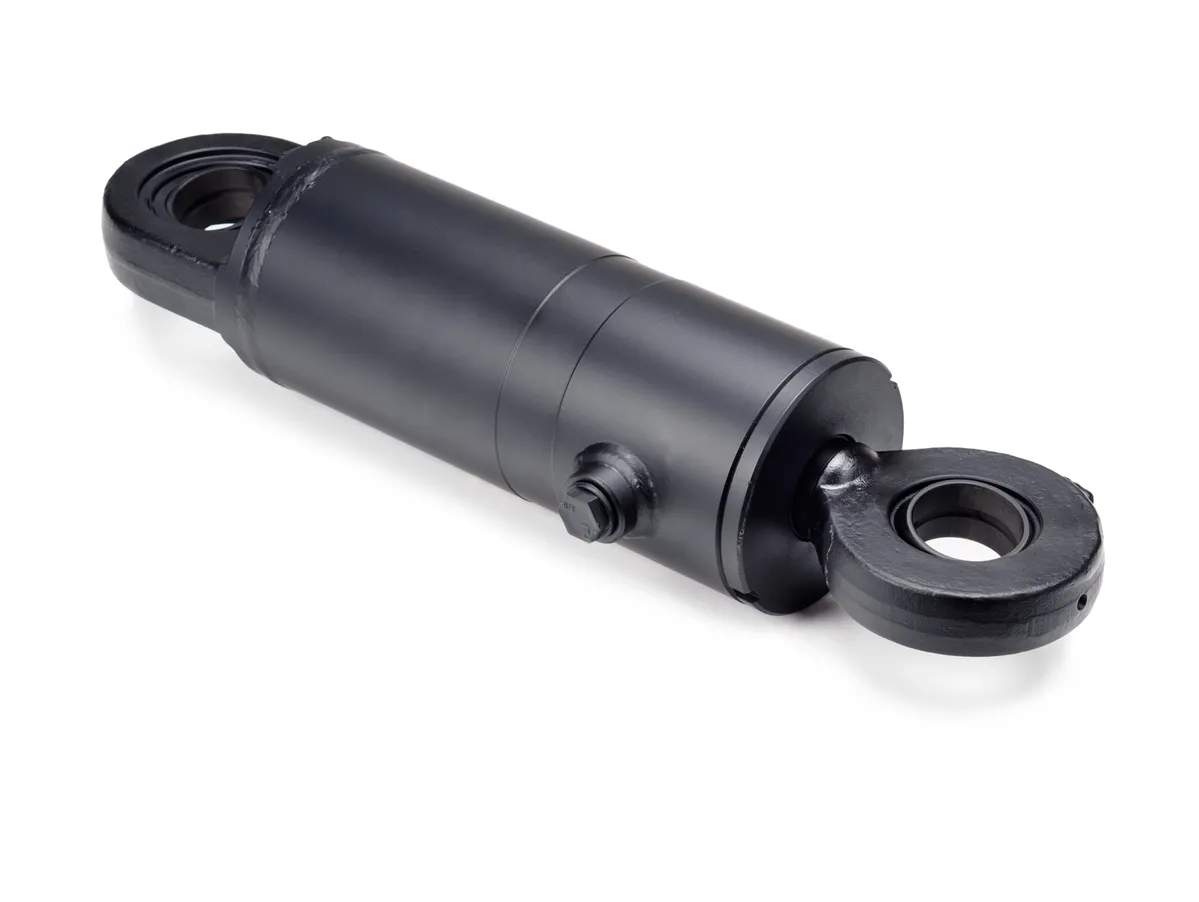
There are three main types of telescopic single-acting hydraulic cylinders, each serving specific purposes in various industries.

Advantages
- Space efficiency
- High force output
- Versatility
Application Scenarios
These cylinders find applications in diverse fields, from construction to marine environments, due to their adaptability and efficiency.
Design Considerations
When selecting these cylinders, factors such as bearing capacity, sealing, durability, safety, and maintainability should be carefully considered to ensure optimal performance.
Sealing and Lubrication
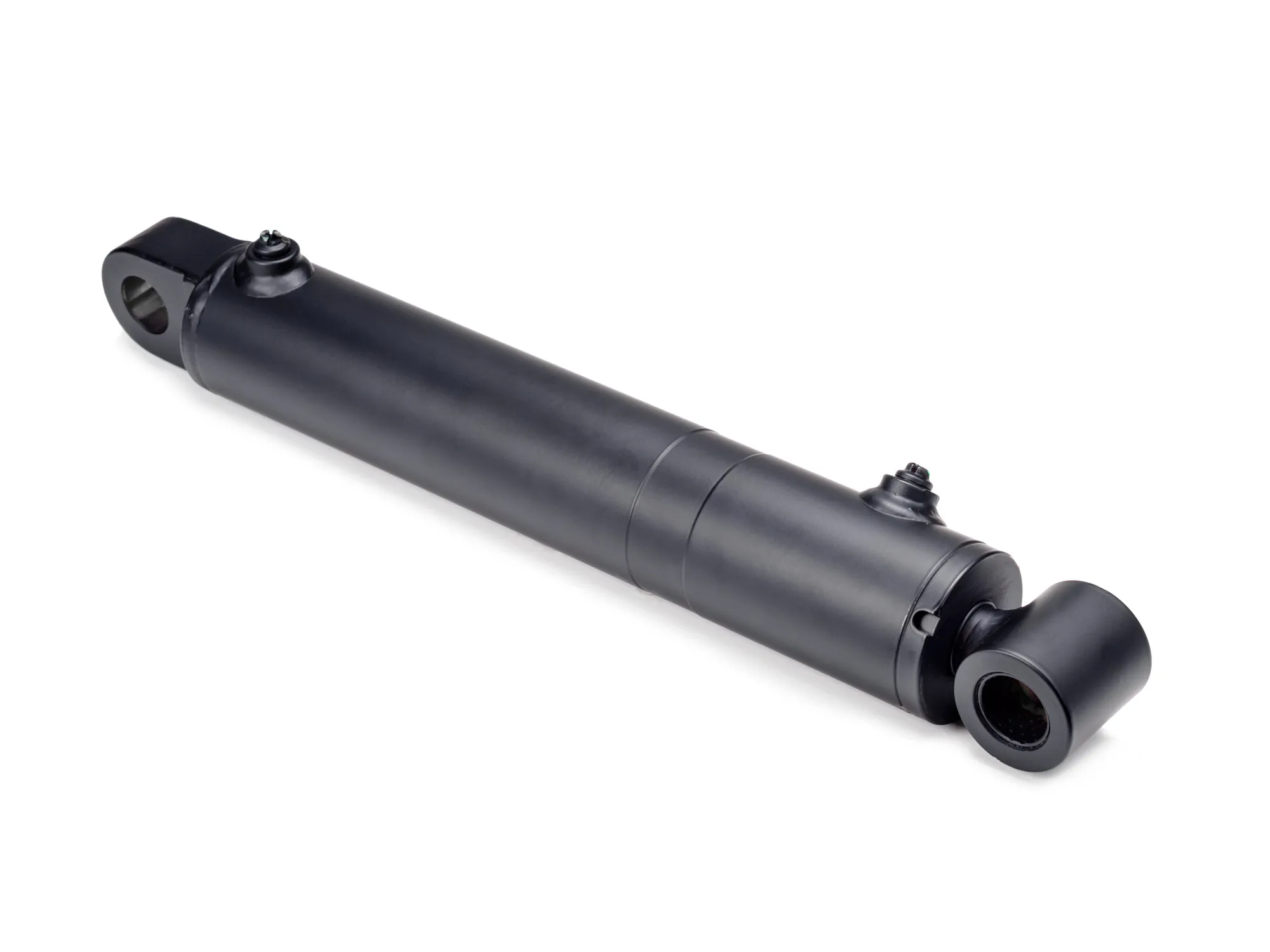

Proper sealing and lubrication are essential for the longevity and efficiency of telescopic single-acting hydraulic cylinders. Regular maintenance is key to preventing wear and tear.
Maintenance and Troubleshooting
Regular inspection, lubrication, seal replacements, and calibration are vital maintenance tasks to ensure the smooth operation of these cylinders.
Unit Power and Optimization
The unit power of these cylinders can be optimized by considering factors like cylinder diameter, operating pressure, piston speed, and load conditions to enhance efficiency and reliability.
Company Spotlight
Our company specializes in manufacturing high-quality hydraulic cylinders, offering a complete product line and customized services to cater to the needs of various industries.
Author: lyl