The Applications Of Telescopic Single-Acting Hydraulic Cylinders In Oil And Gas
Introduction
The telescopic single-acting hydraulic cylinder is a vital component in hydraulic applications, offering unique capabilities for various industries. This article will delve into the design, working principle, advantages, applications, maintenance, and safety considerations of telescopic single-acting hydraulic cylinders, with a focus on its usage in the oil and gas sector.
Design and Construction Characteristics
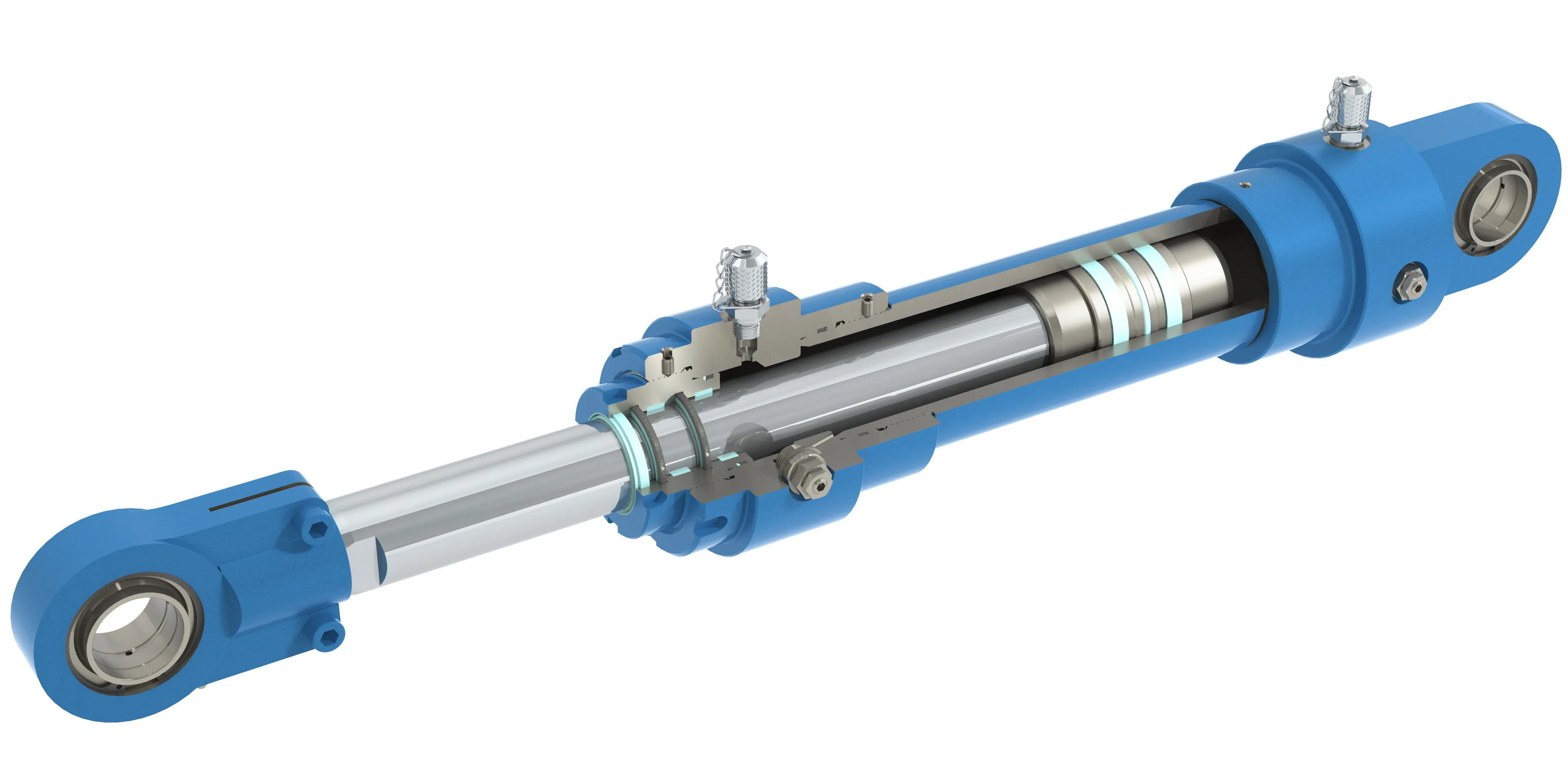
Telescopic single-acting hydraulic cylinders consist of key components such as the outer cylinder, internal stages, piston, and seals. The gradual expansion of internal stages allows for compact storage and extended reach. Materials like high-strength steel and aluminum ensure durability and corrosion resistance.
Working Principle
The telescopic single-acting hydraulic cylinder operates by applying hydraulic pressure to extend its length from a compact form. The spring or gravity then contracts the cylinder, providing a unidirectional force for various applications.
Types and Configurations
There are three main types of telescopic single-acting hydraulic cylinders, each designed for specific functions and industries. These variations offer flexibility and efficiency in usage.
Advantages
- Space Efficiency: Ideal for compact spaces like dump trucks
- High Force Output: Capable of lifting heavy loads
- Versatility: Widely applicable in construction, agriculture, and transportation
Application Scenarios
Telescopic single-acting hydraulic cylinders are used in diverse applications such as dump trucks, cranes, and oil rigs. Their adaptability and strength make them indispensable in the oil and gas industry.
Design Considerations and Selection Criteria
When choosing a telescopic single-acting hydraulic cylinder, factors like bearing capacity, sealing, durability, safety, and maintainability must be carefully considered to ensure optimal performance and longevity.
Sealing and Lubrication
Proper sealing and lubrication are crucial for the efficient operation of telescopic single-acting hydraulic cylinders. Regular maintenance and the use of high-quality seals and lubricants are essential for preventing leaks and ensuring smooth functioning.
Preventive Maintenance
Routine inspection, lubrication, and seal replacement are key maintenance tasks that can prolong the service life of telescopic single-acting hydraulic cylinders. Following proper installation and maintenance procedures is essential for optimal performance.
Unit Power
The unit power of telescopic single-acting hydraulic cylinders is influenced by factors such as cylinder diameter, operating pressure, piston speed, and load conditions. Optimizing unit power can enhance efficiency, energy savings, and reliability.
Company Focus
Our company specializes in manufacturing hydraulic cylinder replacements and has established itself as a leading distributor in the domestic and international markets. With a complete product line and a commitment to quality and service, we cater to the diverse needs of our customers.
Conclusion
Telescopic single-acting hydraulic cylinders play a crucial role in the oil and gas industry, offering efficiency, reliability, and versatility in various applications. Understanding their design, working principles, and maintenance requirements is essential for maximizing their performance and longevity.
Author: lyl