
The Significance Of Energy Efficiency In Telescopic Single-Acting Hydraulic Systems

Understanding Telescopic Single-Acting Hydraulic Cylinders
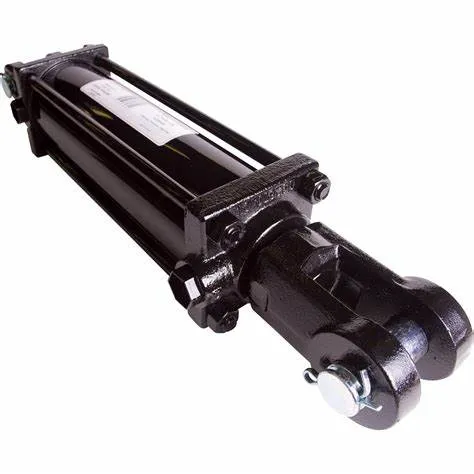
In the realm of hydraulic applications, telescopic single-acting hydraulic cylinders play a vital role. These specialized cylinders offer unique design and construction characteristics that set them apart from standard hydraulic cylinders. Let’s delve into the intricacies of these powerful components.
Design and Construction Characteristics
When it comes to the design of telescopic single-acting hydraulic cylinders, several key components contribute to their functionality:
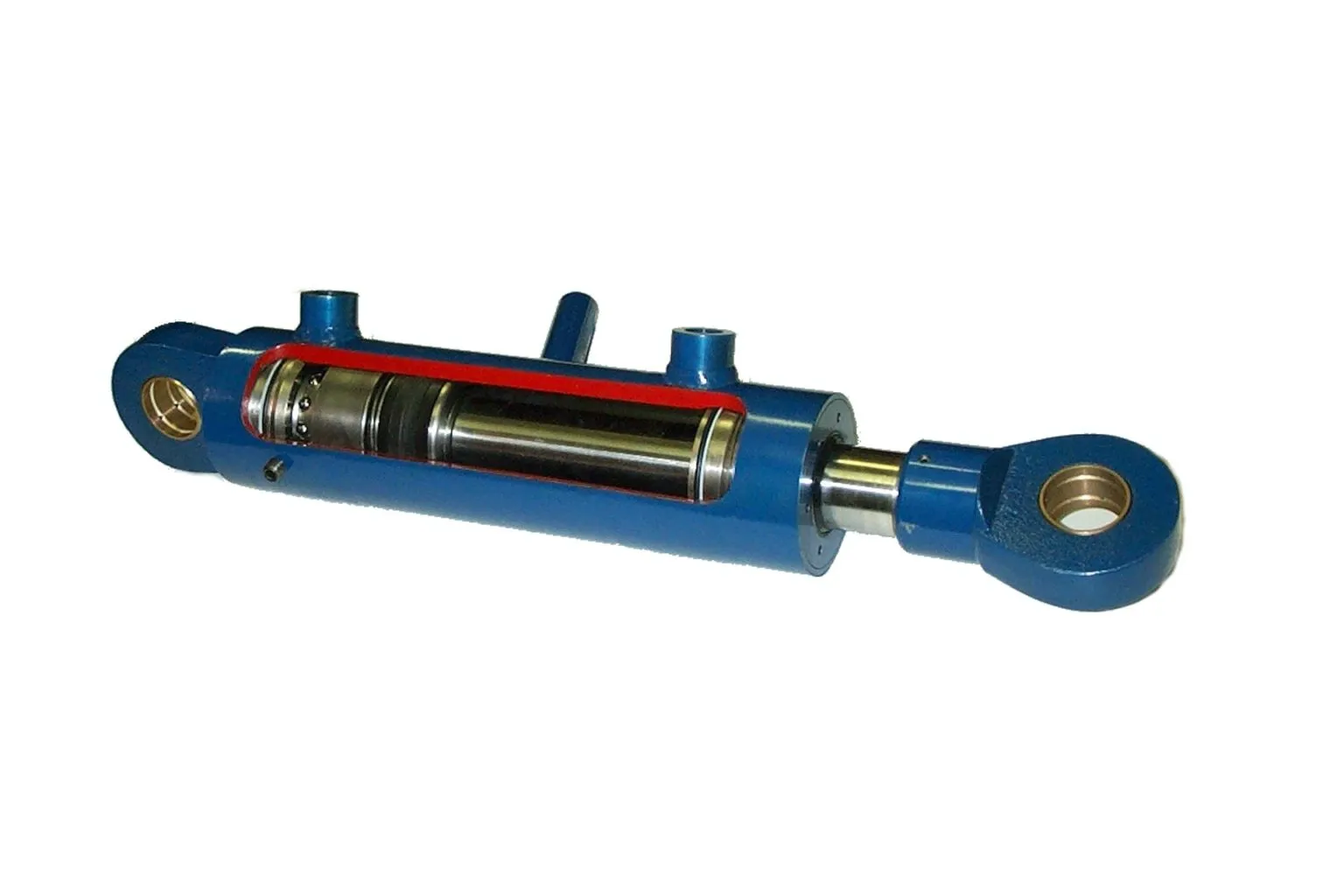
- Outer Cylinder: The external shell housing the internal stages
- Internal Stage: The stages within the outer cylinder that allow for gradual expansion
- Piston: The component responsible for pushing hydraulic fluid
- Seals: Various types of seals like O-rings and wiper seals prevent leaks and maintain pressure
- Materials: High-strength steel for durability, aluminum for lightweight applications, and corrosion-resistant coatings
Working Principle
The working principle of telescopic single-acting hydraulic cylinders revolves around their telescopic action. These cylinders extend from a compact form when hydraulic pressure is applied in one direction, utilizing a spring or gravity to contract. This mechanism allows for efficient operation in various applications.
Types and Configurations
Telescopic single-acting hydraulic cylinders come in three main types and configurations, each tailored to specific needs. Understanding the nuances of these variations is key to selecting the right cylinder for the job.
Advantages
These cylinders offer several advantages, including space efficiency, high force output, and versatility across industries. Their compact design, powerful force generation, and adaptability make them indispensable in numerous applications.
Application Scenarios
Telescopic single-acting hydraulic cylinders find use in diverse scenarios where space efficiency, high force output, and adaptability are critical. From construction to marine environments, these cylinders excel in meeting the demands of various industries.
Design Considerations and Selection Criteria
When selecting telescopic single-acting hydraulic cylinders, factors like bearing capacity, sealing, durability, safety, and maintainability must be carefully evaluated to ensure optimal performance and longevity.
Sealing and Lubrication
Proper sealing and lubrication are essential for the efficient operation of these cylinders. Utilizing high-quality seals and lubricants enhances performance and extends the lifespan of the components.
Maintenance and Safety
Regular inspection, preventive maintenance measures, and adherence to safety protocols are crucial for ensuring the safe and efficient operation of telescopic single-acting hydraulic cylinders.
Unit Power and Optimization
Understanding unit power and optimizing the power unit of these cylinders can significantly enhance efficiency, energy savings, and reliability. Factors like cylinder diameter, operating pressure, piston speed, and load conditions play a pivotal role in determining unit power.
Common Questions
Answering common queries about telescopic single-acting hydraulic cylinders sheds light on their functionality, components, applications, advantages, and materials used in construction.
Long-Tail Keywords
Exploring long-tail keywords related to telescopic single-acting hydraulic cylinders provides valuable insights into specific aspects of these components.
Our Company
As a leading manufacturer and wholesale distributor of hydraulic cylinder replacements, we prioritize quality, innovation, and customer satisfaction. Our extensive product line, international certifications, customized services, state-of-the-art production equipment, and dedicated after-sales support set us apart in the industry.
Author: lyl