
The Versatile Tie-Rod Hydraulic Cylinder: A Comprehensive Guide
Introduction to Tie-Rod Hydraulic Cylinders

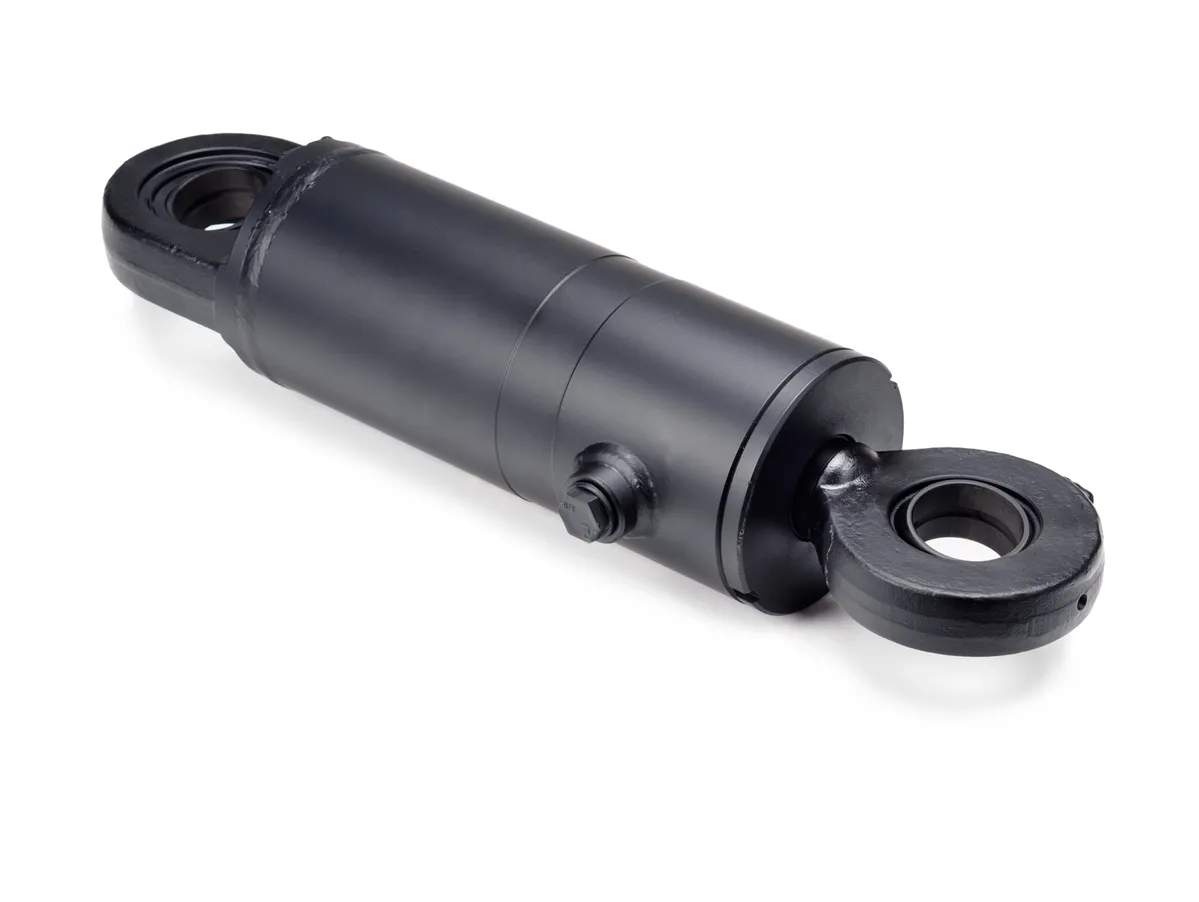
Tie-rod hydraulic cylinders are essential components in various industries, providing linear force and motion for a wide range of applications. These cylinders consist of a cylinder barrel, piston, tie-rods, and other components that work together to convert hydraulic power into mechanical force.
Structure and Function
The cylinder barrel houses the piston, which moves back and forth to generate force. The tie-rods secure the end caps to the barrel, ensuring structural integrity and preventing leaks. These cylinders are commonly used in presses, where precise force and motion control are required.
Importance and Application
Tie-rod hydraulic cylinders play a crucial role in industries such as manufacturing, construction, agriculture, and material handling. They are used in hydraulic presses, injection molding machines, and other equipment that requires controlled linear motion.
Design and Construction of Tie-Rod Hydraulic Cylinders
The design of tie-rod hydraulic cylinders involves various components that work together to ensure efficient operation. The cylinder barrel provides a smooth surface for the piston to move, while the tie-rods keep the cylinder structure intact.
Components and Roles
Each component, including the piston, seals, and hydraulic fluid, plays a vital role in the cylinder’s operation. The piston converts hydraulic pressure into mechanical force, while the seals prevent leaks and maintain pressure. The hydraulic fluid transmits force to the piston, enabling linear motion.
Adaptation to Applications
Tie-rod hydraulic cylinders come in different sizes and configurations to meet specific application requirements. Changes in dimensions, materials, and seals allow for customization based on load capacity, stroke length, and operating pressure.
Working Principle of Draw-Rod Hydraulic Cylinders
Draw-rod hydraulic cylinders operate by using hydraulic fluid to generate force and move the piston. Pressure and flow control mechanisms regulate the movement, ensuring precise operation in various industrial applications.
Force Generation and Transmission
Hydraulic fluid is used to create force within the cylinder, which is then transmitted to the piston. The force generated by the fluid causes the piston to move, converting hydraulic energy into linear motion.
Pressure, Flow, and Control
The principles of pressure and flow govern the operation of draw-rod hydraulic cylinders. Control mechanisms such as valves and actuators regulate the flow of hydraulic fluid, allowing for precise force control and motion adjustment.
Types and Configurations of Draw-Rod Hydraulic Cylinders
Various types of draw-rod hydraulic cylinders are available, each designed for specific applications and load requirements. These cylinders come in different configurations, including single-acting, double-acting, and telescopic designs.
Single-Acting Cylinders
Single-acting cylinders operate in one direction, using hydraulic force to extend the piston. These cylinders are commonly used in applications where force is only required in one direction, such as lifting or pressing.
Double-Acting Cylinders
Double-acting cylinders can apply force in both directions, extending and retracting the piston using hydraulic power. These cylinders are versatile and suitable for applications that require precise force control and motion adjustment.
Advantages of Draw-Rod Hydraulic Cylinders
Draw-rod hydraulic cylinders offer several advantages over other types of cylinders, making them ideal for a wide range of industrial applications. These advantages include a compact design, high load capacity, durability, and cost-effectiveness.
Compact Design
The compact design of draw-rod hydraulic cylinders allows for easy installation in tight spaces, making them ideal for applications where space is limited. Their streamlined construction also reduces the overall weight of the system, improving efficiency.
High Load Capacity
Draw-rod hydraulic cylinders are capable of handling high loads and providing precise force control, making them suitable for heavy-duty applications. The robust design and materials ensure long-lasting performance under extreme conditions.
Durability and Cost-Effectiveness
These cylinders are known for their durability and reliability, requiring minimal maintenance and offering a long service life. Their cost-effectiveness makes them a popular choice for industries looking for efficient and reliable hydraulic solutions.
Applications of Telescopic Hydraulic Cylinders
Telescopic hydraulic cylinders are widely used in various industries, including industrial machinery, construction equipment, farm tools, and material handling systems. These cylinders provide precise force control and motion adjustment, making them versatile in different applications.
Industrial Machinery
Telescopic hydraulic cylinders are commonly used in industrial machinery, such as presses and injection molding machines, where precise force control is required for manufacturing processes. These cylinders ensure smooth and efficient operation, enhancing productivity.
Construction Equipment
In the construction industry, telescopic hydraulic cylinders are used in equipment such as cranes and excavators, providing lifting and positioning capabilities. These cylinders offer stability and control, enabling safe and efficient construction operations.
Farm Tools and Material Handling Systems
Telescopic hydraulic cylinders play a crucial role in farm tools and material handling systems, providing lifting, tilting, and positioning functions. These cylinders are essential for agricultural operations, ensuring efficient production and handling of materials.
Specific Applications of Tie-Rod Hydraulic Cylinders
When selecting tie-rod hydraulic cylinders for specific applications, factors such as load requirements, stroke length, operating pressure, and installation options must be considered. Understanding these factors is essential to ensure optimal performance and efficiency.
Load Requirements
The load capacity of the cylinder must match the application requirements, ensuring that sufficient force is generated to perform the desired tasks. Selecting the right cylinder size and configuration is crucial for achieving optimal performance and reliability.
Stroke Length and Operating Pressure
The stroke length and operating pressure of the cylinder must be compatible with the application’s requirements, ensuring smooth and efficient operation. Properly sizing the cylinder and choosing the right pressure rating is essential for achieving desired performance levels.
Installation Options
Consideration must be given to the installation options available for tie-rod hydraulic cylinders, such as mounting styles and hardware requirements. Proper installation ensures that the cylinder operates correctly and safely, minimizing the risk of malfunctions or accidents.
Importance of Maintenance and Care
Regular maintenance and care of tie-rod hydraulic cylinders are essential to ensure optimal performance and longevity. Proper inspection and preventive maintenance measures can help prevent issues and extend the service life of the cylinders.
Regular Inspection
Regular inspection of tie-rod hydraulic cylinders helps identify potential issues early, allowing for timely repairs and maintenance. Checking for leaks, wear, and damage can help prevent costly repairs and downtime, ensuring continuous operation.
Preventive Maintenance Measures
Implementing preventive maintenance measures, such as proper lubrication, seal replacement, and calibration inspection, can help extend the service life of tie-rod hydraulic cylinders. Regularly scheduled maintenance tasks can improve efficiency and reduce the risk of unexpected failures.
Installation Guide for Tie-Rod Hydraulic Cylinders
Proper installation of tie-rod hydraulic cylinders is crucial for ensuring optimal performance and safety. Following the manufacturer’s guidelines and best practices can help prevent issues and maximize the efficiency of the cylinders.
Installation Steps
1. Ensure proper alignment of the cylinder with the equipment to prevent misalignment or stress.
2. Securely fasten the tie-rods to the end caps to maintain structural integrity and prevent leaks.
3. Check for proper lubrication and seal integrity to ensure smooth operation and prevent wear.
4. Test the cylinder for leaks and proper function before putting it into operation to avoid potential issues.
Maintenance Tasks for Tie-Rod Hydraulic Cylinders
Regular maintenance tasks are essential for preserving the performance and longevity of tie-rod hydraulic cylinders. Common maintenance tasks include regular inspection, proper lubrication, seal replacement, and calibration inspection.
Regular Inspection
Regularly inspecting tie-rod hydraulic cylinders for leaks, wear, and damage can help identify potential issues early and prevent costly repairs. Checking for proper alignment and operation ensures smooth and efficient performance.
Proper Lubrication
Applying the correct lubrication to the cylinder components helps reduce friction, prevent wear, and extend the service life of the cylinders. Proper lubrication maintenance ensures optimal performance and efficiency in various applications.
Seal Replacement and Calibration Inspection
Replacing worn seals and conducting calibration inspections are essential maintenance tasks for tie-rod hydraulic cylinders. Ensuring seal integrity and accurate calibration helps prevent leaks, malfunctions, and performance issues, ensuring reliable operation.
Fault Diagnosis and Common Problems
Diagnosing faults and addressing common problems with tie-rod hydraulic cylinders is essential for maintaining performance and efficiency. Understanding potential issues and implementing effective solutions can help prevent downtime and costly repairs.
Leakage
Leakage is a common problem with hydraulic cylinders and can be caused by worn seals, loose fittings, or hydraulic fluid contamination. Identifying the source of the leak and replacing damaged components can help prevent further issues and maintain performance.
Uneven Extension
Uneven extension of the cylinder piston can indicate internal damage, misalignment, or hydraulic pressure issues. Checking for proper alignment, hydraulic fluid levels, and pressure settings can help resolve uneven extension problems and ensure smooth operation.
Cylinder Misalignment
Cylinder misalignment can result from improper installation, structural damage, or component wear. Realigning the cylinder, checking for structural integrity, and replacing worn components can help correct misalignment issues and prevent further damage.
FAQs about Tie-Rod Hydraulic Cylinders
How do tie-rod hydraulic cylinders differ from other types?
Tie-rod hydraulic cylinders feature a design with tie-rods that secure the end caps to the barrel, providing structural support and preventing leaks. This design allows for easy maintenance and repair, making them versatile for various applications.
What are the main components of a tie-rod hydraulic cylinder?
The main components of a tie-rod hydraulic cylinder include the cylinder barrel, piston, seals, tie-rods, and hydraulic fluid. Each component plays a vital role in converting hydraulic power into mechanical force and ensuring efficient operation.
What are the advantages of using tie-rod hydraulic cylinders?
The advantages of tie-rod hydraulic cylinders include a compact design, high load capacity, durability, and cost-effectiveness. These cylinders are versatile and reliable, making them ideal for industrial applications that require precise force control and motion adjustment.
What are some common applications of tie-rod hydraulic cylinders?
Tie-rod hydraulic cylinders are commonly used in hydraulic presses, injection molding machines, construction equipment, and material handling systems. These cylinders provide controlled linear motion and precise force control, making them essential in various industries.
Long Tail Keywords for Tie-Rod Hydraulic Cylinders
1. Precision Tie-Rod Hydraulic Cylinders for Industrial Applications
2. High-Performance Tie-Rod Hydraulic Cylinders for Presses
3. Customized Tie-Rod Hydraulic Cylinders for Specific Requirements
Company Focus: Hydraulic Cylinder Replacement Manufacturer
Our company is a leading hydraulic cylinder replacement manufacturer, offering a complete product line for various industrial applications. With a focus on quality, reliability, and performance, we have become a trusted supplier in the domestic and international markets.
Professional and International Certification
Our products meet industry standards and quality certifications, ensuring compliance with international regulations and requirements. We strive for excellence in product design, manufacturing, and customer service to meet the needs of our global customers.
Customized Services and Production Equipment
We offer customized solutions and services to meet specific customer requirements, providing tailored hydraulic cylinder solutions for diverse applications. Our state-of-the-art production equipment and technology enable us to deliver high-quality products with precision and efficiency.
After-Sales Service and Support
Our commitment to customer satisfaction includes comprehensive after-sales service and support, ensuring that our products meet performance expectations and requirements. We provide technical assistance, maintenance services, and product warranties to support our customers throughout the product lifecycle.
Author: lyl