
Understanding Tie-Rod Industrial Hydraulic Cylinders
Key Components and Structure
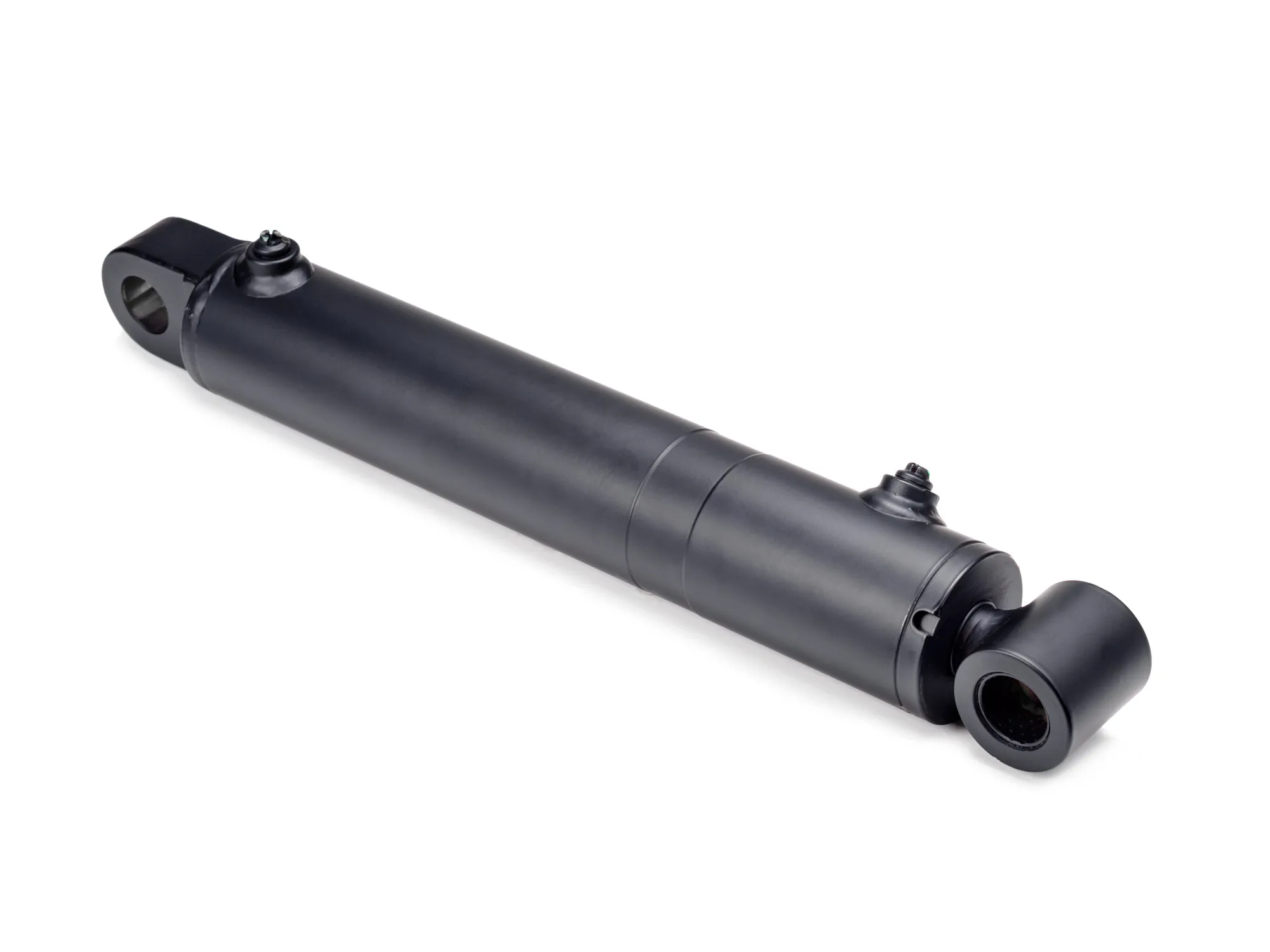
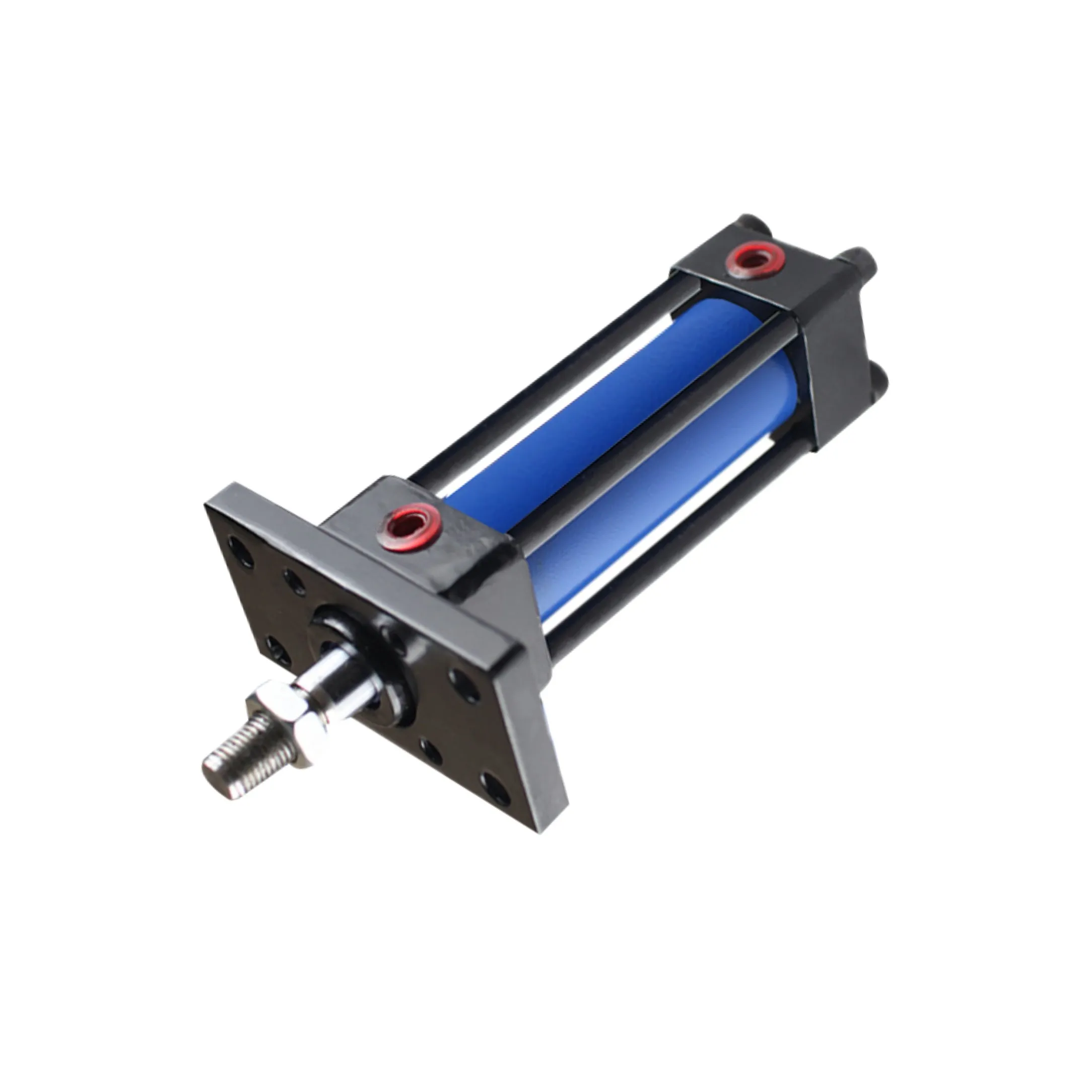
Industrial hydraulic cylinders play a crucial role in various applications, providing linear force and motion using hydraulic fluid pressure. A tie-rod industrial hydraulic cylinder, also known as a tie-bar cylinder, consists of a cylindrical barrel, piston, rod, end caps, seals, and tie rods that hold the cylinder together.
Principle of Operation
When hydraulic fluid is pumped into the cylinder, it enters the chamber behind the piston, exerting pressure and causing the piston to move. This movement generates linear force, which is used to perform work in industrial settings.
Types of Hydraulic Cylinders
There are several types of hydraulic cylinders commonly used in industrial applications:
Single Acting
A single-acting hydraulic cylinder operates in one direction, with hydraulic fluid entering the chamber to extend the piston. Commonly used in applications where a load needs to be lifted or pushed in a single direction.
Double Acting
A double-acting hydraulic cylinder can move in both directions, with hydraulic fluid entering and exiting the chamber to extend and retract the piston. Ideal for applications that require precise control of movement.
Telescopic
Telescopic hydraulic cylinders consist of multiple nested stages that can extend to different lengths. Used in applications where a long stroke length is required in a compact space.
Differential
Differential hydraulic cylinders have different areas on each side of the piston, allowing for varied speeds and forces during operation. Commonly used in applications that require precise control over force and speed.
Advantages of Tie-Rod Industrial Hydraulic Cylinders
1. Superior durability and reliability in demanding industrial environments.
2. Precise control over speed and force for increased efficiency.
3. Compact design for use in tight spaces.
4. Easy maintenance and repair for reduced downtime.
5. Versatile applications across various industries.
Applications in Various Industries
Industrial hydraulic cylinders are widely used in the following industries:
Manufacturing
In manufacturing, hydraulic cylinders are used in machinery for assembly, stamping, and material handling applications.
Construction
In construction, hydraulic cylinders are utilized in heavy equipment such as cranes, excavators, and bulldozers for lifting and pushing tasks.
Mining
In the mining industry, hydraulic cylinders are essential for operating equipment like rock drills, loaders, and haul trucks in harsh conditions.
Agriculture
Agricultural machinery relies on hydraulic cylinders for tasks such as plowing, seeding, and harvesting in the field.
Other Industrial Sectors
Hydraulic cylinders are also used in industries such as marine, aerospace, and automotive for various applications requiring linear motion.
Choosing the Right Hydraulic Cylinder
When selecting an industrial hydraulic cylinder, factors such as load capacity, stroke length, bore size, and operating conditions must be considered to ensure optimal performance in the specific application.
Maintenance and Care
Regular maintenance, including inspection, lubrication, and cleaning, is essential to prolong the service life and efficiency of industrial hydraulic cylinders. Proper care ensures smooth operation and prevents costly breakdowns.
Installation Guide
Proper installation of hydraulic cylinders is critical to their performance and safety. Follow manufacturer guidelines and ensure correct alignment, mounting, and connection of hydraulic components for optimal operation.
Maintenance Tasks
1. Regularly clean the cylinder to remove dirt and debris that can cause damage.
2. Lubricate moving parts to reduce friction and wear for smooth operation.
3. Check for signs of wear, leaks, or malfunctions and address them promptly to prevent further damage.
Fault Diagnosis and Common Problems
Common issues with hydraulic cylinders include leaks, seal damage, piston misalignment, and fluid contamination. Proper diagnosis and timely repairs are essential to maintain operational efficiency.
Preventive Measures
To minimize potential problems, implement preventive maintenance practices such as regular inspections, seal replacements, fluid analysis, and component upgrades to ensure optimal performance of hydraulic cylinders.
Choosing the Right Hydraulic Cylinder
Consider factors such as load capacity, stroke length, speed requirements, mounting options, and environmental conditions when selecting an industrial hydraulic cylinder to meet the specific needs of your application.
Long-Tail Keywords and SEO Articles
1. “Benefits of Tie-Rod Industrial Hydraulic Cylinders”: Explore the advantages and applications of tie-rod hydraulic cylinders in industrial settings.
2. “Maintenance Tips for Tie-Rod Hydraulic Cylinders”: Learn how to properly care for and maintain tie-rod hydraulic cylinders to maximize their lifespan and performance.
3. “Innovations in Tie-Rod Industrial Hydraulic Cylinders”: Discover the latest advancements and technologies in tie-rod hydraulic cylinders for enhanced efficiency and productivity.
Our Company
We are a leading manufacturer and wholesale distributor of tie-rod industrial hydraulic cylinders, providing a comprehensive product line to meet the needs of various industries. With a focus on quality, reliability, and customer satisfaction, we strive to deliver innovative solutions and exceptional service to our clients worldwide.
Author: lyl