
The Working Principle Of Tie-Rod Hydraulic Cylinders
Introduction to Tie-Rod Hydraulic Cylinders
When it comes to hydraulic systems, tie-rod hydraulic cylinders play a crucial role in various industries. These cylinders are designed to provide linear force and motion through the use of hydraulic fluid, making them essential components in machinery and equipment.
Structure and Function
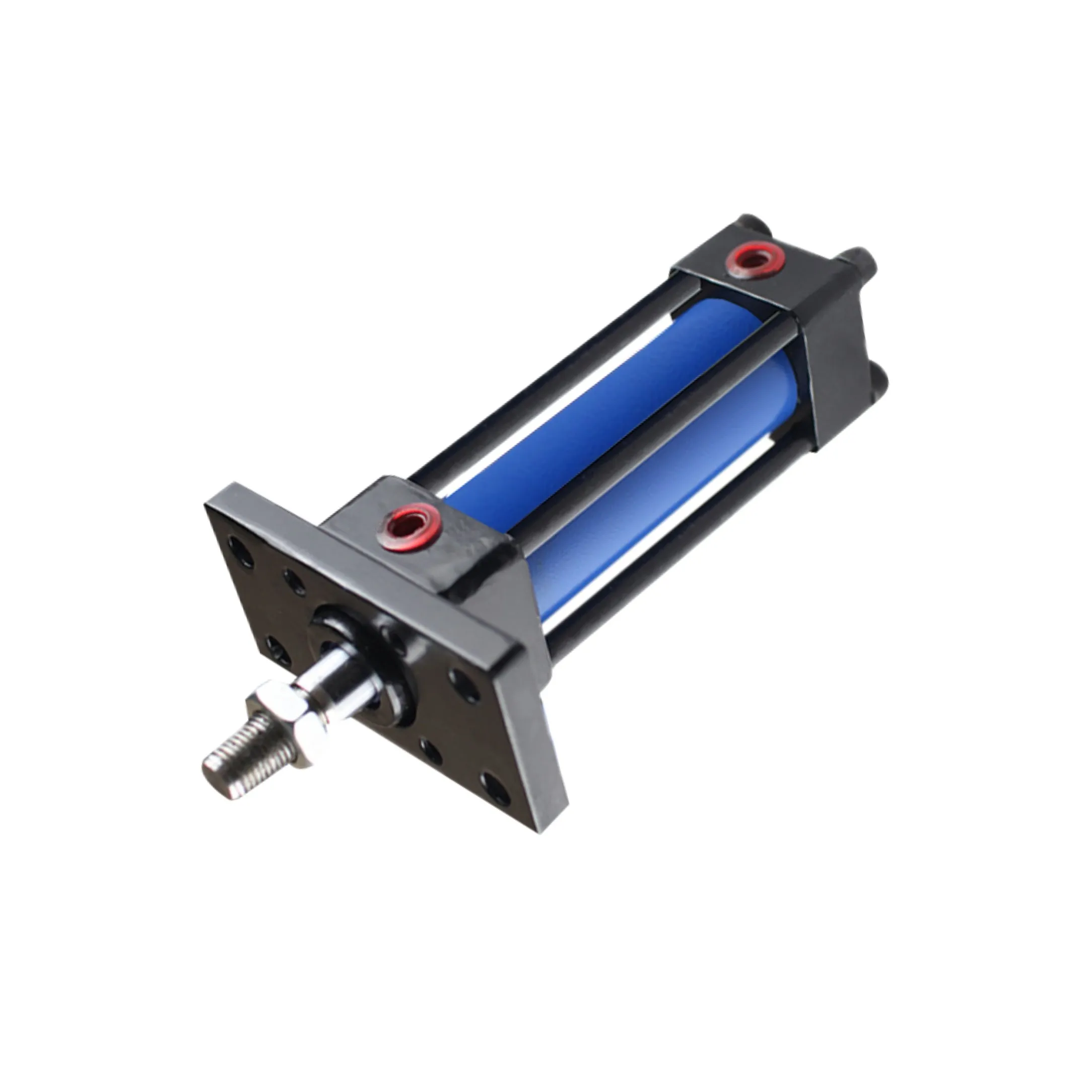
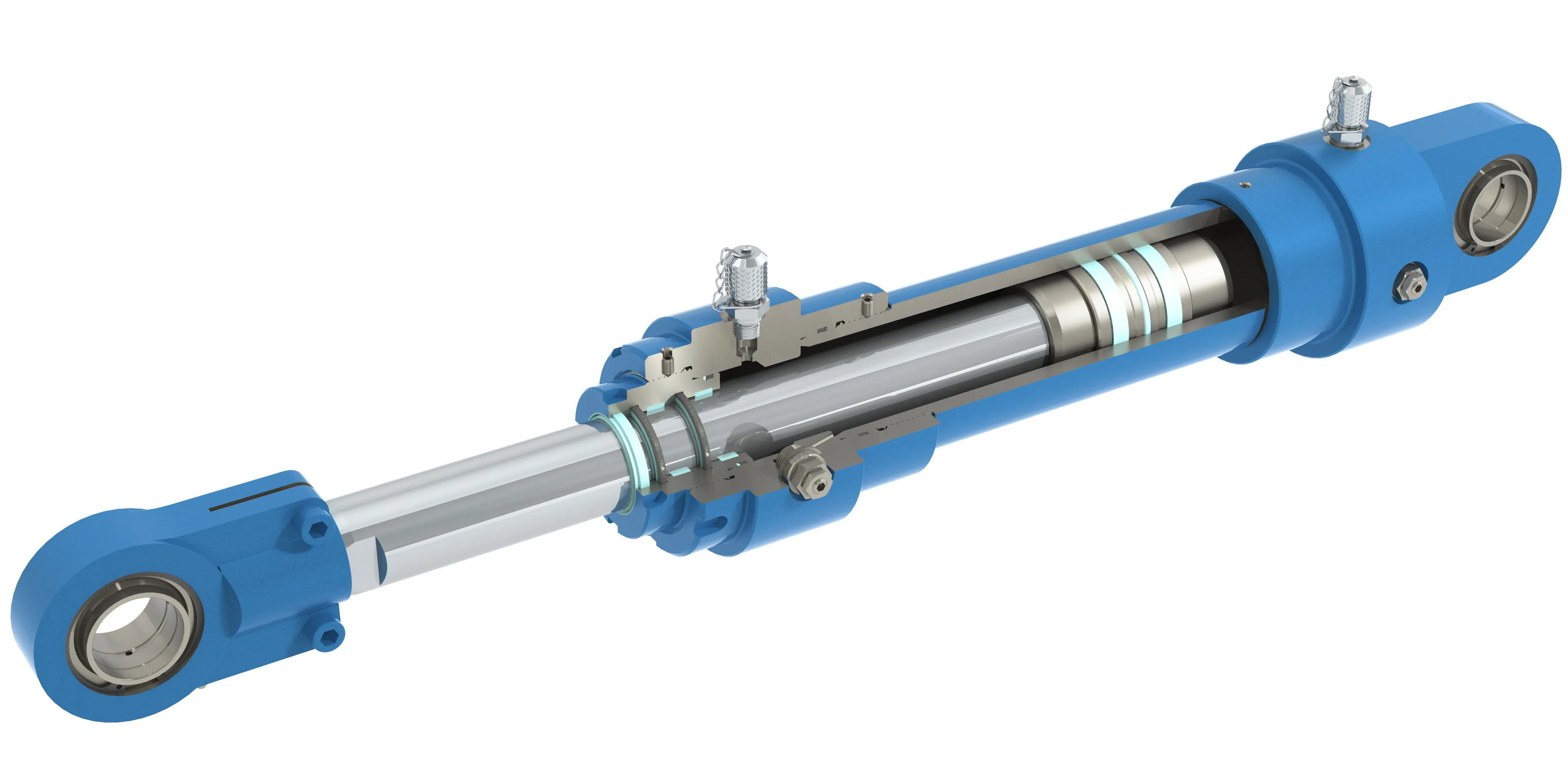
- Tie-rod hydraulic cylinders consist of a cylinder barrel, piston, tie-rods, and seals.
- The cylinder barrel houses the piston and hydraulic fluid, while the piston converts the hydraulic pressure into linear motion.
- The tie-rods provide stability and support to the cylinder assembly, ensuring smooth operation.
Importance and Application
Tie-rod hydraulic cylinders are widely used in industries such as manufacturing, construction, agriculture, and material handling. These cylinders are essential for lifting, pushing, and pulling heavy loads with precision and efficiency.
Design and Construction
Understanding the design and construction of tie-rod hydraulic cylinders is essential for their proper operation. These cylinders are carefully engineered to withstand high pressures and loads while maintaining smooth movement.
Components and Roles
- The cylinder barrel houses the hydraulic fluid and provides a guide for the piston.
- The piston converts hydraulic pressure into linear motion by moving back and forth within the barrel.
- The tie-rods secure the cylinder assembly and prevent misalignment during operation.
Adaptation to Applications
Tie-rod hydraulic cylinders come in various sizes and configurations to suit different applications. The dimensions and features of these cylinders can be customized to meet specific requirements, ensuring optimal performance.
Working Principle and Operation
The working principle of tie-rod hydraulic cylinders is based on the use of hydraulic fluid to generate force and transmit it to the piston. This force is then converted into linear motion, allowing for precise control and movement.
Hydraulic Fluids and Force Generation
- Hydraulic fluids are used to create pressure within the cylinder, which acts on the piston to generate force.
- This force is transmitted through the piston rod to the load, allowing for smooth and controlled movement.
Pressure, Flow, and Control
Understanding the concepts of pressure, flow, and control mechanisms is essential for the proper functioning of tie-rod hydraulic cylinders. These factors determine the efficiency and performance of the cylinder in various applications.
Types and Configurations
There are different types and configurations of tie-rod hydraulic cylinders available, each designed for specific applications. Understanding the differences and features of these cylinders can help in choosing the right one for your needs.
Point Introduction
Each type of tie-rod hydraulic cylinder offers unique features and benefits, making them suitable for different tasks. From compact designs to high load capacity, these cylinders are versatile and efficient in various industries.
Advantages of Tie-Rod Hydraulic Cylinders
There are several advantages to using tie-rod hydraulic cylinders in industrial applications. These cylinders offer compact design, high load capacity, durability, and cost-effectiveness, making them ideal for a wide range of tasks.
Compact Design
The compact design of tie-rod hydraulic cylinders allows for easy installation and operation in tight spaces, making them ideal for confined work environments.
High Load Capacity
With their robust construction and stable design, tie-rod hydraulic cylinders can handle heavy loads with precision and efficiency, ensuring reliable performance in demanding applications.
Durability and Cost-Effectiveness
Tie-rod hydraulic cylinders are built to last, offering long-lasting performance and cost-effective operation. Their sturdy construction and reliable components make them a valuable investment for any industrial setting.
Applications in Various Industries
Tie-rod hydraulic cylinders are widely used in industrial machinery, construction equipment, farm tools, and material handling systems. These cylinders play a crucial role in lifting, pushing, and pulling heavy loads with precision and control.
Industrial Machinery
In the industrial sector, tie-rod hydraulic cylinders are used in manufacturing processes, automation systems, and material handling equipment to provide reliable force and motion control.
Construction Equipment
Tie-rod hydraulic cylinders are essential components in construction machinery, such as cranes, excavators, and loaders, where they provide the necessary force and movement for lifting and positioning heavy loads.
Farm Tools
In agriculture, tie-rod hydraulic cylinders are used in farming equipment, such as tractors, plows, and harvesters, to perform tasks like lifting, tilting, and pushing with precision and efficiency.
Material Handling Systems
In material handling systems, tie-rod hydraulic cylinders are employed in conveyor belts, lifting platforms, and packaging machines to ensure smooth and controlled movement of goods and materials.
Specific Applications and Considerations
When choosing a tie-rod hydraulic cylinder for a specific application, factors such as load requirements, stroke length, operating pressure, and installation options must be carefully considered. These factors determine the performance and efficiency of the cylinder in various tasks.
Load Requirements
The load capacity of the tie-rod hydraulic cylinder should match the weight of the load it will be lifting or moving. Selecting the right cylinder with the appropriate load rating is essential for safe and efficient operation.
Stroke Length
The stroke length of the cylinder determines the distance the piston can travel, affecting the range of motion and positioning accuracy. Choosing the right stroke length is critical for achieving precise and reliable movement in different applications.
Operating Pressure
The operating pressure of the cylinder must be compatible with the hydraulic system and application requirements. Maintaining the correct pressure ensures optimal performance and prevents damage to the cylinder and equipment.
Installation Options
There are various installation options for tie-rod hydraulic cylinders, such as horizontal, vertical, or side mounting. Selecting the right installation method based on space constraints and operational needs is essential for efficient and safe operation.
Maintenance and Care
Regular maintenance and care of tie-rod hydraulic cylinders are essential for ensuring optimal performance and longevity. Proper inspection, lubrication, and preventive maintenance measures can help prevent issues and extend the lifespan of the cylinder.
Significance of Maintenance
Regular maintenance of tie-rod hydraulic cylinders helps identify potential issues early, preventing costly repairs and downtime. Proper care and inspection can prolong the life of the cylinder and ensure safe and reliable operation.
Preventive Maintenance Measures
- Regular inspection of the cylinder for leaks, damage, or wear.
- Proper lubrication of seals and moving parts to prevent friction and reduce wear.
- Replacement of worn or damaged seals to maintain hydraulic integrity and prevent leaks.
Installation Guide
Proper installation of tie-rod hydraulic cylinders is essential for safe and efficient operation. Following the correct procedures and guidelines ensures that the cylinder is securely mounted and aligned for optimal performance.
Installation Steps
- Ensure the mounting surface is clean and flat to prevent misalignment.
- Securely attach the cylinder to the mounting surface using appropriate hardware and brackets.
- Check the alignment and positioning of the cylinder to ensure smooth operation and minimal stress on components.
Maintenance Tasks
Performing regular maintenance tasks on tie-rod hydraulic cylinders is essential for preventing issues and ensuring reliable performance. Tasks such as inspection, lubrication, seal replacement, and calibration inspection help keep the cylinder in optimal condition.
Regular Inspection
Inspect the cylinder for leaks, damage, or wear, and address any issues promptly to prevent further damage and ensure safe operation.
Proper Lubrication
Apply lubricant to seals and moving parts regularly to reduce friction, prevent wear, and maintain smooth operation of the cylinder.
Seal Replacement
Replace worn or damaged seals as needed to maintain hydraulic integrity, prevent leaks, and ensure optimal performance of the cylinder.
Fault Diagnosis and Solutions
Diagnosing and troubleshooting common issues with tie-rod hydraulic cylinders is essential for maintaining optimal performance. Understanding potential problems and solutions can help prevent downtime and costly repairs.
Common Problems
- Leaking seals or fittings that can cause loss of hydraulic fluid and reduced performance.
- Uneven extension or retraction of the cylinder, indicating internal issues or misalignment.
- Cylinder misalignment due to improper installation or mounting, affecting performance and safety.
Troubleshooting Tips
To address common issues with tie-rod hydraulic cylinders, consider the following troubleshooting tips and solutions:
- Inspect seals and fittings for leaks and replace as needed to prevent fluid loss.
- Check the alignment and mounting of the cylinder to ensure proper operation and prevent misalignment.
- Monitor the extension and retraction of the cylinder for smooth and even movement, adjusting as necessary to correct any issues.
Common Questions and Answers
How do tie-rod hydraulic cylinders differ from other types?
Tie-rod hydraulic cylinders feature a compact design with tie-rods for support, making them versatile and efficient in various applications. These cylinders are known for their durability, high load capacity, and cost-effectiveness compared to other types.
What are the main components of a tie-rod hydraulic cylinder?
The main components of a tie-rod hydraulic cylinder include the cylinder barrel, piston, tie-rods, and seals. Each component plays a crucial role in the operation of the cylinder, converting hydraulic pressure into linear motion with precision and control.
What are the advantages of using tie-rod hydraulic cylinders?
The advantages of using tie-rod hydraulic cylinders include compact design, high load capacity, durability, and cost-effectiveness. These cylinders are versatile and reliable, making them ideal for a wide range of industrial applications.
What are some common applications of tie-rod hydraulic cylinders?
Tie-rod hydraulic cylinders are commonly used in industrial machinery, construction equipment, farm tools, and material handling systems. These cylinders provide precise force and motion control for lifting, pushing, and pulling heavy loads in various industries.
Long Tail Keywords
Three long tail keywords for tie-rod hydraulic cylinders include “compact design,” “high load capacity,” and “cost-effective performance.” These keywords highlight the key features and benefits of using tie-rod hydraulic cylinders in industrial applications.
Our Company
We are a leading hydraulic cylinder replacement manufacturer, offering a complete product line for various industries. With professional expertise, international certification, customized services, state-of-the-art production equipment, and reliable after-sales support, we have become a trusted partner for hydraulic solutions in the domestic and foreign markets.