Unlocking the Potential: Locking Welded Hydraulic Cylinders Explained
Understanding Locking Welded Hydraulic Cylinders
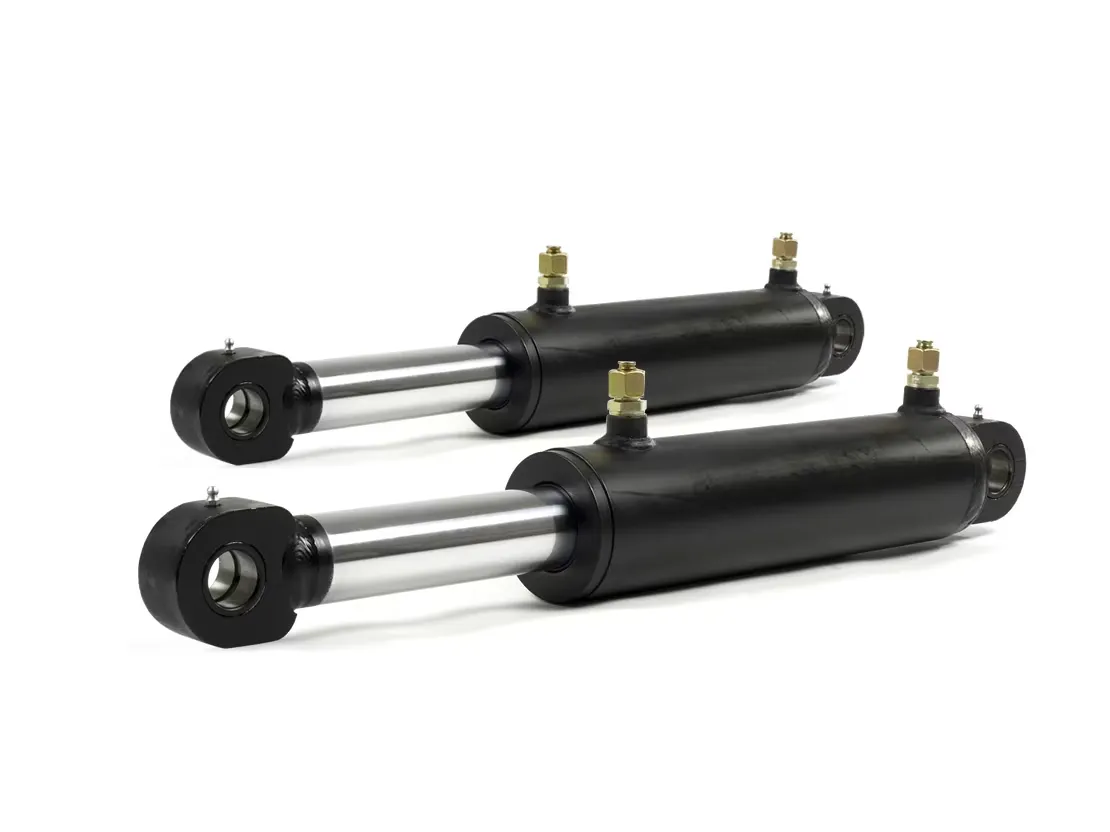
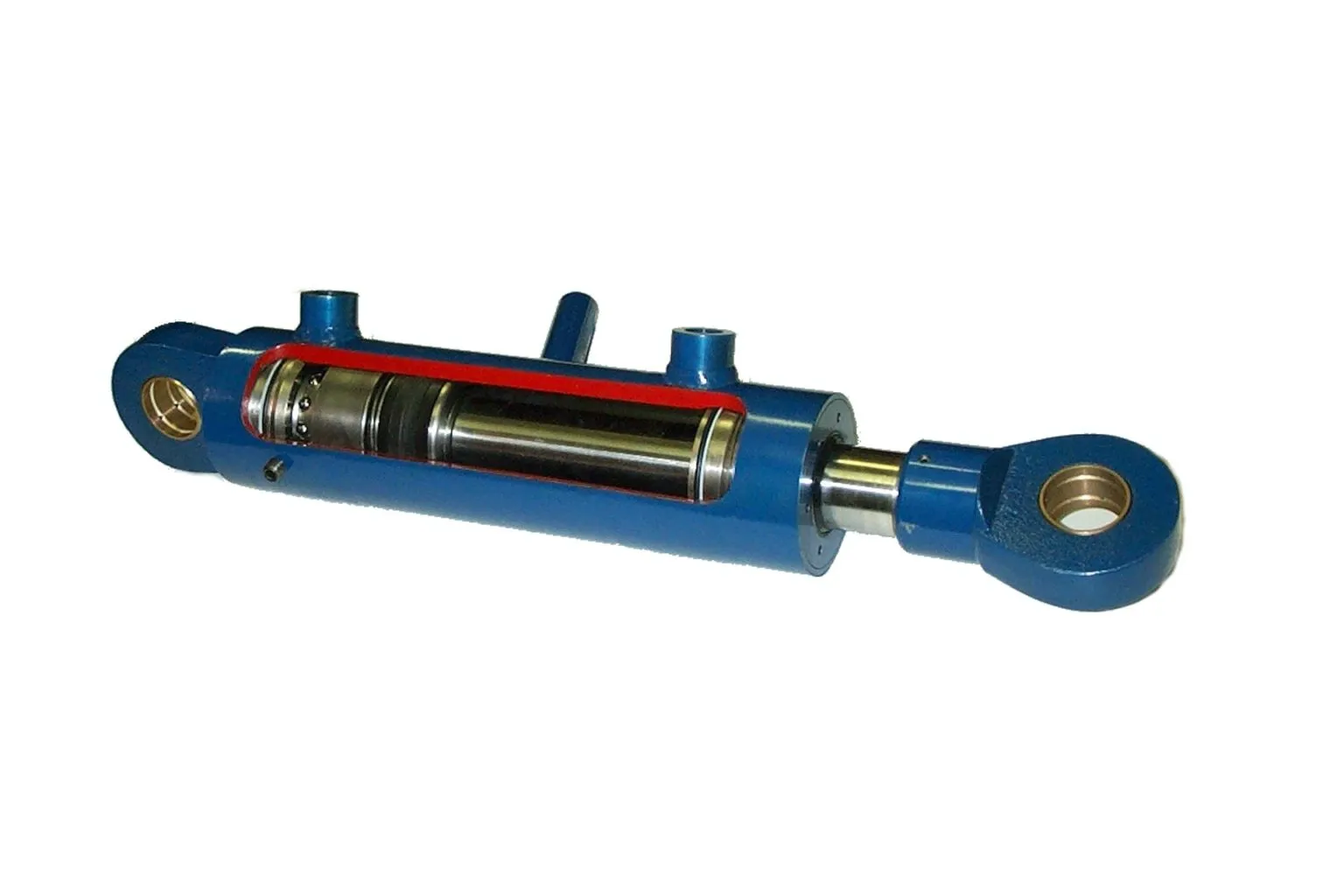
In the realm of hydraulic systems, the term “locking welded hydraulic cylinders” may seem complex, but it is a crucial component that plays a significant role in ensuring safety, efficiency, and versatility. These cylinders are designed with specific mechanisms to maintain load pressure, making them ideal for various applications across industries.
Design and Construction Characteristics
- Locking Mechanism – Safety: Utilizing a specific locking device ensures load stability without pressure, enhancing safety and simplifying operation for increased work efficiency.
- Durable Materials – High-strength Steel: Crafted from high-strength steel, these cylinders offer enhanced durability and corrosion resistance, making them suitable for harsh environments.
- Compact Design – Space Saving: With a compact design, these cylinders are perfect for limited-space applications, offering versatility across different equipment types.
Working Principle
The operation of locking welded hydraulic cylinders relies on the transfer of liquid force, piston movement, workload handling, sealing systems, and pressure release mechanisms. Each component works together to ensure seamless and efficient functionality within the hydraulic system.
Types and Configurations
There are three primary types of locking welded hydraulic cylinders, each with unique configurations catering to specific operational requirements. Understanding these variations can help in choosing the most suitable cylinder for a given application.
Top Five Advantages
- Safety: Enhanced safety features improve operational security.
- Efficiency: Operational processes are streamlined for increased productivity.
- Versatility: Adaptability to various environments and applications.
- Durability: Long-lasting performance due to high-quality materials.
- High Load Capacity: Ability to withstand heavy workloads.
Performance Characteristics
- Locking Mechanism: Securely holds loads in place.
- Durability: Materials ensure wear and pressure resistance.
- Compact Design: Space-saving benefits for diverse applications.
- High Load Capacity: Designed to handle heavy loads efficiently.
Industries Implementing Locking Welded Hydraulic Cylinders
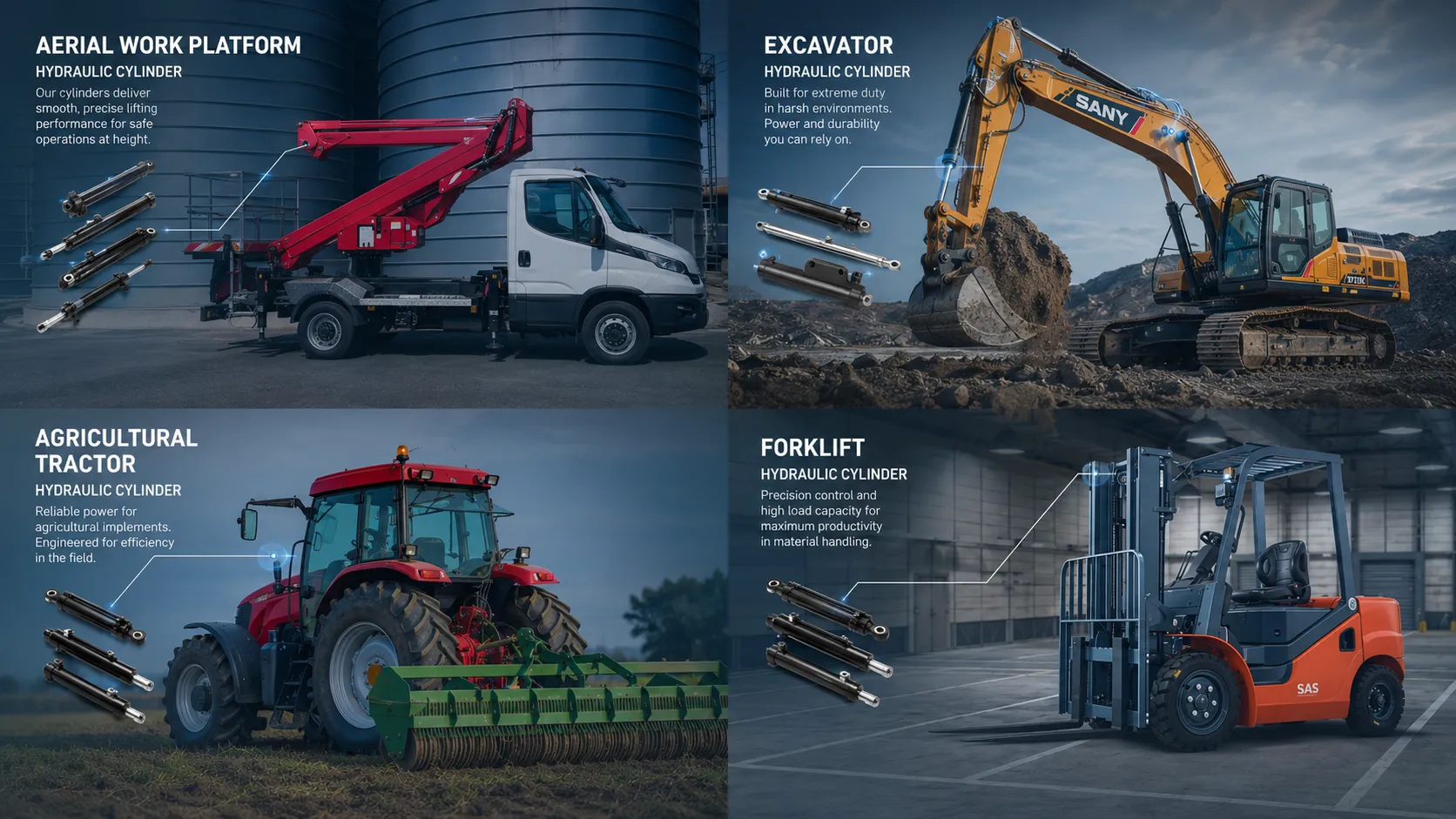
Locking welded hydraulic cylinders find applications in various industries such as construction, agriculture, manufacturing, ships, and offshore operations. These cylinders play a vital role in machinery and equipment utilized in these sectors.
Design Considerations and Selection Criteria
- Bearing Capacity: Ability to withstand different load capacities.
- Sealing: Ensuring proper sealing mechanisms for optimal performance.
- Durability: Longevity and resistance to wear and tear.
- Safety: Implementing safety features for secure operation.
- Maintainability: Ease of maintenance and serviceability.
Sealing and Lubrication
Proper sealing and lubrication are essential for the efficient performance of locking welded hydraulic cylinders. Utilizing high-quality seals and lubricants can enhance the longevity and functionality of these cylinders.
Preventive Maintenance Measures
- Regular Inspection: Checking for wear and tear to prevent breakdowns.
- Proper Lubrication: Ensuring adequate lubrication for smooth operation.
- Seal Replacement: Replacing worn-out seals to maintain performance.
Safety Considerations and Environmental Factors
Addressing safety measures and environmental considerations is vital when using locking welded hydraulic cylinders. Adhering to safety protocols and minimizing environmental impact are key aspects of operating these cylinders.
Fault Diagnosis and Common Problems
Identifying common issues and diagnosing faults in locking welded hydraulic cylinders is crucial for maintaining operational efficiency. Addressing these problems promptly can prevent downtime and ensure seamless functionality.
Author: lyl