
Advanced Rescue Fluid Power Engineering
Hydraulic Rescue Rams: The Ultimate Pushing Force in Vehicle Extrication
An authoritative engineering analysis of telescopic rescue rams, ultra high pressure cylinders, dashboard displacement dynamics, and failsafe load holding in modern emergency extrication tools.

The Mechanical Lifeline in Structural Collapse and Severe Collisions
In the highly critical, time sensitive environment of emergency trauma medicine and disaster response, first responders operate under the universally recognized principle of the golden hour. This doctrine dictates that severely injured trauma patients have the highest probability of survival if they receive definitive surgical care within sixty minutes of the incident. When a catastrophic high speed motor vehicle collision occurs, or when urban search and rescue teams respond to a collapsed structure, victims are frequently trapped tightly within crushed, mangled steel and concrete. To free these occupants, fire rescue departments deploy specialized vehicle extrication equipment. While hydraulic cutters slice through metal and spreaders pry doors apart, there is a third, equally vital tool in the extrication arsenal: the hydraulic rescue ram. This specialized ultra high pressure cylinder is designed specifically for one purpose, which is to deliver overwhelming, unrelenting linear pushing force over a long distance to displace massive structural components.
Hydraulic rescue rams are deployed when spreaders simply cannot reach far enough. A classic example of this is the dashboard roll maneuver. During a severe frontal impact, the engine block and dashboard are often pushed violently backward, pinning the driver legs against the seat. A hydraulic ram is positioned diagonally from the base of the B pillar to the reinforced structure of the A pillar or dashboard. As the ram extends, it physically pushes the entire front end of the vehicle forward and upward, restoring the passenger cabin space and freeing the trapped victim. This operation requires an actuator capable of pushing tens of thousands of pounds of reinforced automotive steel without buckling or failing under immense lateral stress.
From a rigorous engineering perspective evaluated against the strictest international safety and lifesaving equipment standards, designing these hydraulic rams demands absolute perfection. Unlike stationary industrial presses, these cylinders must be portable enough for a single firefighter to carry across rugged terrain. They must translate unprecedented internal hydrostatic pressures into smooth, powerful kinetic motion without rupturing. They must endure the brutal realities of the disaster site, resisting extreme thermal shock, corrosive automotive fluids, and severe physical impacts. This comprehensive technical analysis explores the highly sophisticated mechanical architecture, the advanced aerospace grade metallurgy required to contain extreme pressure, and the absolute failsafe fluid power dynamics that define world class hydraulic rescue rams.
Kinematic Architecture of Telescopic Rescue Rams
The fundamental challenge of a rescue ram is maximizing the extended length while minimizing the collapsed footprint. This requires highly sophisticated telescopic fluid power geometry to ensure immense force delivery throughout the entire stroke.
Multi Stage Telescopic Extension
To fit inside the crushed, confined space of a wrecked passenger cabin, a rescue ram must be incredibly short when fully retracted. However, to roll a dashboard or push a roof off a vehicle, it needs to extend over three feet or more. Modern telescopic rescue rams solve this through multi stage nesting. They feature two or three concentric piston rods that slide out sequentially. The largest diameter outer piston extends first, delivering the absolute maximum breakout force to initiate the structural displacement. Once the first stage reaches its limit, the second, narrower stage seamlessly takes over, maintaining the pushing momentum until maximum reach is achieved.
Cross Ramming and Off Center Load Mitigation
During a cross ramming technique, the cylinder is positioned diagonally across the vehicle interior. As the vehicle structure deforms, the pushing angles change dramatically, subjecting the fully extended telescopic ram to massive lateral bending forces. If a standard industrial cylinder were used, the rod would buckle and snap under this side load. Rescue rams are engineered with specialized overlapping bearing guides made from high strength bronze or advanced polymers. These internal guides ensure that even at maximum extension, the nested stages maintain immense physical overlap, granting the cylinder the structural rigidity to resist catastrophic deflection under extreme emergency loads.

Containing 10000 PSI: Aerospace Grade Metallurgy
The fundamental challenge in designing vehicle extrication tools is the management of internal hydrostatic pressure. Operating at ten thousand pounds per square inch, or roughly seven hundred Bar, generates outward radial forces that would instantly burst conventional steel tubing like a balloon. The cylinder wall thickness cannot simply be increased to compensate, as this would make the rescue ram too heavy for a human operator to lift and maneuver safely. Therefore, fluid power engineers must rely on the most advanced metallurgical processes available to achieve an extreme power to weight ratio.
To safely contain these massive internal pressures while maintaining portability, the barrels of ultra high pressure cylinders are typically machined from solid billets of aerospace grade aluminum alloys, such as 7075-T6, or exceptionally high yield strength titanium. These advanced materials provide incredible tensile strength and burst resistance while shedding crucial pounds from the overall tool weight. The interior of the barrel undergoes a highly specialized hard anodizing or ceramic coating process. This creates a diamond hard interior surface that prevents the high pressure seals from scoring the barrel during rapid, forceful actuations under severe loads.

Laser Cladding and Anti Extrusion Sealing
The exterior of the telescopic rods must also be protected from severe scratching by shattered glass and jagged metal. Premium rescue rams utilize advanced High Velocity Oxygen Fuel thermal sprayed ceramic coatings or laser cladding technology. These metallurgical processes bond highly resistant nickel chromium alloys directly to the steel, creating an absolutely dense, impenetrable armor against physical scratching. Furthermore, standard hydraulic seals fabricated from nitrile rubber will instantly extrude and shred when subjected to 10000 PSI. Elite rescue tool hydraulic cylinders utilize energized Polytetrafluoroethylene or ultra high molecular weight polyethylene blends backed by precisely machined bronze anti extrusion rings, absolutely preventing the softer seal material from blowing out under extreme hydrostatic forces.
Surviving the Disaster Zone: Extreme Environmental Resilience
Rescue operations do not wait for perfect weather. First responders must deploy their extrication tools in the most hostile environments imaginable. The fluid power systems must function flawlessly whether engulfed in the radiant heat of a vehicle fire, submerged in icy floodwaters, or covered in corrosive automotive fluids and shattered safety glass.
Thermal Shock and Sub-Zero Operation
During a winter highway pileup, the ambient temperature may plunge to minus thirty degrees Celsius. At these temperatures, standard hydraulic fluid becomes thick and sluggish, and ordinary rubber seals become brittle and prone to shattering. Rescue ram hydraulic cylinders are engineered to utilize specialized aviation grade synthetic hydraulic fluids that maintain a perfectly stable viscosity across massive temperature spectrums. Additionally, the fluorocarbon elastomeric seals used within the cylinder retain their pliable sealing integrity even in sub zero blizzards or when subjected to the intense radiant thermal shock of a burning vehicle frame nearby.
Aggressive Debris and Wipers
When a hydraulic ram pushes against a crushed dashboard, the environment is filled with microscopic metal shavings, shattered tempered glass, and corrosive battery acid. If any of this aggressive debris bypasses the cylinder gland, it will instantly destroy the internal high pressure seals. To combat this, the telescoping rods of hydraulic rescue rams are shielded by exceptionally aggressive, heavy duty double lip polyurethane wiper seals. These specialized scrapers act as a physical barrier, forcefully shearing away glass dust and dried mud before the rods retract, perfectly protecting the internal fluid power integrity and preventing catastrophic failure during a rescue.
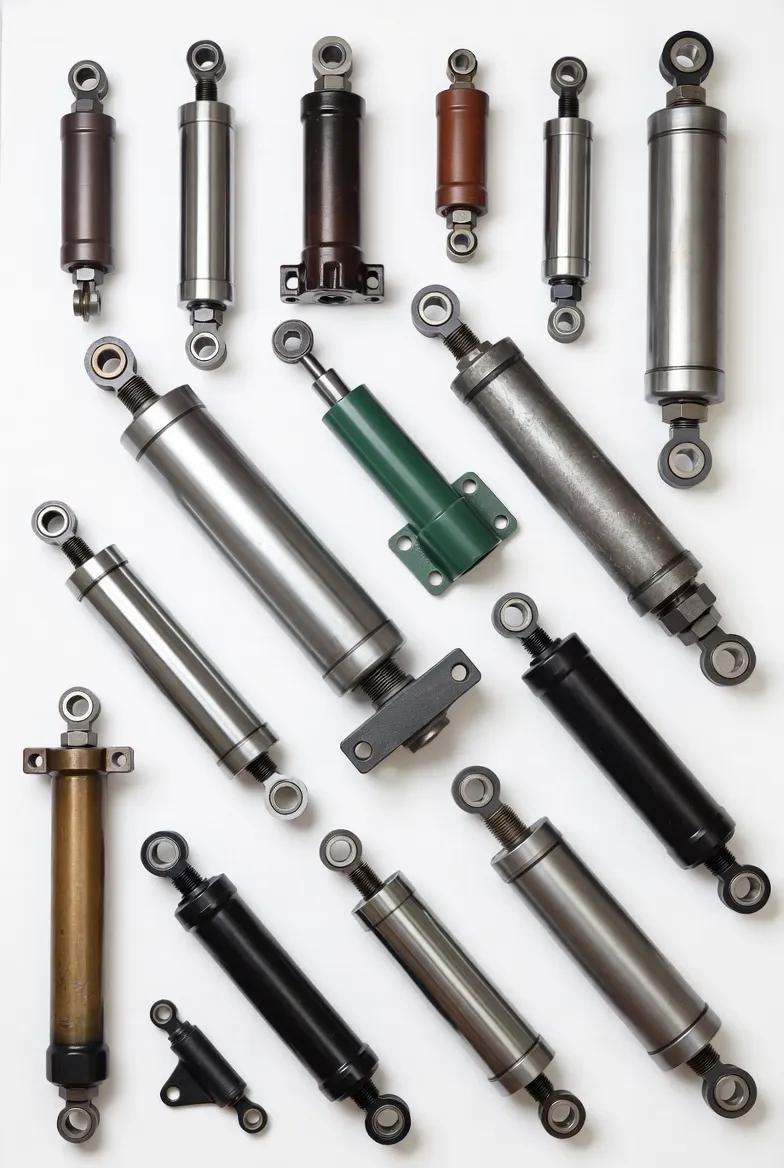
The Untethered Revolution: E-Draulic Rescue Rams
Historically, all hydraulic rescue tools were powered by a loud, heavy, gasoline driven hydraulic pump unit sitting on the ground. Thick, cumbersome twin line hydraulic hoses ran from the pump to the handheld tool. These high pressure hoses posed significant tripping hazards in chaotic rescue scenes, were vulnerable to being severed by sharp metal, and severely limited the mobility of the firefighter, especially if the vehicle had rolled down a steep embankment far from the fire engine.
In recent years, the emergency response equipment industry has undergone a massive technological shift towards fully untethered, battery powered hydraulic tools, commonly known as E-Draulic systems. This transition represents a monumental achievement in fluid power miniaturization. In these modern telescopic rescue rams, the entire hydraulic circuit is integrated directly into the body of the tool itself. The ultra high pressure cylinder is no longer fed by an external hose; instead, a high output lithium ion battery powers an ultra compact, high torque brushless electric motor.
This brushless motor is directly coupled to a miniature radial piston pump, which is physically bolted directly to the base of the hydraulic cylinder. When the firefighter rotates the control grip, the pump instantly generates 10000 PSI of internal pressure, directly driving the telescopic pistons. This closed loop, self contained hydraulic architecture eliminates all external hoses, vastly increases deployment speed, and allows rescue personnel absolute freedom of movement to climb over wreckage and position the ram deep inside the vehicle interior from any angle without being tethered to a loud, exhaust emitting gasoline engine.

Absolute Failsafe Mechanisms and Operator Security
From an authoritative engineering safety perspective evaluated by stringent rescue standards, placing a tool capable of generating tens of thousands of pounds of pushing force into the hands of a human operator requires uncompromising mechanical redundancies. The fluid power systems must default to a state of absolute security in the event of an unexpected component failure or user error.
- ✔️
Dead Man Control Valves: The primary control interface on all hydraulic rescue rams is a highly sensitive, spring loaded proportional valve, universally known as a dead man switch. The moment the operator releases pressure on the star grip, the internal springs instantly snap the control valve to a neutral, closed position. This immediately halts the flow of high pressure fluid, freezing the telescopic pistons firmly in place, completely preventing unintended movement if the operator slips or drops the tool inside the wreckage.
- ✔️
Pilot Operated Check Valves (Load Holding): During an extrication, a hydraulic rescue ram is entirely responsible for holding a crushed roof or heavy dashboard away from a trapped patient while medics provide care. If the internal pump fails or a main seal blows, gravity would cause the heavy steel structure to crash back down, crushing the victim and the rescue crew. To absolutely prevent this disaster, the ultra high pressure cylinders feature integral pilot operated check valves directly block mounted to the cylinder ports. Upon sensing a pressure loss, these valves snap shut mechanically in milliseconds, trapping the fluid inside the cylinder and securely locking the heavy load rigidly in place.
- ✔️
Overpressure Relief Systems: When pushing against ultra high strength automotive steel, the ram can suddenly reach a point of absolute mechanical resistance. If the pump continued to force fluid into the cylinder, the internal pressure would spike to catastrophic levels, shattering the aluminum housing like a grenade. To guarantee operator safety, the hydraulic circuits integrate highly calibrated overpressure relief valves. When the pressure reaches the engineered maximum safe threshold, the relief valve instantly pops open, diverting the excess hydraulic fluid harmlessly back into the internal reservoir, preventing an explosive structural failure.

Conclusion: The Ultimate Instrument of Survival
Hydraulic rescue rams, specifically multi stage telescopic rescue rams, are indisputably the most critical pushing force fluid power components in the arsenal of modern emergency responders. By perfectly combining extreme lightweight aerospace metallurgy, uncompromising mechanical failsafe load holding redundancies, and high precision ultra high pressure fluid dynamics, these technologically advanced actuators ensure that firefighters can displace the strongest automotive steel structures with precision and absolute safety. For global rescue equipment manufacturers and fire departments, mastering top tier fluid power and untethered e-draulic actuation systems is the fundamental cornerstone to establishing engineering excellence, ensuring first responder security, and ultimately, saving lives during the critical golden hour of trauma response.