
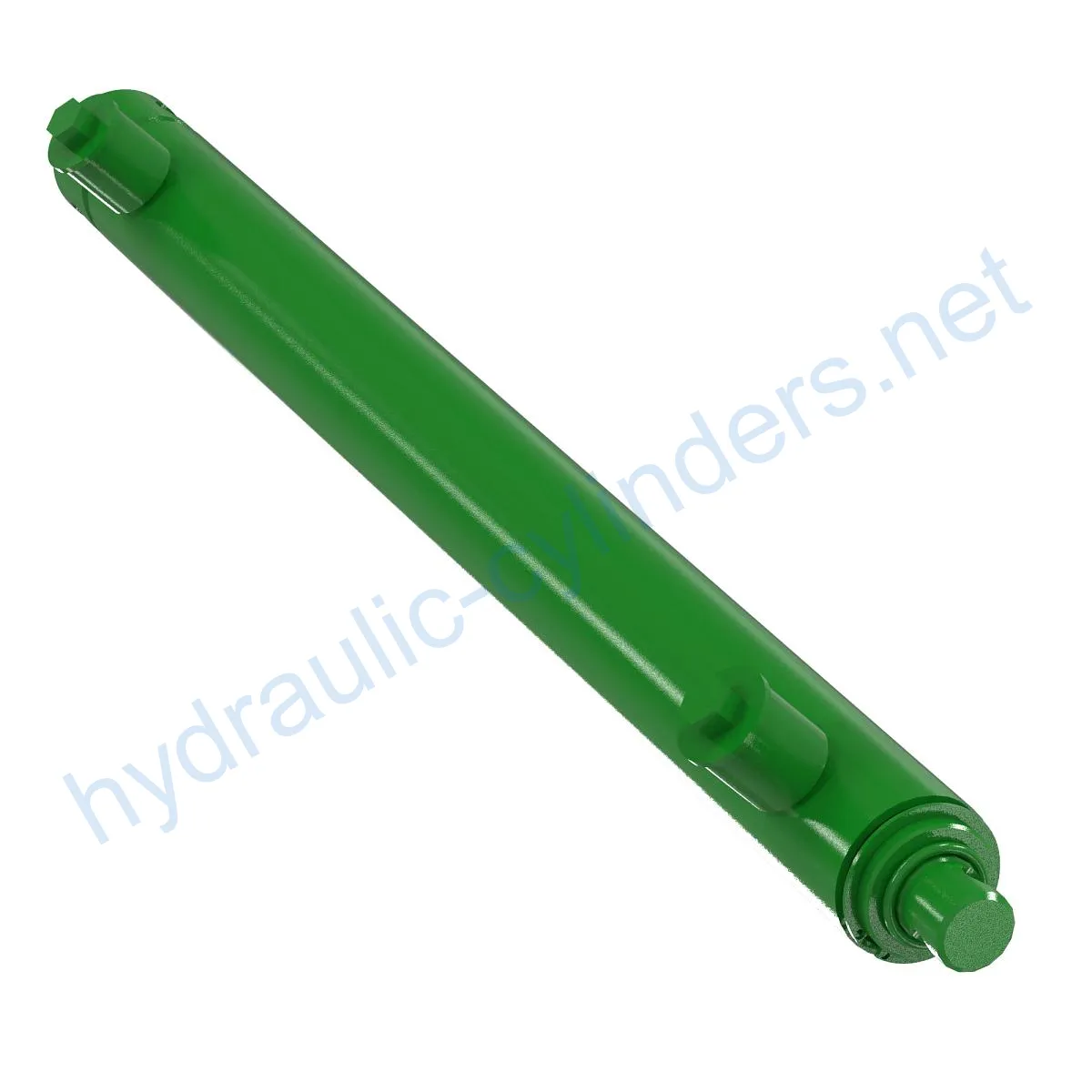
Replacement Of AHC17556 Reel force Hydraulic Cylinder
Replacement Of AHC17556 Reel force Hydraulic Cylinder
The Replacement Of AHC17556 Reel force Hydraulic Cylinder is a hydraulic cylinder that is designed to replace the AHC17556 model. It is used in various equipment models including 616, 616R, 618, 620, 622, 625D, 625F, 630, 630D, 630FD, 635, 635D, 635F, 635FD, 640D, 640FD, 645FD, 725D, 730D, 730FD, 735D, 735FD, 740D, 740FD, 745FD, HD35F, HD35R, HD40F, HD40R, HD45F, HD45R, HD50F, HD50R, RD30F, RD35F, RD40F, RD45F, RDF 30, RDF 35, RDF 40, and RDF 45.
Produktspecifikationer
- Weight: 6.14 lb
- Højde: 1,5 tommer
- Width: 2.9 in
- Length: 19.5 in
Produktfunktioner
- Improved equipment performance: Replacing damaged or worn-out hydraulic cylinders can restore the equipment’s normal operational capabilities, ensuring its performance in various applications.
- Forbedret sikkerhed: Regelmæssig udskiftning af hydrauliske cylindre kan reducere sikkerhedsrisici forårsaget af cylinderfejl og dermed sikre operatørers og udstyrs sikkerhed.
- Overbelastningsbeskyttelse: Nye cylinderdesigns inkluderer ofte bedre overbelastningsbeskyttelsesmekanismer, hvilket forbedrer sikkerheden.
- Hurtig installation: Moderne hydrauliske cylindre er designet til nem installation og udskiftning, hvilket reducerer nedetid.
- Standardiserede komponenter: Mange hydrauliske cylindre er standardiserede produkter, hvilket gør det nemt at få fat i reservedele på markedet.
We can produce this product and our hydraulic cylinders can perfectly replace these models.
Applikationer
Here are three examples of applications for this hydraulic cylinder:
- Excavators: The hydraulic cylinder on the excavator’s boom or bucket may get damaged due to prolonged use or overload, requiring replacement to restore normal operation.
- Cranes: The hydraulic cylinder on the crane’s boom is prone to wear during frequent lifting and lowering processes, requiring regular replacement to ensure safety.
- Tractors: The hydraulic cylinder on the front-end loader of a tractor may experience leaks or performance degradation during continuous lifting and tilting operations, necessitating replacement.
Vedligeholdelsesopgaver
Her er tre almindelige vedligeholdelsesopgaver for den hydrauliske cylinder:
- Regular inspections: It is important to regularly inspect the hydraulic cylinder for any signs of wear, leaks, or other issues.
- Proper lubrication: Applying appropriate lubrication to the hydraulic cylinder can help reduce friction and extend its lifespan.
- Seal replacement and calibration checks: Periodically replacing seals and performing calibration checks can ensure optimal performance of the hydraulic cylinder.
Sikkerhedshensyn og miljøfaktorer
When using hydraulic cylinders, it is important to prioritize safety measures to prevent accidents and ensure the wellbeing of operators. Additionally, considering environmental factors in the design and usage of hydraulic cylinders can minimize their impact on the surroundings.
Fejldiagnose og almindelige problemer
Common issues and troubleshooting tips for hydraulic cylinders:
- Issue 1: Leakage – Possible Cause: Damaged seals or connectors. Solution: Replace the seals or connectors.
- Issue 2: Slow operation – Possible Cause: Insufficient hydraulic fluid or clogged valves. Solution: Check and refill hydraulic fluid, clean or replace valves if necessary.
- Issue 3: Noisy operation – Possible Cause: Air in the hydraulic system. Solution: Bleed the system to remove air bubbles.
Forebyggende foranstaltninger
To minimize potential issues with hydraulic cylinders, it is recommended to:
- Perform regular maintenance tasks as mentioned above.
- Follow proper installation, lubrication, and adjustment procedures.
- Giv vejledning i korrekt justering af cylinderen under installationen.
- Suggest using appropriate installation brackets to secure the cylinder.
- Anbefal procedurer for inspektion, reparation og udskiftning.
- Tilbyd reservedele og ombygningstjenester for at forlænge levetiden på den hydrauliske cylinder.

Designovervejelser og udvælgelseskriterier
Ved design og valg af hydrauliske cylindre bør flere faktorer tages i betragtning:
- Bæreevne
- Forseglingseffektivitet
- Holdbarhed
- Sikkerhedsfunktioner
- Vedligeholdelsesevne
Proper selection and design based on these factors can ensure optimal performance and longevity of the hydraulic cylinder.
Tætning og smøring
Hydraulic cylinders use various sealing components, such as piston seals and rod seals, made from wear-resistant materials like polyurethane and nitrile rubber. The cylinder body and threaded end surfaces are finely treated to enhance wear resistance. Regularly adding an appropriate amount of hydraulic oil for lubrication is necessary.
Regelmæssig inspektion og forebyggende vedligeholdelse
Regular inspections and preventive maintenance tasks are crucial for the proper functioning of hydraulic cylinders. It is essential to follow correct installation, lubrication, and adjustment procedures. Providing installation guidance, recommending the use of suitable installation brackets for cylinder fixation, suggesting inspection, repair, and replacement programs, and offering tips to extend the lifespan of the hydraulic cylinder.
Produktinstallationsvejledning
Correct installation is vital for the optimal performance of the hydraulic cylinder. Follow these steps:
- Sørg for, at monteringsfladerne er rene og fri for snavs.
- Justér cylinderen korrekt i forhold til udstyret.
- Use appropriate installation brackets to securely fasten the cylinder.
- Check for any leaks or abnormalities after installation.
Om vores virksomhed
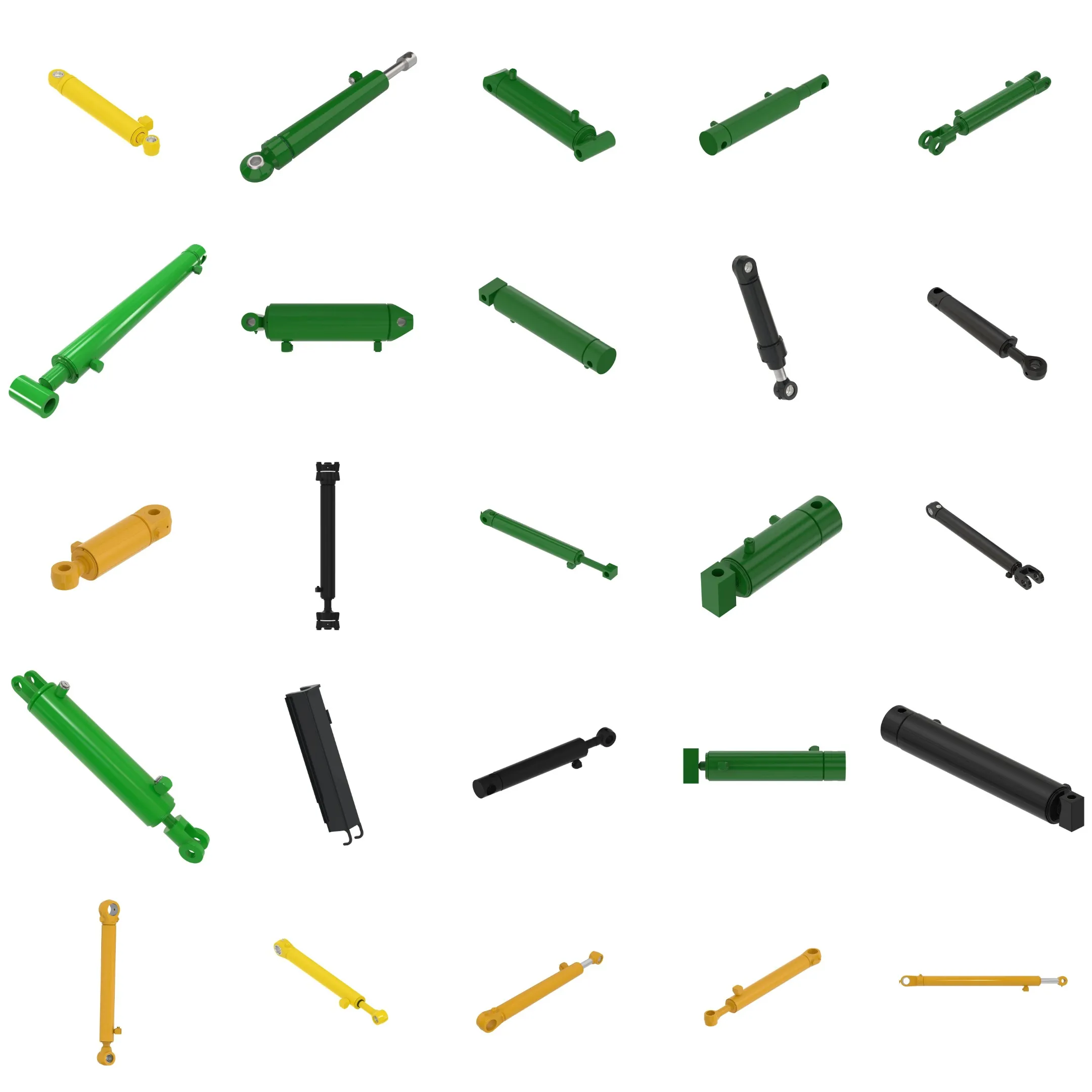
We are a manufacturer of replacement hydraulic


 DA
DA  EN
EN  PT
PT  ES
ES  DE
DE  FR
FR  IT
IT  AR
AR  ZH
ZH  RU
RU  KO
KO  KA
KA  BG
BG  CS
CS  EL
EL  ET
ET  FI
FI  HU
HU  ID
ID  LT
LT  LV
LV  NB
NB  NL
NL  PL
PL  RO
RO  SK
SK  SL
SL  SV
SV  TR
TR  UK
UK