
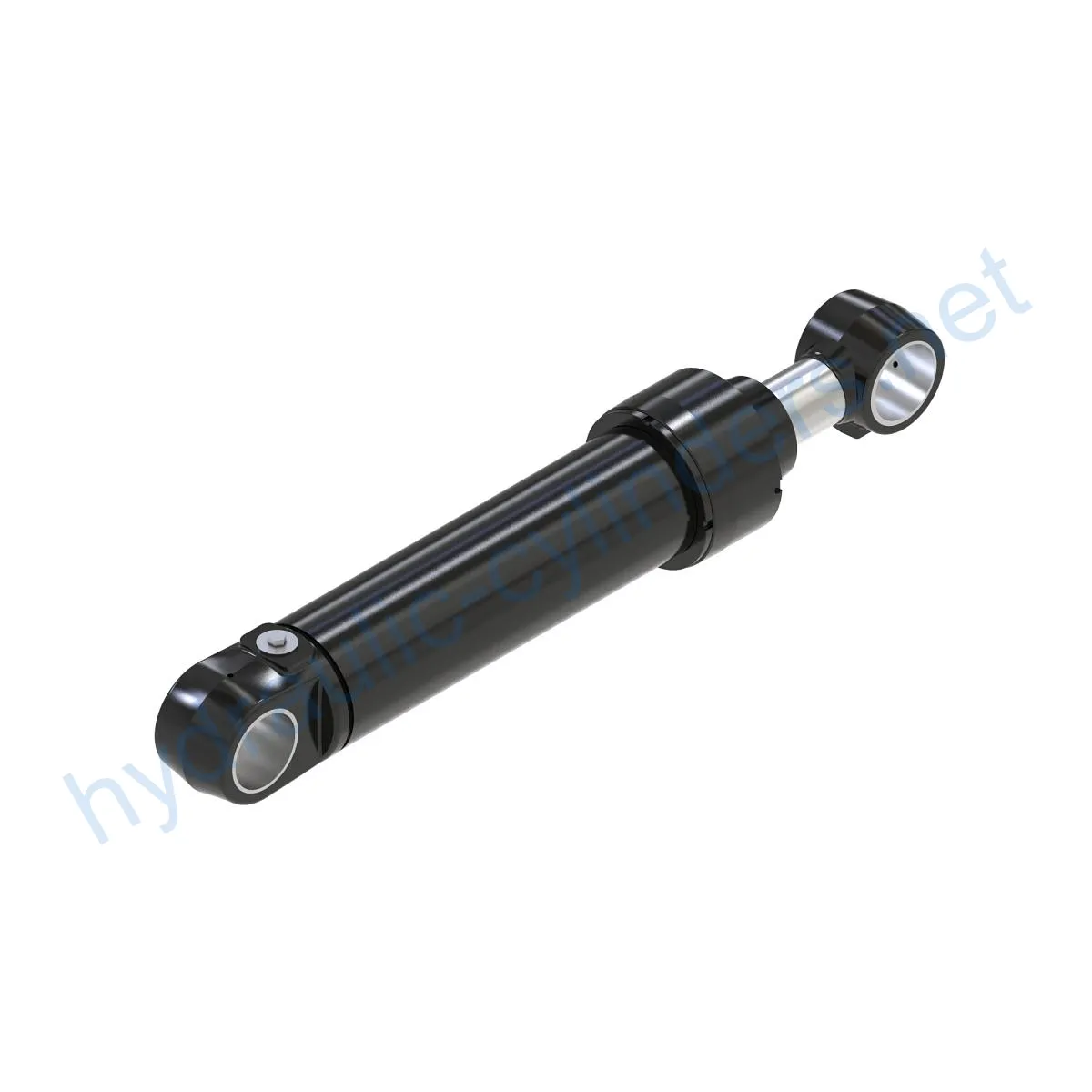
Replacement Of AT183261 Hydraulic Cylinder
Replacement Of AT183261 Hydraulic Cylinder
Produktintroduktion
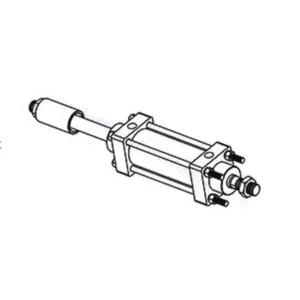
The Replacement Of AT183261 Hydraulic Cylinder is a crucial component used in various machinery. It plays a vital role in providing the necessary force for hydraulic systems to operate effectively.
Specifikationer
- Weight: 19.9 lb
- Højde: 8,3 cm
- Bredde: 3,4 tommer
- Length: 22.6 in
Model
The Replacement Of AT183261 Hydraulic Cylinder is compatible with model 210LE.
Funktioner
- Improved Equipment Performance: Replacing damaged or worn-out hydraulic cylinders restores the normal operation of the equipment, ensuring its performance in various applications.
- Forbedret sikkerhed: Regelmæssig udskiftning af hydrauliske cylindre reducerer sikkerhedsrisici forårsaget af cylinderfejl og sikrer dermed operatørers og udstyrs sikkerhed.
- Overbelastningsbeskyttelse: Nye cylinderdesigns har ofte bedre overbelastningsbeskyttelsesmekanismer, hvilket forbedrer sikkerheden.
- Hurtig installation: Moderne hydrauliske cylindre er designet med nem installation og udskiftning i tankerne, hvilket minimerer nedetid.
- Standardiserede komponenter: Mange hydrauliske cylindre er standardiserede produkter, hvilket gør det nemmere at få fat i reservedele på markedet.
Applikationer
- Gravemaskiner: Hydrauliske cylindre i gravemaskinens arme eller skovle kan blive beskadiget på grund af langvarig brug eller overbelastning, hvilket kræver udskiftning for at genoprette normal drift.
- Cranes: Hydraulic cylinders in crane boom arms are prone to wear during frequent lifting and lowering, necessitating regular replacement for safety reasons.
- Traktorer: Hydrauliske cylindre i traktorers frontlæsserudstyr kan opleve lækager eller forringelse af ydeevnen under kontinuerlig løfte- og vippeoperationer, hvilket nødvendiggør udskiftning.
- Harvesters: Hydraulic systems endure high pressure during harvesting, and fatigue can lead to cylinder damage, requiring timely replacement to maintain work efficiency.
- Automatiserede produktionslinjer: Hydrauliske cylindre bruges til at styre robotarme og andet automatiseret udstyr. Cylinderfejl kan have betydelig indflydelse på produktionseffektiviteten og nødvendiggøre øjeblikkelig udskiftning.
- Die-Casting Machines: In high-pressure and high-temperature environments, hydraulic cylinders may experience performance degradation. Regular replacement ensures product quality.
- Mineudstyr: Hydrauliske cylindre bruges til at løfte og flytte tunge belastninger i mineudstyr. På grund af barske arbejdsforhold er regelmæssig inspektion og udskiftning nødvendig for at undgå udstyrsfejl.
- Bulldozers: Wear on hydraulic cylinders in bulldozer blade arms can result in reduced pushing capacity, requiring timely replacement to maintain operational efficiency.
Vedligeholdelsesopgaver
- Regular Inspections: Perform routine checks to identify any signs of damage or wear on the hydraulic cylinder.
- Proper Lubrication: Ensure the cylinder is appropriately lubricated to reduce friction and prolong its lifespan.
- Seal Replacement and Calibration Checks: Replace worn-out seals and conduct calibration tests to maintain optimal performance.
Sikkerhedshensyn og miljøfaktorer
When using hydraulic cylinders, it is crucial to prioritize safety measures to prevent accidents. Adequate training and adherence to safety protocols are essential to ensure the well-being of personnel and equipment. Additionally, environmental factors should be taken into account to minimize the impact of hydraulic cylinder operation on the surroundings.
Fejlfinding og almindelige problemer
Faulty hydraulic cylinders can lead to various problems. Some common issues include leaks, insufficient force, and abnormal cylinder movements. To diagnose and resolve these problems effectively, consider the following tips:
- Inspect all connections and seals for potential leaks.
- Kontroller hydraulikvæskeniveauer og kvalitet.
- Ensure proper alignment and positioning of the cylinder.
- Verify that the hydraulic system is free from any blockages or obstructions.
Forebyggende foranstaltninger
To minimize potential issues, it is recommended to:
- Follow a regular maintenance schedule.
- Overvåg hydraulikvæskeniveauer og -kvalitet.
- Perform routine inspections for signs of wear or damage.
- Provide proper operator training on hydraulic cylinder operation.
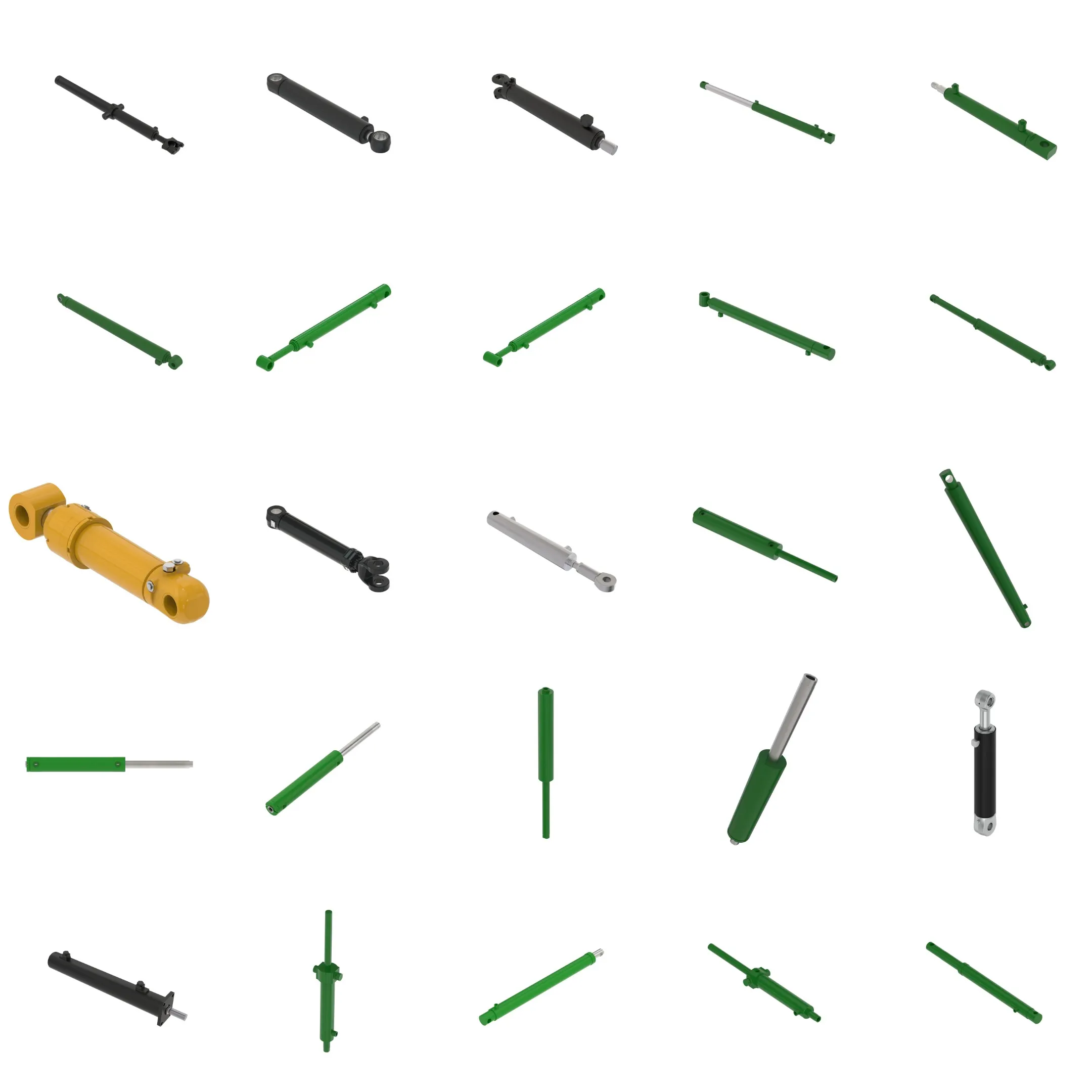
Designovervejelser og udvælgelseskriterier
Når man vælger en hydraulisk cylinder, skal man overveje flere faktorer:
- Load-Bearing Capacity: The cylinder must be able to withstand the intended load.
- Sealing Capability: Seals should effectively prevent leakage and ensure system integrity.
- Durability: The cylinder should be able to withstand the operating conditions and maintain performance over time.
- Safety: Consider safety features such as overload protection mechanisms.
- Maintainability: The design should allow for easy maintenance and repair.
Tætning og smøring
Hydraulic cylinders use various sealing components, such as piston seals and rod seals, made of durable materials like polyurethane and nitrile rubber. The cylinder body and threaded ends undergo meticulous surface treatment to enhance wear resistance. Regular lubrication with appropriate hydraulic oil is necessary to ensure smooth operation.
Regelmæssig inspektion og forebyggende vedligeholdelse
Regular inspection and preventive maintenance are essential for optimal hydraulic cylinder performance. Proper installation, lubrication, and adjustment are crucial. Providing guidance on aligning the cylinder correctly and recommending the use of suitable mounting brackets to secure the cylinder can significantly extend its lifespan. Additionally, suggesting inspection, repair, and replacement procedures, as well as offering component replacement and rebuilding services, can help improve the longevity of hydraulic cylinders.
Sikkerhedshensyn og miljøfaktorer
When using hydraulic cylinders, it is crucial to prioritize safety measures to prevent accidents. Adequate training and adherence to safety protocols are essential to ensure the well-being of personnel and equipment. Additionally, environmental factors should be taken into account to minimize the impact of hydraulic cylinder operation on the surroundings.
Fejlfinding og almindelige problemer
Hydraulic cylinder problems may arise due to various reasons. Common issues include leaks, insufficient force generation, and irregular movements. To diagnose and resolve these problems effectively, consider the following tips:
- Inspect all connections and seals for potential leaks.
- Kontroller hydraulikvæskeniveauer og kvalitet.
- Ensure proper alignment and positioning of the cylinder.
- Verify that the hydraulic system is free from any blockages or obstructions.
<

 DA
DA  EN
EN  PT
PT  ES
ES  DE
DE  FR
FR  IT
IT  AR
AR  ZH
ZH  RU
RU  KO
KO  KA
KA  BG
BG  CS
CS  EL
EL  ET
ET  FI
FI  HU
HU  ID
ID  LT
LT  LV
LV  NB
NB  NL
NL  PL
PL  RO
RO  SK
SK  SL
SL  SV
SV  TR
TR  UK
UK