


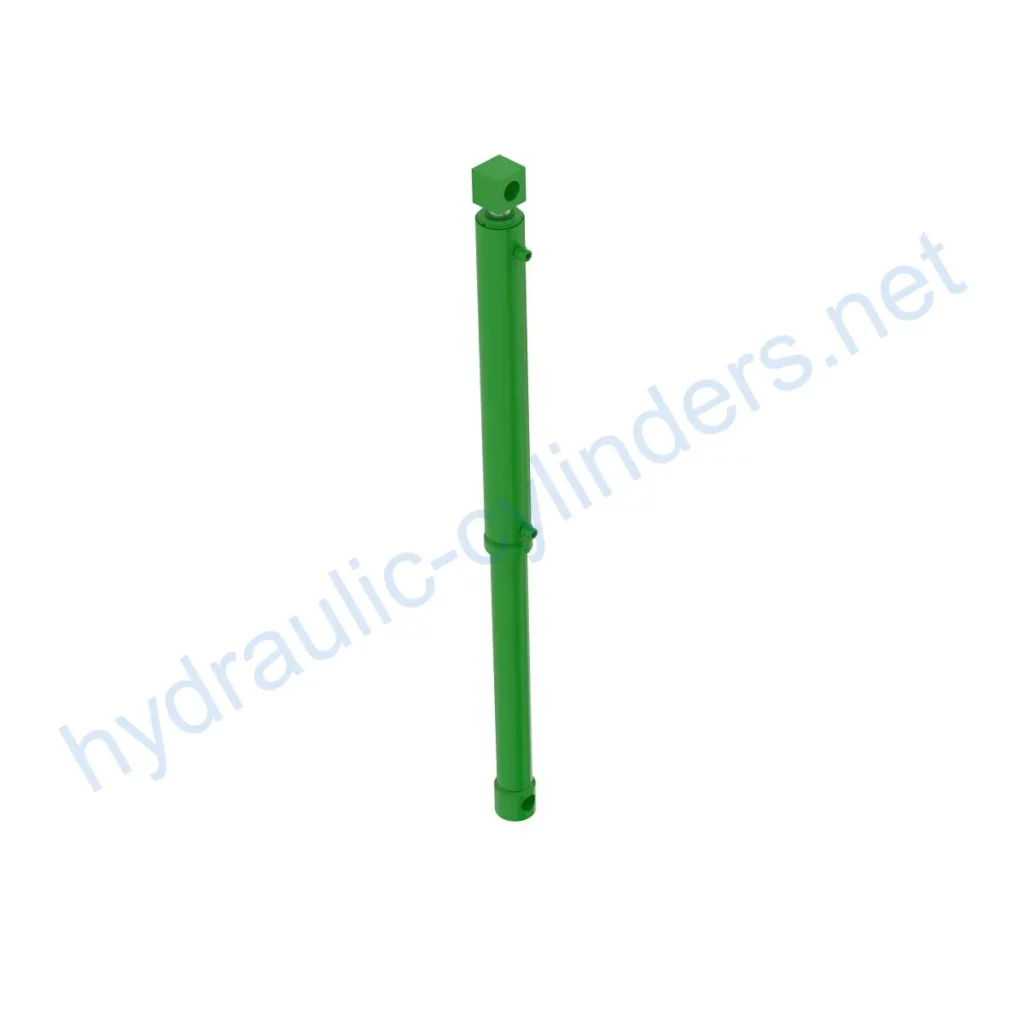
Replacement Of AHC12621 Hydraulic Cylinder
Indledning
The Replacement Of AHC12621 Hydraulic Cylinder is a crucial component in various industrial machinery. This hydraulic cylinder is responsible for converting hydraulic power into mechanical force, allowing for efficient and precise movement. It plays a vital role in ensuring the proper functioning of equipment.
Specifikationer
- Weight: 82 lb
- Height: 6.6 in
- Width: 10.6 in
- Længde: 61,8 tommer
Model: H340
Funktioner
- Forbedret udstyrsydelse: Udskiftning af beskadigede eller slidte hydrauliske cylindre kan genoprette udstyrets normale driftsevne og sikre dets ydeevne i forskellige anvendelser.
- Forbedret sikkerhed: Regelmæssig udskiftning af hydrauliske cylindre kan reducere sikkerhedsrisici forårsaget af cylinderfejl og dermed sikre operatørers og udstyrs sikkerhed.
- Overbelastningsbeskyttelse: Nydesignede cylindre har ofte bedre overbelastningsbeskyttelsesmekanismer, hvilket forbedrer sikkerheden.
- Hurtig installation: Moderne hydrauliske cylindre er designet til nem installation og udskiftning, hvilket minimerer nedetid.
- Standardiserede komponenter: Mange hydrauliske cylindre er standardiserede produkter, hvilket gør det nemmere at få fat i reservedele på markedet.
Applikationer
- Gravemaskiner: Hydrauliske cylindre i gravemaskinens arme eller skovle kan blive beskadiget på grund af langvarig brug eller overbelastning, hvilket kræver udskiftning for at genoprette normal drift.
- Cranes: Hydraulic cylinders in crane boom systems can wear out due to frequent lifting and lowering, necessitating regular replacement for safety.
- Tractors: Hydraulic cylinders in front-end loaders of tractors may develop leaks or performance issues during continuous lifting and tilting operations, calling for replacement.
- Harvesters: Hydraulic systems in harvesters endure high pressure during the harvesting process, and fatigue can lead to cylinder damage, requiring timely replacement to maintain work efficiency.
- Automatiserede produktionslinjer: Hydrauliske cylindre bruges til at styre robotarme og andet automatiseret udstyr. Cylinderfejl kan have betydelig indflydelse på produktionseffektiviteten og nødvendiggøre øjeblikkelig udskiftning.
- Trykstøbemaskiner: I miljøer med højt tryk og høje temperaturer kan hydrauliske cylindre i trykstøbemaskiner opleve forringet ydeevne. Regelmæssig udskiftning sikrer produktkvaliteten.
- Mining Equipment: Hydraulic cylinders are employed for lifting and moving heavy loads in mining equipment. Due to harsh working conditions, regular inspections and replacements are necessary to avoid equipment failure.
- Bulldozers: Hydraulic cylinder wear on bulldozer blades can result in decreased pushing capacity, requiring timely replacement to maintain operational efficiency.
Vedligeholdelsesopgaver
- Regelmæssig inspektion: Efterse regelmæssigt den hydrauliske cylinder for tegn på slid, lækager eller skader.
- Proper Lubrication: Ensure adequate lubrication of the cylinder to minimize friction and maximize performance.
- Seal Replacement and Calibration Checks: Replace worn seals and conduct calibration checks to maintain optimal performance.
Sikkerhedshensyn og miljøfaktorer
When using hydraulic cylinders, it is crucial to follow appropriate safety measures to prevent accidents and injuries. Implementing safety protocols and ensuring proper training is essential to protect personnel and equipment. Additionally, considering environmental factors such as proper disposal of used hydraulic components and adherence to environmental regulations is necessary to minimize ecological impact.
Fejlfinding og almindelige problemer
1. Cylinder Leakage: If the hydraulic cylinder is experiencing leakage, it may indicate damaged seals or other internal components. Inspect and replace the faulty parts to resolve the issue.
2. Insufficient Force: If the cylinder is not generating enough force, it could be due to low hydraulic pressure or worn-out internal components. Check the hydraulic system and replace any worn parts.
3. Erratic Cylinder Movement: Inconsistent or jerky cylinder movement may indicate a problem with the control valves or hydraulic lines. Inspect these components and address any issues accordingly.
Forebyggende foranstaltninger og fejlfindingstips
To effectively diagnose and resolve hydraulic cylinder issues, consider the following tips:
– Regularly inspect the cylinder for leaks, wear, or damage.
– Keep the cylinder properly lubricated to minimize friction and ensure smooth operation.
– Follow recommended installation procedures, including aligning the cylinder correctly.
– Use appropriate installation supports to secure the cylinder in place.
– Refer to recommended inspection, repair, and replacement procedures.
– Utilize genuine replacement parts and rebuilding services to extend the longevity of your hydraulic cylinder.

Designovervejelser og udvælgelseskriterier
When selecting a hydraulic cylinder, it is important to consider the following factors:
– Load-bearing capacity
– Sealing properties
– Durability
– Safety features
– Ease of maintenance and repair
Tætning og smøring
Hydraulic cylinders utilize various sealing elements such as piston seals and rod seals made of wear-resistant materials like polyurethane and nitrile rubber. The cylinder body and threaded ends undergo meticulous surface treatment to enhance wear resistance. Regular lubrication with appropriate hydraulic oil is necessary to ensure smooth operation.
Regelmæssig inspektion og forebyggende vedligeholdelse
- Sørg for korrekt installation, smøring og justering for optimal ydeevne.
- Giv vejledning i korrekt justering af cylinderen under installationsprocessen.
- Suggest the use of appropriate installation supports to secure the cylinder effectively.
- Anbefal procedurer for inspektion, reparation og udskiftning.
- Tilbyd reservedele og ombygningstjenester for at forlænge levetiden på den hydrauliske cylinder.
- Share techniques to improve the longevity of the hydraulic cylinder.
Produktinstallationsvejledning
Proper installation of the hydraulic cylinder is crucial for its optimal performance and longevity. Follow these guidelines:
1. Ensure the mounting surface is clean and free from debris.
2. Align the cylinder properly with the mounting holes.
3. Use suitable mounting bolts and tightening torque.
4. Verify that the cylinder is securely fastened and aligned with the equipment.
5. Connect the hydraulic lines according to the manufacturer’s specifications.
6. Perform a thorough inspection and function test before putting the equipment into operation.
Om vores virksomhed
We are a leading manufacturer and wholesale distributor of replacement hydraulic cylinders. Our company offers a wide range of hydraulic cylinders and has become a trusted name in the domestic and international markets.
Vores styrker:
- Professionalism: Our team consists of highly skilled and experienced professionals dedicated to delivering top-quality hydraulic cylinders.
- International Certifications: Our