
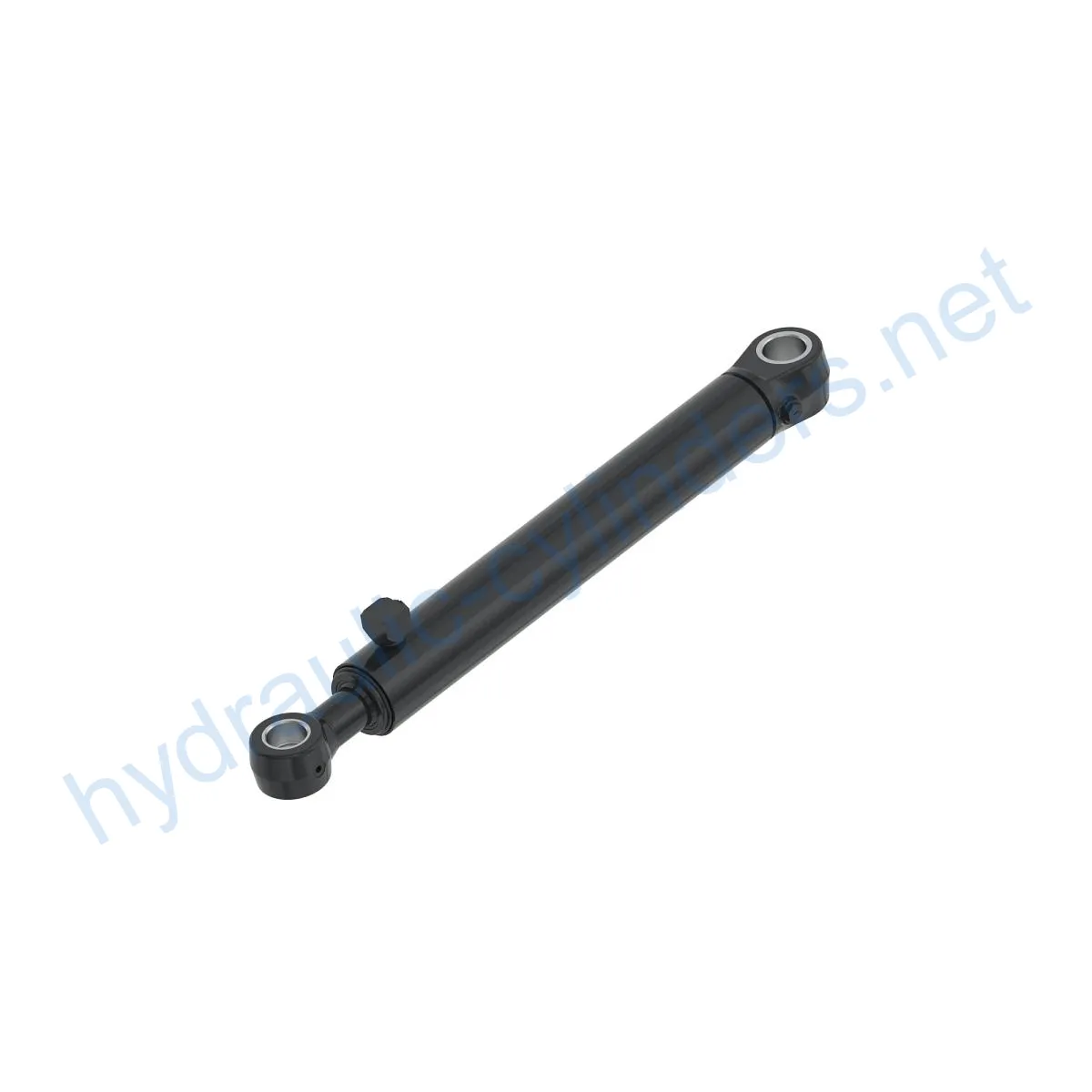
Udskiftning af AHC16235 hydraulisk cylinder
Som en af producenterne, leverandørerne og eksportørerne af mekaniske produkter tilbyder vi hydrauliske cylindre og mange andre produkter.
Kontakt os for yderligere oplysninger.
Mail:sales@hydraulic-cylinders.net
Producent, leverandør og eksportør af hydrauliske cylindre.
Replacement Of AHC16235 Hydraulic Cylinder
The Replacement Of AHC16235 Hydraulic Cylinder is a crucial component in various hydraulic systems. Designed to provide reliable power and motion, this hydraulic cylinder plays a vital role in ensuring the smooth operation of machinery and equipment.
Specifikationer
- Weight: 64.02 lb
- Højde: 10 cm
- Bredde: 13,5 cm
- Length: 36.2 in
Compatible Models: 643L, 643L-II, 843L, 843L-II
Funktioner
- Forbedret udstyrsydelse: Udskiftning af beskadigede eller slidte hydrauliske cylindre genopretter udstyrets normale driftsevne og sikrer optimal ydeevne i forskellige anvendelser.
- Forbedret sikkerhed: Regelmæssig udskiftning af hydrauliske cylindre reducerer sikkerhedsrisici forårsaget af cylinderfejl og sikrer dermed operatørers og udstyrs sikkerhed.
- Overbelastningsbeskyttelse: Nye cylinderdesign har ofte bedre overbelastningsbeskyttelsesmekanismer, hvilket forbedrer sikkerheden under drift.
- Hurtig installation: Moderne hydrauliske cylindre er designet til nem installation og udskiftning, hvilket minimerer nedetid.
- Standardiserede komponenter: Mange hydrauliske cylindre er standardiserede produkter, hvilket letter anskaffelsen af reservedele på markedet.
We specialize in producing replacement hydraulic cylinders that perfectly match and substitute for the original models.
Applikationer
- Excavators: Hydraulic cylinders in excavator arms or buckets may get damaged due to long-term usage or overloading, requiring replacement to restore proper operation.
- Cranes: Crane boom hydraulic cylinders are prone to wear during frequent lifting and lowering processes, necessitating regular replacement to ensure safety.
- Traktorer: Hydrauliske cylindre på frontlæssere i traktorer kan opleve lækager eller forringelse af ydeevnen under kontinuerlig løfte- og vippeoperationer, hvilket kræver udskiftning.
- Harvesters: The hydraulic system in harvesters operates under high pressure, and cylinders can get damaged due to fatigue. Timely replacement is essential to maintain work efficiency.
- Automation Production Lines: Hydraulic cylinders are used to control robotic arms and other automated equipment. Cylinder failures can significantly impact production efficiency, requiring immediate replacement.
- Støbemaskiner: I miljøer med højt tryk og høje temperaturer kan hydrauliske cylindre opleve forringet ydeevne. Regelmæssig udskiftning sikrer produktkvaliteten.
- Mineudstyr: Hydrauliske cylindre bruges til at løfte og flytte tunge belastninger i mineudstyr. På grund af barske arbejdsforhold er regelmæssige inspektioner og udskiftninger nødvendige for at undgå udstyrsfejl.
- Bulldozers: Wear of hydraulic cylinders on a bulldozer’s blade can lead to decreased pushing ability. Timely replacement maintains efficient operation.
Vedligeholdelsesopgaver
- Regular Inspections: Periodically check the hydraulic cylinder for any signs of damage, leaks, or abnormal wear.
- Proper Lubrication: Ensure appropriate lubrication of the cylinder components to reduce friction and extend their lifespan.
- Seal Replacement and Calibration Checks: Replace worn-out seals and perform calibration checks to maintain optimal cylinder performance.
During installation, provide proper guidance on aligning the cylinder. It is advisable to use suitable installation brackets to secure the cylinder. We recommend following the recommended inspection, repair, and replacement procedures provided by the manufacturer. We also offer replacement parts and rebuilding services to enhance the longevity of your hydraulic cylinders.
Sikkerhedshensyn og miljøfaktorer
When using hydraulic cylinders, it is essential to prioritize safety measures. Proper handling and adherence to safety guidelines minimize the risk of accidents and injuries. Additionally, considering environmental factors in the design and use of hydraulic cylinders contributes to sustainable practices and reduces environmental impact.
Fejlfinding og almindelige problemer
- Leakage: Check for potential causes such as damaged seals, loose connections, or excessive pressure. Replace faulty components and ensure proper sealing.
- Slow or Incomplete Operation: Inspect for clogged or damaged hydraulic lines, low fluid levels, or inadequate pressure. Clean or replace components as necessary.
- Abnormal Noise or Vibration: Investigate potential issues with misalignment, loose mounting, or worn-out components. Take corrective measures, such as realigning or tightening connections, and replace worn parts.
- Overheating: Examine hydraulic fluid levels, check for system contamination, or assess the load demands. Address the root causes, such as fluid leaks, improper fluid type, or excessive loads, to prevent overheating.
- Erratic Cylinder Movement: Inspect for potential issues like mechanical obstructions, hydraulic pressure fluctuations, or electrical malfunctions. Identify and rectify the underlying problems to restore proper cylinder function.
For effective troubleshooting and problem resolution, consider the provided tips and solutions. Additionally, suggest preventive measures to minimize potential issues and prolong the lifespan of your hydraulic cylinders.
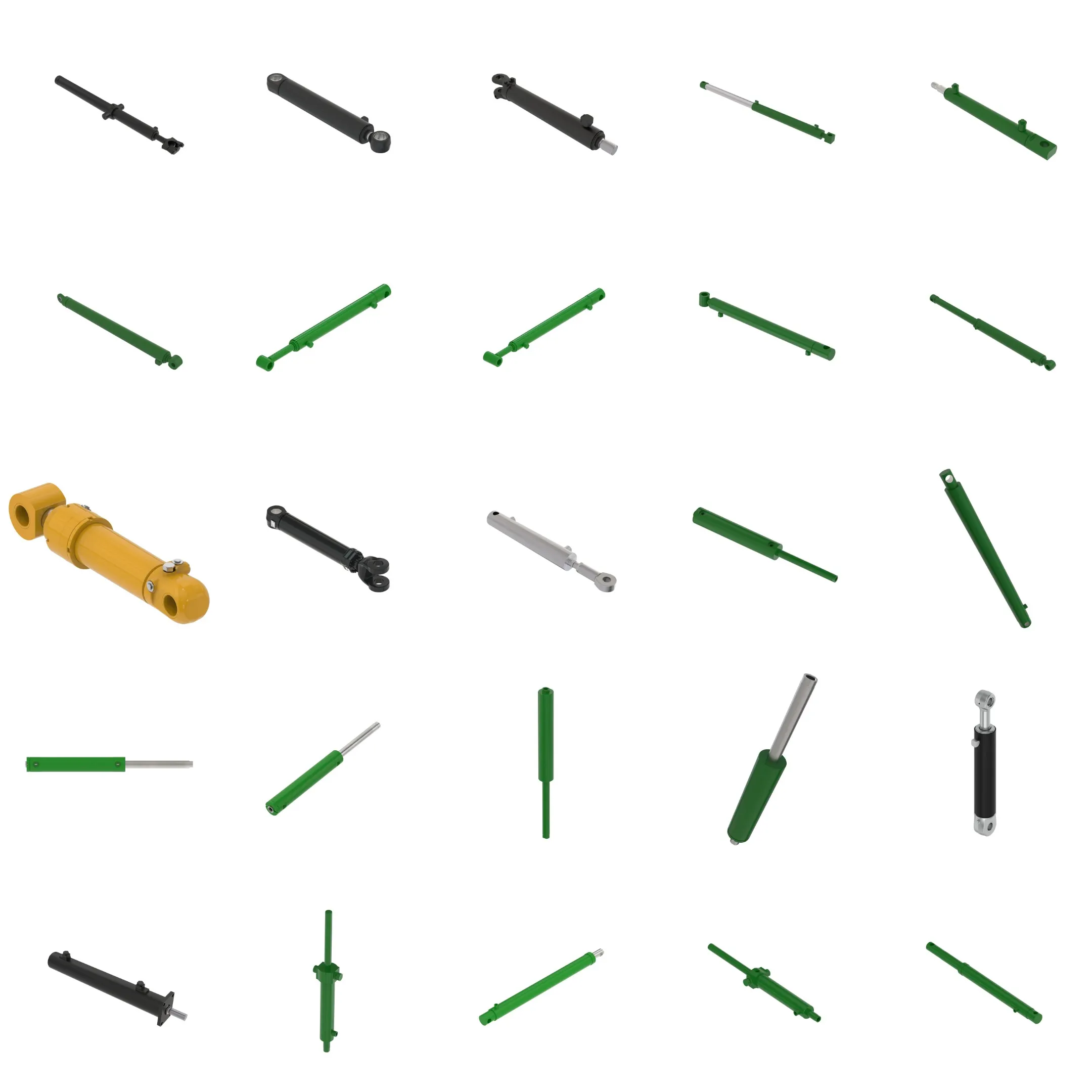
Designovervejelser og udvælgelseskriterier
When designing hydraulic cylinders, several key factors must be considered:
- Load-Bearing Capacity: Ensure that the cylinder can handle the intended load without compromising performance or safety.
- Sealing Capability: Select appropriate sealing components, such as piston seals and rod seals, made from wear-resistant materials like polyurethane or nitrile rubber.
- Durability: Implement precise cylinder body and thread surface treatments to enhance wear resistance and prolong service life.
- Safety: Incorporate safety features and mechanisms, such as overload protection systems, to prevent potential accidents and equipment damage.
- Maintainability: Design cylinders with easy access to internal components for inspection, lubrication, and adjustment purposes, ensuring convenient maintenance.
Tætning og smøring
Hydraulic cylinders utilize various sealing elements to prevent fluid leakage and ensure proper operation. These include piston seals, rod seals, and wiper seals, among others. These seals are crafted from durable materials like polyurethane and nitrile rubber, capable of withstanding wear and tear. Additionally, the cylinder body and thread surfaces undergo meticulous treatment to enhance their wear resistance. Regular lubrication with appropriate hydraulic oil is necessary to ensure smooth operation and minimize friction.
Regelmæssig inspektion og forebyggende vedligeholdelse
To maintain optimal performance and extend the lifespan of hydraulic cylinders, the following maintenance tasks are recommended:
- Regular Inspections: Periodically inspect the cylinder for signs of wear, damage, or leaks. Address any issues promptly.
- Proper Lubrication: Ensure the hydraulic cylinder is adequately lubricated with the recommended hydraulic oil.
- Seal Replacement: Replace worn seals to maintain their sealing effectiveness and prevent fluid leakage.
- Calibration Checks: Perform calibration checks to ensure precise cylinder operation and alignment.
Accurate installation instructions are provided to guide the proper installation of our hydraulic cylinders. It is essential to
Hydraulisk cylinderanvendelse:

 DA
DA  EN
EN  PT
PT  ES
ES  DE
DE  FR
FR  IT
IT  AR
AR  ZH
ZH  RU
RU  KO
KO  KA
KA  BG
BG  CS
CS  EL
EL  ET
ET  FI
FI  HU
HU  ID
ID  LT
LT  LV
LV  NB
NB  NL
NL  PL
PL  RO
RO  SK
SK  SL
SL  SV
SV  TR
TR  UK
UK