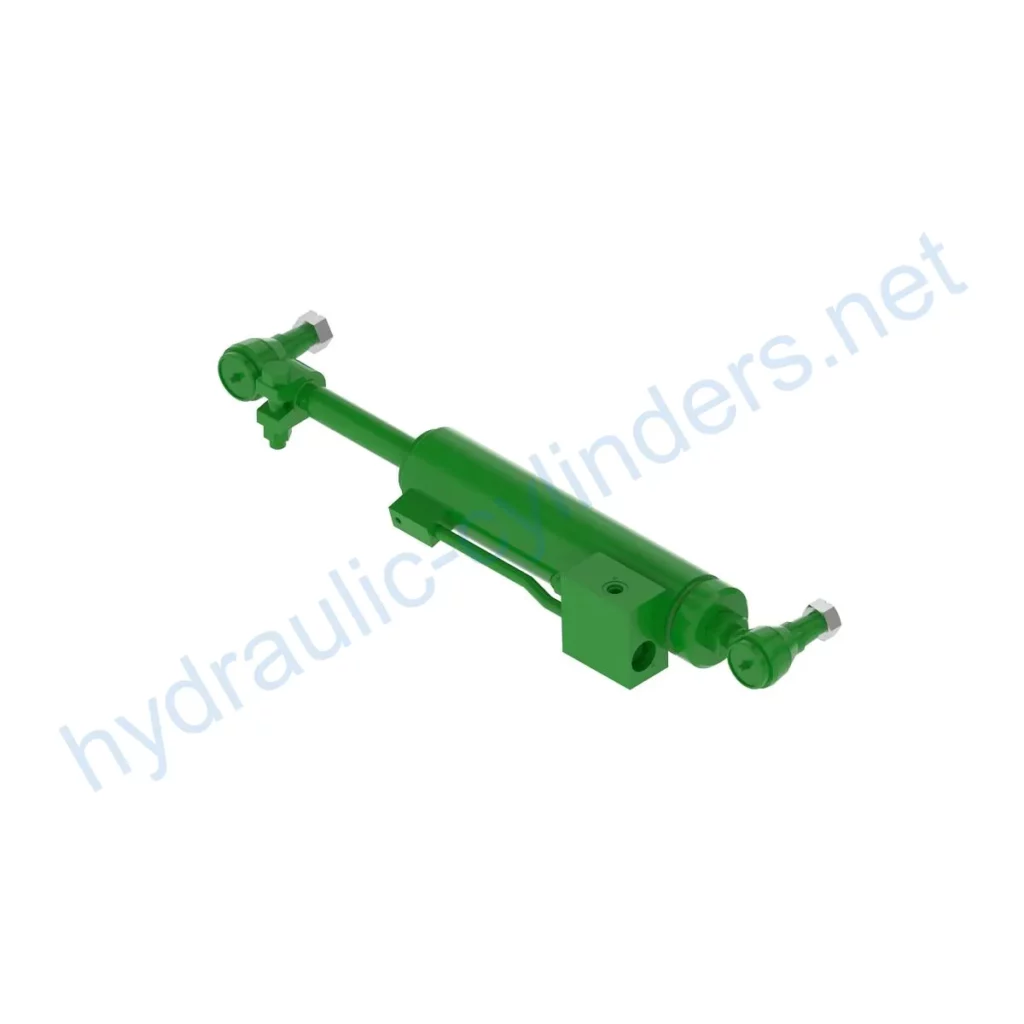
Replacement Of AN302049 Steering Hydraulic Cylinder, LH
Indledning
The Replacement Of AN302049 Steering Hydraulic Cylinder, LH is a hydraulic cylinder designed to replace the original cylinder in compatible machinery models 4920 and 4930. It is a crucial component that plays a key role in the steering system of these machines, allowing for precise control and maneuverability.
Specifikationer
- Weight: 34.04 lb
- Højde: 10 cm
- Bredde: 18 cm
- Length: 23.75 in
Funktioner
- Forbedret udstyrsydelse: Udskiftning af beskadigede eller slidte hydrauliske cylindre kan genoprette udstyrets normale driftsevne og sikre dets ydeevne i forskellige anvendelser.
- Forbedret sikkerhed: Regelmæssig udskiftning af hydrauliske cylindre kan reducere sikkerhedsrisici forårsaget af cylinderfejl og dermed sikre operatørers og udstyrs sikkerhed.
- Overbelastningsbeskyttelse: Nye cylinderdesigns har ofte bedre overbelastningsbeskyttelsesmekanismer, hvilket forbedrer sikkerheden.
- Hurtig installation: Moderne hydrauliske cylindre er designet til nem installation og udskiftning, hvilket minimerer nedetid.
- Standardiserede komponenter: Mange hydrauliske cylindre er standardiserede produkter, hvilket gør det nemt at få fat i reservedele på markedet.
Applikationer
- Gravemaskiner: Hydrauliske cylindre i gravemaskinens arme eller skovle kan blive beskadiget på grund af langvarig brug eller overbelastning, hvilket kræver udskiftning for at genoprette normal drift.
- Cranes: Hydraulic cylinders in crane boom arms are susceptible to wear and tear from frequent lifting and lowering, necessitating regular replacement for safety.
- Tractors: Hydraulic cylinders in front-end loader attachments of tractors may experience leaks or decreased performance during continuous lifting and tilting operations, requiring replacement.
- Harvesters: The hydraulic system endures high pressure during the harvesting process, and cylinders may get damaged due to fatigue, requiring timely replacement to maintain efficiency.
- Automatiserede produktionslinjer: Hydrauliske cylindre bruges til at styre robotarme og andet automatiseret udstyr. Cylinderfejl kan have betydelig indflydelse på produktionseffektiviteten og bør udskiftes med det samme.
- Die Casting Machines: Hydraulic cylinders in die casting machines may experience decreased performance under high pressure and temperature environments. Regular replacement ensures product quality.
- Mineudstyr: Hydrauliske cylindre bruges til at løfte og flytte tunge belastninger i mineudstyr. På grund af barske arbejdsforhold er regelmæssig inspektion og udskiftning nødvendig for at undgå udstyrsfejl.
- Bulldozers: Wear of hydraulic cylinders in bulldozer blades can lead to a decrease in pushing power, requiring timely replacement to maintain operational efficiency.
Vedligeholdelsesopgaver
- Regular Inspection: Perform routine checks to identify any signs of wear or damage in the hydraulic cylinder.
- Proper Lubrication: Ensure appropriate lubrication of the cylinder to reduce friction and prolong its lifespan.
- Seal Replacement and Calibration Checks: Regularly replace worn seals and perform calibration checks to maintain optimal performance.
Sikkerhedshensyn og miljøfaktorer
When using hydraulic cylinders, it is important to follow safety measures to prevent accidents and ensure the well-being of operators and equipment. Proper handling and maintenance of cylinders can also minimize environmental impact.
Fejlfinding og almindelige problemer
- Loss of Hydraulic Pressure: If the cylinder fails to exert sufficient force, it may indicate a loss of hydraulic pressure. Check for leaks or blockages in the hydraulic system.
- Slow or Jerky Cylinder Movement: This issue can be caused by insufficient lubrication or worn seals. Ensure proper lubrication and replace worn seals as needed.
- Excessive Noise or Vibration: Unusual noise or vibration during cylinder operation may indicate a mechanical problem. Inspect the cylinder for misalignment or damaged components.
- Leaking Fluid: Fluid leaks can result from damaged seals or connections. Identify the source of the leak and replace the faulty parts.
Forebyggende foranstaltninger og fejlfindingstips
To effectively diagnose and solve problems related to hydraulic cylinders, consider the following tips:
- Inspicer og vedligehold regelmæssigt den hydrauliske cylinder for at identificere potentielle problemer, før de eskalerer.
- Follow recommended installation, lubrication, and adjustment procedures to ensure proper functioning.
- Provide guidance on aligning the cylinder correctly during installation and recommend the use of appropriate installation brackets for stability.
- Offer inspection, repair, and replacement services to prolong the lifespan of the hydraulic cylinder.
- Share techniques to improve the durability of the cylinder and maximize its usage.

Designovervejelser og udvælgelseskriterier
When choosing a hydraulic cylinder, various factors should be considered, such as load-bearing capacity, sealing capabilities, durability, safety features, and ease of maintenance. Each aspect plays a crucial role in ensuring optimal performance and longevity.
Tætning og smøring
Hydraulic cylinders are equipped with various seals, such as piston seals and rod seals, made from wear-resistant materials like polyurethane and nitrile rubber. The cylinder body and threaded ends undergo precise surface treatments to enhance wear resistance. Regular lubrication with the appropriate hydraulic oil is essential for smooth operation and longevity.
Regelmæssig inspektion og forebyggende vedligeholdelse
- Proper installation, lubrication, and adjustment are vital for the optimal performance of hydraulic cylinders.
- During installation, provide guidance on aligning the cylinder correctly and recommend the use of suitable installation brackets to secure the cylinder.
- Recommend inspection, repair, and replacement procedures to ensure the longevity of the hydraulic cylinder.
- Offer tips and techniques to increase the lifespan of the cylinder and minimize potential issues.
Installationsvejledning
Follow these steps for a correct installation of the Replacement Of AN302049 Steering Hydraulic Cylinder, LH:
- Forbered monteringsområdet, og sørg for, at det er rent og fri for snavs.
- Align the cylinder with the mounting holes and attach it securely using appropriate bolts and fasteners.
- Ensure the cylinder is properly aligned and positioned for optimal performance.
- Connect the hydraulic hoses or lines to the cylinder, following the manufacturer’s guidelines for proper connections.
- Test the cylinder for proper operation and make any necessary adjustments.