
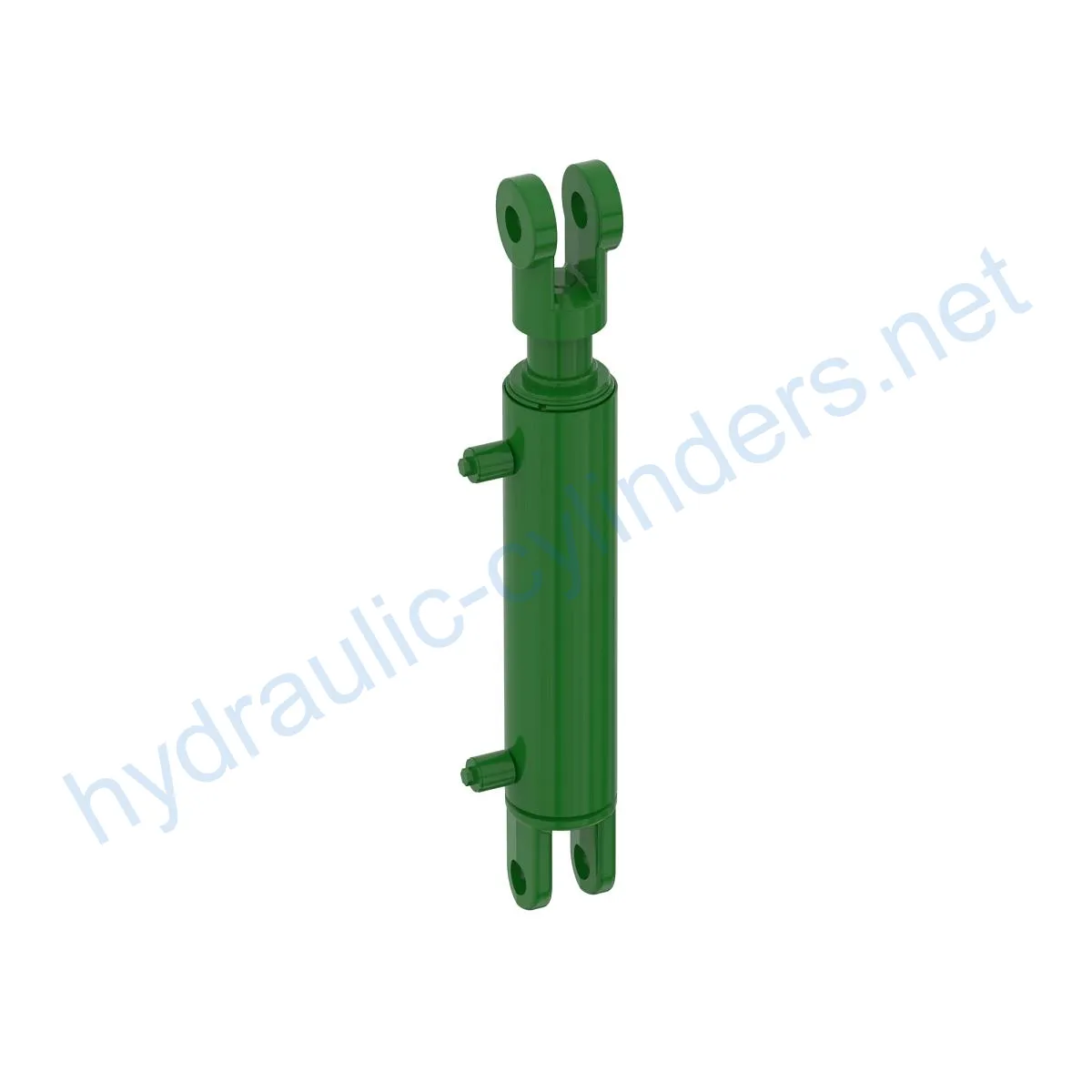
Replacement Of AHC18574 Hydraulic Cylinder
Einführung
The Replacement Of AHC18574 Hydraulic Cylinder is a vital component used in various machinery, including models 1895 N530C, N536C, N540C, N542C, and N560F. This hydraulic cylinder plays a crucial role in ensuring the smooth operation of equipment. With a weight of 26 lb and dimensions of 3.3 in (height), 4.5 in (width), and 22.5 in (length), it is designed to meet the highest standards of performance and durability.
Spezifikationen und Modelle
Weight: 26 lb
Höhe: 3,3 Zoll
Breite: 4,5 Zoll
Länge: 22,5 Zoll
Kompatible Modelle:
- 1895 N530C
- 1895 N536C
- 1895 N540C
- 1895 N542C
- 1895 N560F
Merkmale
- Verbesserte Geräteperformance: Durch den Austausch beschädigter oder verschlissener Hydraulikzylinder können die normalen Betriebsfähigkeiten des Geräts wiederhergestellt und eine optimale Leistung in verschiedenen Anwendungsbereichen gewährleistet werden.
- Erhöhte Sicherheit: Durch den regelmäßigen Austausch von Hydraulikzylindern werden die Sicherheitsrisiken durch Zylinderausfälle verringert, wodurch die Sicherheit von Bedienern und Ausrüstung gleichermaßen gewährleistet wird.
- Überlastschutz: Die Konstruktion neuer Zylinder beinhaltet häufig verbesserte Überlastschutzmechanismen, wodurch die Sicherheit im Betrieb erhöht wird.
- Schnelle Installation: Moderne Hydraulikzylinder sind für eine einfache Installation und einen einfachen Austausch konzipiert, wodurch Ausfallzeiten minimiert werden.
- Standardisierte Komponenten: Viele Hydraulikzylinder sind standardisiert, sodass Ersatzteile leichter auf dem Markt erhältlich sind.
Anwendungen
The Replacement Of AHC18574 Hydraulic Cylinder finds its applications in various scenarios:
Bagger
In excavators, the hydraulic cylinder may get damaged due to prolonged use or overload in the arm or bucket. Replacing it is essential to restore normal operation.
Kran
The hydraulic cylinder in a crane’s lifting arm is prone to wear and tear during frequent lifting and lowering operations. Regular replacement ensures safety.
Traktor
The hydraulic cylinder in a tractor’s front-end loader may develop leaks or reduced performance due to continuous lifting and tilting operations. Replacement is necessary in such cases.
Mähdrescher
During harvesting, hydraulic systems endure high pressure, and cylinders may get damaged due to fatigue. Timely replacement is crucial to maintain work efficiency.
Automatisierte Produktionslinie
Hydraulic cylinders are used to control robotic arms and other automated equipment in production lines. Immediate replacement is necessary in case of cylinder failure to avoid production delays.
Druckgussmaschine
Hydraulikzylinder in Druckgussmaschinen können in Umgebungen mit hohem Druck und hohen Temperaturen Leistungseinbußen aufweisen. Regelmäßiger Austausch sichert die Produktqualität.
Bergbauausrüstung
Hydraulic cylinders are used in mining equipment for lifting and moving heavy loads. They require regular inspection and replacement to prevent equipment failure in harsh working conditions.
Bulldozer
In bulldozers, the wear of hydraulic cylinders on the dozer blade can lead to a decrease in pushing ability. Timely replacement is necessary to maintain operational efficiency.
Wartungsaufgaben
Zu den regelmäßigen Wartungsaufgaben für Hydraulikzylinder gehören:
1. Inspektion
Regularly inspecting the cylinder for leaks, damage, and signs of wear is essential to identify potential issues.
2. Schmierung
Proper lubrication ensures smooth operation and prevents premature wear of the cylinder. Use recommended hydraulic oil and follow lubrication guidelines.
3. Dichtungswechsel und Kalibrierungsprüfungen
Replacing worn seals and performing calibration checks ensures optimal performance and prevents leaks. Follow proper alignment instructions during installation and consider using suitable installation brackets to secure the cylinder.
Sicherheitsaspekte und Umweltfaktoren
When using hydraulic cylinders, it is crucial to prioritize safety measures. Proper handling, regular maintenance, and adherence to safety protocols are essential to prevent accidents and ensure safe operation. Additionally, considering environmental factors, such as using environmentally friendly hydraulic oils, helps minimize the impact on the ecosystem.
Fehlerbehebung und häufige Probleme
Common hydraulic cylinder issues include leaks, insufficient force, and erratic movements. Here are some troubleshooting tips and solutions:
Problem: Leckage
Possible Solution: Check and replace damaged seals or connections. Ensure proper installation and tighten fittings.
Problem: Unzureichende Kraft
Possible Solution: Check for low hydraulic fluid levels, clogged filters, or worn-out components. Refill or replace as necessary.
Problem: Unregelmäßige Bewegungen
Possible Solution: Inspect for damaged valves, contaminated fluid, or air in the system. Repair or bleed the system accordingly.
Preventive measures such as regular inspections, proper maintenance, and following recommended operating practices can help minimize potential issues and ensure optimal performance.

Designüberlegungen und Auswahlkriterien
When designing hydraulic cylinders, several factors come into play:
1. Tragfähigkeit
The cylinders’ load-bearing capacity should meet the specific requirements of the machinery to ensure safe and efficient operation.
2. Sealing, Durability, and Safety
Adequate sealing, durability, and safety features are essential to withstand challenging environments and prevent leaks or failures.
3. Maintenance and Repair
Ease of maintenance and repair should be considered, allowing for quick and efficient servicing and minimizing downtime.
Abdichtung und Schmierung
Hydraulic cylinders incorporate various sealing elements, such as piston seals and rod seals, made of wear-resistant materials like polyurethane and nitrile rubber. Furthermore, the cylinder body and threaded ends undergo meticulous surface treatment to enhance wear resistance. Regular lubrication with the appropriate amount of hydraulic oil ensures smooth operation and extends the cylinder’s lifespan.
Regelmäßige Inspektion und vorbeugende Wartung
For optimal performance and longevity, the following maintenance measures are recommended:
1. Proper Installation
Ensure correct alignment during installation and follow the provided guidelines for securing the cylinder. Incorrect installation can lead to premature wear and other issues.
2. Lubrication and Adjustment
Timely lubrication and adjustment of the cylinder play a vital role in maintaining its performance. Follow the recommended lubrication intervals and use the proper type of hydraulic oil.
3. Inspection, Repair, and Replacement
Regularly inspect the cylinder for signs of wear, leaks, or damage. Implement a repair or replacement strategy based on the findings. Timely replacement


 DE
DE  EN
EN  PT
PT  ES
ES  FR
FR  IT
IT  AR
AR  ZH
ZH  RU
RU  KO
KO  KA
KA  BG
BG  CS
CS  DA
DA  EL
EL  ET
ET  FI
FI  HU
HU  ID
ID  LT
LT  LV
LV  NB
NB  NL
NL  PL
PL  RO
RO  SK
SK  SL
SL  SV
SV  TR
TR  UK
UK