
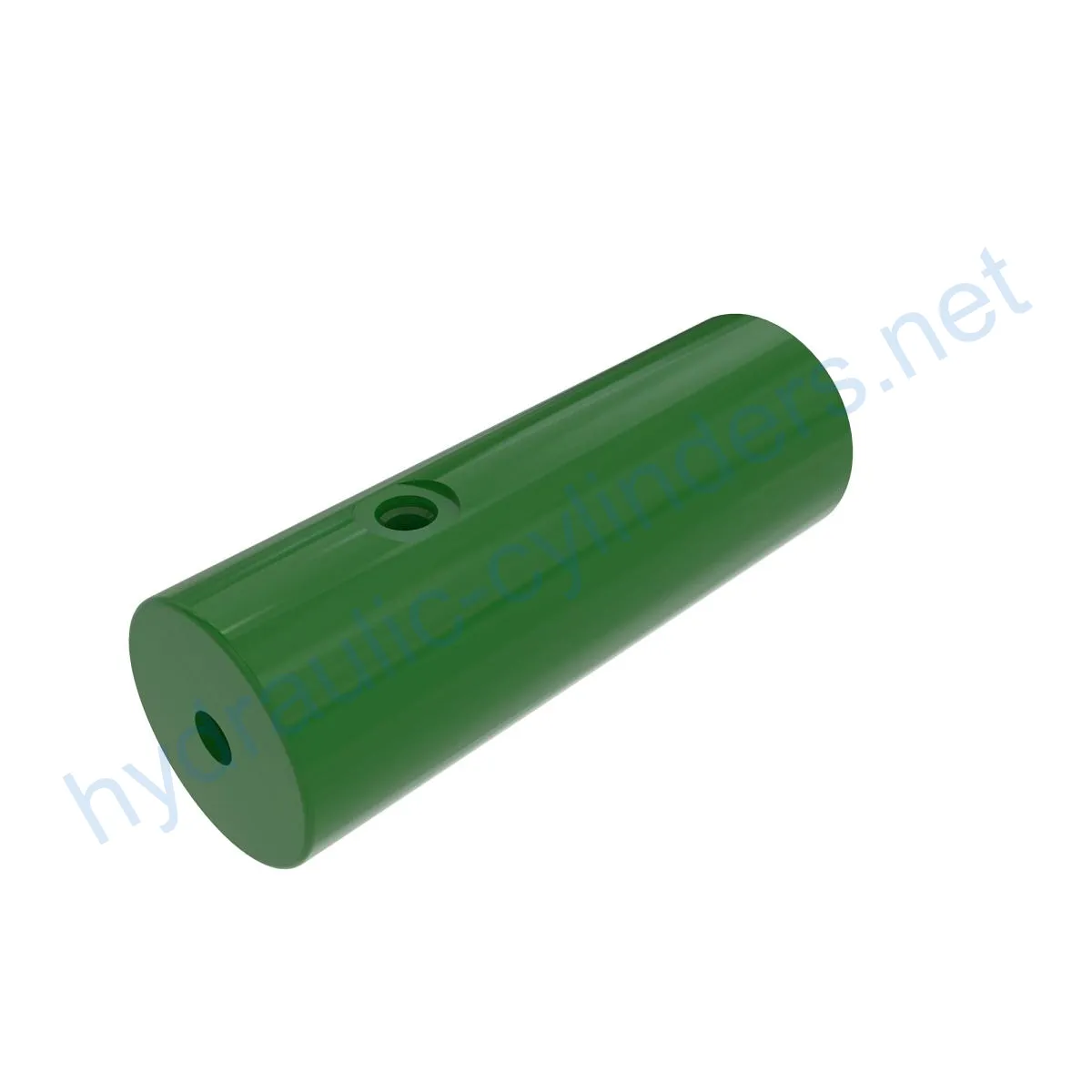
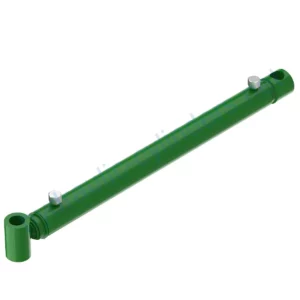
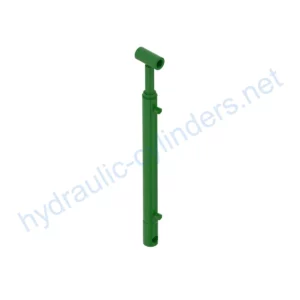
Ersatz für den Hydraulikzylinder CB11473552 zur Höhenanzeige am Sockelschneider
Replacement Of CB11473552 Basecutter Height Indicator Hydraulic Cylinder
This product is a hydraulic cylinder designed to replace the CB11473552 basecutter height indicator. The cylinder is an essential component that helps regulate the height of the basecutter in various machinery models such as 3510, 3520, and 3522. With a weight of 3.5 lb, a height of 2.4 in, and a length of 7.2 in, this cylinder offers reliable performance and durability.
Produktspezifikationen
- Weight: 3.5 lb
- Höhe: 2,4 Zoll
- Length: 7.2 in
Produktmodelle
- 3510
- 3520
- 3522
Produkteigenschaften
- Verbesserte Geräteperformance: Durch den Austausch beschädigter oder verschlissener Hydraulikzylinder kann der normale Betrieb des Geräts wiederhergestellt und seine Leistungsfähigkeit in verschiedenen Anwendungsbereichen sichergestellt werden.
- Erhöhte Sicherheit: Durch den regelmäßigen Austausch von Hydraulikzylindern werden die Sicherheitsrisiken durch Zylinderausfälle verringert und somit die Sicherheit von Bedienern und Anlagen gewährleistet.
- Überlastschutz: Neue Zylinderkonstruktionen beinhalten häufig verbesserte Überlastschutzmechanismen, wodurch die Sicherheit erhöht wird.
- Schnelle Installation: Moderne Hydraulikzylinder sind für eine einfache Installation und einen einfachen Austausch konzipiert, wodurch Ausfallzeiten minimiert werden.
- Standardisierte Komponenten: Viele Hydraulikzylinder sind standardisierte Produkte, sodass Ersatzteile leichter auf dem Markt erhältlich sind.
Wir können dieses Produkt herstellen und perfekte Ersatzteile für diese Hydraulikzylinder liefern.
Anwendungen
The hydraulic cylinder finds applications in various scenarios:
- Excavators: Replacing hydraulic cylinders in the arms or buckets of excavators restores normal operation after long-term use or overload damage.
- Crane: Hydraulic cylinders in crane boom arms can wear out from frequent lifting and lowering, requiring regular replacement to ensure safety.
- Traktoren: Bei kontinuierlichen Hebe- und Kippvorgängen können die Hydraulikzylinder in den Frontladern von Traktoren undicht werden oder an Leistung verlieren, was einen Austausch erforderlich macht.
- Mähdrescher: Das Hydrauliksystem von Mähdreschern arbeitet unter hohem Druck, und die Zylinder können durch Materialermüdung beschädigt werden, was einen rechtzeitigen Austausch erforderlich macht, um die Effizienz aufrechtzuerhalten.
- Automated Production Lines: Hydraulic cylinders are used to control robotic arms and other automated equipment. Immediate replacement is necessary to prevent production efficiency issues in case of cylinder failures.
- Die-Casting Machines: In high-pressure and high-temperature environments, hydraulic cylinders may experience performance degradation. Regular replacements ensure product quality.
- Bergbaumaschinen: Hydraulikzylinder werden in Bergbaumaschinen zum Heben und Bewegen schwerer Lasten eingesetzt. Aufgrund der rauen Arbeitsbedingungen sind regelmäßige Inspektionen und der Austausch der Zylinder notwendig, um Maschinenausfälle zu vermeiden.
- Bulldozers: Wear on hydraulic cylinders in bulldozer blade arms can lead to decreased pushing capacity, necessitating timely replacement to maintain operational efficiency.
Wartungsaufgaben
Zu den regelmäßigen Wartungsarbeiten am Hydraulikzylinder gehören:
- Regelmäßige Inspektion: Überprüfen Sie den Zylinder regelmäßig auf Anzeichen von Verschleiß, Leckagen oder Beschädigungen.
- Proper Lubrication: Ensure appropriate lubrication to reduce friction and ensure smooth operation.
- Seal Replacement and Calibration Check: Replace worn seals and check calibration to maintain optimal performance.
During the installation process, provide proper guidance for aligning the cylinder and recommend using suitable installation brackets to secure it. We offer recommended inspection, repair, and replacement procedures, as well as replacement parts and rebuilding services to extend the lifespan of the hydraulic cylinder.
Sicherheitsaspekte und Umweltfaktoren
When using hydraulic cylinders, safety measures are crucial. It is important to follow proper installation, lubrication, and adjustment procedures. Proper alignment guidance should be provided during the installation process. Regular inspection, maintenance, and seal replacements are essential to ensure the safety and longevity of the hydraulic cylinder. Environmental factors should also be considered to optimize performance and minimize any negative impact on the surroundings.
Fehlerbehebung und häufige Probleme
Zu den häufigsten Problemen und Fehlerbehebungen bei Hydraulikzylindern gehören:
- Leakage: Inspect seals and connections for leaks. Replace any damaged seals and tighten or replace connections as necessary.
- Slow Cylinder Movement: Check for insufficient hydraulic fluid or blockages in the system. Refill or flush the system accordingly.
- Uneven or Jerky Cylinder Movement: Check for air trapped in the system. Bleed the system to remove air and ensure smooth operation.
- Excessive Noise or Vibration: Inspect mounting brackets and connections for any looseness or damage. Tighten or replace components as needed.
- Overheating: Check for inadequate lubrication or excessive pressure. Address these issues to prevent overheating.
For effective diagnosis and problem-solving, we provide troubleshooting tips, solutions, and preventive measures to minimize potential issues.
Überlegungen zum Produktdesign und Auswahlkriterien
When selecting a hydraulic cylinder, it is important to consider the following:
- Load-Bearing Capacity: Ensure the cylinder can handle the intended workload.
- Sealing: Opt for high-quality seals such as piston seals and rod seals made of wear-resistant materials like polyurethane or nitrile rubber.
- Durability: Choose cylinders with finely treated cylinder bodies and threaded end surfaces to enhance wear resistance.
- Safety: Select cylinders with reliable overload protection mechanisms.
- Maintainability: Consider the ease of maintenance, including seal replacement and lubrication requirements.
Proper sealing and lubrication are vital for the hydraulic cylinder’s performance. Various sealing components, such as piston seals and rod seals, should be used. These seals should be made of durable materials like polyurethane or nitrile rubber to withstand wear. The cylinder body and threaded end surfaces should undergo precise treatment to enhance wear resistance. Regular lubrication with appropriate hydraulic oil is necessary to ensure smooth operation and longevity.

Regelmäßige Inspektion und vorbeugende Wartungsmaßnahmen
Proper maintenance measures for the hydraulic cylinder include:
- Regular inspection of seals, connections, and overall condition.
- Appropriate lubrication to minimize wear and ensure smooth operation.
- Seal replacement when necessary to maintain optimal performance.
- Calibration checks to ensure accurate height indication.
- Providing correct installation guidance to align the cylinder properly.
- Suggesting the use of appropriate installation brackets to secure the cylinder
 DE
DE  EN
EN  PT
PT  ES
ES  FR
FR  IT
IT  AR
AR  ZH
ZH  RU
RU  KO
KO  KA
KA  BG
BG  CS
CS  DA
DA  EL
EL  ET
ET  FI
FI  HU
HU  ID
ID  LT
LT  LV
LV  NB
NB  NL
NL  PL
PL  RO
RO  SK
SK  SL
SL  SV
SV  TR
TR  UK
UK