

Ersatz für den Lenkhydraulikzylinder LW8925377
Replacement Of LW8925377 Steering Hydraulic Cylinder
Einführung
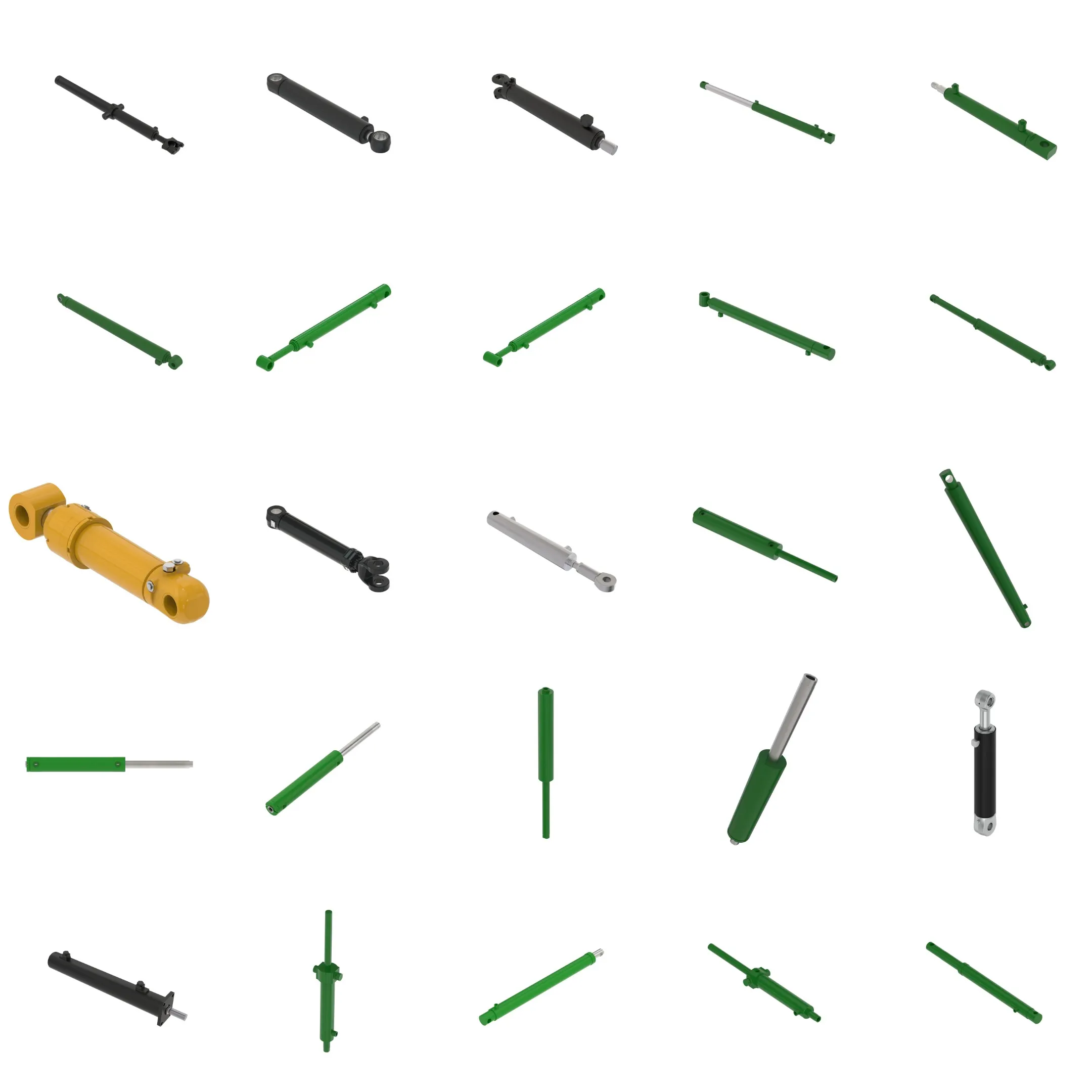
The Replacement Of LW8925377 Steering Hydraulic Cylinder is a hydraulic component used in various machinery, such as the 344J and 344K models. It plays a crucial role in providing steering control and facilitating smooth movement in the equipment.
Technische Daten
- Weight: 66 lb
- Height: 4.36 in
- Width: 6.4 in
- Length: 31.6 in
Merkmale
- Verbesserte Geräteperformance: Durch den Austausch beschädigter oder verschlissener Hydraulikzylinder können die normalen Betriebsfähigkeiten des Geräts wiederhergestellt und eine optimale Leistung in verschiedenen Anwendungsbereichen gewährleistet werden.
- Verbesserte Sicherheit: Der regelmäßige Austausch von Hydraulikzylindern reduziert Sicherheitsrisiken durch Zylinderausfälle und gewährleistet so die Sicherheit von Bedienern und Geräten.
- Überlastschutz: Neue Zylinderkonstruktionen beinhalten häufig verbesserte Überlastschutzmechanismen, wodurch die Sicherheit erhöht wird.
- Schnelle Installation: Moderne Hydraulikzylinder sind für eine einfache Installation und einen einfachen Austausch konzipiert, wodurch Ausfallzeiten minimiert werden.
- Standardisierte Komponenten: Viele Hydraulikzylinder sind standardisierte Produkte, sodass Ersatzteile auf dem Markt leicht erhältlich sind.
Anwendungen
The Replacement Of LW8925377 Steering Hydraulic Cylinder finds applications in various scenarios:
- Bagger: Bei Baggern kann der Hydraulikzylinder im Arm oder in der Schaufel durch längere Nutzung oder Überlastung beschädigt werden, sodass ein Austausch erforderlich ist, um den normalen Betrieb wiederherzustellen.
- Cranes: Crane boom hydraulic cylinders are prone to wear and tear during frequent lifting and lowering operations, necessitating regular replacement for safety.
- Tractors: The hydraulic cylinder in front-end loaders of tractors may experience leaks or performance degradation during continuous lifting and tilting operations, requiring replacement.
- Harvesters: The hydraulic system undergoes high pressure during harvesting, and fatigue can cause cylinder damage, requiring timely replacement to maintain work efficiency.
- Automatisierte Produktionslinien: Hydraulikzylinder werden zur Steuerung von Roboterarmen und anderen automatisierten Anlagen eingesetzt. Ein Zylinderausfall kann die Produktionseffizienz beeinträchtigen und erfordert einen sofortigen Austausch.
- Druckgussmaschinen: Hydraulikzylinder können in Umgebungen mit hohem Druck und hohen Temperaturen Leistungseinbußen aufweisen. Regelmäßiger Austausch sichert die Produktqualität.
- Bergbaumaschinen: Hydraulikzylinder werden in Bergbaumaschinen zum Heben und Bewegen schwerer Lasten eingesetzt. Regelmäßige Inspektionen und der Austausch von Zylindern sind notwendig, um Maschinenausfälle unter harten Arbeitsbedingungen zu vermeiden.
- Bulldozers: Wear of hydraulic cylinders in bulldozer pushing arms can lead to decreased pushing capacity, requiring timely replacement to maintain operational efficiency.
Wartungsaufgaben
Regular inspection, proper lubrication, seal replacement, and calibration checks are commonly performed maintenance tasks for hydraulic cylinders.
Installationsanleitung
Proper installation, lubrication, and adjustment are crucial for the optimal functioning of hydraulic cylinders. During installation, provide guidance on aligning the cylinder correctly and recommend using appropriate installation brackets to secure the cylinder. Additionally, suggest inspection, repair, and replacement procedures, offer replacement parts and rebuilding services, and provide tips to increase the lifespan of the hydraulic cylinder.
Sicherheitsaspekte und Umweltfaktoren
When using hydraulic cylinders, it is important to follow safety measures to ensure the well-being of operators and prevent accidents. Environmental considerations should also be taken into account to minimize any negative impact.
Fehlerbehebung und häufige Probleme
Here are some commonly encountered issues that may require troubleshooting:
- Leakage: Check for any signs of hydraulic fluid leakage and inspect the seals and connections for damage.
- Poor Performance: If the hydraulic cylinder is not providing the expected performance, examine the system for any blockages or malfunctioning components.
- Abnormal Noises: Unusual sounds during operation may indicate internal damage or misalignment. Investigate the source of the noise and take appropriate action.
For each issue, provide troubleshooting tips and solutions to help readers effectively diagnose and resolve problems. Additionally, suggest preventive measures to minimize potential issues.
Designüberlegungen und Auswahlkriterien
When selecting hydraulic cylinders, it is important to consider various design factors:
- Load-Bearing Capacity: The cylinder should be capable of handling the expected load without deformation or failure.
- Sealing: High-quality seals, such as piston seals and rod seals made of durable materials like polyurethane and nitrile rubber, should be used to ensure effective sealing.
- Durability: The cylinder body and threaded ends should undergo precise treatment to enhance wear resistance.
- Safety: Design features should prioritize safety, including overload protection and structural integrity.
- Maintainability: Easy access for maintenance tasks, repair, and replacement of components should be considered during the design phase.
Abdichtung und Schmierung
Hydraulic cylinders should be equipped with various sealing components to prevent leakage and ensure efficient operation. Proper lubrication is essential for reducing friction and wear. Use suitable hydraulic oil and regularly lubricate the cylinder to maintain optimal performance.
Regelmäßige Inspektion und vorbeugende Wartung
Regular inspection and preventive maintenance are crucial for the prolonged lifespan of hydraulic cylinders. Emphasize the importance of correct installation, lubrication, and adjustment. Provide guidance on aligning the cylinder during installation and recommend the use of appropriate installation brackets to secure the cylinder. Offer recommended inspection, repair, and replacement procedures, as well as rebuilding services to extend the lifespan of the hydraulic cylinder.
Produktinstallationshandbuch
Ensure proper installation by following these steps:
- Prepare the mounting surface and ensure it is clean and flat.
- Align the hydraulic cylinder with the mounting holes and attach it securely using the provided brackets or hardware.
- Stellen Sie sicher, dass alle Verbindungen ordnungsgemäß festgezogen sind.
- Check for any leaks or abnormal noises during the initial operation.
Sicherheitsaspekte und Umweltfaktoren
When working with hydraulic cylinders, it is important to prioritize safety and follow proper safety measures. Additionally, consider environmental factors to minimize any negative impact on the surroundings.
Fehlerbehebung und häufige Probleme
Here are some common troubleshooting tips for hydraulic cylinder issues:
- Problem 1: Leckage
- Issue 2: Poor Performance
- Issue 3: Abnormal No
Description: Check for any signs of hydraulic fluid leakage and inspect the seals and connections for damage.
Description: If the hydraulic cylinder is not providing the expected performance, examine the system for any blockages or malfunctioning components.

 DE
DE  EN
EN  PT
PT  ES
ES  FR
FR  IT
IT  AR
AR  ZH
ZH  RU
RU  KO
KO  KA
KA  BG
BG  CS
CS  DA
DA  EL
EL  ET
ET  FI
FI  HU
HU  ID
ID  LT
LT  LV
LV  NB
NB  NL
NL  PL
PL  RO
RO  SK
SK  SL
SL  SV
SV  TR
TR  UK
UK