
Fluid Power Installation Engineering
What Pre-Installation Checks Should Be Done Before Installing a Hydraulic Cylinder?
A comprehensive pre-installation inspection guide covering dimensional verification, cleanliness protocols, port protection, rod condition assessment, and mounting interface preparation for reliable hydraulic cylinder commissioning.

The Critical Importance of Pre-Installation Verification for Hydraulic Cylinder Reliability
In the precision oriented domain of fluid power system commissioning, understanding what pre-installation checks should be done before installing a hydraulic cylinder is a fundamental competency that directly determines whether the actuator will deliver its designed service life or fail prematurely due to preventable issues. The hours or days between receiving a new or rebuilt cylinder and placing it into service represent a critical window of opportunity to verify that all components are correct, undamaged, clean, and properly prepared for installation. Skipping or rushing through pre-installation checks in the interest of minimizing downtime frequently results in the very failures and extended outages that the hurried installation sought to avoid. The disciplined performance of comprehensive pre-installation verification is an investment that yields substantial returns in the form of reliable commissioning, reduced warranty claims, and extended mean time between cylinder rebuilds.
The scope of hydraulic cylinder pre-installation checks encompasses multiple interrelated verification categories including dimensional confirmation that the cylinder matches the specification and will fit the machine interface, physical condition assessment to detect shipping damage or manufacturing defects, cleanliness verification to ensure the cylinder interior and ports are free of contamination that would immediately begin causing damage upon startup, and mounting interface preparation to ensure the machine structure provides proper support and alignment. Each of these verification categories addresses specific failure modes that, if undetected before installation, can lead to problems ranging from difficult assembly and misalignment to catastrophic cylinder failure and collateral damage to surrounding machine components. The systematic execution of pre-installation checks transforms the installation process from a reactive exercise in fitting components together into a proactive quality assurance process that sets the stage for reliable long term operation.
This comprehensive technical guide provides a detailed, step by step framework for conducting thorough hydraulic cylinder pre-installation checks. We will explore the dimensional verification procedures that confirm cylinder specifications match the application, the physical inspection techniques for detecting damage to critical surfaces and components, the cleanliness protocols essential for contamination control, the port protection and sealing verification procedures, and the mounting interface preparation that ensures proper support and alignment. By mastering these pre-installation verification practices, installation technicians and maintenance professionals can prevent the majority of commissioning problems, ensure that newly installed cylinders achieve their full design life, and avoid the costly consequences of undetected pre-existing conditions that manifest as premature failures in service.
Dimensional Verification and Specification Confirmation
The first and most fundamental pre-installation checks confirm that the hydraulic cylinder physically matches the specification ordered and will fit the intended machine interface.
Critical Dimension Measurement and Documentation
Before installing a hydraulic cylinder, a systematic dimensional verification must be performed to confirm that the cylinder matches its specification and will fit the machine interface. Using calibrated measuring instruments including calipers, micrometers, and tape measures, verify the cylinder bore diameter, rod diameter, stroke length, retracted length between mounting centers, and overall extended length. Confirm that the mounting configuration including clevis pin diameters, flange bolt patterns, trunnion dimensions, and port sizes and types match the specification and are compatible with the machine interface. Measure rod end thread size and pitch using thread gauges or by test fitting the mating attachment. Verify that cushion adjustment screws, if equipped, are accessible in the installed orientation. Document all measured dimensions and compare against the cylinder drawing or purchase specification, noting any discrepancies for resolution before installation proceeds. A cylinder that is dimensionally incorrect cannot be made to fit properly through field modification, and attempting to force fit incorrect dimensions inevitably results in misalignment, side loading, and premature failure.
Documentation Review and Specification Cross Check
Beyond physical dimensional verification, a thorough review of accompanying documentation is an essential pre-installation check for hydraulic cylinders. Examine the cylinder nameplate or identification tag and verify that the model number, serial number, bore, stroke, pressure rating, and other markings match the purchase order and specification. Review any material certifications provided, confirming that pressure containing components are fabricated from the specified materials with appropriate traceability. Verify that pressure test reports, if provided, document successful testing at the required pressure levels. Check that any special features ordered such as specific seal materials, rod coatings, or position sensors are present and correctly configured. Confirm that the cylinder is rated for the intended operating pressure, temperature range, and environmental conditions of the application. For cylinders destined for regulated industries or export, verify that required certifications, country of origin documentation, and compliance markings are present and correct. Discrepancies discovered during documentation review should be resolved with the manufacturer before installation proceeds, as post installation resolution of documentation issues is invariably more difficult and time consuming.

Physical Condition Assessment and Damage Detection
A meticulous physical inspection of the cylinder before installation identifies shipping damage, manufacturing defects, or deterioration that could compromise performance.
?Piston Rod Surface Inspection
The piston rod surface is the most critical and vulnerable external feature of a hydraulic cylinder, and thorough inspection is one of the most important pre-installation checks. Under adequate lighting, preferably with supplemental directional lighting to highlight surface imperfections, examine the entire exposed rod surface for scratches, pits, corrosion, chrome plating defects, or impact damage. Run a clean fingertip or fingernail across any visible marks if the nail catches, the defect is deep enough to potentially compromise seal performance. Pay particular attention to the rod area that will pass through the rod seal during normal operation, as defects in this zone will directly contact and damage the dynamic seal. Inspect the rod for straightness by visual sighting along its length or by rotating the extended rod against a fixed reference. Any visible bend or runout exceeding approximately 0.005 inches per foot of rod length is cause for rejection. Document any defects discovered with photographs and measurements, and resolve acceptability questions with the cylinder manufacturer or engineering support before installation. Installing a cylinder with a damaged rod guarantees premature seal failure and likely rod scoring, necessitating another rebuild cycle much sooner than anticipated.
?Mounting Attachment and Thread Inspection
The mounting attachments and rod end threads are critical load bearing features that must be carefully inspected during hydraulic cylinder pre-installation checks. Examine clevis ears, mounting feet, flange faces, and trunnion mounts for any signs of damage, deformation, or cracking. Verify that clevis pin bores are round, free of scoring or corrosion, and correctly sized for the specified clevis pin. Inspect rod end threads for damage, corrosion, or deformation using thread gauges or by carefully test fitting the mating attachment. Look for evidence of thread damage including galling, flattened crests, or cross threading that could compromise thread strength or prevent proper assembly. Check that threaded rod ends are protected with thread protectors or caps during handling and storage, and that threads are clean and free of debris. For cylinders with integral rod end attachments such as spherical bearings or rod eyes, verify that these components move freely without binding and are free of corrosion or damage. Any damaged mounting features or threads should be resolved before installation, as repairs performed with the cylinder installed are significantly more difficult and may require cylinder removal.

Cleanliness Verification and Contamination Prevention
Ensuring the hydraulic cylinder is internally clean and protected from contamination ingress is essential for achieving design service life from new seals and components.
Port Protection and Internal Cleanliness Verification
Hydraulic cylinder ports are typically shipped with protective plugs or caps installed to prevent contamination ingress during transport and storage. These protective devices should remain in place until immediately before hydraulic line connection. Before removing port plugs, inspect them for damage or evidence of tampering that could indicate contamination ingress during shipping or storage. After removing port plugs, perform a visual inspection of accessible port passages using a bright light. Look for any visible debris, rust, or foreign material that could be flushed into the cylinder during operation and cause abrasive damage to seals and precision surfaces. For critical applications, obtain a fluid sample from the cylinder interior by injecting a small quantity of clean hydraulic fluid through one port and collecting the effluent from the opposite port for particle count analysis. This flush and analyze technique provides quantitative verification of internal cleanliness before the cylinder is connected to the system. If elevated contamination levels are detected, additional flushing with clean fluid may be necessary before the cylinder is placed into service.
Hydraulic System Cleanliness and Flushing Requirements
The cleanliness of the hydraulic system into which the cylinder will be installed is equally important as the cleanliness of the cylinder itself. Connecting a pristine new or rebuilt cylinder to a contaminated hydraulic system will immediately introduce damaging particles to the cylinder interior, negating the benefits of the cylinder rebuild or replacement. Before installing a hydraulic cylinder, verify that the hydraulic system fluid cleanliness meets the target levels appropriate for the system components, typically ISO 4406 code 18/16/13 or better for industrial systems and 16/14/11 or better for servo or proportional systems. Review recent fluid analysis results, and if cleanliness targets are not being met, implement corrective actions including enhanced filtration, system flushing, or fluid change before connecting the new cylinder. The hydraulic lines that will connect to the cylinder should be flushed with clean fluid and capped until connection. This pre-installation check for system cleanliness is particularly important when replacing a cylinder that failed due to contamination induced damage, as the same contamination that destroyed the previous cylinder remains in the system fluid unless specifically addressed.
Environmental Protection During Installation
The installation environment itself can be a significant source of contamination if proper precautions are not observed. Hydraulic cylinder pre-installation checks should include assessment of the installation area for cleanliness and implementation of measures to protect the cylinder during the installation process. If installation will be performed in a dusty, dirty, or outdoor environment, cover exposed rod surfaces and open ports with clean protective material until the moment of connection. Position the cylinder such that ports are oriented downward or covered to prevent debris from falling into open ports during handling. Ensure that installation tools, rigging equipment, and the hands and clothing of installation personnel are reasonably clean and free of gross contamination. For critical applications, consider the use of a portable clean room enclosure or positive pressure tent over the work area. Plan the installation sequence to minimize the time that cylinder ports and rod surfaces are exposed to the environment. These seemingly minor precautions pay major dividends in preventing the contamination ingress that is a leading cause of premature hydraulic cylinder failure.
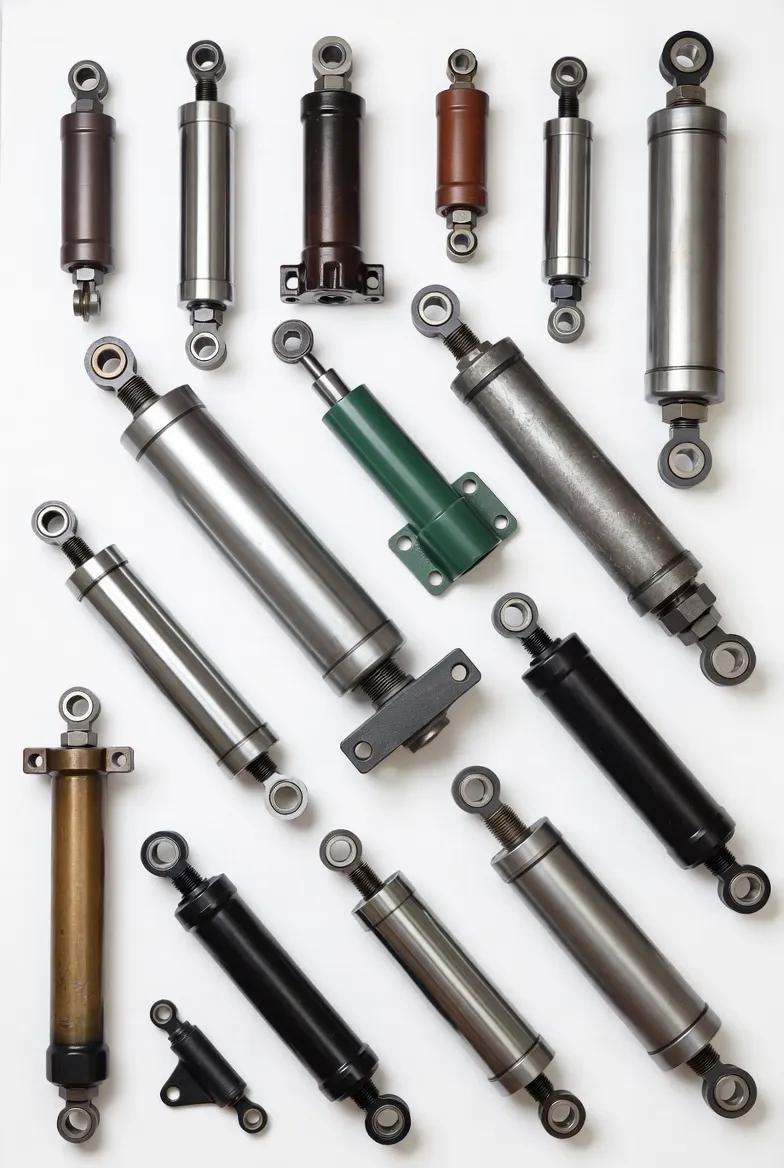
Mounting Interface Preparation and Alignment Readiness
The machine structure to which the cylinder will be mounted must be properly prepared and verified to ensure it can support and align the cylinder correctly.
- ?
Mounting Surface Inspection and Preparation: Before installing a hydraulic cylinder, the mounting surfaces on the machine structure must be inspected and prepared to ensure they are flat, clean, and free of damage that could prevent proper seating of the cylinder mounting. For flange or foot mounted cylinders, check the mounting surface for flatness using a precision straightedge and feeler gauges. Any irregularities exceeding approximately 0.002 inches per foot of mounting surface should be corrected by machining, grinding, or full size shimming before cylinder installation. Remove any paint, rust, weld spatter, or debris from the mounting surface using scrapers or wire brushes, taking care not to damage the surface itself. Verify that tapped holes for mounting bolts are clean, properly threaded, and of adequate depth to provide full thread engagement with the specified bolts. Chase threads with a tap if necessary to remove debris or minor damage. Apply a thin coat of anti seize compound to bolt threads to prevent galling and facilitate future disassembly. The mounting surface preparation is foundational to achieving proper cylinder alignment, and time invested in thorough preparation is repaid many times over in extended seal and bearing life.
- ?
Clevis and Pin Interface Verification: For clevis mounted cylinders, the clevis pin bores and the condition of the clevis pins themselves must be verified as part of the pre-installation checks. Inspect clevis pin bores for roundness, scoring, and wear. Measure bore diameters and verify that the specified clevis pins will provide the correct clearance fit, typically 0.001 to 0.003 inches diametral clearance depending upon pin diameter. Inspect clevis pins for wear, scoring, corrosion, or bending. Replace any pins exhibiting measurable wear or damage rather than reusing them with a new cylinder. Verify that grease fittings in clevis mounts are clear and functional, and that the grease passages are free of hardened grease or debris. Lubricate clevis pins and bores with appropriate grease before assembly. Confirm that the clevis pin retaining method whether snap rings, cotter pins, or bolted retainers is present, in good condition, and will securely retain the pin during operation. A failed clevis pin retention system can allow the pin to walk out during operation, resulting in catastrophic loss of cylinder restraint.
- ?
Fastener and Mounting Hardware Readiness: Verify that all fasteners required for cylinder installation are available, correct, and in serviceable condition. Mounting bolts should be of the correct grade, diameter, thread pitch, and length as specified by the cylinder manufacturer or equipment designer. Using bolts of incorrect grade can result in insufficient clamping force or brittle fracture under load. Verify that bolt lengths provide adequate thread engagement without bottoming in blind holes. Inspect bolts for corrosion, thread damage, or evidence of previous over torquing such as necking or thread deformation, and replace any questionable fasteners. Ensure that required washers, lock washers, or locking devices are available and correct. For critical applications, consider using new fasteners rather than reusing existing bolts, as the cost of new fasteners is trivial compared to the consequences of a fastener failure. Prepare a torque wrench of appropriate range, calibrated and set to the specified torque value, and have it readily available for the installation. Having all fasteners and tools prepared and verified before beginning installation avoids the delays and potential compromises that occur when missing hardware is discovered mid installation.

Final Pre-Installation Checklist and Documentation
A systematic final review consolidates all pre-installation checks into a documented record that supports quality assurance and future troubleshooting.
Comprehensive Pre-Installation Checklist Development
Organizations that perform hydraulic cylinder installations regularly benefit from developing standardized pre-installation checklists tailored to their specific equipment and cylinder types. A comprehensive checklist ensures that all required verifications are performed consistently regardless of which technician executes the installation. The checklist should include items addressing dimensional verification, physical condition inspection, cleanliness verification, mounting interface preparation, fastener and tool readiness, and documentation review. Each item should have a space for the inspector’s initials or signature and the date of verification. The checklist serves as both a procedural guide ensuring no step is overlooked and as a quality record documenting that proper pre-installation procedures were followed. Completed checklists should be filed with the equipment maintenance records and retained for reference during future troubleshooting or warranty claims. The discipline of using a formal checklist elevates hydraulic cylinder installation from a task performed from memory to a systematic quality process with documented verification of each critical step.
Resolving Discrepancies and Go No Go Decision Making
Not every discrepancy discovered during hydraulic cylinder pre-installation checks will be clear cut in terms of disposition. Some defects may be cosmetic only, while others may be functionally significant but repairable. Establish criteria for acceptable versus non acceptable conditions before beginning inspections, and have an escalation process in place for resolving borderline issues. Minor surface imperfections on non critical surfaces may be acceptable with documentation, while any defect on the piston rod sealing surface is cause for rejection or repair. Dimensional discrepancies exceeding specified tolerances should be resolved with engineering support before installation proceeds. The decision to proceed with installation despite unresolved issues should be made deliberately with full understanding of the potential consequences, not by default because the production schedule demands immediate action. Document any accepted deviations with photographs and written justification, and ensure that all stakeholders understand and concur with the decision. A disciplined go no go process prevents the all too common scenario where known issues are accepted under schedule pressure, only to result in premature failures that cause far greater schedule disruption than the initial delay would have imposed.
Establishing Post-Installation Baseline Performance Data
The pre-installation phase is the ideal time to plan for post-installation baseline performance measurements that will support future condition monitoring and troubleshooting. Determine what parameters will be measured and recorded after installation and commissioning, such as cylinder cycle time, operating pressure under defined load conditions, breakaway pressure, and external leakage assessment. Prepare the necessary measurement instruments and data recording forms. Establish target values or acceptable ranges for each parameter based upon the cylinder specification and application requirements. After installation, record baseline measurements and file them with the pre-installation checklist. These baseline values become the reference against which future performance measurements are compared, enabling detection of gradual degradation that may indicate developing problems. The combination of thorough pre-installation checks and documented baseline performance data provides a complete quality record that supports proactive maintenance and protects against unwarranted warranty claims arising from installation or operational issues rather than manufacturing defects.
Mastering what pre-installation checks should be done before installing a hydraulic cylinder is a core competency that directly determines whether newly installed cylinders achieve their design life or fail prematurely. The systematic verification of dimensions, physical condition, cleanliness, and mounting interface readiness described in this guide provides a comprehensive framework for ensuring that every cylinder installation begins with the best possible foundation for reliable, long term service.

Conclusion: Pre-Installation Excellence as the Foundation of Hydraulic Cylinder Reliability
The disciplined performance of comprehensive pre-installation checks before installing a hydraulic cylinder is not merely a recommended practice but an essential quality assurance process that directly determines the success of the installation and the reliability of the actuator throughout its service life. The systematic verification framework presented in this guide dimensional confirmation, physical condition assessment, cleanliness assurance, and mounting interface preparation provides a structured approach that catches the vast majority of issues that could otherwise manifest as commissioning problems or premature failures. The investment of time and care in pre-installation verification is modest compared to the costs of addressing problems discovered after installation: difficult access for repairs, collateral damage to surrounding components, production downtime measured in hours or days rather than minutes, and the credibility damage of repeated failures. By embracing pre-installation checks as a non negotiable element of hydraulic cylinder installation, fluid power professionals build a foundation of quality and reliability that sustains equipment performance and protects the substantial investment represented by every hydraulic cylinder placed into service.