
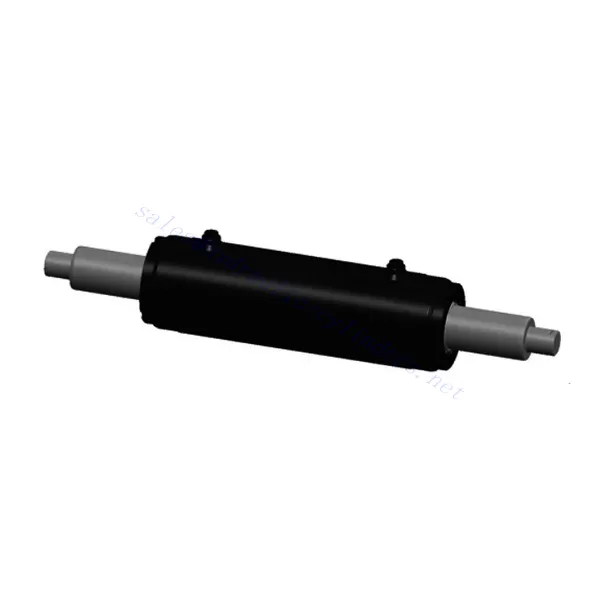
Lenkzylinder der Hubarbeitsbühne
Als einer der Hersteller, Lieferanten und Exporteure von mechanischen Produkten, bieten wir Hydraulikzylinder und viele andere Produkte an.
Bitte setzen Sie sich mit uns in Verbindung, um Einzelheiten zu erfahren.
Post:sales@hydraulic-cylinders.net
Hersteller, Lieferant und Exporteur von Hydraulikzylindern.
Lenkzylinder der Hubarbeitsbühne
The aerial work platform steering cylinder is a critical component designed to enhance maneuverability and control in aerial work platforms. This specialized hydraulic cylinder is vital in steering the platform, allowing operators to navigate safely and efficiently at elevated heights.
The aerial work platform steering is indispensable for enhancing maneuverability, control, and operator comfort in elevated work environments. With its robust construction, precise steering control, improved maneuverability, and operator-centric design, this hydraulic cylinder facilitates smooth navigation and efficient access in various elevated work applications. By following the recommended usage methods and maintenance practices, operators can maximize the longevity and performance of the aerial work platform steering, contributing to increased productivity, safety, and confidence in elevated work scenarios. Invest in this essential hydraulic component to elevate your aerial work platform’s maneuverability, control, and efficiency, unlocking new productivity levels and success in elevated work operations.
Aerial Work Platform Steering Cylinder Key Characteristics:
- Robuste Konstruktion:
- The Aerial Work Platform Steering Cylinder is constructed using high-quality materials, ensuring durability and reliability.
- It is engineered to withstand the demands of challenging work environments and withstand heavy loads.
- Precise Steering Control:
- This cylinder facilitates precise steering control, enabling operators to maneuver the aerial work platform with accuracy and confidence.
- It ensures smooth and responsive steering, allowing for precise positioning and navigation in tight spaces or complex worksites.
- Enhanced Maneuverability:
- The Aerial Work Platform Steering Cylinder enhances the overall maneuverability of the platform, allowing operators to navigate efficiently and access hard-to-reach areas.
- It enables smooth turns and precise adjustments, contributing to increased productivity and versatility in elevated work applications.
- Operator Comfort:
- The steering cylinder is designed to provide ergonomic control, reducing operator fatigue and enhancing comfort during extended work periods.
- It offers smooth and effortless steering, minimizing operator effort and ensuring a comfortable working experience.
Aerial Work Platform Steering Cylinder Parameter:
| Produktname | Lenkzylinder der Hubarbeitsbühne |
| Merkmale: | Steering system for chassis tires of aerial work vehicles |
| Bohrungsdurchmesser: | 63 mm ~ 200 mm |
| Stangendurchmesser: | 36 mm ~ 140 mm Hub ≤1000 mm |
| Druck: | 30 MPa (Maximaler Druck) |
| Anwendungen für hydraulische Lenkzylinder: | Hubarbeitsbühne |
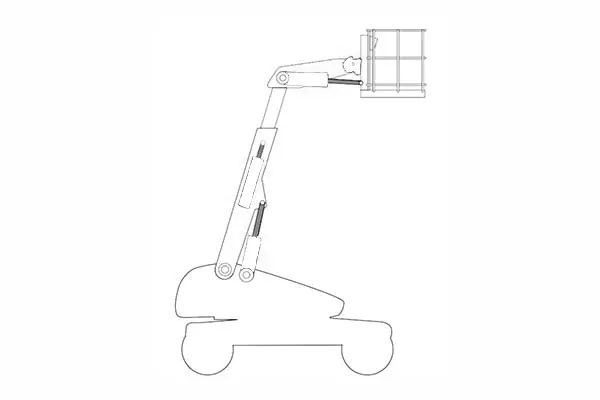
Identifikationsdiagramm für Hubarbeitsbühnen:
Usage Method Of Aerial Work Platform Steering Cylinder:
- Installation und Einrichtung:
- Follow the manufacturer’s instructions for proper installation and setup of the aerial work platform steering.
- Um eine optimale Leistung zu gewährleisten, muss der Zylinder sicher montiert und ausgerichtet sein.
- Hydraulischer Anschluss:
- Connect the steering cylinder to the hydraulic system of the aerial work platform according to the provided guidelines.
- Ensure all hydraulic connections are secure and properly sealed to prevent leaks or loss of hydraulic fluid.
- Steering Operation:
- Engage the control mechanisms or steering wheel on the aerial work platform to control the steering cylinder.
- Follow the recommended procedures and safety guidelines during the steering operation.
- Responsiveness and Precision:
- Familiarize yourself with the steering response and sensitivity of the platform equipped with the steering cylinder.
- Practice gradual and controlled steering inputs to achieve precise positioning and smooth maneuvering.
How To Flush Hydraulic System?
Flushing a hydraulic system is a crucial maintenance procedure that helps remove contaminants, old fluid, and debris from the system, ensuring optimal performance and longevity. Here’s a step-by-step guide on how to flush a hydraulic system:
- Gather the Required Tools and Supplies:
- Schutzbrille und Handschuhe
- Drain pan or bucket
- Saubere Lappen oder Handtücher
- Wrench or pliers
- Hydraulic system flushing fluid (recommended by the manufacturer)
- Replacement hydraulic fluid (if needed)
- Bereiten Sie den Arbeitsbereich vor:
- Park the equipment on a level surface and engage any safety mechanisms, such as setting the parking brake or blocking the wheels.
- Ensure there is sufficient ventilation in the area to avoid inhaling fumes from the flushing fluid.
- Identify the System Components:
- Familiarize yourself with the hydraulic system components, including the reservoir, filters, hoses, and fittings.
- Refer to the equipment’s manual or consult the manufacturer’s guidelines for specific instructions on locating these components.
- Drain the Existing Fluid:
- Place the drain pan or bucket beneath the hydraulic reservoir.
- Use a wrench or pliers to loosen the drain plug or remove the drain cap, allowing the old fluid to drain completely.
- Dispose of the old fluid in accordance with local regulations.
- Remove and Clean Filters:
- Locate the hydraulic filters and remove them according to the manufacturer’s instructions.
- Inspect the filters for signs of dirt, debris, or damage.
- Clean or replace the filters as necessary before reinstalling them.
- Connect Flushing Equipment:
- Attach a flushing line or hose to the hydraulic system, ensuring a secure connection.
- Position the other end of the flushing line into the container of flushing fluid.
- Spülen Sie das System durch:
- Slowly introduce the flushing fluid into the hydraulic system by turning on the equipment or activating the hydraulic pump.
- Allow the flushing fluid to circulate through the system for a specified duration as recommended by the manufacturer.
- Operate any hydraulic controls to ensure the flushing fluid reaches all components.
- Drain the Flushing Fluid:
- Disconnect the flushing line from the hydraulic system.
- Reinstall the drain plug or cap on the reservoir.
- Allow the flushing fluid to drain completely into the drain pan or bucket.
- Refill with New Hydraulic Fluid:
- Ensure the reservoir is clean and free of any residual flushing fluid.
- Refer to the equipment’s manual or manufacturer’s guidelines for the appropriate type and quantity of hydraulic fluid.
- Slowly pour or pump the new hydraulic fluid into the reservoir, avoiding overfilling.
- Bleed and Test the System:
- Follow the manufacturer’s instructions for bleeding air from the system, if required.
- Start the equipment or activate the hydraulic pump, and operate the controls to ensure proper functioning of the system.
- Check for any leaks or abnormalities during operation.
Fähigkeit und Kapazität der Fabrik:
(1) Montage
Wir verfügen über eine erstklassige, unabhängige Forschungs- und Entwicklungsmontageplattform. Die Hydraulikzylinder-Produktionswerkstatt verfügt über vier halbautomatische Montagelinien für Hubzylinder und eine automatische Montagelinie für Kippzylinder mit einer geplanten jährlichen Produktionskapazität von 1 Million Stück. Die Spezialzylinderwerkstatt ist mit verschiedenen Spezifikationen eines halbautomatischen Reinigungsmontagesystems mit einer geplanten jährlichen Produktionskapazität von 200.000 ausgestattet und mit renommierten CNC-Bearbeitungsgeräten, einem Bearbeitungszentrum, einer hochpräzisen Spezialausrüstung für die Zylinderverarbeitung, einer Roboterschweißmaschine, einer automatischen Reinigungsmaschine, einer automatischen Zylindermontagemaschine und einer automatischen Lackierproduktionslinie ausgestattet. Es sind mehr als 300 Sets (Sätze) an kritischer Ausrüstung vorhanden. Die optimale Zuweisung und effiziente Nutzung der Ausrüstungsressourcen gewährleistet die Genauigkeitsanforderungen der Produkte und erfüllt die hohen Qualitätsanforderungen der Produkte.


(2) Bearbeitungen
Die Bearbeitungswerkstatt ist mit einem maßgeschneiderten Schrägschienen-Drehzentrum, einem Bearbeitungszentrum, einer Hochgeschwindigkeits-Honmaschine, einem Schweißroboter und anderen zugehörigen Geräten ausgestattet, die die Bearbeitung von Zylinderrohren mit einem maximalen Innendurchmesser von 400 mm und einer maximalen Länge von 6 Metern ermöglichen.

(3) Schweißen

(4) Malerei und Beschichtung
Mit kleinen und mittleren Zylinder automatische Lackieranlagen auf Wasserbasis, zu erreichen automatische Roboter Be-und Entladen und automatische Spritzen, die Design-Kapazität von 4000 Stück pro Schicht;
Wir verfügen auch über eine halbautomatische Lackieranlage für große Zylinder, die von einer Energiekette angetrieben wird und eine Kapazität von 60 Kisten pro Schicht hat.


(5) Prüfung
Wir verfügen über erstklassige Prüfeinrichtungen und Prüfstände, um sicherzustellen, dass die Leistung des Zylinders den Anforderungen entspricht.

Wir sind einer der besten Hydraulikzylinderhersteller. Wir können umfassende Hydraulikzylinder anbieten. Wir bieten auch entsprechende landwirtschaftliche Getriebe. Wir haben unsere Produkte an Kunden weltweit exportiert und uns aufgrund unserer hervorragenden Produktqualität und unseres Kundendienstes einen guten Ruf erworben. Wir begrüßen Kunden im In- und Ausland, die uns kontaktieren, um Geschäfte zu verhandeln, Informationen auszutauschen und mit uns zusammenarbeiten!
Hydraulischer Zylinder Anwendung:

 DE
DE  EN
EN  PT
PT  ES
ES  FR
FR  IT
IT  AR
AR  ZH
ZH  RU
RU  KO
KO  KA
KA  BG
BG  CS
CS  DA
DA  EL
EL  ET
ET  FI
FI  HU
HU  ID
ID  LT
LT  LV
LV  NB
NB  NL
NL  PL
PL  RO
RO  SK
SK  SL
SL  SV
SV  TR
TR  UK
UK