
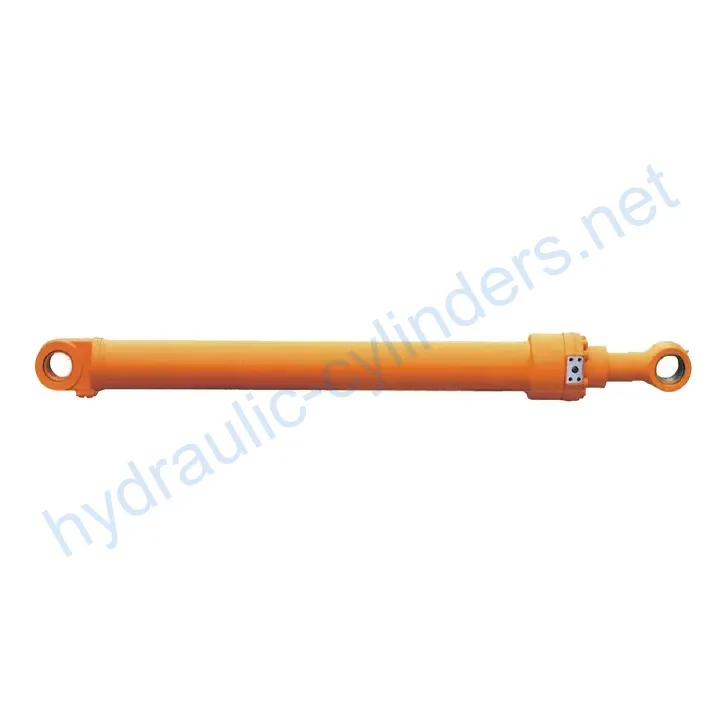
Arm Cylinder For Hengte Wheel Excavator HTL60
Als einer der Hersteller, Lieferanten und Exporteure von mechanischen Produkten, bieten wir Hydraulikzylinder und viele andere Produkte an.
Bitte setzen Sie sich mit uns in Verbindung, um Einzelheiten zu erfahren.
Post:sales@hydraulic-cylinders.net
Hersteller, Lieferant und Exporteur von Hydraulikzylindern.
Arm Cylinder For Hengte Wheel Excavator HTL60
Einführung
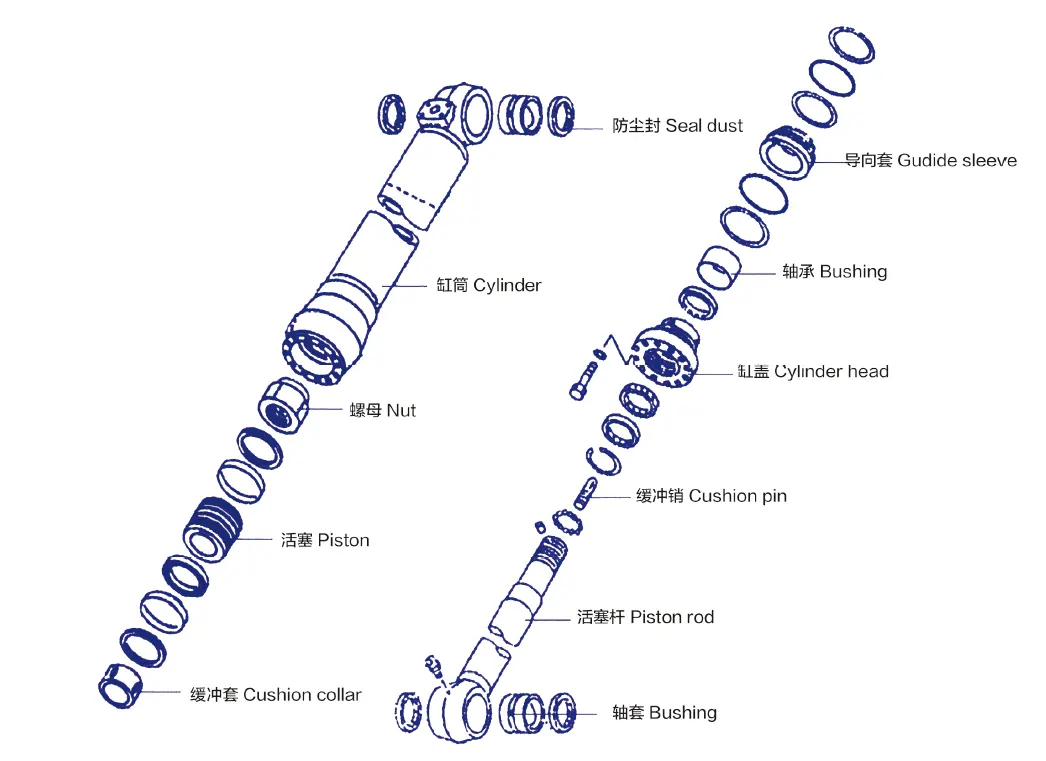
The Arm Cylinder for Hengte Wheel Excavator HTL60 is a specially designed hydraulic cylinder that provides linear motion and power to the arm of various machinery, such as excavators, cranes, and robotic arms. The Arm Cylinder plays a crucial role in hydraulic systems, enabling efficient movement and control of additional tools or attachments. These cylinders not only ensure smooth motion but also withstand heavy loads, ensuring efficient operation and reliability of the machinery in various working conditions.
Merkmale
- Hocheffizientes Getriebe: Der Armzylinder ermöglicht eine kraftvolle lineare Bewegung und Kraftübertragung und gewährleistet so die hohe Leistungsfähigkeit des Roboterarms bei verschiedenen Operationen.
- Präzise Steuerung: Through hydraulic systems, the Arm Cylinder enables precise motion control, making operations of attached tools more flexible and accurate.
- Starke Haltbarkeit: Armzylinder werden typischerweise aus hochfesten Werkstoffen hergestellt, die eine ausgezeichnete Verschleiß- und Korrosionsbeständigkeit bieten und sich daher für den Langzeiteinsatz in rauen Umgebungen eignen.
- Vielseitige Anpassungsfähigkeit: These cylinders can be widely applied to various machinery equipment, such as excavators, cranes, and robotic arms, adapting to different working requirements.
- Einfache Wartung: Der Armzylinder wurde mit Blick auf einfache Wartung und Austauschbarkeit entwickelt und ermöglicht so bequeme regelmäßige Inspektionen und Wartungsarbeiten, wodurch Ausfallzeiten der Ausrüstung reduziert werden.

Anwendungen
- Bauingenieurwesen: Bei Baggern und Kränen steuert der Armzylinder die Bewegung von Schaufeln oder Auslegern für Erdarbeiten, Materialtransport und die Montage von Bauwerken.
- Fertigungsindustrie: In automatisierten Produktionslinien wird der Armzylinder zur Bewegung von Roboterarmen in Prozessen wie Montage, Schweißen und Materialhandhabung eingesetzt, wodurch die Produktionseffizienz und -präzision verbessert werden.
- Landmaschinen: Bei landwirtschaftlichen Maschinen wie Mähdreschern und Sämaschinen steuert der Armzylinder die Bewegung der Arbeitsarme für Aufgaben wie Säen, Düngen und Ernten.
- Bergbau: In mining equipment, the Arm Cylinder controls the arm movement of mining equipment, facilitating ore extraction and transportation.
- Logistik und Transport: Bei Gabelstaplern und Handhabungsrobotern steuert der Armzylinder das Anheben und Bewegen der Gabeln und ermöglicht so das Materialhandling und Stapeln.
Designüberlegungen und Auswahlkriterien
- Belastbarkeit: Discuss the importance of the Arm Cylinder’s load-bearing capacity, highlighting its role in supporting heavy loads during operations.
- Versiegelung: Describe the various sealing components such as piston seals and rod seals, emphasizing the use of wear-resistant materials like polyurethane and nitrile rubber, as well as the importance of precise surface treatment for improved wear resistance.
- Haltbarkeit: Explain the design considerations that contribute to the Arm Cylinder’s durability, including the use of high-strength materials and corrosion-resistant coatings.
- Sicherheit: Discuss the safety features incorporated into the design of the Arm Cylinder, such as pressure relief valves and fail-safe mechanisms.
- Wartbarkeit: Highlight the ease of maintenance and the importance of regular inspection, as well as the use of standardized components for easy replacement.

Abdichtung und Schmierung
The Arm Cylinder utilizes various sealing components, including piston seals and rod seals, which are made from wear-resistant materials such as polyurethane and nitrile rubber. The cylinder body and threaded end surfaces undergo meticulous treatment to improve wear resistance. Regular lubrication with the appropriate amount of hydraulic oil is necessary to ensure smooth operation and longevity of the cylinder.
Regelmäßige Inspektion und vorbeugende Wartung
- Regularly inspect the Arm Cylinder for any signs of leakage, wear, or damage.
- Ensure proper lubrication by checking the hydraulic oil level and quality.
- Ziehen Sie alle losen Verbindungen und Armaturen fest.
- Abgenutzte Dichtungen oder Bauteile sollten umgehend ausgetauscht werden.
- Halten Sie sich an die vom Hersteller empfohlenen Wartungsintervalle.
Installationsanleitung
Proper installation of the Arm Cylinder is crucial to ensure optimal performance and safety. Follow these steps:
- Bereiten Sie den Montagebereich vor und stellen Sie sicher, dass er sauber und frei von Schmutz ist.
- Richten Sie den Zylinder an den Befestigungspunkten aus und befestigen Sie ihn mit geeigneten Schrauben oder Befestigungselementen.
- Tighten the mounting bolts or fasteners to the recommended torque.
- Schließen Sie die Hydraulikleitungen an den Zylinder an und achten Sie dabei auf eine ordnungsgemäße Abdichtung.
- Check for any leaks and perform a test run to verify the cylinder’s functionality.

Sicherheitsaspekte und Umweltfaktoren
When using the Arm Cylinder, it is essential to prioritize safety measures to prevent accidents and ensure operator well-being. Safety precautions may include using appropriate protective gear, following proper operating procedures, and implementing emergency stop systems. Additionally, considering environmental factors such as temperature, humidity, and exposure to chemicals can help optimize the cylinder’s performance and longevity.
Fehlerdiagnose und häufige Probleme
Common issues that may arise with the Arm Cylinder include leakage, insufficient force, erratic movement, or abnormal noise. To diagnose and address these problems:
- Identify the symptom and potential cause of the issue.
- Inspect the cylinder for any visible damage or wear.
- Check the hydraulic lines and connections for leaks or blockages.
- Verify the hydraulic system’s pressure and flow rate.
- Refer to the manufacturer’s troubleshooting guide or seek professional assistance if needed.
Providing troubleshooting tips and solutions helps readers effectively diagnose and resolve issues, along with preventive measures to minimize potential problems.

Denken Sie daran, den Artikel logisch zu strukturieren, Zwischenüberschriften für eine einfache Navigation zu verwenden, relevante Bilder oder Diagramme einzufügen, um das Verständnis zu verbessern, und sicherzustellen, dass der Inhalt klar, prägnant und für Leser mit unterschiedlichem technischen Wissen geeignet ist.
Über uns
We are a professional manufacturer of replacement hydraulic cylinders, offering a wide range of products. We have become one of the leading hydraulic cylinder manufacturers and wholesale distributors in the domestic and international markets. Our commitment to excellence in quality is upheld through industrialized production management strategies in our sophisticated manufacturing workshops, continuously improving our technical expertise and production efficiency. By introducing advanced digital manufacturing equipment and professional testing systems, we optimize our manufacturing platform and enhance product quality control processes, demonstrating strong innovation capabilities. Our goal is to meet customers’ diverse needs with principles of efficiency, accuracy, and high quality.
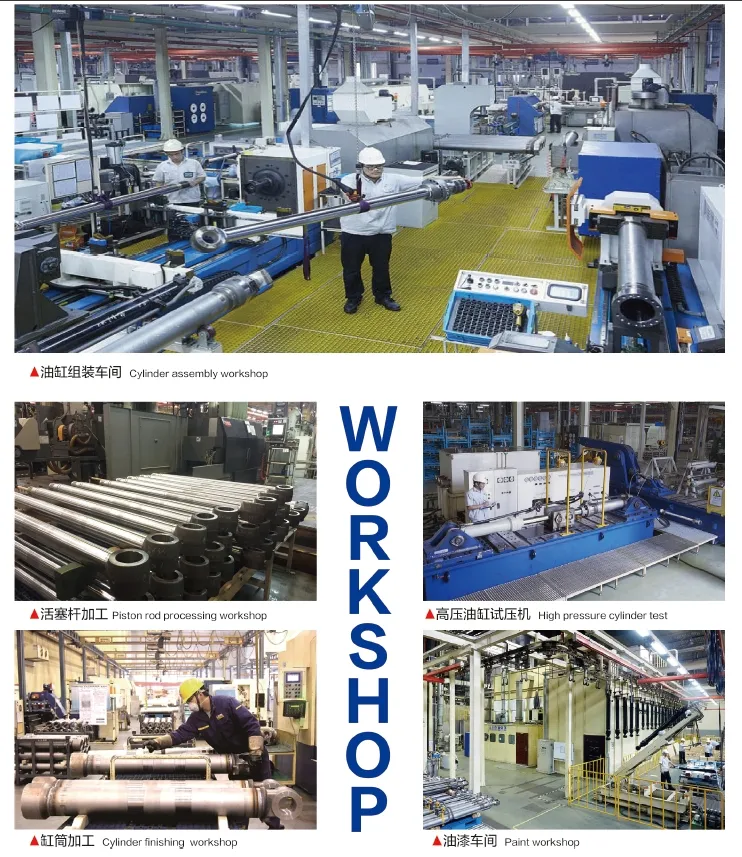
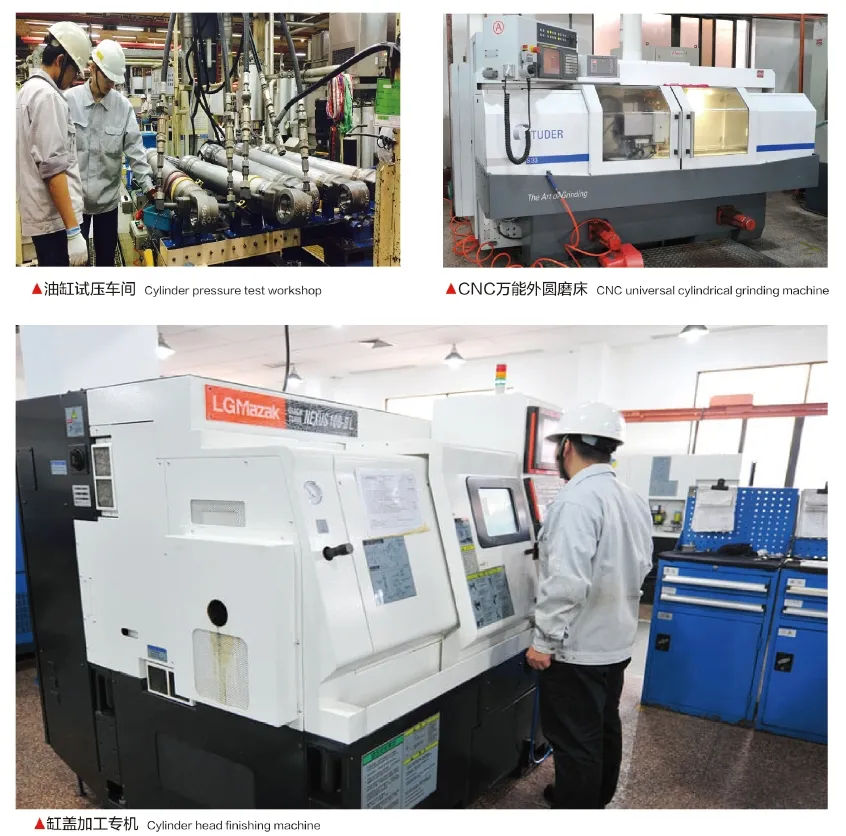
Furthermore, we pride ourselves on our professionalism, international certifications, customized services, production equipment, and after-sales services.
Autor: lyl
Hydraulischer Zylinder Anwendung:

 DE
DE  EN
EN  PT
PT  ES
ES  FR
FR  IT
IT  AR
AR  ZH
ZH  RU
RU  KO
KO  KA
KA  BG
BG  CS
CS  DA
DA  EL
EL  ET
ET  FI
FI  HU
HU  ID
ID  LT
LT  LV
LV  NB
NB  NL
NL  PL
PL  RO
RO  SK
SK  SL
SL  SV
SV  TR
TR  UK
UK