
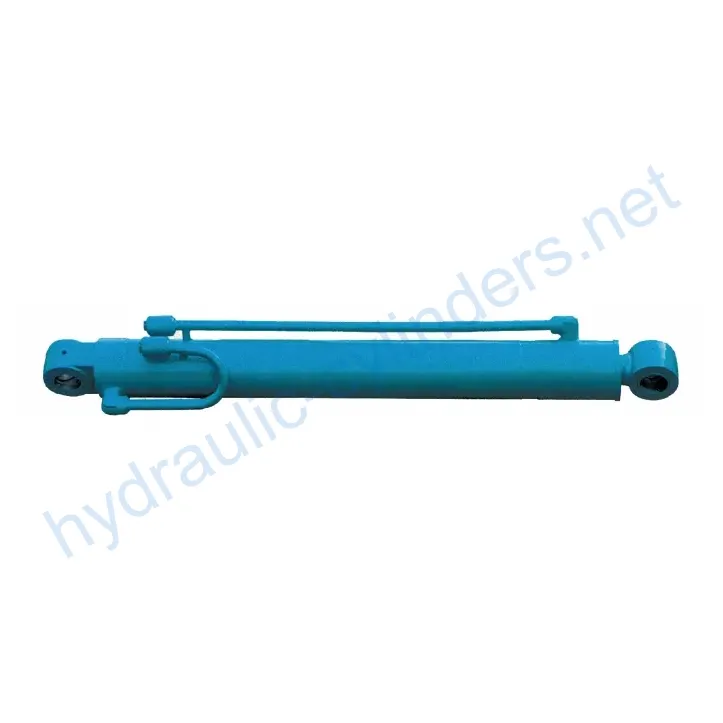
Armzylinder für Volvo Großbagger EC380EL
Als einer der Hersteller, Lieferanten und Exporteure von mechanischen Produkten, bieten wir Hydraulikzylinder und viele andere Produkte an.
Bitte setzen Sie sich mit uns in Verbindung, um Einzelheiten zu erfahren.
Post:sales@hydraulic-cylinders.net
Hersteller, Lieferant und Exporteur von Hydraulikzylindern.
Armzylinder für Volvo Großbagger EC380EL
Definition und Erklärung
An arm cylinder is a specially designed hydraulic cylinder that provides linear motion and power to the arm of various types of machinery, such as excavators, cranes, and robotic arms. The arm cylinder plays a crucial role in hydraulic systems, enabling the efficient movement and control of additional tools or attachments. These cylinders not only ensure smooth motion but also withstand heavy loads, ensuring the efficient operation and reliability of the machinery in various working conditions.
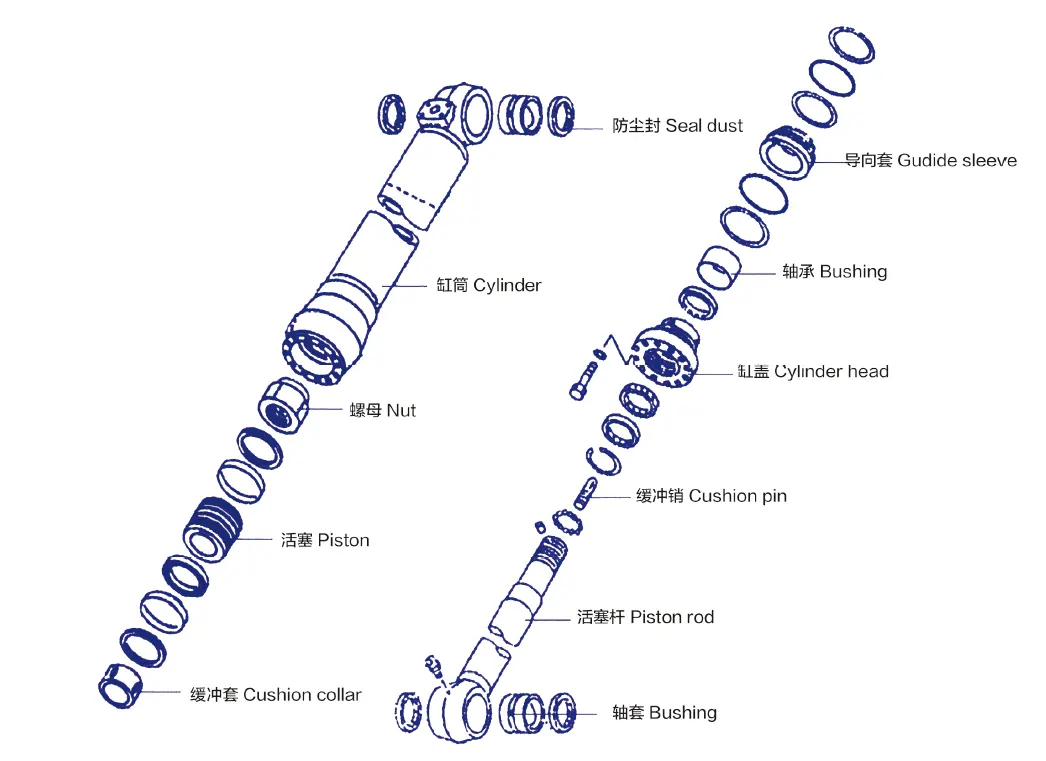
Merkmale des Armzylinders
- Hocheffizientes Getriebe: Der Armzylinder sorgt für eine kraftvolle lineare Bewegung und Kraft und gewährleistet so die hohe Leistungsfähigkeit des Maschinenarms bei verschiedenen Arbeitsgängen.
- Präzise Steuerung: Durch das Hydrauliksystem ermöglicht der Armzylinder eine präzise Bewegungssteuerung, wodurch der Einsatz zusätzlicher Werkzeuge flexibler und genauer wird.
- Starke Haltbarkeit: Armzylinder werden typischerweise aus hochfesten Werkstoffen gefertigt und bieten eine ausgezeichnete Verschleiß- und Korrosionsbeständigkeit, wodurch sie sich für den Langzeiteinsatz in rauen Umgebungen eignen.
- Multifunktionale Anpassungsfähigkeit: These cylinders can be widely applied to various types of machinery, including excavators, cranes, and robotic arms, adapting to different work requirements.
- Einfache Wartung: Designed with ease of maintenance and replacement in mind, arm cylinders facilitate convenient periodic inspections and servicing, reducing equipment downtime.

Anwendungen von Armzylindern
Armzylinder finden in verschiedenen Branchen und Sektoren Anwendung:
- Bauingenieurwesen: Bei Baggern und Kränen steuern Armzylinder die Bewegung von Schaufeln oder Auslegern für Erdarbeiten, Materialtransport und die Montage von Bauwerken.
- Fertigungsindustrie: In automatisierten Produktionslinien ermöglichen Armzylinder die Bewegung von Roboterarmen für Montage-, Schweiß- und Materialhandhabungsprozesse und verbessern so die Produktionseffizienz und -präzision.
- Landmaschinen: Bei landwirtschaftlichen Maschinen wie Mähdreschern und Sämaschinen steuern Armzylinder die Bewegung der Arbeitsarme für Aufgaben wie Säen, Düngen und Ernten.
- Bergbau: In mining equipment, arm cylinders control the movement of mining equipment arms, facilitating the extraction and transportation of minerals.
- Logistik und Transport: Bei Gabelstaplern und Handhabungsrobotern steuern Armzylinder das Anheben und Bewegen der Gabeln und ermöglichen so das Handhaben und Stapeln von Materialien.
Designüberlegungen und Auswahlkriterien
When it comes to designing arm cylinders, several factors are significant:
- Tragfähigkeit: The arm cylinder should be designed to handle the maximum load it will encounter during its application.
- Versiegelung: Various sealing elements, such as piston seals and rod seals, should be used to ensure proper sealing. These seals are typically made of wear-resistant materials like polyurethane and nitrile rubber.
- Haltbarkeit: The cylinder body and threaded end surfaces should undergo meticulous processing to enhance wear resistance. Additionally, regular lubrication with the appropriate hydraulic oil is necessary.
- Sicherheit: Safety considerations, such as overload protection and safety valves, should be incorporated into the design to prevent accidents and ensure operator safety.
- Wartbarkeit: Design features that facilitate easy maintenance and repair should be considered, minimizing downtime and optimizing operational efficiency.

Abdichtung und Schmierung
Arm cylinders utilize various sealing components, including piston seals and rod seals, which are made of wear-resistant materials such as polyurethane and nitrile rubber. The cylinder body and threaded end surfaces undergo precise processing to improve wear resistance. Regular lubrication with the appropriate hydraulic oil is necessary to ensure smooth operation and prevent premature wear.
Regelmäßige Inspektion und vorbeugende Wartung
To ensure the optimal performance and longevity of the arm cylinder, regular inspections and preventive maintenance are crucial. The following measures should be taken:
- Inspect all components for signs of wear, leakage, or damage.
- Ziehen Sie alle losen Verbindungen und Armaturen fest.
- Check the hydraulic oil levels and quality regularly.
- Abgenutzte Dichtungen oder Bauteile sollten umgehend ausgetauscht werden.
- Perform a thorough cleaning of the cylinder and its surroundings to prevent debris accumulation.
Installation Guide for Arm Cylinder
Proper installation is essential for the reliable performance of the arm cylinder. Follow the steps below:
- Prepare the mounting area and ensure it is clean and free from any obstructions or debris.
- Align the arm cylinder with the mounting holes and attach securely using appropriate bolts and fasteners.
- Connect the hydraulic hoses or pipes, ensuring a tight and leak-free connection.
- Verify the correct operation of the cylinder by performing initial tests and adjustments.
- Regularly inspect the installed arm cylinder for any signs of wear or malfunction.

Sicherheitsaspekte und Umweltfaktoren
When working with arm cylinders, prioritizing safety measures is crucial. Adequate safety precautions should be followed, such as using appropriate protective gear, implementing proper lockout/tagout procedures, and adhering to equipment-specific safety guidelines. Additionally, considering environmental factors such as temperature, humidity, and exposure to corrosive substances is important to ensure the longevity and performance of the arm cylinder.
Fehlerbehebung und häufige Probleme
Bei Problemen mit dem Armzylinder können die folgenden Schritte zur Fehlerbehebung helfen, die Probleme zu diagnostizieren und zu beheben:
- Check for any visible leaks in the hydraulic system.
- Inspect the sealing components for wear or damage.
- Sorgen Sie für ausreichende Schmierung und Sauberkeit des Zylinders.
- Inspect the hydraulic hoses or pipes for any blockages or damage.
- Refer to the equipment’s manual or consult with a qualified technician for further assistance.

Denken Sie daran, den Artikel logisch zu strukturieren, Zwischenüberschriften zur einfacheren Navigation zu verwenden, relevante Bilder oder Diagramme zum besseren Verständnis einzufügen und sicherzustellen, dass der Inhalt klar, prägnant und für Leser mit unterschiedlichem technischen Wissen geeignet ist.
Über unser Unternehmen
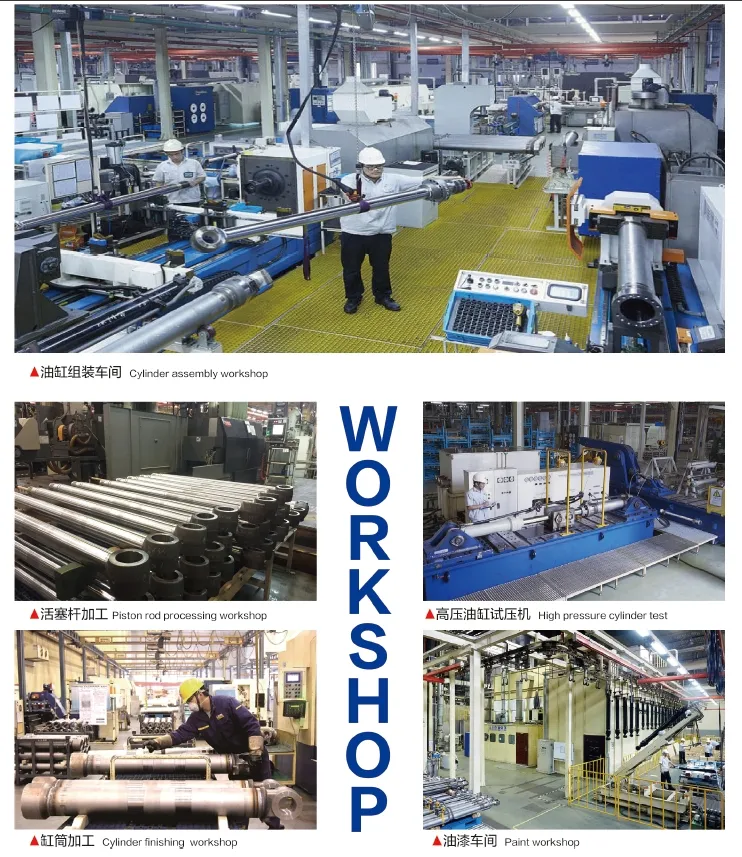
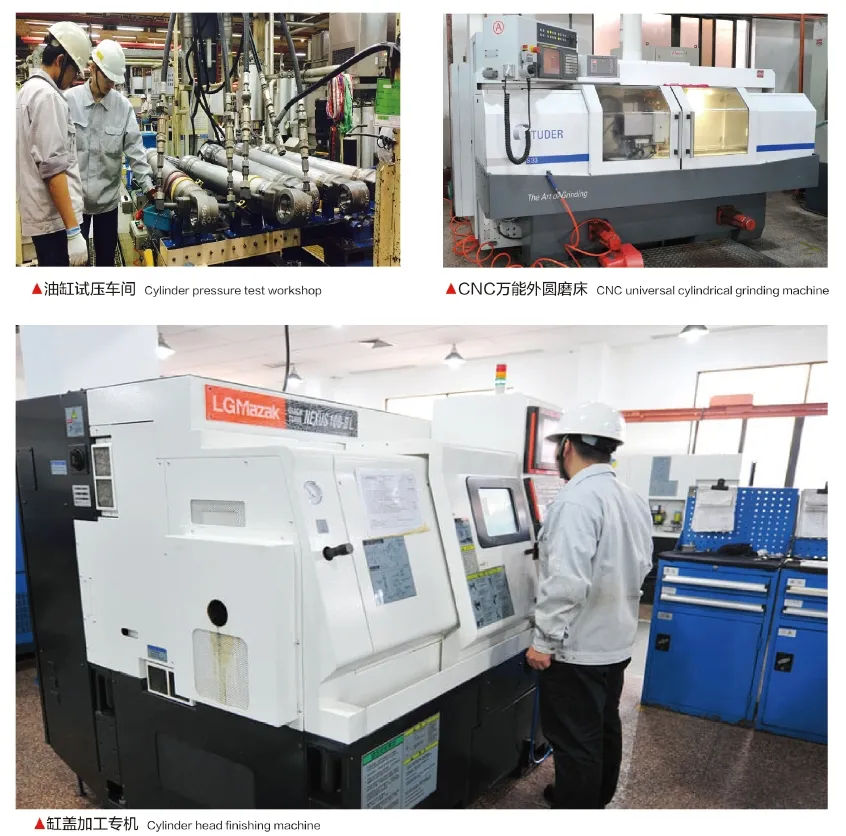
We are a professional manufacturer of replacement hydraulic cylinders, offering a wide range of products. We have become one of the leading hydraulic cylinder manufacturers and wholesale distributors in domestic and international markets. Upholding the principle of excellent quality, we rely on industrial production management strategies in our refined manufacturing workshop to continuously improve our technological capabilities and production efficiency. By introducing high-end digital manufacturing equipment and professional testing systems, we optimize our manufacturing platform, perfect our product quality control processes, and possess strong innovation capabilities. Our goal is to meet customers’ diverse needs with efficiency, precision, and high-quality products.
Lastly, the article is written by lyl.
Hydraulischer Zylinder Anwendung:

 DE
DE  EN
EN  PT
PT  ES
ES  FR
FR  IT
IT  AR
AR  ZH
ZH  RU
RU  KO
KO  KA
KA  BG
BG  CS
CS  DA
DA  EL
EL  ET
ET  FI
FI  HU
HU  ID
ID  LT
LT  LV
LV  NB
NB  NL
NL  PL
PL  RO
RO  SK
SK  SL
SL  SV
SV  TR
TR  UK
UK