
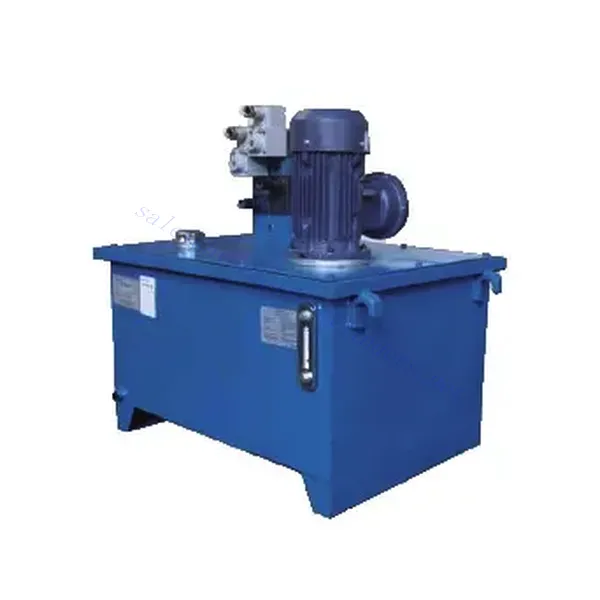
Explosion-Proof Hydraulic System For Lifting Platform
Als einer der Hersteller, Lieferanten und Exporteure von mechanischen Produkten, bieten wir Hydraulikzylinder und viele andere Produkte an.
Bitte setzen Sie sich mit uns in Verbindung, um Einzelheiten zu erfahren.
Post:sales@hydraulic-cylinders.net
Hersteller, Lieferant und Exporteur von Hydraulikzylindern.
Explosion-Proof Hydraulic System For Lifting Platform

Explosion-proof hydraulic systems for lifting platforms are a state-of-the-art solution designed to provide safe and reliable vertical mobility in hazardous environments with a risk of explosion or flammable substances. This specialized hydraulic system ensures optimal performance while prioritizing operator and equipment safety. Below, we will discuss the main characteristics of the lifting platform explosion-proof hydraulic system, methods, maintenance, and other vital aspects.
Parameter des Hydrauliksystems für den Heber:
Motorleistung: 1,5 kW
Oil Tank:150L
Characteristics of the Explosion-Proof Hydraulic System For Lifting Platform:
- Compliance with Safety Standards:
- Certified Explosion-Proof Components: The hydraulic system has explosion-proof components that meet stringent safety standards, ensuring reliable operation in hazardous environments.
- Classifications and Ratings: The system adheres to defined types and ratings, such as ATEX or IECEx, to ensure compliance with industry-specific regulations for explosion protection.
- Robuste Konstruktion:
- Durable Materials: The system uses high-quality, durable materials that withstand harsh operating conditions, including exposure to flammable gases, vapors, or dust.
- Reinforced Sealing: Special sealing mechanisms and gaskets are employed to prevent the ingress of hazardous substances into the hydraulic system, maintaining the integrity of the equipment.
- Enhanced Safety Measures:
- Overpressure Protection: The hydraulic system incorporates overpressure protection mechanisms to prevent excessive pressure build-up, reducing the risk of system failure or explosions.
- Leak Detection: Advanced leak detection systems are integrated into the hydraulic system, providing early warning for potential leaks and minimizing the risk of flammable substances escaping into the environment.
Beschreibung des kundenspezifischen Hydrauliksystems:

Aufbau eines Öltanks:

Öltank-Reinigungskappe:

Kundenspezifisches Hydrauliksystem:
(1)Vertikales Hydrauliksystem

(2) Horizontales Hydrauliksystem

(3) Seitlich montiertes Hydrauliksystem
Die seitlich montierte Hydraulikpumpstation, d. h. die Ölpumpeneinrichtung, wird horizontal auf einem separaten Tank installiert. Bei der seitlichen Ausführung kann eine Ersatzpumpe angebracht werden. Sie wird hauptsächlich für Systeme mit einem großen Behältervolumen von 250 Litern und einer elektrischen Leistung von 7,5 kW oder mehr verwendet.


Explosion-Proof Hydraulic System For Lifting Platform Merkmale:
- Compliance with Safety Standards:
- Explosion-proof Component Certification: The hydraulic system has explosion-proof components that meet strict safety standards to ensure reliable operation in hazardous environments.
- Classification And Grading: Systems follow defined types and grades, such as ATEX or IECEx, to ensure compliance with industry-specific explosion protection regulations.
- Robuste Konstruktion:
- Durable Materials: The system is made of high-quality, durable materials that withstand harsh operating conditions, including exposure to flammable gases, steam, or dust.
- Reinforced Sealing: Special sealing mechanisms and gaskets are used to prevent harmful substances from entering the hydraulic system and maintain the integrity of the equipment.
- Enhanced Safety Measures:
- Overpressure Protection: The hydraulic system uses an overpressure protection mechanism to prevent excessive pressure buildup and reduce the risk of system failure or explosion.
- Leak Detection: Advanced leak detection systems are integrated into the hydraulic system to warn early about potential leaks and minimize the risk of flammable substances leaking into the environment.
How Does A Hydraulic Brake System Work?
A hydraulic brake system is common in vehicles, including cars, trucks, and motorcycles. It utilizes fluid mechanics principles to convert mechanical force into hydraulic pressure, which is then used to apply the brakes. Here’s a step-by-step overview of how a hydraulic brake system works:
- Bremspedalbetätigung:
When the driver presses the brake pedal, a mechanical force is applied to the brake pedal assembly. This force is transferred to the master cylinder. - Hauptbremszylinder:
The master cylinder is a key component of the hydraulic brake system. It consists of a piston(s) and a reservoir filled with brake fluid. When the brake pedal is pressed, the piston(s) in the master cylinder is pushed forward, increasing the pressure in the brake fluid. - Brake Lines:
The brake fluid, under increased pressure from the master cylinder, travels through brake lines or hoses to reach the individual brake assemblies at each wheel. These brake lines are typically made of reinforced rubber or metal, ensuring durability and resistance to high pressures. - Brake Calipers or Wheel Cylinders:
At each wheel, the brake fluid enters either a brake caliper (in disc brake systems) or a wheel cylinder (in drum brake systems). These components contain pistons that are pushed outward by the hydraulic pressure from the brake fluid. - Brake Pads or Brake Shoes:
In a disc brake system, the brake caliper contains brake pads that are pressed against the rotating brake disc (rotor) when the hydraulic pressure is applied. The friction between the brake pads and the rotor slows down the rotation, ultimately stopping the vehicle.In a drum brake system, the wheel cylinder pushes the brake shoes outwards, causing them to press against the rotating brake drum. The friction between the brake shoes and the drum slows down and stops the vehicle. - Release of Brake Pressure:
When the driver releases the brake pedal, the mechanical force on the master cylinder is relieved, allowing springs or return mechanisms to retract the brake calipers or wheel cylinders. This action reduces the pressure in the brake fluid, releasing the friction between the brake pads or shoes and the rotor or drum. - Brake Fluid Reservoir:
The hydraulic brake system includes a brake fluid reservoir connected to the master cylinder. The reservoir ensures a constant supply of brake fluid to the system and compensates for any fluid loss due to wear or leaks. - Brake Fluid:
Brake fluid plays a critical role in the hydraulic brake system. It is formulated to withstand high temperatures and provide reliable hydraulic transfer of force. Brake fluid also has corrosion inhibitors to protect the brake system components.
Fähigkeit und Kapazität der Fabrik:
(1) Montage
Wir verfügen über eine erstklassige, unabhängige Forschungs- und Entwicklungsmontageplattform. Die Hydraulikzylinder-Produktionswerkstatt verfügt über vier halbautomatische Montagelinien für Hubzylinder und eine automatische Montagelinie für Kippzylinder mit einer geplanten jährlichen Produktionskapazität von 1 Million Stück. Die Spezialzylinderwerkstatt ist mit verschiedenen Spezifikationen eines halbautomatischen Reinigungsmontagesystems mit einer geplanten jährlichen Produktionskapazität von 200.000 ausgestattet und mit renommierten CNC-Bearbeitungsgeräten, einem Bearbeitungszentrum, einer hochpräzisen Spezialausrüstung für die Zylinderverarbeitung, einer Roboterschweißmaschine, einer automatischen Reinigungsmaschine, einer automatischen Zylindermontagemaschine und einer automatischen Lackierproduktionslinie ausgestattet. Es sind mehr als 300 Sets (Sätze) an kritischer Ausrüstung vorhanden. Die optimale Zuweisung und effiziente Nutzung der Ausrüstungsressourcen gewährleistet die Genauigkeitsanforderungen der Produkte und erfüllt die hohen Qualitätsanforderungen der Produkte.


(2) Bearbeitungen
Die Bearbeitungswerkstatt ist mit einem maßgeschneiderten Schrägschienen-Drehzentrum, einem Bearbeitungszentrum, einer Hochgeschwindigkeits-Honmaschine, einem Schweißroboter und anderen zugehörigen Geräten ausgestattet, die die Bearbeitung von Zylinderrohren mit einem maximalen Innendurchmesser von 400 mm und einer maximalen Länge von 6 Metern ermöglichen.

(3) Schweißen

(4) Malerei und Beschichtung
Mit kleinen und mittleren Zylinder automatische Lackieranlagen auf Wasserbasis, zu erreichen automatische Roboter Be-und Entladen und automatische Spritzen, die Design-Kapazität von 4000 Stück pro Schicht;
Wir verfügen auch über eine halbautomatische Lackieranlage für große Zylinder, die von einer Energiekette angetrieben wird und eine Kapazität von 60 Kisten pro Schicht hat.


(5) Prüfung
Wir verfügen über erstklassige Prüfeinrichtungen und Prüfstände, um sicherzustellen, dass die Leistung des Zylinders den Anforderungen entspricht.

Wir gehören zu den führenden Herstellern von Hydrauliksystemen. Wir bieten Ihnen ein umfassendes Angebot an Hydrauliksystemen sowie die dazugehörigen Komponenten. landwirtschaftliche Getriebe. Wir haben unsere Produkte an Kunden weltweit exportiert und uns aufgrund unserer hervorragenden Produktqualität und unseres Kundendienstes einen guten Ruf erworben. Wir begrüßen Kunden im In- und Ausland, die uns kontaktieren, um Geschäfte zu verhandeln, Informationen auszutauschen und mit uns zusammenarbeiten!
Hydraulischer Zylinder Anwendung:

 DE
DE  EN
EN  PT
PT  ES
ES  FR
FR  IT
IT  AR
AR  ZH
ZH  RU
RU  KO
KO  KA
KA  BG
BG  CS
CS  DA
DA  EL
EL  ET
ET  FI
FI  HU
HU  ID
ID  LT
LT  LV
LV  NB
NB  NL
NL  PL
PL  RO
RO  SK
SK  SL
SL  SV
SV  TR
TR  UK
UK