
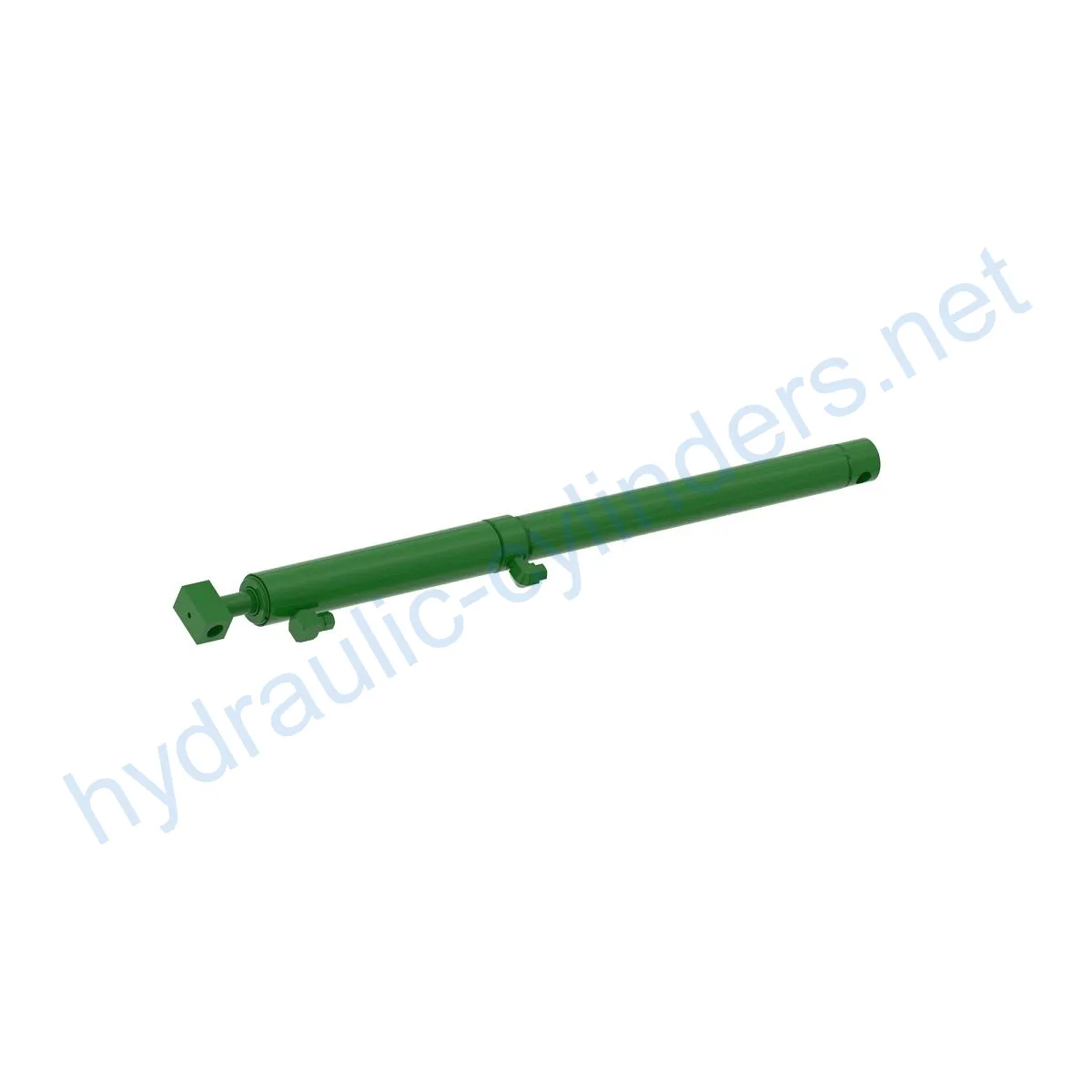
Ersatz für Hydraulikzylinder AH216789
Als einer der Hersteller, Lieferanten und Exporteure von mechanischen Produkten, bieten wir Hydraulikzylinder und viele andere Produkte an.
Bitte setzen Sie sich mit uns in Verbindung, um Einzelheiten zu erfahren.
Post:sales@hydraulic-cylinders.net
Hersteller, Lieferant und Exporteur von Hydraulikzylindern.
Replacement Of AH216789 Hydraulic Cylinder
Einführung:
The Replacement Of AH216789 Hydraulic Cylinder is a crucial component in various industrial applications. It is designed to provide the necessary force and movement in hydraulic systems, ensuring the smooth operation of equipment. This hydraulic cylinder serves as a reliable replacement for the AH216789 model, offering enhanced performance and durability.
Spezifikationen und Modelle:
Weight: 36 lb
Höhe: 3 Zoll
Breite: 4,5 Zoll
Length: 45.7 in
Models: 521, 522, 541, 542
Merkmale:
- Verbesserte Geräteperformance: Durch den Austausch beschädigter oder verschlissener Hydraulikzylinder können die normalen Betriebsfähigkeiten des Geräts wiederhergestellt und eine optimale Leistung in verschiedenen Anwendungsbereichen gewährleistet werden.
- Erhöhte Sicherheit: Durch den regelmäßigen Austausch von Hydraulikzylindern wird das Risiko von Sicherheitsrisiken durch Zylinderausfälle verringert, wodurch die Sicherheit von Bedienern und Anlagen gewährleistet wird.
- Überlastschutz: Moderne Hydraulikzylinderkonstruktionen verfügen häufig über verbesserte Überlastschutzmechanismen, was die Sicherheit erhöht.
- Quick Installation: The design of modern hydraulic cylinders takes into consideration ease of installation and replacement, reducing downtime.
- Standardisierte Komponenten: Viele Hydraulikzylinder sind standardisierte Produkte, was die Beschaffung von Ersatzteilen auf dem Markt erleichtert.
We have the capability to produce this hydraulic cylinder, offering a perfect replacement for the AH216789 model. Our products are manufactured to high standards, ensuring reliability and performance.
Anwendungen:
1. Excavators: Hydraulic cylinders on the arm or bucket of an excavator may become damaged due to long-term use or overload, requiring replacement to restore normal operation.
2. Cranes: Hydraulic cylinders in the lifting boom of a crane are prone to wear during frequent lifting and lowering processes, necessitating regular replacement to ensure safety.
3. Tractors: Hydraulic cylinders in the front-end loader of a tractor may experience leaks or performance decline due to continuous lifting and tilting operations, requiring replacement.
4. Harvesters: The hydraulic system of a harvester operates under high pressure during the harvesting process, and cylinders may be subject to fatigue damage, requiring timely replacement to maintain efficiency.
5. Automated Production Lines: Hydraulic cylinders are used to control robotic arms and other automated equipment. Cylinder failures can significantly impact production efficiency, necessitating immediate replacement.
6. Die Casting Machines: In high-pressure and high-temperature environments, hydraulic cylinders in die casting machines may experience performance decline. Regular replacement ensures product quality.
7. Mining Equipment: Hydraulic cylinders are used for lifting and moving heavy loads in mining equipment. Due to harsh working conditions, regular inspections and replacements are necessary to avoid equipment failures.
8. Bulldozers: The hydraulic cylinders on the blade of a bulldozer may experience wear, resulting in decreased pushing capacity. Timely replacement is essential to maintain operational efficiency.
Wartungsaufgaben:
Regular inspection, proper lubrication, seal replacement, and calibration checks are essential maintenance tasks for hydraulic cylinders.
- Proper Installation, Lubrication, and Adjustment: Providing guidance on correctly aligning the cylinder during installation, recommending the use of appropriate mounting brackets for securing the cylinder, and suggesting inspection, repair, and replacement procedures to extend the cylinder’s lifespan.
- Replacement Parts and Rebuilding Services: Offering replacement components and rebuilding services to ensure the longevity of the hydraulic cylinder.
Sicherheitsaspekte und Umweltfaktoren:
When using hydraulic cylinders, it is essential to prioritize safety measures. Proper handling and maintenance can prevent accidents and ensure a safe working environment. Additionally, environmental factors should be taken into account to minimize any negative impact.
Fehlerbehebung und häufige Probleme:
1. Leakage: If the hydraulic cylinder is experiencing leakage, it may indicate a problem with the seals or other components. Inspecting and replacing faulty seals can resolve the issue.
2. Insufficient Force: If the hydraulic cylinder lacks the necessary force, it could be due to internal wear or other mechanical issues. Diagnosing the problem and applying the appropriate solution, such as replacing worn parts, can restore functionality.
3. Slow Operation: Slow operation can be caused by issues such as inadequate lubrication or internal friction. Proper lubrication and regular maintenance can address this problem.
4. Erratic Movement: Erratic movement may be a result of air in the hydraulic system or an issue with the control valves. Bleeding the system or inspecting the control valves can resolve this issue.
5. Excessive Noise or Vibration: Unusual noise or vibration could indicate a problem with the hydraulic cylinder or other components. Thorough inspection and potential replacement of faulty parts can mitigate this issue.
Tips for Troubleshooting and Problem Solving:
1. Familiarize yourself with the hydraulic system and its components to effectively diagnose and resolve issues.
2. Utilize diagnostic tools and techniques to identify the root cause of problems.
3. Consult the manufacturer’s guidelines and technical documentation for proper troubleshooting procedures.
4. Regularly inspect and maintain the hydraulic system to prevent potential problems before they occur.
5. Seek professional assistance when necessary to ensure accurate diagnosis and effective solutions.
For a visual representation of the Replacement Of AH216789 Hydraulic Cylinder, refer to the following image:

Gestaltungsüberlegungen und Auswahlkriterien:
1. Load-Bearing Capacity: The hydraulic cylinder must be capable of supporting the intended load to ensure reliable operation.
2. Sealing and Durability: Quality seals and proper surface treatments of the cylinder body and threaded ends enhance wear resistance and durability.
3. Safety: Design features that prioritize safety, such as overload protection mechanisms and proper installation guidelines, are crucial in hydraulic cylinders.
4. Maintenance Accessibility: The design should facilitate easy access for maintenance tasks, such as seal replacements and lubrication.
Abdichtung und Schmierung:
Various sealing components, such as piston seals and rod seals, should be employed to prevent leaks and ensure smooth operation. Selecting wear-resistant materials like polyurethane and nitrile rubber for the seals enhances their longevity. Additionally, proper lubrication with the appropriate hydraulic oil is essential for optimal performance and longevity.
Regelmäßige Inspektion und vorbeugende Wartung:
1. Regularly inspect the hydraulic cylinder for any signs of wear, damage, or leakage.
2. Follow the manufacturer’s recommended maintenance schedule and procedures.
3. Properly align the cylinder during installation, ensuring correct mounting and alignment to prevent premature wear.
4. Utilize appropriate installation brackets or supports to secure the cylinder.
5. Provide guidance on inspection, repair, and replacement procedures, as well as tips for extending the lifespan of the hydraulic cylinder.
Anleitung zur korrekten Produktinstallation:
1. Prepare the mounting area and ensure it is clean and free from debris.
2.
Hydraulischer Zylinder Anwendung:

 DE
DE  EN
EN  PT
PT  ES
ES  FR
FR  IT
IT  AR
AR  ZH
ZH  RU
RU  KO
KO  KA
KA  BG
BG  CS
CS  DA
DA  EL
EL  ET
ET  FI
FI  HU
HU  ID
ID  LT
LT  LV
LV  NB
NB  NL
NL  PL
PL  RO
RO  SK
SK  SL
SL  SV
SV  TR
TR  UK
UK