
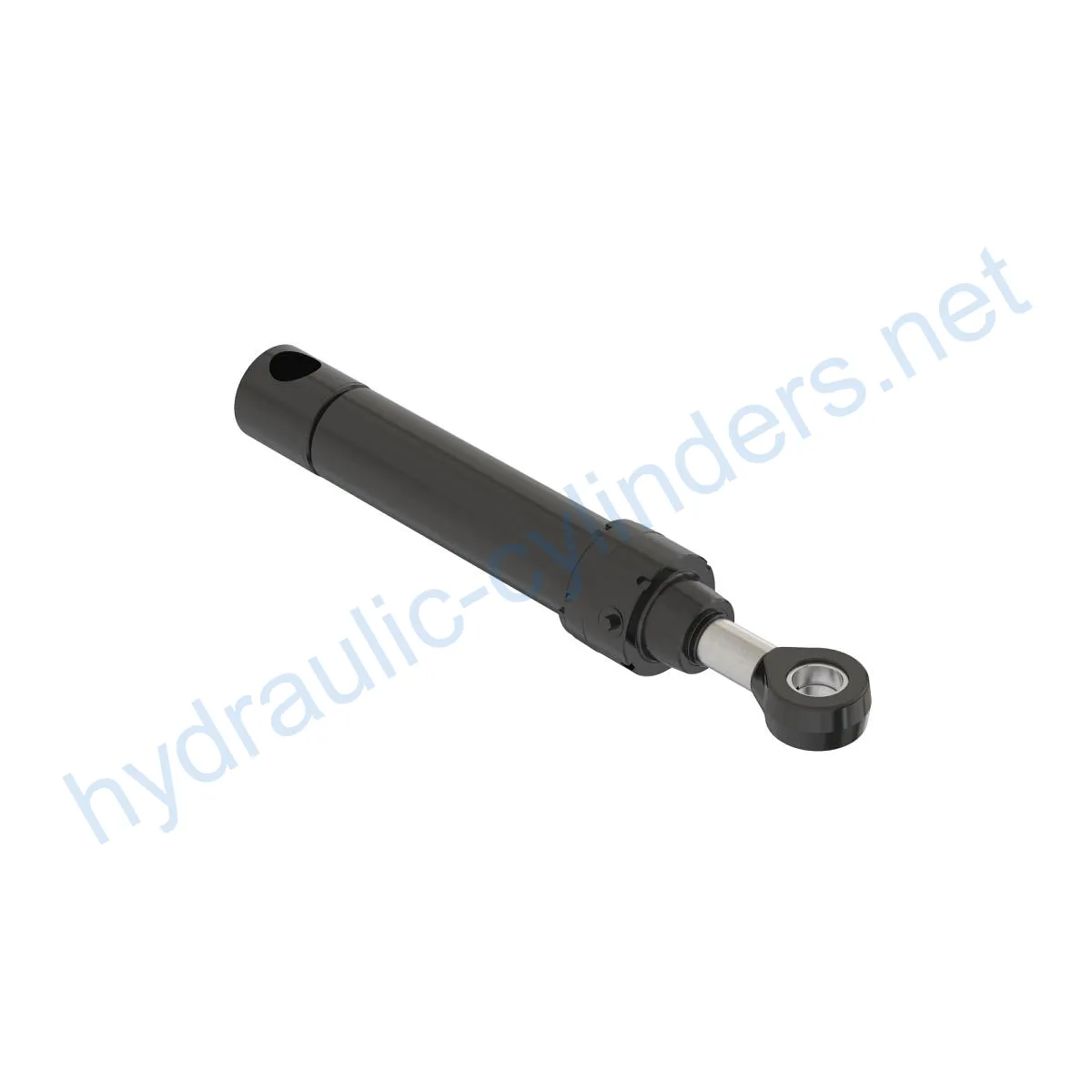
Replacement Of AH231019 Grapple Hydraulic Cylinder
Als einer der Hersteller, Lieferanten und Exporteure von mechanischen Produkten, bieten wir Hydraulikzylinder und viele andere Produkte an.
Bitte setzen Sie sich mit uns in Verbindung, um Einzelheiten zu erfahren.
Post:sales@hydraulic-cylinders.net
Hersteller, Lieferant und Exporteur von Hydraulikzylindern.
Replacement Of AH231019 Grapple Hydraulic Cylinder
Einführung
The Replacement Of AH231019 Grapple Hydraulic Cylinder is a hydraulic component designed to replace the original AH231019 cylinder. It is used in various models such as 640H, 648H, and 648HT. The cylinder plays a crucial role in the equipment’s performance and functionality.
Technische Daten
- Weight: 138 lb
- Height: 6.1 in
- Breite: 6,3 Zoll
- Länge: 41 Zoll
Merkmale
- Verbesserte Geräteperformance: Durch den Austausch beschädigter oder verschlissener Hydraulikzylinder wird die normale Betriebsfähigkeit des Geräts wiederhergestellt und eine optimale Leistung in verschiedenen Anwendungsbereichen gewährleistet.
- Verbesserte Sicherheit: Der regelmäßige Austausch von Hydraulikzylindern reduziert Sicherheitsrisiken durch Zylinderausfälle und gewährleistet so die Sicherheit von Bedienern und Geräten.
- Überlastschutz: Neu konstruierte Zylinder verfügen häufig über verbesserte Überlastschutzmechanismen, was die Sicherheit im Betrieb erhöht.
- Schnelle Installation: Moderne Hydraulikzylinder sind für eine einfache Installation und einen einfachen Austausch konzipiert, wodurch Ausfallzeiten minimiert werden.
- Standardisierte Komponenten: Viele Hydraulikzylinder sind standardisierte Produkte, sodass Ersatzteile auf dem Markt leicht erhältlich sind.
Anwendungen
- Excavators: The hydraulic cylinder may require replacement on the excavator’s arm or bucket due to extended usage or overloading, restoring normal operation.
- Cranes: The crane’s boom hydraulic cylinder is prone to wear during frequent lifting and lowering processes, necessitating regular replacement for safety reasons.
- Tractors: The front-end loader hydraulic cylinder on tractors can develop leaks or performance decline during continuous lifting and tilting operations, requiring replacement.
- Harvesters: The hydraulic system of harvesters operates under high pressure, and fatigue can lead to cylinder damage, necessitating timely replacement to maintain efficiency.
- Automated Production Lines: Hydraulic cylinders are used to control robotic arms and other automated equipment. Cylinder failure can negatively impact production efficiency and should be replaced promptly.
- Druckgussmaschinen: Die Hydraulikzylinder in Druckgussmaschinen können unter hohem Druck und hoher Temperatur Leistungseinbußen aufweisen. Regelmäßiger Austausch sichert die Produktqualität.
- Mining Equipment: Hydraulic cylinders are used in mining equipment for lifting and moving heavy loads. Due to harsh working conditions, regular inspection and replacement are necessary to avoid equipment failure.
- Bulldozers: Wear on the hydraulic cylinder of a bulldozer’s pushing arm can lead to a decrease in pushing capabilities, requiring timely replacement to maintain operational efficiency.
Wartungsaufgaben
- Regelmäßige Inspektion: Überprüfen Sie den Hydraulikzylinder regelmäßig auf Anzeichen von Verschleiß, Leckagen oder Beschädigungen.
- Proper Lubrication: Apply the appropriate amount of hydraulic oil for lubrication on a regular basis.
- Seal Replacement: Replace worn-out seals to ensure proper sealing and prevent leaks.
- Calibration Check: Regularly check and calibrate the cylinder to maintain accurate performance.
Sicherheitsaspekte
When using hydraulic cylinders, it is crucial to implement proper safety measures. This includes following safety guidelines, using suitable personal protective equipment, and ensuring the equipment is properly maintained and inspected.
Fehlerbehebung und häufige Probleme
1. Cylinder Leakage: If the hydraulic cylinder is leaking, check for damaged seals or connections. Replace any faulty components and ensure proper sealing.
2. Insufficient Power: If the cylinder lacks power or fails to perform as expected, check for low hydraulic fluid levels or worn-out components. Refill hydraulic fluid and replace any worn parts.
3. Irregular Operation: If the hydraulic cylinder operates erratically or with jerky movements, inspect for damaged or clogged valves. Clean or replace the valves as necessary.
Vorbeugende Maßnahmen
To minimize potential issues, it is essential to follow these preventive measures:
- Überprüfen und warten Sie den Hydraulikzylinder regelmäßig.
- Adhere to recommended maintenance schedules.
- Ensure proper alignment and installation during cylinder replacement.
- Verwenden Sie zur Befestigung des Zylinders geeignete Montagehalterungen.
- Befolgen Sie die empfohlenen Inspektions-, Reparatur- und Austauschverfahren.
- Offer replacement parts and rebuild services to extend the lifespan of the hydraulic cylinder.
- Provide tips to enhance the durability of the equipment that utilizes the hydraulic cylinder.

Designüberlegungen und Auswahlkriterien
When selecting a hydraulic cylinder, consider the following design considerations:
- Load-bearing capacity: Ensure the cylinder can handle the intended load.
- Sealing: Choose seals made of durable materials like polyurethane or nitrile rubber to ensure effective sealing.
- Durability: Opt for cylinders with surfaces that have undergone fine treatment to improve wear resistance.
- Sicherheit: Zylinder mit integrierten Sicherheitsmerkmalen und Überlastschutzmechanismen sollten bevorzugt werden.
- Maintainability: Select cylinders that allow for easy maintenance, repair, and replacement.
Abdichtung und Schmierung
For optimal performance, the hydraulic cylinder utilizes various sealing components, such as piston seals and rod seals. These seals are made of wear-resistant materials like polyurethane and nitrile rubber. Additionally, the cylinder body and threaded end surfaces undergo precise treatment to enhance wear resistance. Regular lubrication with the appropriate amount of hydraulic oil is necessary to ensure smooth operation and minimize wear.
Regelmäßige Inspektion und vorbeugende Wartung
To maintain the longevity of the hydraulic cylinder, conduct regular inspections and implement preventive maintenance measures:
- Ensure proper installation, lubrication, and adjustment.
- Hinweise zur korrekten Ausrichtung des Zylinders während der Installation geben.
- Recommend the use of suitable installation brackets for cylinder stability.
- Suggest inspection, repair, and replacement procedures.
- Offer replacement parts and rebuilding services.
- Share techniques to extend the lifespan of the hydraulic cylinder.
Sicherheitsaspekte und Umweltfaktoren
When operating hydraulic cylinders, it is paramount to prioritize safety measures. This includes following safety protocols and guidelines, utilizing appropriate personal protective equipment, and considering environmental factors to ensure the safety of operators and surrounding areas.
Fehlerbehebung und häufige Probleme
1. Cylinder Leakage: If the hydraulic cylinder is leaking, check for damaged seals or connections. Replace any faulty components and ensure proper sealing.
2. Insufficient Power: If the cylinder lacks power or fails to perform as expected, check for low hydraulic fluid levels or worn-out components. Refill hydraulic fluid and replace any worn parts.
3. Irregular Operation: If the hydraulic cylinder operates erratically or with jerky movements, inspect for damaged or clogged valves. Clean or replace the valves as necessary.

Hydraulischer Zylinder Anwendung:

 DE
DE  EN
EN  PT
PT  ES
ES  FR
FR  IT
IT  AR
AR  ZH
ZH  RU
RU  KO
KO  KA
KA  BG
BG  CS
CS  DA
DA  EL
EL  ET
ET  FI
FI  HU
HU  ID
ID  LT
LT  LV
LV  NB
NB  NL
NL  PL
PL  RO
RO  SK
SK  SL
SL  SV
SV  TR
TR  UK
UK