
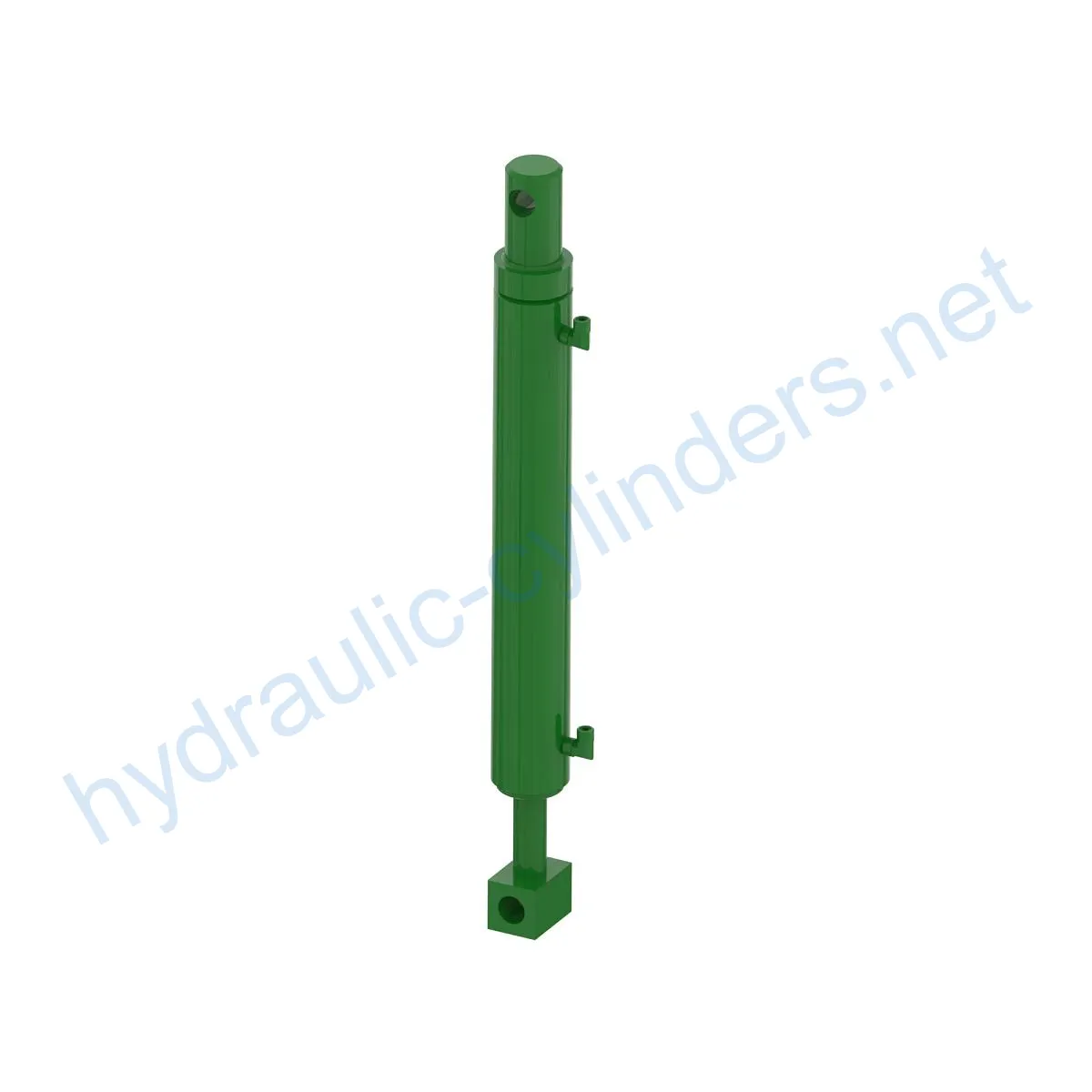
Replacement Of AHC12250 Hydraulic Cylinder
Als einer der Hersteller, Lieferanten und Exporteure von mechanischen Produkten, bieten wir Hydraulikzylinder und viele andere Produkte an.
Bitte setzen Sie sich mit uns in Verbindung, um Einzelheiten zu erfahren.
Post:sales@hydraulic-cylinders.net
Hersteller, Lieferant und Exporteur von Hydraulikzylindern.
Replacement Of AHC12250 Hydraulic Cylinder
Definition: The Replacement Of AHC12250 Hydraulic Cylinder is a high-quality hydraulic component designed to replace damaged or worn-out hydraulic cylinders in various heavy equipment applications. It plays a crucial role in ensuring the proper functioning of equipment by restoring its normal operating capabilities.
Spezifikationen und Modell
Weight: 58 lb
Höhe: 3,5 Zoll
Breite: 5 Zoll
Länge: 38,6 Zoll
Model: 540M H260
Merkmale
- Improved Equipment Performance: Replacing damaged or worn-out hydraulic cylinders can restore the equipment’s performance in various applications.
- Verbesserte Sicherheit: Der regelmäßige Austausch von Hydraulikzylindern reduziert Sicherheitsrisiken durch Zylinderausfälle und gewährleistet so die Sicherheit von Bedienern und Geräten.
- Overload Protection: Newly designed cylinders often incorporate improved overload protection mechanisms, enhancing safety.
- Schnelle Installation: Moderne Hydraulikzylinder sind für eine einfache Installation und einen einfachen Austausch konzipiert, wodurch Ausfallzeiten minimiert werden.
- Standardisierte Komponenten: Viele Hydraulikzylinder sind standardisiert, sodass Ersatzteile leichter auf dem Markt erhältlich sind.
Anwendungen
1. Bagger:
In excavators, hydraulic cylinders in the boom or bucket may get damaged due to prolonged use or overloading, requiring replacement to restore normal operation.
2. Kräne:
The hydraulic cylinders in crane boom arms are prone to wear and tear during frequent lifting and lowering, necessitating regular replacement to ensure safety.
3. Traktoren:
Front-end loader hydraulic cylinders in tractors may experience leaks or performance degradation during continuous lifting and tilting operations, requiring replacement.
4. Erntemaschinen:
In harvesting processes, hydraulic systems endure high pressure, and fatigue can lead to cylinder damage. Timely replacements are necessary to maintain work efficiency.
5. Automatisierte Produktionslinien:
Hydraulic cylinders are used to control robotic arms and other automated equipment. Cylinder failures can hamper production efficiency and should be replaced immediately.
6. Druckgussmaschinen:
In Umgebungen mit hohem Druck und hohen Temperaturen kann es bei Hydraulikzylindern in Druckgussmaschinen zu Leistungseinbußen kommen. Regelmäßiger Austausch sichert die Produktqualität.
7. Bergbauausrüstung:
Hydraulikzylinder werden in Bergbaumaschinen zum Heben und Bewegen schwerer Lasten eingesetzt. Aufgrund der rauen Arbeitsbedingungen sind regelmäßige Inspektionen und der Austausch der Zylinder notwendig, um Maschinenausfälle zu vermeiden.
8. Bulldozer:
Wear on hydraulic cylinders in bulldozer blades can lead to reduced pushing power. Timely replacements ensure operational efficiency.
Wartungsaufgaben
1. Regelmäßige Inspektionen:
Regularly inspect the hydraulic cylinder for any signs of damage or wear, such as leaks or decreased performance.
2. Richtige Schmierung:
Ensure the hydraulic cylinder is adequately lubricated with the appropriate hydraulic oil to reduce friction and prolong its lifespan.
3. Sealing Replacement and Calibration Checks:
Periodically replace worn seals and perform calibration checks to maintain proper functioning and prevent leaks.
Sicherheitsaspekte und Umweltfaktoren
When using hydraulic cylinders, it is essential to follow safety measures to prevent accidents and ensure the well-being of operators and equipment.
Fehlerdiagnose und häufige Probleme
Fault: Cylinder leakage.
Possible Causes: Damaged seals, worn piston rods, or loose connections.
Solution: Replace damaged seals, repair or replace worn piston rods, and tighten loose connections.
Fault: Cylinder not extending or retracting fully.
Possible Causes: Insufficient hydraulic fluid, clogged valves, or damaged piston rings.
Solution: Check hydraulic fluid levels, clean or replace valves, and repair or replace damaged piston rings.
Fault: Cylinder overheating.
Possible Causes: Excessive load, low hydraulic fluid levels, or restricted oil flow.
Solution: Reduce load, check hydraulic fluid levels, and ensure unrestricted oil flow.
Vorbeugende Maßnahmen
1. Regelmäßige Wartung:
Perform regular maintenance tasks, such as inspections, lubrication, and sealing replacements, to prevent potential issues and extend the lifespan of the hydraulic cylinder.
2. Correct Installation:
Provide proper guidance for aligning the cylinder during installation and recommend using appropriate installation brackets to secure the cylinder in place.
3. Empfohlene Inspektions-, Reparatur- und Austauschverfahren:
Offer suggested inspection, repair, and replacement procedures to ensure optimal performance and provide replacement parts and rebuilding services.
Überlegungen zum Produktdesign und Auswahlkriterien
When selecting a hydraulic cylinder, important factors to consider include load-bearing capacity, sealing effectiveness, durability, safety features, and ease of maintenance and repair.
Abdichtung und Schmierung
Hydraulic cylinders utilize various sealing components, such as piston seals and rod seals, made of wear-resistant materials like polyurethane and nitrile rubber. The cylinder body and threaded ends undergo meticulous surface treatment to enhance wear resistance. Regular lubrication with the appropriate hydraulic oil is necessary to ensure proper operation.
Regelmäßige Inspektionen und vorbeugende Wartungsmaßnahmen
Regularly inspect the hydraulic cylinder for any signs of damage or wear, perform preventive maintenance tasks, and emphasize the importance of correct installation, lubrication, and adjustment. Offer guidance on aligning the cylinder correctly during installation and recommend the use of suitable installation brackets to secure the cylinder. Provide tips for inspecting, diagnosing, and resolving issues, as well as suggesting preventive measures to minimize potential problems.
Installationshinweise
1. Prepare the mounting area and ensure it is clean and free from debris.
2. Align the hydraulic cylinder with the equipment’s mounting points.
3. Attach the cylinder securely using appropriate fasteners.
4. Connect the hydraulic lines, ensuring proper sealing and alignment.
5. Test the cylinder’s operation to ensure smooth and reliable movement.
Über unser Unternehmen
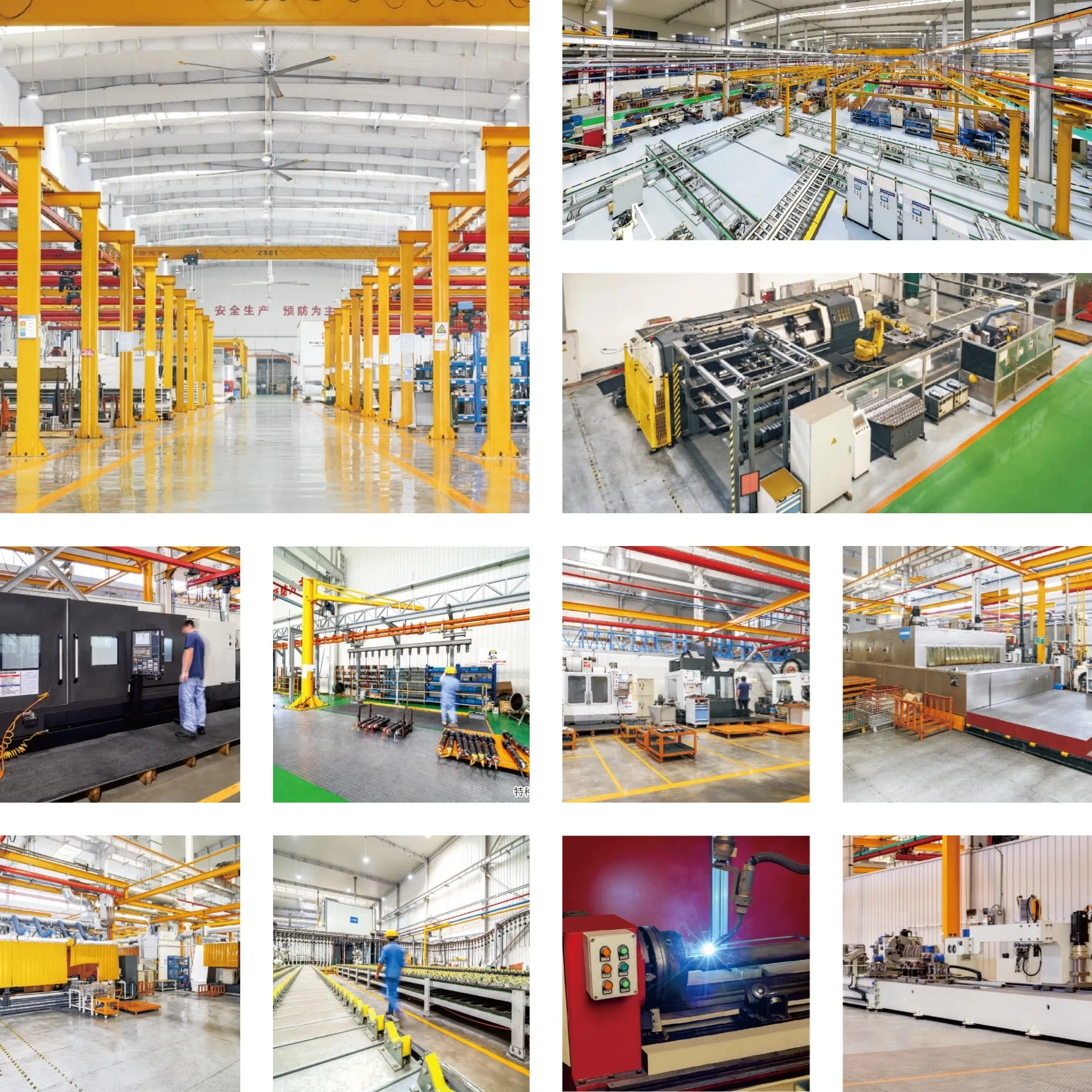
We are a leading manufacturer and wholesale distributor of replacement hydraulic cylinders, offering a wide range of hydraulic components to domestic and international markets. Our company stands out for its professionalism, international certifications, customized services, state-of-the-art production equipment, and comprehensive after-sales support.
Autor: lyl

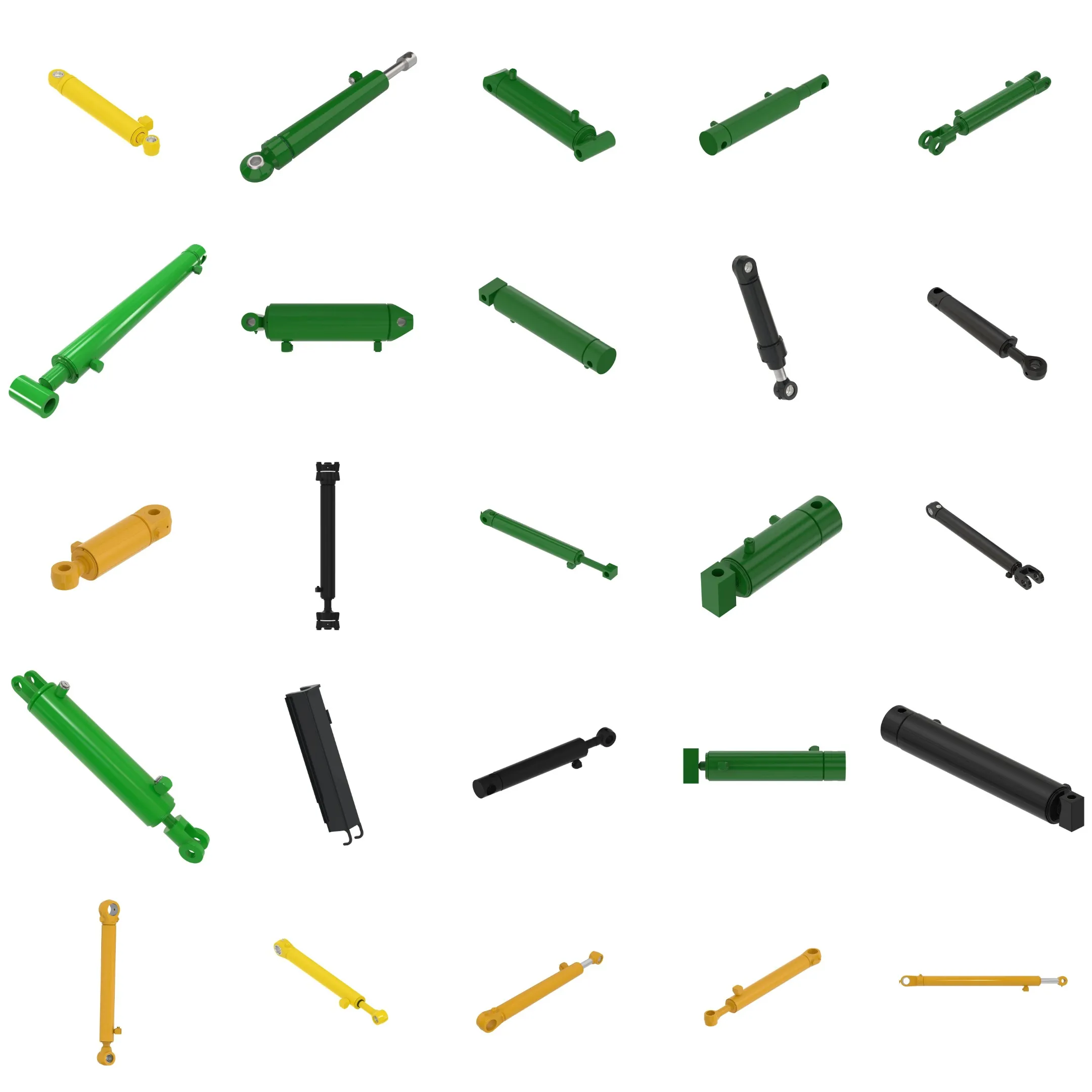
Hydraulischer Zylinder Anwendung:

 DE
DE  EN
EN  PT
PT  ES
ES  FR
FR  IT
IT  AR
AR  ZH
ZH  RU
RU  KO
KO  KA
KA  BG
BG  CS
CS  DA
DA  EL
EL  ET
ET  FI
FI  HU
HU  ID
ID  LT
LT  LV
LV  NB
NB  NL
NL  PL
PL  RO
RO  SK
SK  SL
SL  SV
SV  TR
TR  UK
UK