
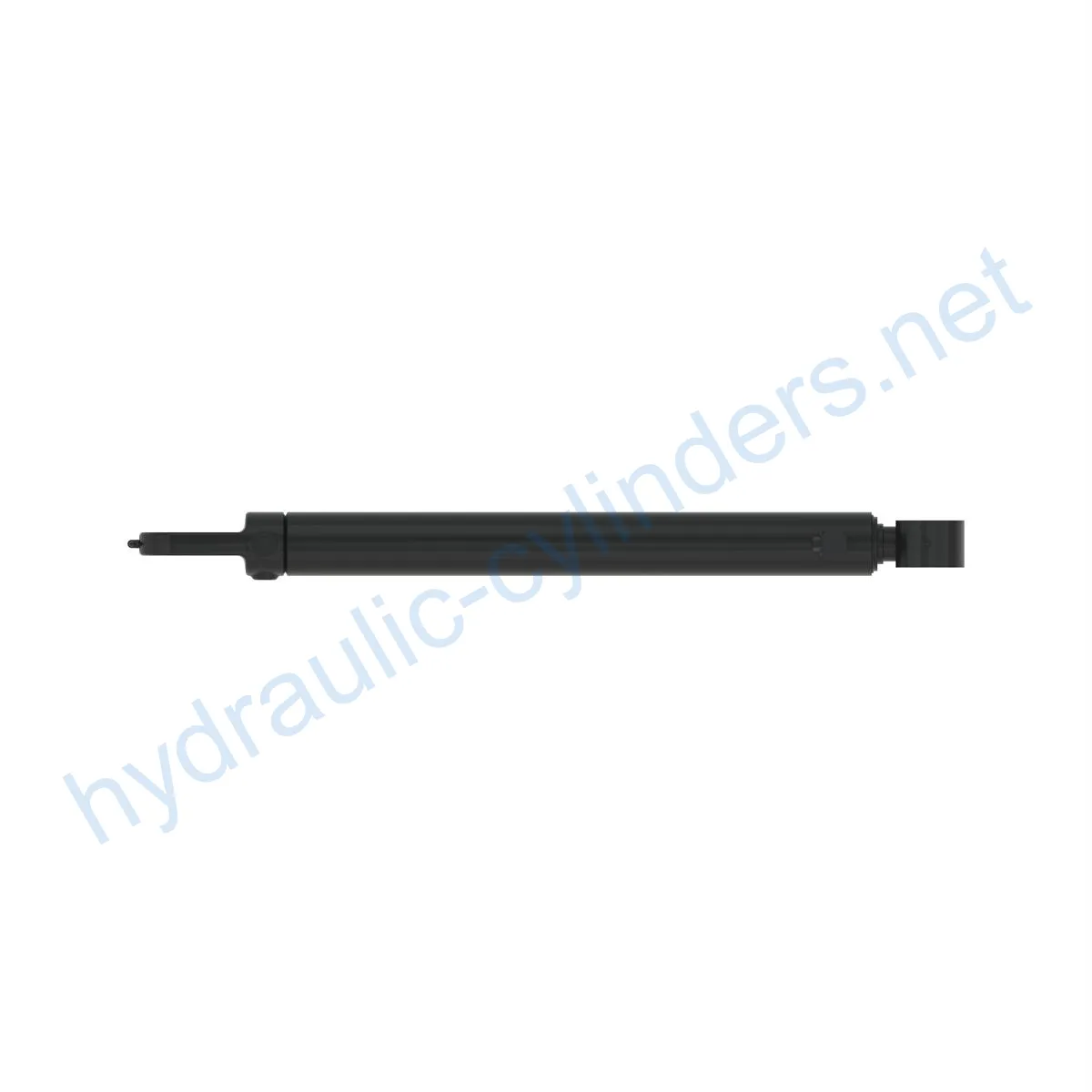
Ersatz für Hydraulikzylinder AHC14648
Als einer der Hersteller, Lieferanten und Exporteure von mechanischen Produkten, bieten wir Hydraulikzylinder und viele andere Produkte an.
Bitte setzen Sie sich mit uns in Verbindung, um Einzelheiten zu erfahren.
Post:sales@hydraulic-cylinders.net
Hersteller, Lieferant und Exporteur von Hydraulikzylindern.
Replacement Of AHC14648 Hydraulic Cylinder
Firstly, let’s introduce the product and define what this hydraulic cylinder is and its purpose. The Replacement Of AHC14648 Hydraulic Cylinder is a vital component used in various machinery and equipment to provide linear force through the use of hydraulic fluid. It plays a crucial role in the smooth operation and functionality of these machines.
Spezifikationen und Modell
The Replacement Of AHC14648 Hydraulic Cylinder has the following specifications:
- Weight: 55.12 lb
- Höhe: 4,5 Zoll
- Breite: 5,5 Zoll
- Länge: 42,5 Zoll
It is designed specifically for the 323E model.
Merkmale
The Replacement Of AHC14648 Hydraulic Cylinder offers several key features:
- Improved Equipment Performance: Replacing damaged or worn-out hydraulic cylinders restores the normal operational capabilities of the equipment, ensuring optimal performance in various applications.
- Enhanced Safety: Regularly replacing hydraulic cylinders reduces the safety risks associated with cylinder failures, safeguarding the operators and equipment.
- Overload Protection: Modern cylinder designs often incorporate better overload protection mechanisms, resulting in increased safety.
- Schnelle Installation: Moderne Hydraulikzylinder sind für eine einfache Installation und einen einfachen Austausch konzipiert, wodurch Ausfallzeiten minimiert werden.
- Standardisierte Komponenten: Viele Hydraulikzylinder sind standardisierte Produkte, sodass Ersatzteile leichter auf dem Markt erhältlich sind.
We, as a manufacturer, have the capability to produce this product and offer a perfect replacement for these hydraulic cylinders.
Anwendungen
The Replacement Of AHC14648 Hydraulic Cylinder finds application in various scenarios, including:
- Excavators: In excavators, the hydraulic cylinder in the boom or bucket may get damaged due to prolonged use or overload, requiring replacement to restore normal operation.
- Cranes: The hydraulic cylinder in a crane’s lifting arm can experience wear and tear during frequent lifting and lowering, necessitating regular replacement for safety reasons.
- Tractors: The hydraulic cylinder in a tractor’s front-end loader may develop leaks or performance degradation due to continuous lifting and tilting operations, demanding replacement.
- Harvesters: Hydraulic systems experience high pressure during harvesting, and cylinders can suffer from fatigue, requiring timely replacement to maintain work efficiency.
- Automated Production Lines: Hydraulic cylinders are used to control robotic arms and other automated equipment. Cylinder failures can significantly impact production efficiency, making immediate replacement necessary.
Wartungsaufgaben
Zu den regelmäßigen Wartungsaufgaben für Hydraulikzylinder gehören:
- Periodic Inspection: Regularly inspecting the cylinders to identify any signs of wear, leaks, or other issues.
- Proper Lubrication: Adequately lubricating the cylinder components to ensure smooth operation and reduce friction.
- Seal Replacement: Replacing seals when necessary to maintain the integrity and performance of the hydraulic cylinder.
- Calibration Check: Periodically checking the calibration of the cylinder to ensure accurate operation.
During installation, it is crucial to provide proper guidance for aligning the cylinder correctly. Using appropriate installation brackets to secure the cylinder is recommended. We also offer inspection, repair, and replacement services, along with tips to extend the lifespan of the hydraulic cylinder.
Sicherheitsaspekte und Umweltfaktoren
When working with hydraulic cylinders, following safety measures is of utmost importance. It ensures the well-being of operators and prevents potential hazards to the environment. Proper handling, maintenance, and disposal of hydraulic fluids are essential to minimize environmental impact.
Fehlerbehebung und häufige Probleme
Here are some common problems and troubleshooting tips related to hydraulic cylinders:
- Leakage: Check for damaged seals or loose connections. Tighten fittings or replace seals as needed.
- Slow Operation: Inspect the fluid level and ensure it is adequate. Check for any restrictions in the hydraulic lines or possible internal cylinder damage.
- Irregular Movements: Verify proper alignment of the cylinder and check for any obstructions in the surrounding area that may impede movement.
For effective diagnosis and problem-solving, we recommend following the provided troubleshooting tips and solutions. Additionally, implementing preventive measures can help minimize potential issues related to hydraulic cylinders.
Designüberlegungen und Auswahlkriterien
When selecting a hydraulic cylinder, several design considerations play a vital role:
- Load Capacity: The cylinder must be capable of handling the intended load without compromising safety or performance.
- Sealing: Proper sealing is crucial to prevent fluid leaks and maintain optimal operation. Utilizing high-quality seals and materials is recommended.
- Durability: The cylinder should be able to withstand the expected wear and tear, ensuring a long service life.
- Safety: Incorporating safety features and considering potential risks during the design process is essential.
- Maintainability: Designing the cylinder for ease of maintenance and repair helps minimize downtime and associated costs.
Seals made of wear-resistant materials such as polyurethane and nitrile rubber, along with finely treated cylinder body and threaded ends, enhance durability. Regular lubrication with suitable hydraulic oil is necessary to ensure smooth operation.
Regelmäßige Inspektion und vorbeugende Wartung
To ensure the longevity of the hydraulic cylinder, the following measures should be taken:
- Regular Inspection: Perform routine inspections to identify any signs of wear, leaks, or other potential issues.
- Proper Lubrication: Adequately lubricate the cylinder components to reduce friction and extend their lifespan.
- Seal Replacement: Replace seals when they show signs of wear or leakage, ensuring the integrity of the hydraulic cylinder.
- Calibration Check: Periodically check the calibration of the cylinder to maintain accurate operation.
Korrekte Produktinstallation
Proper installation is crucial for the optimal performance of the hydraulic cylinder. Follow these guidelines:
- Align the cylinder correctly according to the manufacturer’s instructions.
- Use appropriate installation brackets to securely fasten the cylinder.
- Befolgen Sie die empfohlenen Verfahren für Inspektion, Reparatur und Austausch.
- Utilize genuine replacement parts and rebuilding services to ensure the longevity of the hydraulic cylinder.
- Implement techniques to improve the lifespan of the cylinder, preventing premature failure.
Über unser Unternehmen
We are a leading manufacturer and wholesale distributor of hydraulic cylinders in the domestic
Hydraulischer Zylinder Anwendung:

 DE
DE  EN
EN  PT
PT  ES
ES  FR
FR  IT
IT  AR
AR  ZH
ZH  RU
RU  KO
KO  KA
KA  BG
BG  CS
CS  DA
DA  EL
EL  ET
ET  FI
FI  HU
HU  ID
ID  LT
LT  LV
LV  NB
NB  NL
NL  PL
PL  RO
RO  SK
SK  SL
SL  SV
SV  TR
TR  UK
UK